Have you ever marveled at a beautifully crafted wooden chair or table and wondered how it was made? The secret often lies in the skilled hands of a woodworker using traditional hand tools.
These tools have been the backbone of woodworking for centuries, allowing artisans to shape, carve, and create stunning pieces with precision and care. If you’re curious about what woodwork hand tools are and how they can transform a simple piece of wood into a masterpiece, you’re in the right place.
You’ll discover the essential hand tools every woodworker cherishes, understand their unique roles, and learn how they can empower you to bring your creative woodworking visions to life. Get ready to unlock the timeless art of woodworking with the right tools at your fingertips!
Basics Of Woodwork Hand Tools
Woodwork hand tools are essential for crafting fine furniture and decor. They offer precision that machines often can't match. Understanding their basics helps in achieving better results.
Types Of Woodwork Hand Tools
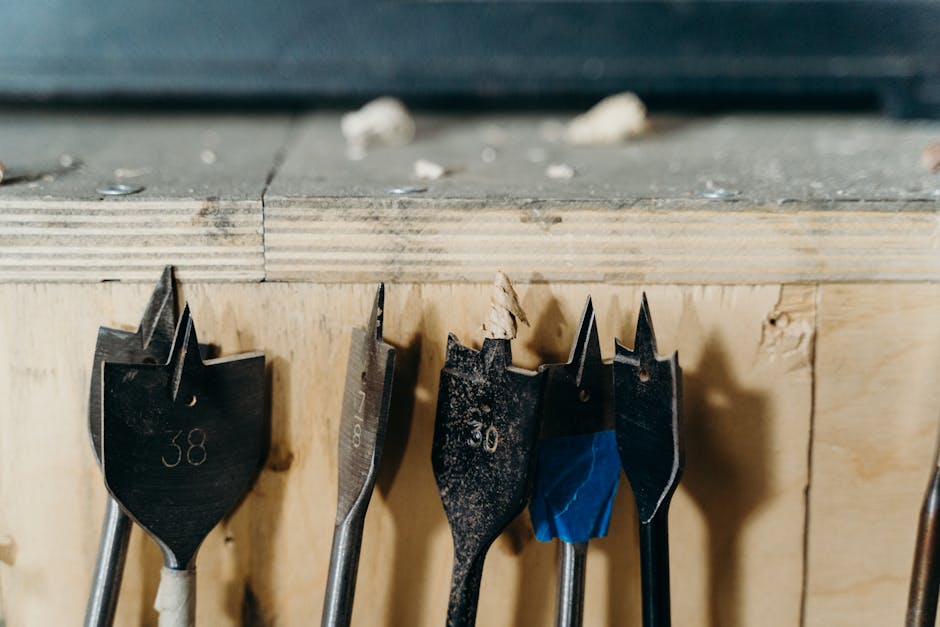
Several types exist for various tasks. Saws cut wood into pieces. Planes smooth rough surfaces. Chisels carve out intricate designs. Each has a unique function.
Choosing The Right Hand Tools
Selecting the right tool depends on the task. For cutting, a saw is ideal. For smoothing, use a plane. Carving requires a sharp chisel. Know the task before choosing the tool.
Maintaining Woodwork Hand Tools
Proper maintenance keeps tools effective. Regular cleaning prevents rust. Sharpen blades for better performance. Store tools in a dry place to avoid damage.
Safety is crucial when using tools. Wear protective gloves. Keep tools sharp but handle them carefully. Work in a well-lit area to avoid accidents.
Hand tools offer control and precision. They require no electricity, making them eco-friendly. They allow for detailed craftsmanship. Ideal for intricate woodwork projects.
Types Of Hand Tools
When diving into the world of woodwork, understanding the various types of hand tools is crucial. These tools are the backbone of any woodworking project, each serving a unique purpose. From cutting to finishing, hand tools are essential for crafting precise and beautiful pieces. Whether you're a beginner or seasoned craftsman, knowing these tools will elevate your woodworking game.
Cutting Tools
Cutting tools are your go-to for shaping wood to your desired dimensions. Tools like saws, chisels, and knives fall into this category. Imagine the satisfaction of a clean, precise cut with a sharp chisel, a skill mastered with patience and practice. Have you ever tried using a handsaw? The rhythmic motion and control it offers can be therapeutic.
Measuring Tools
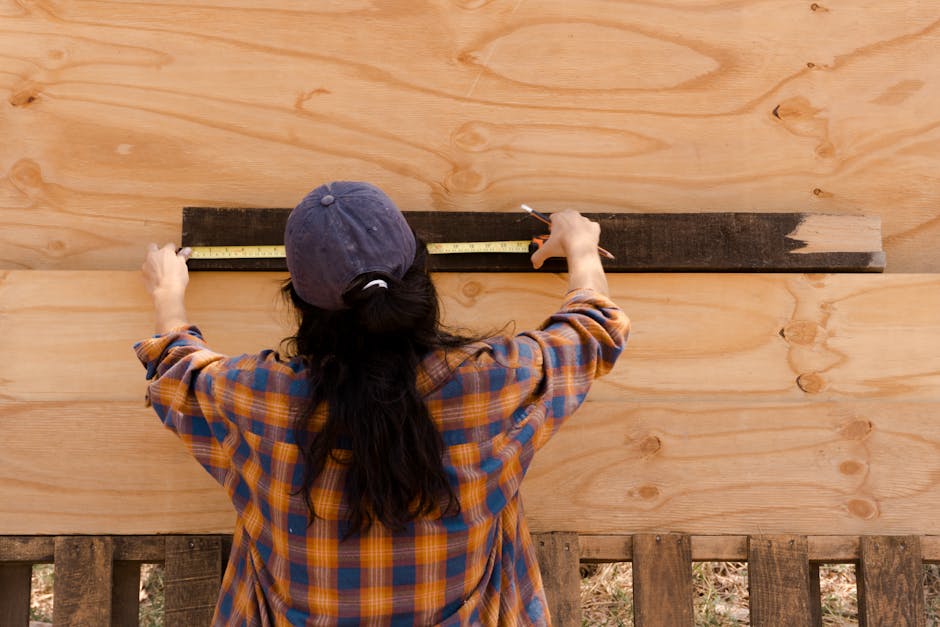
Accuracy is key in woodworking, and measuring tools ensure that. Items like rulers, tape measures, and squares help in achieving precise measurements. Have you ever felt the frustration of a misaligned piece? With the right measuring tool, you can prevent this and enjoy a seamless assembly.
Shaping Tools
Once you've cut your wood, shaping tools help refine it. Planes and rasps are great for smoothing surfaces and edges. Have you ever used a hand plane? The satisfaction of creating a smooth surface is unmatched. These tools give wood its final form before assembly.
Assembling Tools
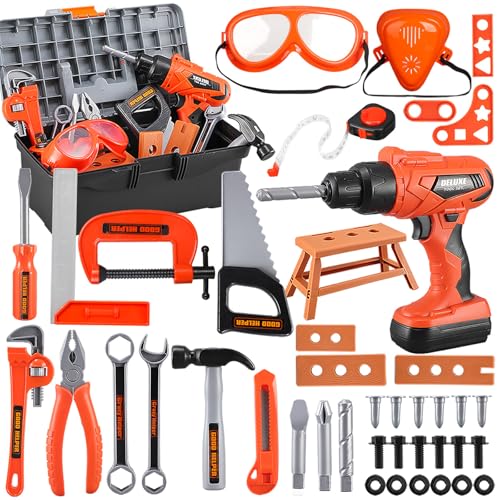
Assembling tools bring your pieces together securely. Hammers, clamps, and screwdrivers are essential for this task. Have you ever struggled with a loose joint? The right clamp can make all the difference. These tools ensure your project holds up over time.
Finishing Tools
Finishing tools add the final touches to your woodwork. Sandpaper, brushes, and polishing cloths enhance the appearance and durability of your project. Have you ever marveled at a glossy finish? Achieving that requires patience and the right finishing tools. They transform your creation into a masterpiece.
Understanding these types of hand tools is like having a treasure trove of possibilities at your fingertips. What new project will you tackle with this knowledge?
Choosing The Right Tools
Choosing the right woodwork hand tools is crucial for any woodworking project. The right tools ensure precision and efficiency. They also enhance the craft's overall quality. Many factors influence the selection of tools. Let's explore these aspects to make informed choices.
Factors To Consider
Think about the type of project you plan to undertake. Different projects require specific tools. Consider the material you'll be working with. Some tools are better suited for hardwoods, others for softwoods. Personal skill level is another factor. Beginners might prefer simpler tools, while experts may opt for advanced options.
Budgeting For Tools
Set a budget before purchasing tools. Woodwork hand tools vary greatly in price. Ensure you get good value for your money. High-quality tools might be more expensive but last longer. Cheap tools may require frequent replacements. Prioritize tools that offer durability and functionality within your budget.
Brand Recommendations
Several brands are known for their quality woodworking tools. Stanley and DeWalt offer reliable hand tools. Their products are durable and well-designed. Irwin and Bosch also provide excellent options. These brands are trusted by many woodworkers. Choose brands that suit your needs and preferences.
Maintaining Hand Tools
Woodwork hand tools include chisels, saws, and planes, essential for shaping and finishing wood projects. Regular maintenance ensures these tools remain sharp and effective, reducing effort and improving precision. Clean, sharpen, and store them properly to extend their lifespan and maintain optimal performance.
Maintaining hand tools is crucial for woodworkers. It ensures their tools remain effective and safe. Proper care extends the lifespan of the tools. It also improves the quality of their work. Regular maintenance prevents rust and damage. It also enhances precision and performance. Let's explore three key aspects of maintaining hand tools.
Cleaning Techniques
Keep tools clean to avoid rust and damage. Wipe them with a dry cloth after use. Use a brush to remove sawdust and debris. For stubborn dirt, use a mild soap solution. Dry the tools thoroughly to prevent moisture buildup. Apply a light coat of oil to metal parts. This protects against rust and corrosion.
Sharpening Blades
Sharp blades are essential for precise cuts. Use a sharpening stone or file regularly. Hold the blade at the correct angle while sharpening. Move it evenly across the stone. Check the blade's sharpness with a piece of paper. Sharpening improves efficiency and safety. It also reduces effort during use.
Proper Storage
Store tools in a dry place. Moisture can cause rust. Use a toolbox or pegboard for organization. Keep tools away from direct sunlight. Sunlight can weaken tool materials. Use protective covers for delicate tools. Proper storage extends tool life. It also keeps your workspace tidy.
Safety Tips For Using Hand Tools
Using woodwork hand tools safely is crucial. It prevents injuries and ensures a smooth work process. Understanding safety tips helps protect you and your workspace.
Protective Gear
Always wear safety goggles. They protect your eyes from flying debris. Use gloves to shield your hands from cuts. Select gloves that fit well to maintain dexterity. A dust mask is essential. It prevents inhaling harmful particles. Choose a mask that fits snugly for maximum protection.
Safe Handling Practices
Keep your tools sharp. Dull tools require more force and can slip. Always cut away from your body. This reduces the risk of injury. Secure your workpiece firmly. A stable workpiece minimizes tool slips. Maintain a clean workspace. Clutter can cause accidents and obstruct tool handling.
Common Mistakes To Avoid
Never use the wrong tool for the job. It can damage the tool and the workpiece. Avoid using damaged tools. They can malfunction and cause injuries. Do not rush your work. Speed increases the chance of mistakes and accidents. Keep tools organized. Misplaced tools can lead to wasted time and possible hazards.
Benefits Of Using Hand Tools
Woodwork hand tools offer precision and control in crafting detailed pieces. They allow for a personal touch, enhancing creativity and skill. These tools are essential for woodworking, providing a quiet and tactile experience that power tools often lack.
Woodwork hand tools offer a unique set of benefits that power tools simply can't match. They provide a level of precision, quality, and sustainability that appeals to both seasoned craftsmen and enthusiastic beginners. Whether you're working on a small project or a large-scale piece, hand tools can bring a new level of craftsmanship to your work. Let’s dive into the specific advantages of using these traditional tools.
Precision And Control
Using hand tools gives you a level of precision that power tools often lack. Imagine shaping a delicate curve with a chisel or smoothing a surface with a hand plane. You can feel the wood, adjust your pressure, and make minute changes on the fly. You have the ability to control every small movement. This tactile feedback ensures that you can execute your vision exactly as you see it. Have you ever noticed how a hand-carved piece seems to have a character all its own?
Craftsmanship Quality
Hand tools embody the essence of craftsmanship. They allow you to work more intimately with the wood, resulting in pieces that are both personal and unique. Each tool mark is like a signature, telling a story of time and care. When you craft with hand tools, you develop skills that can be passed down through generations. Consider the satisfaction of creating something with your own hands, knowing that it’s not just functional, but also a work of art.
Sustainability
Hand tools are often more sustainable than their power counterparts. They don’t require electricity, which reduces your carbon footprint and electricity bills. Plus, their simple design means they can last for decades with proper care. By choosing hand tools, you’re supporting a more sustainable practice. They encourage a slower, more thoughtful approach to woodworking. How often do we get the chance to slow down and truly engage with the materials we’re working with? The benefits of using woodwork hand tools are many. From the precision and control they offer to the sustainable and quality craftsmanship they enable, these tools are essential for anyone serious about woodworking. Whether you're just starting or have been crafting for years, consider how hand tools can enhance your work.
Getting Started With Hand Tools
Woodwork hand tools open a world of creativity and craftsmanship. They help you shape wood with precision and care. Starting with hand tools can seem daunting. But it becomes rewarding with the right approach.
Begin with a few essential tools. A handsaw, chisel, and a mallet are great for starters. These tools serve many purposes in woodworking. Practice handling them to gain confidence. Learn the basics of measuring and marking wood. Accuracy in these steps is crucial. It ensures your projects fit together well.
Beginner Project Ideas
Starting with simple projects builds skills. A birdhouse or a small shelf are great choices. These projects teach basic cutting and assembly. They also offer a sense of accomplishment. As you progress, try making a picture frame. It involves more precise measuring and cutting.
Skill Development Resources
Numerous resources exist for learning woodworking skills. Books and online tutorials provide step-by-step guidance. Look for beginner-friendly content. This ensures instructions are easy to follow. Videos help you see techniques in action. Practice what you learn to reinforce skills.
Community And Support
Joining a woodworking community offers encouragement. Local clubs and online forums are excellent options. Members share tips and advice. They help solve common problems you may face. Engaging with others boosts your learning experience.
Frequently Asked Questions
What Are Essential Woodwork Hand Tools?
Essential woodwork hand tools include chisels, saws, hammers, and planes. Chisels are used for carving and shaping wood. Saws help in cutting wood into desired shapes and sizes. Hammers are essential for driving nails. Planes smoothen surfaces, ensuring a fine finish.
How Do I Maintain Woodwork Hand Tools?
To maintain woodwork hand tools, keep them clean and dry. Regularly sharpen blades to ensure efficiency. Store tools in a dry place to prevent rust. Apply a light coat of oil on metal parts to avoid corrosion. Always handle tools with care to extend their lifespan.
Why Are Hand Tools Important In Woodworking?
Hand tools offer precision and control in woodworking tasks. They allow artisans to create intricate designs. Unlike power tools, they are quieter and provide a tactile connection to the workpiece. They are essential for tasks requiring fine detail and craftsmanship.
Can Beginners Use Woodwork Hand Tools?
Yes, beginners can use woodwork hand tools with practice. Start with basic tools like saws and chisels. Learn proper handling techniques to ensure safety. Practice regularly to gain confidence and improve skills. Hand tools are great for understanding woodwork fundamentals.
Conclusion
Woodwork hand tools offer precision and creativity. They shape wood beautifully. With practice, anyone can use them effectively. These tools bring satisfaction and craftsmanship to projects. They are essential for detailed work. Perfect for hobbyists and professionals alike. Each tool has its own purpose.
Understanding them leads to better results. Woodworking is a rewarding skill. It connects you to tradition and creativity. Start small and build your skills. Enjoy the process. Discover the joy of creating with your hands. Woodwork hand tools make your projects unique.
Embrace the craft and its possibilities.