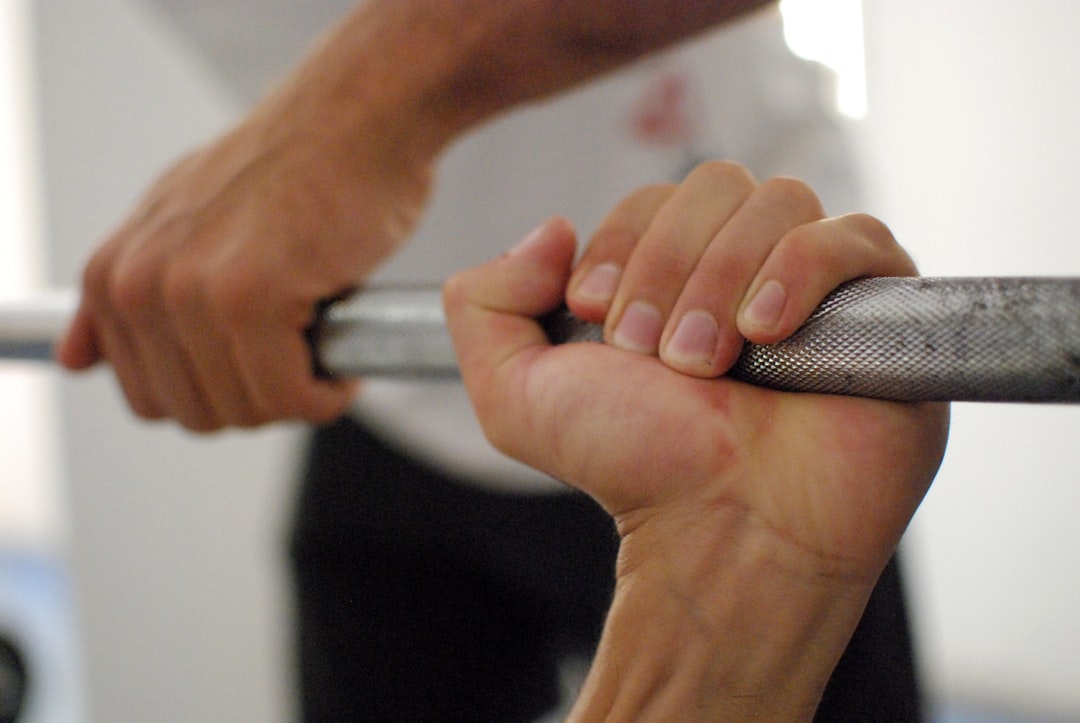
Have you ever wondered what exactly happens when you squeeze a hand grip exercise tool? You might be surprised to discover the number of muscles that spring into action with this simple workout device.
Whether you're an athlete looking to boost your performance or just someone aiming to improve hand strength, understanding the specific muscles involved can supercharge your training. This knowledge not only helps you maximize your grip strength but also enhances your overall fitness journey.
Stay with us as we break down the muscles engaged by this handy tool, revealing secrets that could transform your approach to exercise. Uncover the muscle magic behind every squeeze and take your fitness game to the next level.
Forearm Muscles
Hand grip exercise tools are more than just a way to pass the time; they're a powerhouse for building strength in your forearm muscles. These handy devices can help you develop endurance and improve your grip strength. But how exactly do they work on your forearms? Let's explore.
Flexor Muscles
The flexor muscles in your forearms are responsible for bending your fingers and wrist. Think about the last time you picked up a heavy grocery bag or shook someone's hand. Those movements are powered by your flexor muscles. Using a hand grip tool targets these muscles directly. Each squeeze encourages them to grow stronger.
Imagine holding a grip tool and feeling the burn as you squeeze repeatedly. This sensation is a sign that your flexor muscles are working hard. It's like giving them a workout session without hitting the gym. Consistency is key; regular use will yield noticeable improvements in your forearm strength.
Extensor Muscles
While flexors are all about bending, extensor muscles work on straightening your fingers and wrist. They're less prominent but equally important. Every time you release the grip tool, these muscles spring into action. They ensure your hands return to their open position smoothly.
Think about playing a musical instrument or typing on a keyboard. Extensor muscles help you make quick and precise movements. Strengthening them with a grip tool can enhance your dexterity and prevent fatigue during such activities. Are you looking to improve your typing speed or play the guitar with ease? Focusing on your extensor muscles might be the key.
Hand grip exercises offer an accessible and effective way to bolster both flexor and extensor muscles. Whether you're a musician, an athlete, or simply someone who wants stronger hands, these exercises can bring noticeable benefits to your daily life.
Hand Muscles
Hand grip exercise tools are a fantastic way to strengthen the muscles in your hand. They target specific areas that often go unnoticed until you actually start using them. You might be surprised at how many muscles are involved in the simple act of gripping.
When you use a hand grip exercise tool, you're not just working your fingers. You're engaging a complex network of muscles that work together to give your hand strength and dexterity. These muscles play a crucial role in everyday activities like typing, lifting, and even opening jars.
Thenar Muscles
Think about the last time you picked up a heavy grocery bag. The muscles at the base of your thumb, known as the thenar muscles, were hard at work. These muscles are responsible for thumb movements and are essential for grip strength.
Using a hand grip exercise tool can effectively target the thenar muscles. As you squeeze the tool, you can feel these muscles tightening and strengthening. This is important not just for athletes but for anyone looking to improve manual dexterity.
Have you noticed any weakness or discomfort in your thumb? Focusing on exercises that build the thenar muscles can make a noticeable difference. Strengthening these muscles can enhance your ability to perform tasks that require precise thumb movements.
Hypothenar Muscles
On the opposite side of your hand are the hypothenar muscles. These muscles control movements of the little finger and contribute to the overall strength of your grip. They don't get as much attention, but they're just as important.
Using a hand grip exercise tool helps activate the hypothenar muscles. This can improve your grip on smaller objects and enhance your ability to perform intricate tasks. Whether you're playing piano or handling tools, these muscles are crucial.
Do you find your little finger struggling to keep up during certain activities? Strengthening the hypothenar muscles can boost your grip strength and give you better control. It's a small change that can lead to big improvements in your daily life.
Hand grip exercises aren't just for athletes or musicians. They're for anyone looking to improve hand strength and dexterity. Take a closer look at your hand muscles and see how a simple tool can make a big difference in your everyday activities.
Wrist Muscles
Hand grip exercises are excellent for building wrist strength. The wrist muscles play a crucial role in improving grip power. They support the movement and stability of the hand during gripping. Let's explore some key wrist muscles targeted by hand grip tools.
Flexor Carpi Radialis
The Flexor Carpi Radialis muscle helps flex the wrist. It runs along the forearm and connects to the hand. During gripping, this muscle contracts to aid in wrist movement. Strengthening this muscle enhances your ability to hold objects firmly. It also improves overall wrist mobility.
Extensor Carpi Ulnaris
The Extensor Carpi Ulnaris muscle extends the wrist. It is located on the outer side of the forearm. This muscle helps balance the wrist during gripping. Strengthening the Extensor Carpi Ulnaris improves grip endurance. It also supports the wrist in maintaining a stable position. An effective grip exercise tool targets both flexor and extensor muscles.
Finger Muscles
Hand grip exercise tools target several finger muscles. They mainly strengthen the flexor muscles in the forearm. This includes the flexor digitorum superficialis and profundus, which help in bending the fingers. Strengthening these muscles improves hand strength and dexterity.
When you think about hand grip exercises, the finger muscles might not be the first thing that pops into your mind. Yet, these small but mighty muscles play a crucial role in improving grip strength. Finger muscles aren’t just for playing the piano or typing quickly; they’re your key to a stronger, more powerful grip. Whether you're climbing a rock wall or simply trying to open a stubborn jar, your finger muscles are hard at work. Let’s dive into how the flexor digitorum profundus and extensor digitorum contribute to your grip strength.
Flexor Digitorum Profundus
The flexor digitorum profundus is a mouthful to say but vital for gripping. This muscle helps you curl your fingers inward. Imagine squeezing a stress ball or holding a dumbbell. It plays a crucial role in activities that require a firm grip. If you've ever struggled with holding onto something heavy for long, strengthening this muscle could be your solution. Regular use of a hand grip exercise tool targets and strengthens this muscle, making daily tasks easier over time.
Extensor Digitorum
The extensor digitorum does the opposite job of the flexor muscles. It straightens your fingers and helps you release your grip. Think about the times you’ve had to let go of something quickly, like when playing catch. This muscle ensures you can open your hand smoothly and without strain. A hand grip exercise tool not only strengthens your grip but also helps balance muscle strength. It ensures that both the flexors and extensors are equally strong. Have you ever noticed how balanced muscle strength can prevent hand fatigue? When both the flexor and extensor muscles are strong, your hands can perform tasks longer without tiring. So, next time you use a hand grip tool, remember the incredible work your finger muscles do. Consider how each squeeze and release strengthens your grip, making everyday tasks simpler. What activities could become easier for you with stronger finger muscles?
Thumb Muscles
Hand grip exercise tools strengthen thumb muscles, including the flexor pollicis longus and extensor pollicis brevis. These muscles improve grip strength, aiding in daily activities and sports.
The thumb muscles play a crucial role in hand movements. They provide grip strength and dexterity. Hand grip exercise tools target these muscles effectively. Strengthening thumb muscles enhances daily activities. Let's explore two key thumb muscles involved in grip exercises.
Flexor Pollicis Longus
The flexor pollicis longus muscle flexes the thumb. It helps in grasping objects securely. This muscle is vital for pinching motions. Engaging this muscle improves grip strength. Hand grip tools activate this muscle efficiently. Regular use enhances thumb flexibility and power. This muscle is essential for fine motor skills.
Abductor Pollicis Brevis
The abductor pollicis brevis muscle aids in thumb abduction. It moves the thumb away from the hand. This motion is important for a firm grip. Hand grip tools stimulate this muscle during exercises. Strengthening it improves thumb coordination. It enhances the ability to hold larger objects. This muscle contributes to a strong, stable grip.
Benefits Of Strengthening Grip Muscles
Strengthening grip muscles offers numerous advantages for daily life and fitness. A firm grip not only aids in lifting weights but also in performing everyday tasks. The benefits extend to various sports, enhancing performance and reducing injury risks.
Improved Hand Function
Better grip strength enhances hand function significantly. It helps in opening jars, carrying groceries, and even typing. Stronger grip muscles support finger dexterity and hand coordination. This makes daily tasks easier and less tiring.
Enhanced Sports Performance
Sports like tennis, rock climbing, and weightlifting demand strong grips. Enhancing grip strength improves control and endurance in these activities. Athletes with stronger grips often perform better and have more confidence. Training grip muscles also reduces the risk of sports-related injuries.
Tips For Effective Grip Training
Grip strength plays a crucial role in everyday tasks, from opening jars to lifting weights. Building stronger hands enhances your overall fitness and can prevent injuries. Here’s how you can make the most out of your grip training exercises.
Choosing The Right Tool
Start with a tool that matches your current strength level. If you’re just beginning, a basic hand gripper with adjustable resistance might be ideal. More advanced users might prefer tools like heavy-duty grippers or grip strength rings. Consider the material as well—rubber grips can offer more comfort, while metal ones might provide better durability. Have you ever tried a gripper that felt awkward in your hand? Choosing the right tool ensures you enjoy the process and stick with it.
Incorporating Into Routine
Consistency is key in grip training. Allocate specific days in your workout week for grip exercises. For instance, you might add grip training to your upper body days. Start with a few sets of 10-15 repetitions. It’s easy to integrate into TV time or while you’re on a call. You’ll be surprised how quickly your strength improves with regular practice. Have you considered keeping a hand gripper at your desk for quick sessions?
Remember, progress doesn’t happen overnight. Keep challenging yourself by increasing the resistance or the number of repetitions. Avoid doing grip exercises every day to prevent overuse injuries. Your hands need rest to recover and grow stronger.
Have you ever thought about how grip strength affects your performance in other exercises? A stronger grip can lead to better lifts and improved control. Think about the last time you struggled with a deadlift—was it your grip that gave out first?
Incorporating grip exercises is not just about the physical benefits. It can also boost your confidence in handling everyday tasks. You’ll find yourself more capable and less reliant on others for help.
Give these tips a try and notice the difference in your grip strength and overall performance. How will you make grip training a part of your fitness journey?
Frequently Asked Questions
What Muscles Do Hand Grip Tools Target?
Hand grip tools primarily target the forearm muscles, including flexors and extensors. These tools also engage muscles in the hands and fingers. Regular use can improve grip strength, benefiting activities like lifting weights and playing sports. Enhanced grip strength contributes to overall hand health and functionality, making daily tasks easier.
How Often Should I Use Hand Grip Tools?
For optimal results, use hand grip tools three to five times weekly. Consistency is key to building and maintaining muscle strength. Start with moderate intensity, gradually increasing resistance. Allow adequate rest between sessions to avoid strain. Monitor your progress and adjust frequency based on personal comfort and endurance levels.
Can Grip Exercises Improve Overall Strength?
Yes, grip exercises enhance overall strength by boosting forearm and hand muscle endurance. Improved grip strength supports various activities, aiding in lifting, sports, and daily tasks. Stronger grip contributes to better performance in physical activities, promoting greater muscle efficiency and reducing the risk of injuries.
Are Hand Grip Tools Suitable For Everyone?
Hand grip tools are generally suitable for most individuals, regardless of fitness level. However, those with hand or wrist injuries should consult a healthcare professional before use. Starting with lighter resistance is recommended for beginners. Gradually increase intensity as strength improves, ensuring a comfortable and safe exercise experience.
Conclusion
Hand grip exercises target various muscles in your hands and forearms. These tools help strengthen grip strength, essential for daily tasks. Regular use can improve muscle endurance and performance. A stronger grip supports better lifting, carrying, and overall hand functionality.
It's a simple tool with significant benefits for fitness enthusiasts and beginners alike. Remember to incorporate it into your routine gradually. Consistency is key for noticeable results. With dedication, your grip strength will improve, enhancing everyday activities. Give it a try, and feel the difference in your hand strength.