Have you ever noticed how much smoother your projects run when your tools are in top shape? Whether you’re a seasoned DIY enthusiast or just starting to build your collection, keeping your hand and power tools clean is crucial.
You might wonder why cleaning them is so important or what the best cleaning methods are. Imagine the satisfaction of working with tools that look and feel brand new, every time you pick them up. In this guide, you’ll discover the secrets to maintaining your tools' performance and extending their lifespan.
Let’s dive into the simplest and most effective ways to keep your trusty tools in pristine condition. This small effort can make a huge difference in your projects, and you'll be amazed at the results.
Cleaning Basics
Choose mild soap and water for cleaning hand tools. For power tools, use a damp cloth to avoid water damage. Keep tools dry to prevent rust. Regular maintenance extends their lifespan.
Cleaning your hand and power tools is crucial for maintaining their performance and extending their lifespan. A clean tool not only works better but also ensures safety during use. Whether you're a professional tradesperson or a weekend DIY enthusiast, understanding the basics of cleaning your tools can save you time and money in the long run. Let's dive into the essentials of tool cleaning.
Essential Cleaning Supplies
To start, gather a few supplies that will make your cleaning task easier. A soft cloth and a stiff brush are indispensable for removing dust and debris. For tougher grime, a mild detergent mixed with warm water works wonders. WD-40 or a similar lubricant can help prevent rust and keep moving parts functioning smoothly. If your tools are battery-operated, having a small, dry brush is great for cleaning battery contacts.
Safety Precautions
Safety should always be your top priority when cleaning tools. Unplug power tools before you begin cleaning to avoid accidental startups. If your tool has sharp parts, wear protective gloves to prevent cuts. Ensure your workspace is well-ventilated, especially if you're using cleaners with strong fumes. Remember, even mild cleaning agents can cause skin irritation, so it's wise to wear safety glasses and gloves. Have you ever noticed how a neglected tool can suddenly stop working mid-project? A little time spent on maintenance can prevent that frustration. Regular cleaning not only improves functionality but also extends the life of your tools. What cleaning supplies do you find indispensable for your tool kit? Share your thoughts and experiences in the comments below!
Cleaning Hand Tools
To clean hand and power tools, use mild soap with warm water. A soft brush can help remove dirt. For stubborn grime, a cloth with a bit of oil works well. Dry tools thoroughly to prevent rust. Regular cleaning keeps them in good condition and extends their life.
Cleaning hand tools is essential for maintaining their functionality and extending their lifespan. Whether you’re a DIY enthusiast or a professional, keeping your tools clean helps ensure they’re ready for action whenever you need them. Have you ever noticed how dirt and grime can affect the efficiency of your tools? Let’s dive into practical steps for cleaning hand tools effectively.
Rust Removal
Rust is a common enemy of hand tools, but it doesn’t have to be a permanent problem. Start by using a wire brush to scrape off loose rust. You might find that soaking your tools in a vinegar solution for a few hours helps loosen stubborn rust. After soaking, scrub with a steel wool pad to reveal the clean surface underneath. For deeper rust, consider using a rust remover product. These solutions work effectively and save you time, but always follow the instructions. You’ll be amazed at how much better your tools look and perform once the rust is gone.
Lubrication Tips
Lubrication is key to keeping your tools working smoothly. Apply a small amount of oil to any moving parts. Think about those garden shears that just wouldn’t cut right until you oiled them. You’ll notice a significant difference in performance. Choose a high-quality lubricant designed for metal tools. It helps prevent future rust and keeps the parts moving freely. Regularly lubricating your tools ensures they’re ready for use when you need them most.
Storage Solutions
Proper storage can prevent damage and extend the life of your hand tools. Do you store your tools in a damp garage? Consider investing in a toolbox or a pegboard system to keep them organized and dry. Keep tools in a cool, dry place to avoid moisture buildup that leads to rust. If space is limited, wall-mounted racks are a great option. They not only save space but make it easier to find what you need quickly. You’ll thank yourself when you reach for a tool and find it in perfect working order. Incorporate these cleaning strategies into your routine and notice how much better your hand tools perform. Are you ready to give your tools the care they deserve?
Cleaning Power Tools
Power tools are essential for many tasks. They help with cutting, drilling, and assembling. Regular cleaning keeps them in top shape. It extends their lifespan and ensures smooth operation. Proper cleaning removes dirt and prevents damage. It also reduces the risk of malfunction.
Dust And Debris Removal
Dust accumulates quickly on power tools. Use a soft brush to remove it. Compressed air works well for tight spots. Regular dusting prevents overheating. It also keeps parts moving smoothly. Clean tools last longer and perform better.
Motor Maintenance
The motor is the heart of a power tool. Keep it clean for optimal performance. Use a vacuum to remove dust from vents. Check for dirt buildup around the motor. A clean motor runs efficiently and reduces noise. Regular checks prevent motor failure.
Blade And Bit Care
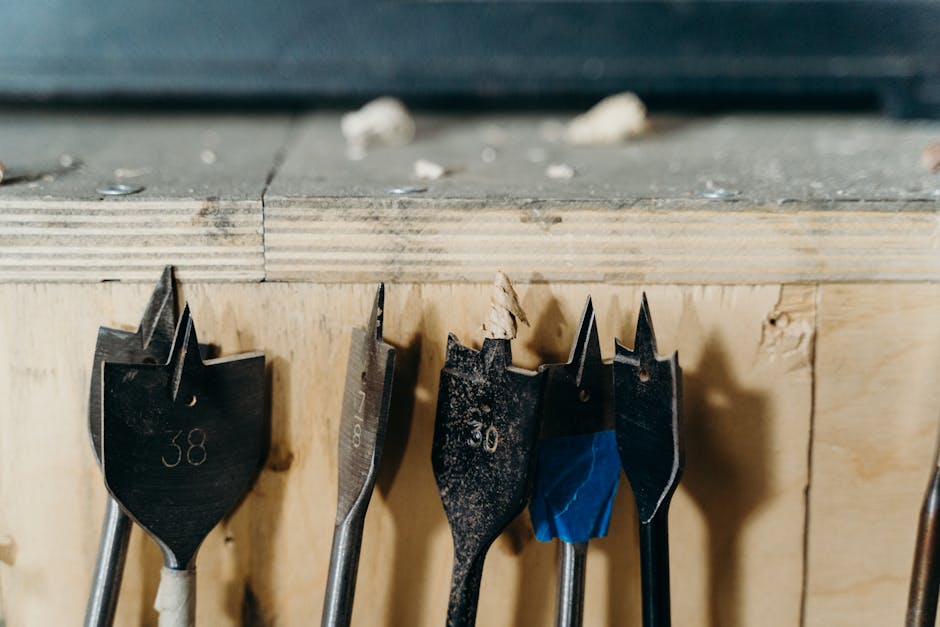
Blades and bits dull over time. Clean them to maintain sharpness. Use a wire brush to remove rust. Apply oil to prevent corrosion. Sharp tools work faster and safer. Proper care keeps them cutting smoothly.
Eco-friendly Cleaning Options
Cleaning hand and power tools can be daunting. Many products contain harmful chemicals. But eco-friendly options are available. These options are safer for you and the earth. They also work just as effectively. Switching to these methods can reduce your environmental impact. Let’s explore some natural cleaners and sustainable practices.
Natural Cleaners
Vinegar and baking soda are great natural cleaners. They can tackle grease and grime. Mix vinegar and water for a simple cleaning solution. This mix is gentle on tools but tough on dirt. Baking soda can scrub away stubborn spots. Lemon juice is another effective cleaner. It cuts through rust and leaves a fresh scent.
Essential oils can enhance your cleaning mix. They add fragrance and extra cleaning power. Tea tree oil has antibacterial properties. Lavender oil smells great and helps disinfect. Use these oils sparingly for best results.
Sustainable Practices
Use old cloths or rags to clean tools. This reduces waste and is cost-effective. Old toothbrushes work well for scrubbing small parts. They help reach those tight spaces.
Air drying tools prevents rust and is eco-friendly. Avoid using electric dryers. Store tools in a dry place to keep them in good condition. Regular maintenance reduces the need for harsh cleaning. It extends the life of your tools.
Recycle or properly dispose of any cleaning waste. This ensures it does not harm the environment. Choose biodegradable soaps if water is needed. These options protect water sources from contamination.
Common Mistakes To Avoid
Choosing the right cleaner for hand and power tools can prevent rust and damage. Avoid using water, as it can cause corrosion. Instead, use oil or specialized tool cleaners to maintain their condition.
Cleaning your hand and power tools is essential for maintaining their efficiency and longevity. However, it's easy to slip into habits that do more harm than good. Here are some common mistakes you should steer clear of to ensure your tools remain in top-notch condition.
Over-cleaning Risks
Too much cleaning can be as detrimental as not cleaning at all. Scrubbing your tools excessively can strip away essential protective coatings or finishes. Once, I decided to clean my trusty hammer every weekend, only to find the handle's varnish peeling off after a few months. Consider the frequency of your tool use when planning a cleaning schedule. If a tool isn't heavily used, a simple wipe-down might suffice. Have you ever scrubbed a tool so hard that it lost its shine? It's a clear sign that less can be more.
Improper Product Use
Using the wrong cleaning products can lead to unnecessary wear and tear. Many people assume any household cleaner will do the trick, but that's a risky gamble. I once tried using a kitchen degreaser on a power drill, thinking it would cut through the grime. Instead, it started corroding the metal. Stick to products specifically designed for tools, or opt for mild soap and water. Always read labels and follow manufacturer recommendations. Have you checked the ingredients of your cleaning solution lately? A quick look might save your tools from damage. Mistakes are a part of learning, but avoiding these common pitfalls can save you time, money, and frustration. Keep these tips in mind, and you'll enjoy a smoother, more efficient tool-cleaning routine.
Frequently Asked Questions
What Is The Best Cleaner For Hand Tools?
Mild soap and warm water are ideal for cleaning hand tools. For tougher grime, a mixture of vinegar and baking soda works well. Always dry tools thoroughly to prevent rust. Regular maintenance ensures longevity and optimal performance of your hand tools.
How Do You Clean Power Tools Safely?
Unplug power tools before cleaning. Use a soft brush or cloth to remove debris. Compressed air can clear dust from crevices. Avoid using water near electrical components. Ensure tools are completely dry before reassembling or storing them.
Can Vinegar Clean Rusty Tools Effectively?
Yes, vinegar is effective for rust removal. Soak the rusty tool in white vinegar for several hours. Scrub with a brush or steel wool to remove loosened rust. Rinse and dry thoroughly to prevent further rusting.
Is Wd-40 Suitable For Tool Cleaning?
WD-40 is excellent for cleaning and protecting tools. It removes grime and lubricates moving parts. Spray lightly, wipe off excess, and ensure proper ventilation during use. Regular application can prevent rust and corrosion on metal surfaces.
Conclusion
Keeping tools clean boosts their lifespan and efficiency. Use mild soap solutions for hand tools. For power tools, choose air compressors or specialized sprays. Regular maintenance prevents rust and grime build-up. Dry tools thoroughly to avoid moisture damage. Store them in a dry place.
Proper cleaning habits save money on replacements. A clean tool ensures better performance and safety. Remember, clean tools make tasks easier. Invest time in cleaning for long-term benefits. Try these tips and notice the difference. Your tools deserve the best care.
Happy cleaning!