Are you searching for the perfect tool to help you hand strip your dog? You’re not alone.
Many pet owners want their furry friends to look their best but often find themselves puzzled by the array of grooming tools available. Hand stripping can keep your dog’s coat healthy and vibrant, but knowing which tool to use can make all the difference.
Imagine how great it would feel to have a beautifully groomed dog, turning heads on every walk. This article will unravel the secrets behind hand stripping and guide you to the right tool that ensures your dog looks their absolute best. Dive in to discover the key to transforming your grooming routine and giving your dog the stunning coat they deserve.
Basics Of Hand Stripping
Hand stripping a dog requires the right tool, often a stripping knife or stripping stone. These tools help remove dead hair from wire-coated breeds, promoting a healthy coat. Proper technique ensures comfort for your dog and effective grooming.
Hand stripping is an essential grooming technique that can transform your dog's coat. It's not just a grooming task but an art, helping your dog maintain its natural texture and appearance. If you've ever wondered why some dogs have such beautiful coats, hand stripping might be the secret. Let's dive into the basics and discover how it benefits your furry friend.
What Is Hand Stripping?
Hand stripping involves removing the dead hair from your dog's coat by hand, rather than using clippers. This technique is often used for dogs with wiry coats like terriers and schnauzers. It helps maintain the coat's texture and keeps the hair healthy and vibrant. Unlike clipping, which cuts the hair, hand stripping pulls out the dead hair from the root. This allows new hair to grow in its place, keeping the coat looking fresh. If you're patient and don't mind getting your hands a little dirty, hand stripping can be a rewarding process.
Benefits For Your Dog
Hand stripping offers numerous benefits for your dog beyond just aesthetic appeal. It can improve your dog's skin health by removing dead hair and skin, allowing the skin to breathe. This process can also prevent matting, which can be uncomfortable for your pet. A well-stripped coat can enhance your dog's natural color and markings, making them stand out. Additionally, regular hand stripping can reduce shedding, keeping your home a little cleaner. Wouldn't it be great to have less dog hair on your furniture? Hand stripping can also be a bonding experience between you and your dog. Taking the time to groom them can strengthen your relationship and provide a calming routine for both of you. Have you tried hand stripping with your dog yet? It might just be the grooming technique you both love.
Choosing The Right Tools
Choosing the right tools for hand stripping your dog is crucial. It's not just about grabbing the first tool you see; it's about understanding what works best for your dog's coat and comfort. The right tools can make the process smoother and more effective, ensuring your dog looks and feels their best.
Types Of Stripping Tools
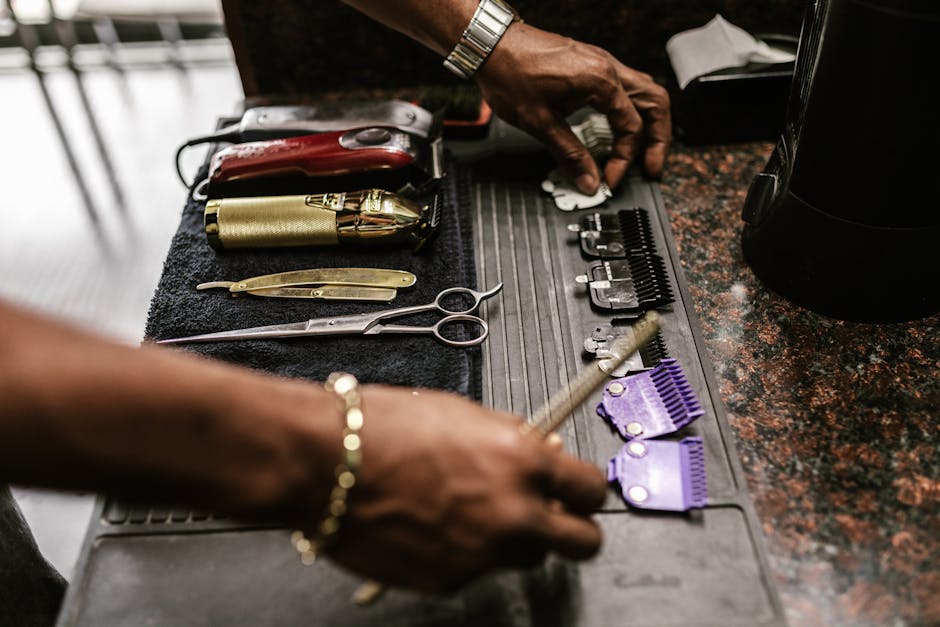
Hand stripping tools come in various forms, each serving a unique purpose. Some common types include stripping knives, stones, and finger cots. Stripping knives are designed to pull out dead hair from coarse coats, while stones can be used for finer detailing. Finger cots offer precision, allowing you to strip small areas with ease. Understanding these tools is the first step in making an informed choice.
Selecting The Best Tool For Your Dog
How do you choose the best tool for your dog? Consider your dog's coat type and thickness. A stripping knife might be perfect for a wire-haired terrier but less effective for a softer-coated spaniel. Think about your comfort and skill level. Are you new to hand stripping? A simple stripping stone might be your best friend as you start out. Also, consider your dog's comfort—some tools may be gentler on sensitive skin.
Ask yourself, what does your dog prefer? Some dogs react better to certain tools, and it’s essential to observe their reactions. You might find that your dog is more relaxed with a specific tool, making the process easier for both of you. Remember, the right tool can transform grooming from a chore to a bonding experience.
Have you ever tried different tools? Share your experiences and learn from others. You never know when a fellow dog owner might suggest a tool that becomes your go-to. The world of dog grooming is vast, and the right tool can make all the difference in your grooming routine.
Preparing Your Dog
Hand stripping tools keep your dog’s coat healthy and neat. Choose the right tool for your dog's fur type. A stripping knife or stone can remove dead hair without damaging the coat. Regular grooming keeps your dog looking its best.
Preparing your dog for hand stripping is a crucial step in ensuring a smooth and stress-free grooming session. Hand stripping involves removing dead hair from a dog's coat, which can be an intense process if not done correctly. By setting the stage properly, you not only make the experience more enjoyable for your pet but also enhance the results.
Assessing Coat Condition
Before you start, examine your dog's coat. Is it oily, dry, or tangled? Each condition requires a different approach. If your dog's coat is oily, consider a gentle bath a few days before hand stripping. This helps in loosening up the hair and makes it easier to strip. For dry coats, moisturizing sprays can help prepare the hair for removal. Notice any areas of matting or tangling? These should be addressed before you begin. Use a detangling spray and a slicker brush to gently work through knots. This prevents pulling on your dog's skin during the hand stripping process.
Creating A Calm Environment
Your dog's environment can greatly impact their behavior during grooming. Choose a quiet area where your dog feels safe and comfortable. Have you ever noticed your pet's demeanor change with soft music? Playing calming tunes can help relax your dog, making them more amenable to grooming. Consider using a non-slip mat to keep your dog steady and secure. Keep your tools within reach, but out of your dog's sight. Sudden movements can startle them, making the process more challenging. Instead, maintain a calm and steady presence, speaking softly to reassure your pet. Preparing your dog for hand stripping doesn't have to be a daunting task. By assessing coat condition and creating a calm environment, you set the stage for a successful grooming experience. Are you ready to make this a regular part of your dog's care routine?
Step-by-step Hand Stripping
Hand stripping your dog’s coat can feel like a daunting task, but with a step-by-step approach, it becomes manageable and rewarding. This technique is especially important for certain breeds to maintain their coat texture and color. Let's dive into the process of hand stripping your dog with precision and care.
Techniques For Effective Stripping
Start by identifying the areas that need stripping. Use your fingers to gently pull out dead hairs, beginning with small sections. Work with the grain of the hair, which ensures a more natural finish.
A stripping knife can be your best ally. Hold it at an angle and pull in the direction of hair growth. It’s vital to use a light hand to avoid irritation.
Consistency is key. Regular hand stripping sessions help maintain the coat’s health and appearance. Establish a routine that suits both you and your dog.
Common Mistakes To Avoid
Over-stripping is a common pitfall. Removing too much hair can damage the coat and irritate your dog’s skin. Always aim to remove only the dead hairs.
Neglecting your dog’s comfort is another mistake. Pay attention to signs of discomfort or pain. Taking breaks and rewarding your dog with treats can ease the process.
Using the wrong tools can hinder your progress. Ensure your tools are sharp and clean. Dull tools can pull at the hair, making the experience unpleasant for your dog.
Are you ready to embark on the journey of hand stripping? With practice, you’ll find it rewarding not just for your dog’s coat but also as a bonding experience with your pet.
Caring For The Coat After Stripping
Properly caring for a dog's coat after hand stripping involves gentle brushing with a slicker brush. This tool helps remove loose hairs and maintain the coat's texture. Regular brushing also keeps the skin healthy and prevents tangles.
Caring for your dog's coat after a hand stripping session is crucial for maintaining its health and appearance. After all the effort you put into stripping, it's essential to nurture the new coat and skin. A well-maintained coat not only looks good but also keeps your dog comfortable and healthy. Let's dive into the details of how to care for the coat after stripping and ensure your furry friend remains in top shape.
Post-stripping Maintenance
After you've hand stripped your dog's coat, you'll notice the skin and new hair need a little extra attention. Start by giving the coat a gentle brush to remove any loose hairs left behind. Use a soft-bristle brush to avoid irritating the skin. This not only helps in keeping the coat neat but also stimulates the skin, promoting healthier hair growth. Consider using a moisturizing conditioner or a leave-in spray designed for dogs. These products can hydrate the skin, reducing dryness and flakiness post-stripping. Observe how your dog reacts to the products. If you notice any signs of irritation, stop using the product immediately. Lastly, keep an eye on your dog’s skin for any redness or signs of infection. If you see anything unusual, consult your veterinarian for advice.
When To Schedule The Next Session
Timing is key when planning the next hand stripping session. Typically, a full hand stripping is needed every three to six months, but this can vary depending on your dog's breed and coat type. Ask yourself: Does your dog’s coat look overgrown or untidy? If yes, it might be time to plan the next session. Regularly check the coat’s texture. If it starts feeling soft and fluffy instead of rough and wiry, it’s another sign that stripping is due. Scheduling sessions too often can stress your dog's skin, while too infrequent sessions can lead to coat deterioration. Strike a balance that suits both your schedule and your dog’s needs. Have you noticed how some dogs always look perfectly groomed, while others don't? The secret often lies in consistent grooming routines. Keep a grooming calendar if it helps you stay on track. By caring for your dog’s coat diligently post-stripping and scheduling sessions wisely, you ensure not just a beautiful coat but also a happy, comfortable pup.
Common Challenges
Dog grooming with a hand stripping tool presents challenges. Selecting the right tool is crucial for effective grooming. Ensuring proper technique helps maintain the dog's coat health and appearance.
Dealing with the common challenges of hand stripping your dog can be quite the task. It’s not just about having the right tools; it's about understanding your dog's unique needs. Whether it's handling a nervous dog or dealing with those thick, unruly coats, each challenge requires patience and skill.
Handling A Nervous Dog
Stripping can be stressful for some dogs, especially if it's their first time. If your dog is nervous, take a moment to assess their comfort level. Try to make the experience as positive as possible. Begin by creating a calm environment. Play soft music or offer treats as a distraction. Spend a few minutes petting your dog before you start. This can help them relax and feel secure. If your dog seems anxious, consider taking breaks. Short, frequent sessions might be more effective than trying to do it all at once. Have you noticed how your dog reacts to different parts of the process? Pay attention to their body language and adjust accordingly.
Dealing With Thick Coats
Thick coats can be quite a challenge when hand stripping. It's crucial to use the right tool for your dog's coat type. Start by brushing the coat to remove any tangles. This makes the stripping process smoother and less painful for your dog. A good stripping knife can make all the difference. Choose one that's designed for thicker coats to ensure you're not pulling too hard. Do you find yourself pulling more than stripping? This could indicate that the blade is dull or the technique needs adjusting. Consider consulting a professional groomer if you're struggling. They can offer tips or demonstrate the best practices for your dog's specific coat type. Dealing with thick coats requires patience and practice. Over time, you'll develop a technique that works best for you and your furry friend.
Professional Grooming Vs. Diy
Choosing between professional grooming and DIY for hand stripping dogs can be challenging. Both options have distinct benefits and drawbacks. Understanding these can help make an informed decision. Whether seeking expertise or taking a hands-on approach, it's crucial to consider what's best for your pet.
Pros And Cons Of Each Approach
Professional grooming offers expertise and precision. Groomers have specialized tools and experience. This can ensure a thorough and safe grooming session. It saves time and effort for pet owners too. Yet, it can be costly and frequent visits might be needed.
DIY grooming, in contrast, is budget-friendly. It allows for bonding with your pet. You can groom at your own pace. However, it demands learning the right techniques. Mistakes could lead to discomfort or injury for the dog.
When To Seek Professional Help
Professional help is advisable for beginners. Also, for dogs with sensitive skin. Complex coats may need expert hands. If your pet shows signs of stress, consider a groomer. Professionals can handle anxious or aggressive dogs better. Regular grooming by experts might be necessary for specific breeds.
Frequently Asked Questions
What Is Hand Stripping For Dogs?
Hand stripping is a grooming technique for wire-haired dogs. It involves removing dead hair by hand instead of cutting. This maintains the coat's texture and promotes healthy regrowth. Regular hand stripping can prevent matting and skin issues, keeping your dog comfortable and looking its best.
Why Is Hand Stripping Important?
Hand stripping preserves the natural texture of a dog's coat. It prevents matting and skin problems by removing dead hair. This grooming method also encourages new hair growth. It is crucial for maintaining the breed-standard appearance and ensuring your dog's skin remains healthy.
Which Dogs Require Hand Stripping?
Wire-haired breeds like Terriers and Schnauzers often need hand stripping. These breeds have coats that need regular maintenance. Hand stripping helps maintain their natural texture and appearance. It is essential for keeping their coats healthy and preventing skin issues.
How Often Should I Hand Strip My Dog?
Most dogs benefit from hand stripping every 4 to 6 weeks. Regular grooming keeps their coats healthy and manageable. It prevents matting and supports natural hair growth. Consult a professional groomer for personalized advice based on your dog's breed and coat condition.
Conclusion
Choosing the right tool for hand stripping your dog is crucial. It keeps your dog's coat healthy and clean. Remember to select a tool that feels comfortable in your hand. This ensures a smooth and easy grooming session. Regular hand stripping benefits your dog's skin and fur.
It also helps in reducing shedding around your home. Make sure to follow the instructions for each tool carefully. This will help you achieve the best results. Happy grooming and enjoy the time spent with your furry friend!