Are you curious about how beautiful engravings on metal are crafted by hand? Imagine the satisfaction of creating intricate designs on metal surfaces with just the right tools.
If you’ve ever wondered what tool is used to engrave metal by hand, you're in the right place. This article will uncover the secrets behind the art of hand engraving, revealing the essential tool that artists and craftsmen rely on.
As you read on, you’ll discover not only the name of this tool but also why it’s indispensable for achieving those stunning, personalized designs that captivate everyone. Let’s dive into the world of hand engraving and explore how you can transform plain metal into a masterpiece.
Traditional Hand Engraving Techniques
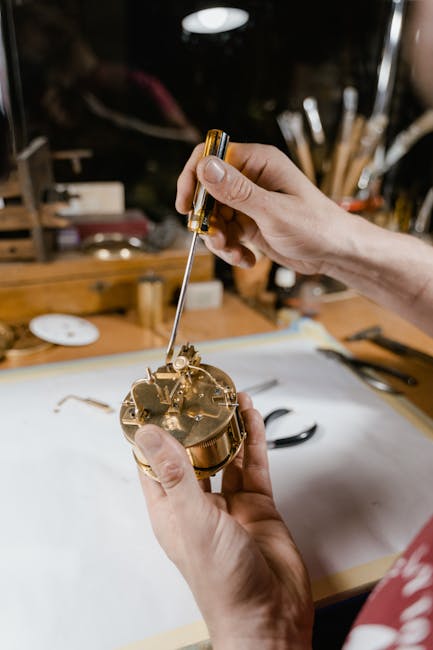
Metal engraving by hand uses a graver, a small tool with a sharp, angled tip. Artists push the graver across the metal surface to create intricate designs. This traditional technique requires skill and patience, resulting in unique and personalized metalwork.
Engraving metal by hand is an art form that has been cherished for centuries. Traditional hand engraving techniques offer a unique and personal touch, creating intricate designs that tell a story. Whether you're a seasoned engraver or just starting, these techniques provide a fascinating glimpse into the world of metalwork. Are you ready to discover the magic of metal engraving?
Chasing And Repoussé
Chasing and repoussé are two techniques that often go hand in hand. In chasing, you work on the front side of the metal, using tools to create detailed lines and textures. Repoussé, on the other hand, involves pushing the metal from the back to create a raised design. These methods require patience and a steady hand. One small slip can alter the entire design. But don't let that deter you! The satisfaction of creating a perfect piece is unparalleled. You can start with simple patterns and gradually move to more complex designs.
Hammer And Chisel Method
The hammer and chisel method is perhaps the most traditional form of engraving. Using a small chisel and a light hammer, you can carve intricate designs into the metal surface. The key is control. A gentle tap can make a world of difference in your design's depth and detail. Have you ever thought about the rhythm of the hammer hitting the chisel? It's almost musical. Each tap is like a note, contributing to the symphony of your craft. Beginners might find this method challenging, but with practice, it becomes second nature. Start with softer metals like copper before moving on to harder ones like steel. Engraving metal by hand is more than just a technique; it's a journey. Each piece you create is a reflection of your skill and creativity. Are you ready to embark on this artistic adventure?
Essential Engraving Tools
Engraving metal by hand is a fascinating art that requires precision and patience. Whether you're personalizing a gift or crafting intricate designs, the right tools make all the difference. Let’s delve into the essential tools that will help you master the craft of hand engraving. These tools have been trusted by artisans for generations, and knowing how to use them can transform your engraving skills.
Gravers And Burins
Gravers and burins are the backbone of hand engraving. They are sharp tools used to carve into metal surfaces. Gravers come in various shapes, each suited for different tasks, like cutting straight lines or creating curves. If you've ever tried engraving with a dull tool, you know the frustration. A sharp gravers slice through metal like butter, providing control and precision.
Burins, on the other hand, offer versatility. With their chisel-like shape, they can tackle more detailed and delicate designs. Imagine creating a lifelike image on a metal plate; burins make this possible. They allow for deeper cuts and broader strokes, perfect for larger designs.
Push Gravers
Push gravers are a favorite among hand engravers for their ergonomic design. Unlike traditional gravers, you push these tools forward, reducing hand fatigue. This is especially important if you’re working on a lengthy project. The comfort they provide means you can focus on your artistry without discomfort.
Push gravers are excellent for beginners. They offer greater control and are less intimidating than hammer and chisel methods. Imagine the satisfaction of completing a design effortlessly. These tools enable you to concentrate on your creativity, not on managing your tools.
Have you ever felt frustrated by uneven lines? Push gravers help minimize this issue by providing a consistent force. They are ideal for precise, clean cuts that can elevate your work. Consider using a push graver on your next project to experience the difference.
Engraving is not just about tools; it's about choosing the right ones for your style and comfort. What tool do you think could transform your engraving experience?
Choosing The Right Metal
Choosing the right metal for hand engraving is crucial. The metal's properties impact the engraving's quality. Different metals offer varied resistance levels. This affects the ease of engraving and the final look. Understanding the metal type helps in selecting the right tools. This ensures the engraving process is smooth and efficient. Let's explore how different metals affect hand engraving.
Soft Metals Vs Hard Metals
Soft metals like copper and brass are easier to engrave. They require less force and allow for detailed designs. Hand tools easily penetrate these metals, making them ideal for beginners. On the other hand, hard metals like steel need more strength. These metals wear down tools faster. They demand specialized tools and more skill. Understanding the metal's hardness helps in choosing the right engraving technique.
Alloy Considerations
Alloys combine two or more metals. This alters the metal's properties. Some alloys are softer and easy to engrave. Others are harder and more challenging. Brass, an alloy of copper and zinc, engraves well. Stainless steel, an iron alloy, is tougher. Knowing the alloy composition helps in tool selection. It also affects the engraving's durability and finish. Always check the metal type before starting your project.
Design Transfer Methods
Hand engraving on metal often uses a simple yet effective tool known as the burin. This sharp, metal tool allows artisans to carve intricate designs with precision. Its design ensures detailed and controlled cuts, making it a favorite for detailed metalwork projects.
Transferring your design onto metal before engraving is a crucial step that sets the stage for your artistic expression. It's the bridge between imagination and creation. Whether you're a beginner or a seasoned artisan, choosing the right design transfer method can make or break your project. Let's dive into some practical techniques to ensure precision and creativity in your metal engraving journey.
Tracing And Stenciling
Tracing and stenciling are popular methods for those who prefer a structured approach. They allow you to replicate intricate designs with ease. To start, print your design on a piece of tracing paper. Secure it onto your metal surface with masking tape. Use a stylus or a sharp pencil to trace over the lines, pressing firmly so the design transfers onto the metal. Stenciling is another straightforward method. Cut out your design from a stencil sheet and place it over the metal. Use a fine-tipped marker to outline the stencil on the metal surface. This technique is especially useful for repetitive patterns or symmetrical designs. Both methods ensure your design remains consistent, reducing room for error. Have you ever tried freehand drawing, only to wish you'd used a stencil instead?
Freehand Drawing
Freehand drawing is the go-to for those who enjoy more creative freedom. This method allows you to express your personal style and add unique touches. Begin by using a fine-tip marker or pencil to sketch directly onto the metal surface. It's helpful to have a reference image nearby to guide your proportions and details. Don't worry about small mistakes; they often add character and can be refined during the engraving process. Years ago, I hesitated to try freehand drawing on metal. But when I finally did, the results were liberating. It taught me that imperfections can be beautiful. With practice, your confidence will grow, and your designs will become more intricate. What's holding you back from trying freehand drawing on your next project? Each method offers its own advantages, and the choice often depends on your personal comfort and the complexity of your design. Remember, the key is to enjoy the process and let your creativity flow onto the metal canvas.
Safety Measures In Metal Engraving
Metal engraving by hand often uses a graver or burin. These tools require precise handling. Wearing protective gloves and goggles is crucial to prevent injuries. Ensuring a stable work surface can also enhance safety during the engraving process.
Engraving metal by hand is an art that combines skill and precision. However, it also demands a strong focus on safety. Without the right precautions, you could risk injury or damage to your work. This section will guide you through essential safety measures you should take when engaging in metal engraving.
Protective Gear
Wearing appropriate protective gear is crucial. You should have safety goggles to shield your eyes from metal shavings. A face mask can help prevent inhalation of fine particles. Don't overlook gloves. They protect your hands from accidental cuts and burns. The right gear not only safeguards you but also enhances your confidence while working. Have you ever thought about how a simple pair of gloves could save you from a trip to the ER? It's worth investing in quality protective gear.
Tool Maintenance
Proper tool maintenance ensures both your safety and the longevity of your tools. Dull tools are dangerous. They can slip and cause injury. Regularly sharpen your engraving tools. Check them for any signs of wear or damage. A small crack in a tool can lead to big problems. You should also keep your tools clean. Remove any metal dust and debris after each use. This practice not only keeps your tools in top condition but also makes your work more precise. When was the last time you checked your tools? You might be surprised by what you find. Safety in metal engraving is not just a precaution; it's a practice that enhances your craftsmanship. By focusing on protective gear and tool maintenance, you can enjoy the art of engraving with peace of mind.
Advanced Engraving Techniques
Advanced engraving techniques elevate metalwork into true artistry. These methods enhance the depth and texture of designs. Each technique offers unique possibilities for metal engravers seeking to refine their craft. Let's explore these techniques in detail.
Deep Relief Engraving
Deep relief engraving creates striking visual effects. It involves carving deeper grooves into the metal surface. This technique gives designs a three-dimensional appearance. Artists use specialized tools for precision. Common tools include gravers and chisels. These tools help achieve varying depths. The result is a dynamic interplay of light and shadow.
Deep relief engraving requires patience and skill. Each stroke must be carefully planned. Mistakes can be costly. But when done correctly, the final piece is breathtaking. The depth adds richness to the design. It's a favorite among seasoned engravers.
Texturing And Patterning
Texturing adds unique surface qualities to metal. Engravers use various techniques to create texture. Hammering or etching can produce interesting patterns. Each method offers different results. Texturing enhances the tactile experience of the piece.
Patterning involves creating recurring designs on metal. It can be geometric or organic. Patterns can be simple or complex. They add visual interest and depth. Skilled engravers blend patterns seamlessly. This technique requires creativity and precision.
Texturing and patterning allow for endless possibilities. They transform plain metal into captivating art. Engravers experiment with different textures. This keeps their work fresh and exciting.
Tips For Beginners
Engraving metal by hand is a rewarding skill. It requires patience and practice. Beginners should start with simple designs. This builds confidence and skill. Choosing the right tools is important. A good engraving tool makes a difference. It ensures precision and ease.
Start with softer metals. Brass and copper are great for beginners. These metals are easier to work with. They require less force and effort. With time, move to harder metals.
Practice Exercises
Start with basic shapes. Circles and lines are excellent choices. Practice on scrap metal. This saves valuable materials. Use a pencil to sketch designs first. This guides your engraving tool. Follow the lines carefully. Repeat these exercises regularly. Improvement comes with consistency.
Common Mistakes To Avoid
Beginners often apply too much pressure. This can damage the tool and metal. Light pressure is key. It allows for better control. Rushing the process is another mistake. Take your time. Each stroke should be deliberate.
Skipping safety measures is risky. Always wear safety goggles. Metal shavings can harm your eyes. Secure the metal piece firmly. This prevents slipping and errors. Keep your work area organized. Clutter can lead to accidents.
Frequently Asked Questions
What Is The Best Tool For Hand Engraving Metal?
The best tool for hand engraving metal is a graver. It offers precision and control. Gravers come in various shapes and sizes. Choose the right one based on your project needs.
How Does A Hand Graver Work?
A hand graver cuts into metal surfaces with sharp, angled tips. It requires skill and practice to use effectively. The pressure applied influences the depth and style of the engraving.
Are There Different Types Of Hand Gravers?
Yes, there are various types of hand gravers. Common types include square, flat, and round gravers. Each type serves a specific purpose in metal engraving.
What Materials Can Be Engraved By Hand?
Hand engraving can be done on various metals like gold, silver, and copper. Steel is also engravable with the right tools. Each metal requires specific techniques and tools for best results.
Conclusion
Hand engraving metal is a timeless art. Using the right tools matters. Chisels, gravers, and burins are essential. Each tool serves a unique purpose. Practice makes perfect. Start simple, then advance to complex designs. Patience and precision go hand in hand.
Engraving offers a personal touch to metalwork. It's both rewarding and fulfilling. Explore different tools and techniques. Discover what works best for you. Engraving tells a story on metal surfaces. Create your own unique masterpieces. Enjoy the journey of hand engraving.
Your creativity is the only limit. Keep experimenting and learning. Happy engraving!