Have you ever wondered what goes into building the structures you see every day? Behind every skyscraper, bridge, and house is a fascinating world of tools that make construction possible.
Whether you're a budding DIY enthusiast or someone who's simply curious, understanding the essential tools used in construction can be surprisingly intriguing. Imagine having the insider knowledge to recognize each tool's role and purpose. You'll gain a deeper appreciation for the skill and precision required in construction projects.
So, get ready to uncover the secrets of these powerful instruments that shape our world. Dive into the details with us, and you'll soon see construction in a whole new light!
Heavy Machinery
Construction relies on various tools like bulldozers, cranes, and excavators. These machines lift, dig, and move materials. Each tool plays a vital role in building structures safely and efficiently.
In the vast world of construction, heavy machinery stands as the backbone of any large-scale project. These powerful machines not only accelerate the building process but also ensure precision and safety. Whether you're building skyscrapers or paving new roads, heavy machinery is essential. Imagine standing on a construction site, hearing the hum of engines and watching these giants of industry at work. It's a symphony of progress. Have you ever wondered what tools make this possible? Let's dive into the fascinating world of heavy machinery.
Excavators
Excavators are one of the most versatile tools in construction. They are equipped with a powerful arm and a bucket, ideal for digging trenches, foundations, or even lifting heavy materials. Picture this: you're tasked with digging a massive hole for a swimming pool. Instead of hours with a shovel, an excavator does it in minutes. These machines are a game-changer, making what seemed impossible, possible.
Bulldozers
Bulldozers are all about muscle and strength. They are used for pushing large quantities of soil, sand, or debris. Imagine you're clearing a large plot of land for a new project. A bulldozer can swiftly level the ground, removing obstacles in its path. Its robust blade makes it the perfect tool for shaping the landscape to your design.
Cranes
Cranes are the giants of the construction world, reaching heights that most machinery can't. They are essential for lifting heavy loads to great heights, like steel beams for skyscrapers. Think about a time you watched a crane in action. It's fascinating to see it effortlessly lift something that would be impossible by human strength alone. Cranes are not just about lifting; they are about precision and safety.
Backhoes
Backhoes are like the Swiss Army knives of construction machinery. They have a digging bucket on one end and a loader on the other. You could be digging a trench in the morning and moving material in the afternoon, all with the same machine. Have you ever been on a site with limited space? A backhoe can maneuver easily, making it ideal for projects in tight quarters. Heavy machinery is not just about brute force; it's about efficiency and getting the job done right. Each piece of machinery serves a specific purpose, making construction sites a hub of activity and innovation. What heavy machinery do you find most fascinating, and why? Share your thoughts and experiences!
Power Tools
Power tools are essential in construction. They speed up work and ensure precision. These tools are versatile and durable. Each serves a unique purpose. Let's explore some common power tools in construction.
Drills
Drills create holes in various materials. They are efficient and easy to handle. Cordless drills offer flexibility on site. They come with different bits for specific tasks. Impact drills are perfect for tough surfaces.
Saws
Saws cut wood, metal, or plastic. Circular saws deliver quick and accurate cuts. Reciprocating saws handle demolition tasks. Miter saws make precise angled cuts. A good saw ensures clean edges and reduces waste.
Grinders
Grinders smooth surfaces or cut through metal. Angle grinders are popular for their versatility. They polish, grind, and cut with ease. Bench grinders sharpen tools and blades. A grinder's speed and power save time.
Sanders
Sanders finish surfaces by removing rough edges. Orbital sanders provide smooth finishes. Belt sanders are ideal for large surfaces. Detail sanders reach tight corners effortlessly. Sanding prepares surfaces for painting or varnishing.
Hand Tools
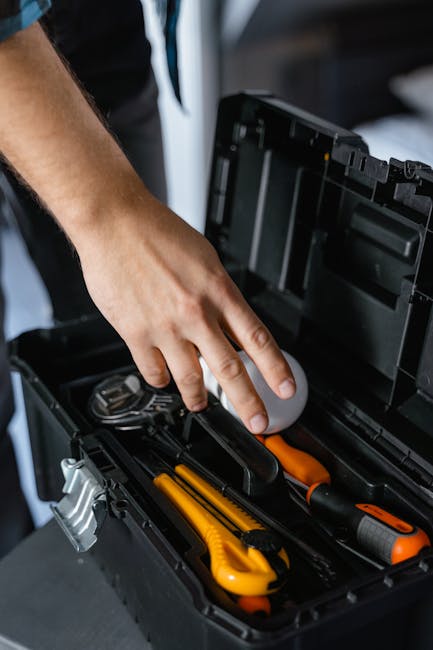
Hand tools are the backbone of any construction project. They are essential for tasks that require precision and manual effort. These tools are easy to use and handle. They do not require a power source. Hand tools are indispensable in construction.
Hammers
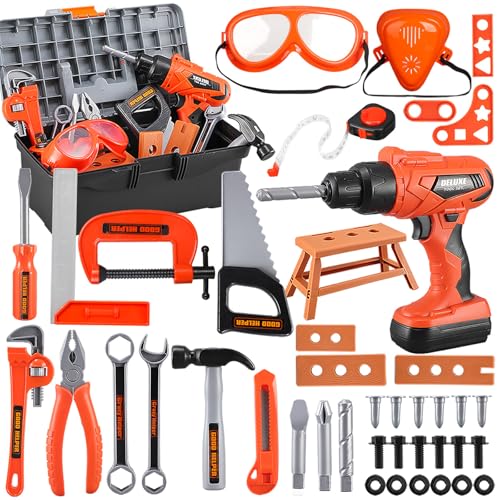
Hammers are among the most basic tools. Builders use them to drive nails into wood or other materials. They are also used to remove nails or break objects. Different types of hammers serve different purposes. Claw hammers are common for everyday tasks. Sledgehammers are used for heavy-duty work. The handle provides leverage and control. This makes the hammer effective in driving or removing nails.
Screwdrivers
Screwdrivers are crucial for fastening screws. They come in various sizes and shapes. Each is designed for specific screw types. The most common are flat-head and Phillips screwdrivers. They are used for assembling furniture or fixing appliances. Electricians and carpenters rely on them heavily. The tool's simple design ensures ease of use.
Wrenches
Wrenches are vital for tightening or loosening nuts and bolts. They come in adjustable and fixed sizes. The adjustable wrench adapts to various nut sizes. Fixed wrenches fit a specific size. They provide a strong grip and leverage. This makes the task efficient. Wrenches are often used in plumbing and mechanical work.
Pliers
Pliers are versatile hand tools. They are used for gripping, twisting, and cutting. The jaws of the pliers are strong and durable. They can handle different materials. Needle-nose pliers are ideal for precision work. Lineman's pliers are used for electrical tasks. Their design allows them to cut wires and hold objects firmly.
Surveying Equipment
Surveying equipment plays a vital role in construction projects. It helps measure land accurately before building begins. This ensures structures are safe and properly aligned. Different tools are used for various tasks in surveying.
Theodolites
Theodolites are precise instruments used to measure angles. They are crucial for mapping out construction sites. These tools help surveyors understand the land's layout. Theodolites are often used with other equipment for detailed analysis.
Laser Levels
Laser levels project a beam to establish a level line. They ensure structures are built straight and even. These tools are easy to use and highly accurate. Builders trust them for tasks requiring precise leveling.
Gps Systems
GPS systems provide location data for surveying projects. They are essential for large-scale construction work. These systems help in tracking positions with high precision. GPS ensures buildings align correctly with design plans.
Total Stations
Total stations combine the functions of theodolites and electronic distance measurement. They provide comprehensive data for surveying tasks. These tools are used for mapping and recording site details. Total stations enhance accuracy in complex projects.
Safety Gear
Construction sites demand specific tools and safety gear for protection. Hard hats, gloves, and goggles shield workers from hazards. Steel-toed boots and ear protection are essential for safety, ensuring a secure environment amidst heavy machinery and equipment.
Safety is a paramount concern on construction sites. Ensuring that workers are protected from potential hazards is crucial. Safety gear is not just an added layer of protection; it is a fundamental part of the construction process. From personal experience, I've seen how investing in quality safety gear can prevent accidents and save lives. Would you trust your safety to anything less than the best?
Helmets
Helmets are the first line of defense against head injuries. They protect against falling objects, collisions, and even electrical shocks. A simple helmet can mean the difference between a minor bump and a life-threatening injury. Helmets are designed for comfort and durability. They often come with adjustable straps and interior padding. Next time you're on a construction site, take a moment to appreciate this simple yet crucial piece of gear.
Gloves
Your hands are your tools, and gloves are their armor. They shield against cuts, abrasions, and chemical exposures. Different tasks require different types of gloves. For example, welding gloves are heat-resistant, while those working with concrete might need waterproof gloves. The right pair of gloves can improve your grip and prevent accidents. Imagine trying to handle sharp metal without them. Always choose gloves that suit the task at hand.
Harnesses
Working at heights demands extra caution. Harnesses are essential for preventing falls. They distribute force across the body, minimizing injury risk. I've known colleagues who owe their lives to a well-fitted harness. It's vital to regularly inspect harnesses for wear and tear. A small fray can compromise safety. Are you ensuring your harness is in top condition?
Safety Glasses
Your eyes are irreplaceable, making safety glasses indispensable. They protect against debris, dust, and chemical splashes. On a windy day, glasses can prevent particles from causing eye irritation. There are different styles for various needs, from wrap-around designs to those with UV protection. Have you considered which type best suits your work environment? Safety gear is not just about compliance. It's about making sure everyone goes home safe each day. Investing in the right equipment is investing in your well-being. Are you prioritizing your safety on the job site?
Material Handling Equipment
Construction sites rely on various tools for efficient material handling. Equipment like forklifts, cranes, and conveyors are essential. These tools help move heavy loads safely, speeding up construction tasks and ensuring worker safety.
Material handling equipment is vital in construction sites. It aids in moving heavy materials safely and efficiently. These tools reduce the need for manual lifting. This ensures safety and speeds up the construction process. Understanding the tools can help improve site productivity.
Forklifts
Forklifts are essential for lifting and transporting heavy loads. They have two forks in front. These forks slide under pallets to lift them. Forklifts are powered by engines or electricity. They are versatile and can work indoors and outdoors. Operators must be trained to use them safely.
Conveyors
Conveyors move materials over short distances. They consist of a belt or rollers. Materials are placed on the belt. The belt then moves the items to another location. Conveyors are ideal for moving bulk materials like gravel and sand. They reduce manual labor and increase efficiency.
Hoists
Hoists are used to lift heavy items vertically. They use a chain or rope to lift loads. Hoists can be manual or powered. They are often used for lifting steel beams or machinery. Hoists provide precise control over lifting operations.
Pallet Jacks
Pallet jacks are tools for moving pallets over short distances. They have two forks and a handle. The forks slide under the pallet. The handle is pumped to lift the pallet slightly off the ground. Pallet jacks are easy to use and require no power. They are perfect for moving items in tight spaces.
Concrete Equipment
When you think about construction sites, concrete equipment is often at the heart of the operation. It's the backbone of many projects, transforming raw materials into sturdy structures. Whether you're building a skyscraper or a simple sidewalk, the right concrete equipment can make all the difference in efficiency and quality.
Mixers
Mixers are the starting point of any concrete-related task. They combine cement, sand, gravel, and water into a smooth blend. Picture this: you're on a site, and the mixer is churning out perfect batches, saving you time and effort. The key is choosing the right size and type for your needs. Portable mixers are ideal for smaller jobs, while truck-mounted mixers can handle larger projects.
Vibrators
Vibrators play a crucial role in ensuring concrete sets without air pockets. These handy tools shake the mix, eliminating voids and enhancing strength. Imagine pouring concrete, only to find unsightly holes later. Vibrators prevent this by ensuring uniform density. Investing in quality vibrators is a smart move to avoid costly repairs.
Trowels
Trowels are your go-to for finishing concrete surfaces. They smooth and level freshly poured concrete, leaving a polished finish. Ever tried using a trowel and realized its importance in creating a flawless floor? It's like magic, transforming rough patches into sleek surfaces. Choose from manual or power trowels based on the project's scale.
Pumps
Pumps are essential for transporting concrete to hard-to-reach areas. They make your life easier, especially when dealing with high-rise buildings or complex structures. Have you ever struggled with carrying buckets of concrete? Pumps eliminate this hassle, delivering concrete efficiently. Consider pump capacity and pressure to match your project's demands.
Concrete equipment can make or break a construction project. Are you equipped with the right tools to ensure your structures stand the test of time? Dive into the world of mixers, vibrators, trowels, and pumps, and see how they can elevate your construction game.
Plumbing Tools
Plumbing tools are essential in any construction project. They ensure efficient water flow and proper drainage. Every plumber needs a set of reliable tools to handle various tasks. From cutting pipes to fixing leaks, each tool serves a unique purpose. Understanding these tools can help in maintaining a functional plumbing system.
Pipe Cutters
Pipe cutters are crucial for cutting pipes to the desired length. They provide clean cuts without leaving rough edges. There are different types of pipe cutters available, such as rotary and ratchet. Each type suits different materials, including copper and PVC. Choosing the right cutter ensures precision and ease.
Wrenches
Wrenches are versatile tools used for gripping and turning pipes. They come in various sizes and types, like adjustable and pipe wrenches. Adjustable wrenches can fit different sizes of nuts and bolts. Pipe wrenches have serrated jaws, perfect for gripping round objects. A good wrench set is indispensable for any plumber.
Plungers
Plungers are essential for clearing blockages in sinks and toilets. They create suction to remove clogs effectively. Cup plungers work well on sinks, while flange plungers are ideal for toilets. Having the right plunger can save time and prevent damage. It's a simple yet powerful tool for plumbing tasks.
Threading Tools
Threading tools are used to create threads on pipes. This allows pipes to connect securely with fittings. Die sets and taps are common threading tools. They ensure a tight fit, preventing leaks in the system. Proper threading tools are essential for maintaining a leak-free plumbing setup.
Frequently Asked Questions
What Are Common Construction Tools?
Common construction tools include hammers, drills, saws, and wrenches. These tools are essential for various tasks on a construction site. They help in building, assembling, and demolishing structures efficiently. Safety gear, like helmets and gloves, is also crucial for worker protection.
How Are Power Tools Used In Construction?
Power tools, like electric drills and saws, enhance efficiency and precision. They are used for cutting, drilling, and fastening materials. Power tools reduce manual labor and increase productivity on construction sites. Proper handling and safety measures are vital to prevent accidents.
What Role Do Measuring Tools Play?
Measuring tools, like tape measures and levels, ensure accuracy in construction projects. They help in determining dimensions and alignments. Accurate measurements are crucial for structural integrity and design precision. Using measuring tools reduces errors and ensures quality work.
Why Is Safety Equipment Essential?
Safety equipment protects workers from potential hazards on construction sites. Helmets, gloves, and goggles prevent injuries and accidents. Ensuring proper safety gear compliance is crucial for worker safety. Safety equipment minimizes risks and promotes a safe working environment.
Conclusion
Construction requires diverse tools for various tasks. Each tool serves a purpose. Hammers, drills, and saws help build and shape structures. Measuring tools ensure accuracy. Safety gear protects workers. These tools transform raw materials into buildings. Understanding their use enhances productivity and safety.
Builders rely on tool innovation and technology. Proper tool use boosts efficiency and quality. Choosing the right tools matters. Always prioritize safety and effectiveness. Stay informed about new tools. Construction evolves with technology and skill. Embrace learning and adaptation. Tools make building possible.
They are essential for construction success.