Imagine standing at the edge of a bustling construction site. The hum of machinery fills the air, and the sight of towering cranes inspires awe.
If you're involved in construction, whether as a seasoned professional or a curious newbie, you know that having the right tools is crucial for success. But do you have everything you need to excel on the job? In this blog post, we're diving deep into the essential tools that every construction worker should have in their arsenal.
We'll help you discover what you might be missing, and why these tools are indispensable. Picture yourself working more efficiently and safely, achieving better results with less hassle. These tools could be the key to unlocking your full potential in the construction world. Are you ready to explore the must-have items that will transform your work? Let’s get started and ensure you're equipped with the tools that make all the difference.
Safety Gear
Construction workers rely on safety gear like helmets, gloves, and boots to protect themselves. These tools prevent injuries and ensure a safe working environment. Proper equipment is crucial for every worker on a construction site.
Safety is a non-negotiable aspect of construction work. Every day on the job site presents potential hazards, making it crucial for workers to equip themselves with the right safety gear. From preventing head injuries to protecting your hearing, let's dive into the essential safety gear every construction worker should have.
Helmets
Helmets are your first line of defense against head injuries. A quality helmet can protect you from falling objects and bumps, which are common on construction sites. Have you ever had a close call where your helmet saved you from a nasty injury? It's moments like these that remind us of the importance of wearing one. Ensure your helmet fits snugly and has a chin strap to keep it in place. Regularly inspect it for cracks or damage, as these can compromise its protective capabilities. Remember, a well-maintained helmet is your trusty companion on site.
Safety Glasses
Your eyes are precious, and protecting them should be a priority. Construction sites are filled with dust, debris, and flying particles. Safety glasses shield your eyes from these hazards, preventing potential injuries. Have you ever experienced the sting of dust in your eyes? It's not only painful but can also lead to more serious damage. Choose safety glasses that fit well and offer clear visibility. Consider anti-fog and scratch-resistant options for added comfort and durability.
Ear Protection
Construction sites are noisy environments, often exceeding safe sound levels. Prolonged exposure to loud noises can damage your hearing permanently. Ear protection like earmuffs or earplugs can help reduce noise exposure. Have you thought about how many years of hearing you could save by using ear protection? It's a small step that makes a big difference. Choose ear protection that is comfortable, fits well, and offers the right level of noise reduction for your work environment. Safety gear is not just about compliance; it's about safeguarding your well-being. Each piece of equipment plays a vital role in keeping you safe. Are you taking every possible measure to protect yourself on the job?
Work Clothing
Construction sites are bustling with activity. Workers need the right clothing. Proper gear ensures safety and comfort. Work clothing is vital for protection. It shields workers from various hazards. It improves visibility and prevents injuries.
Every piece of clothing serves a purpose. From head to toe, each item plays a role. The right clothing enhances productivity. It allows workers to focus on their tasks. Let's explore essential work clothing items.
High-visibility Vests
High-visibility vests are crucial for safety. They make workers easy to spot. Bright colors stand out on site. Reflective strips enhance visibility in low light. These vests prevent accidents and mishaps.
Construction sites are often crowded. Visibility can be challenging. High-visibility vests solve this problem. They ensure workers are seen clearly. Wearing them is a simple safety measure.
Steel-toed Boots
Steel-toed boots protect feet from heavy objects. Construction sites are full of hazards. Sharp tools and heavy equipment are common. Steel-toed boots provide essential foot protection.
They prevent injuries from falling objects. Durable and sturdy, they support the feet. Comfortable boots improve work performance. Workers can move confidently and safely.
Gloves
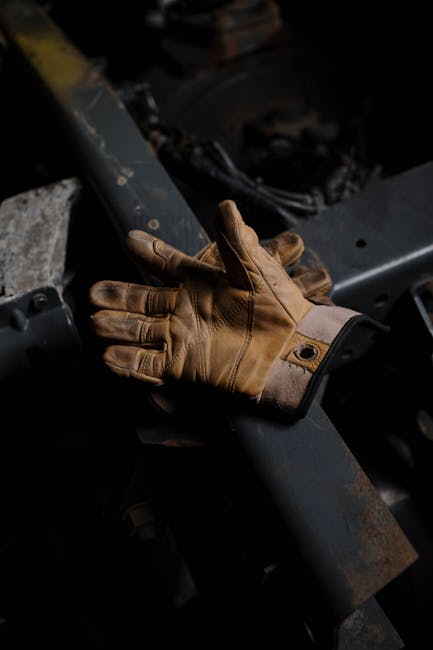
Gloves safeguard hands from injuries. They protect against cuts and abrasions. Different tasks require specific gloves. Some offer grip and dexterity. Others provide insulation from cold.
Quality gloves enhance safety and efficiency. They allow workers to handle tools securely. Proper gloves are essential on any site. Choosing the right pair is important.
Hand Tools
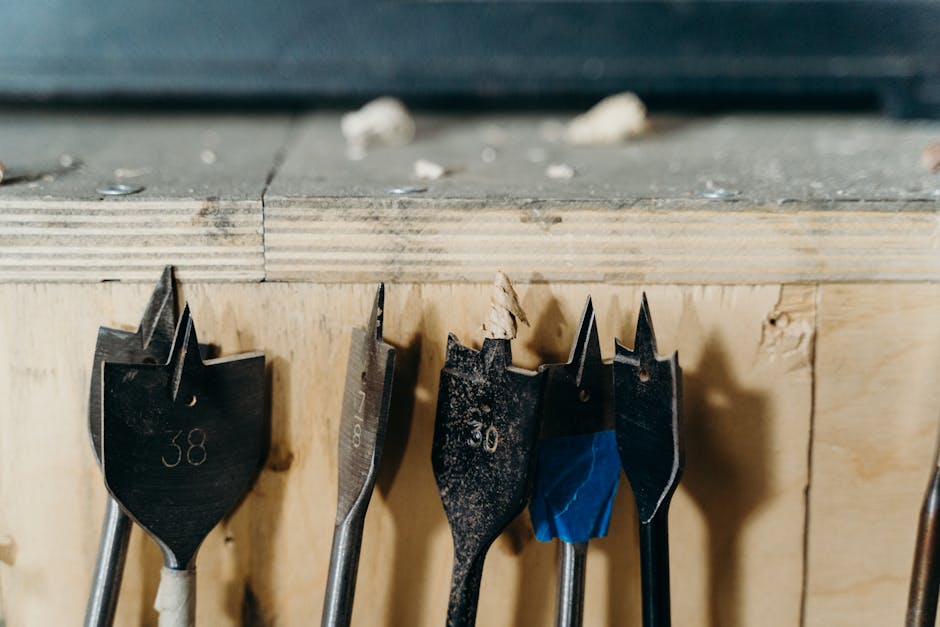
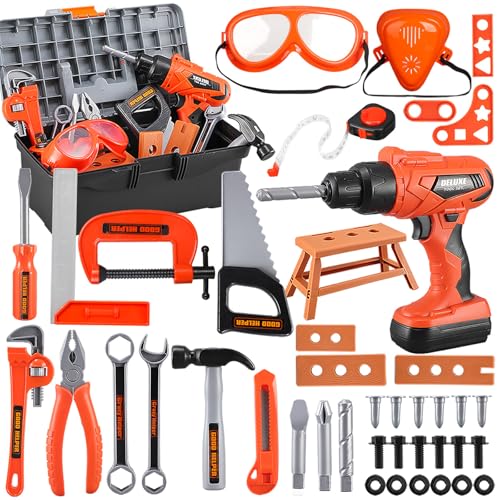
Construction work requires a variety of hand tools. These are essential for many tasks on site. From driving nails to tightening bolts, hand tools are versatile. They provide precision and control. Let's explore some common hand tools.
Hammers
Hammers are vital in construction. Used for driving nails and breaking materials. They come in different types. The claw hammer is common. It has a dual function. One side drives nails, the other removes them. Sledgehammers are larger. They break tough materials like concrete. Choosing the right hammer is important. It affects the ease of the task.
Screwdrivers
Screwdrivers are used to drive screws. They are simple yet crucial. Different screws need different drivers. Phillips and flat-head are popular types. Some screwdrivers have interchangeable heads. This adds to their versatility. Electric screwdrivers are available too. They save time and effort. Having a set of screwdrivers is wise. It prepares workers for any screw type.
Wrenches
Wrenches tighten or loosen nuts and bolts. Adjustable wrenches fit various sizes. They are flexible tools. Box-end wrenches provide a firm grip. They are great for tight spaces. Pipe wrenches are larger. Used for gripping round objects. Each wrench serves a purpose. Proper selection can make tasks easier.
Power Tools
Power tools are essential for construction workers. They save time and effort. These tools improve work quality and efficiency. Power tools offer precision and power. They make tough tasks easier and faster.
Drills
Drills are vital in construction. They create holes in various materials. Wood, metal, and concrete are easily drilled. Electric drills are common on sites. Cordless options offer more freedom.
Saws
Saws cut materials quickly. They handle wood, metal, and plastic. Circular saws are popular for straight cuts. Jigsaws are ideal for curves. Both are important for construction tasks.
Grinders
Grinders polish and cut. They work on metal and concrete. Angle grinders are versatile. They handle heavy-duty tasks. Grinders improve surface finish and precision.
Measuring Instruments
Construction workers need various measuring instruments for accuracy. Essential tools include tape measures, laser levels, and theodolites. These tools ensure precise measurements on site.
When you're on a construction site, precision is everything. Ensuring that every piece fits perfectly can be the difference between success and costly mistakes. Measuring instruments are the unsung heroes of this precision. They might seem simple, but they are crucial in transforming raw materials into well-crafted structures. Let's take a closer look at some essential tools that help construction workers achieve this accuracy.
Tape Measures
The humble tape measure is a staple in any construction worker's toolkit. It’s portable, easy to use, and provides quick measurements. A construction worker once shared that his tape measure was like an extension of his arm, always there when he needed it. Tape measures come in various lengths and materials. The key is to choose one that fits your specific needs. Whether measuring a piece of wood or checking the dimensions of a room, a reliable tape measure ensures your projects start on the right foot.
Levels
Achieving balance is crucial in construction. Levels ensure that surfaces are perfectly horizontal or vertical. They provide the accuracy needed to prevent future structural issues. Imagine building a house and realizing that the floors aren't level—it could lead to major problems down the line. Levels come in different types, such as bubble levels and digital levels. Each serves a unique purpose and caters to different precision needs. Choosing the right type of level can save you time and ensure your project’s stability.
Laser Measures
In modern construction, laser measures have become a game-changer. They offer speed and precision that traditional tools can’t match. Picture yourself measuring a large area quickly without needing to unroll a tape measure. Laser measures use lasers to calculate distances accurately, even in hard-to-reach places. They are especially useful in large projects where measuring by hand is impractical. These devices often come with additional features like area calculation, making them versatile tools in the construction world. As you think about your own projects, consider which measuring instruments will best suit your needs. Are you using tools that truly enhance your efficiency and accuracy? Making the right choice can make all the difference in your work.
Lifting Equipment
Construction workers rely on essential lifting equipment to handle heavy loads safely. Tools like cranes, hoists, and forklifts are crucial for moving materials efficiently. These tools help ensure construction tasks are completed on time and with precision.
In the construction world, lifting equipment is crucial for moving heavy materials and ensuring safety on-site. Whether you’re a seasoned pro or new to the field, understanding these tools can make your work more efficient and less strenuous. Let’s delve into some essential lifting equipment that every construction worker should be familiar with.
Cranes
Cranes are a construction staple, known for their ability to lift extremely heavy loads. They are vital for large-scale projects, such as skyscrapers or bridges. You might have seen them towering over city skylines, effortlessly moving steel beams and concrete blocks. Consider how cranes can streamline your workflow. They not only save time but also reduce the physical strain on workers. Have you ever wondered how much faster your project could progress with the right crane on-site?
Hoists
Hoists are perfect for lifting lighter loads. They are often used in smaller construction projects or in areas where space is limited. These tools can be manual or powered, giving you flexibility depending on your project's needs. Imagine working on a multi-story building and needing to move materials to different floors. A hoist can efficiently transport these items, ensuring they are safely secured and minimizing the risk of injury.
Forklifts
Forklifts are versatile machines ideal for moving materials over short distances. They are especially useful in loading and unloading supplies from delivery trucks. Their compact size allows them to navigate tight spaces with ease. Think about the last time you had to move pallets of bricks or bags of cement. A forklift can make this task significantly easier and faster. Wouldn't it be beneficial to have a forklift to handle such repetitive tasks, freeing you to focus on more skilled aspects of the job? Incorporating the right lifting equipment into your construction toolkit can greatly enhance productivity and safety. What lifting tool do you think would make the most impact on your next project?
Site Setup Tools
Construction workers rely on essential tools for efficiency. Hard hats, safety boots, and gloves ensure protection. Tape measures, hammers, and drills aid in precise tasks. These tools support their daily work.
Setting up a construction site is like laying the foundation for a successful project. Without the right tools, workers can face delays, safety hazards, and increased costs. Site setup tools, therefore, are essential to ensure that the groundwork is properly laid out. From providing power to ensuring safety, each tool plays a crucial role. Let’s dive into some of the most important site setup tools that every construction site should have.
Generators
Power is the heartbeat of a construction site. Generators provide the energy needed to operate tools and machinery. Without them, the site can come to a standstill. A reliable generator ensures that work continues seamlessly, no matter the location or weather conditions. Imagine working in a remote area with no access to power lines. A generator becomes your lifeline, powering everything from drills to welders. It’s important to choose a generator that matches your site’s power needs. A mismatch could lead to frequent breakdowns and project delays.
Lighting
Good lighting is crucial for safety and efficiency. Poor visibility can lead to accidents and mistakes. Temporary lighting solutions are vital, especially for projects that extend beyond daylight hours. They illuminate work areas, making it easier for workers to perform tasks accurately. Consider the difference between working under dim, flickering lights and bright, consistent lighting. The latter not only boosts productivity but also enhances safety. Investing in high-quality temporary lighting can save time and prevent potential mishaps.
Temporary Fencing
Safety and security are non-negotiable on a construction site. Temporary fencing is your first line of defense against unauthorized access. It keeps the work area secure and delineates hazardous zones, protecting workers and equipment. Think about the chaos without clear boundaries. Temporary fencing helps maintain order and keeps the public safe from potential site hazards. It’s a simple yet effective tool to ensure a safe working environment. Do you have these essential tools in place? Ensuring you’re fully equipped can make a significant difference in the smooth operation of your construction site.
Safety Devices
When you think about construction, images of towering cranes and heavy machinery might come to mind. However, the backbone of any construction site is safety. Ensuring the well-being of workers is crucial. Safety devices play a pivotal role in this regard. They not only protect lives but also maintain the efficiency of the project. Let's delve into some essential safety devices every construction worker needs.
Fire Extinguishers
Imagine a spark ignites in a pile of wood scraps. Without immediate action, this could escalate into a dangerous blaze. Fire extinguishers are your first line of defense against fires on a construction site. They're not just a legal requirement; they're lifesavers. Make sure they're easily accessible and workers know how to use them effectively. Regularly check them to ensure they're in working order.
First Aid Kits
Minor cuts and bruises are almost inevitable on a construction site. That's where a well-stocked first aid kit becomes invaluable. It should include essentials like bandages, antiseptics, and burn ointments. Consider a situation where a colleague gets a nasty cut. Immediate access to a first aid kit can prevent infection and further complications. Encourage workers to familiarize themselves with its contents and usage.
Fall Protection Systems
Working at heights is a common scenario in construction. But with it comes the risk of falls, which can be catastrophic. Fall protection systems, such as harnesses and guardrails, are crucial. Picture standing on a narrow beam several stories high. A secure harness provides the peace of mind you need to focus on your task. Regular training on the correct use of these systems ensures maximum safety.
Safety on a construction site isn't just about ticking boxes. It's about creating a culture where everyone feels responsible for their own safety and that of their teammates. What steps are you taking to ensure your work environment is safe? Remember, the right safety devices can make all the difference.
Frequently Asked Questions
What Are Essential Tools For Construction Workers?
Construction workers need basic tools like hammers, tape measures, and saws. Power tools like drills and circular saws are also essential. Safety gear such as helmets, gloves, and goggles is crucial for protection. Additionally, specialized tools like levels and plumb bobs ensure precision in measurements.
Why Is Safety Equipment Important In Construction?
Safety equipment protects workers from potential hazards. Helmets prevent head injuries from falling objects. Gloves protect hands from sharp tools and materials. Goggles shield eyes from debris and dust. Safety gear reduces accident risks and ensures a safer work environment, complying with safety regulations.
How Do Power Tools Benefit Construction Tasks?
Power tools make construction tasks faster and more efficient. They reduce manual effort, allowing workers to complete jobs quicker. Tools like drills and saws enhance precision and accuracy. Their versatility and power enable workers to handle various materials and tasks effectively, improving overall productivity.
Which Measuring Tools Are Crucial For Construction Work?
Measuring tools like tape measures, levels, and squares are crucial. They ensure accurate measurements and alignment in construction projects. Levels help determine the evenness of surfaces, while squares ensure proper angles. These tools are essential for maintaining precision and quality in construction tasks.
Conclusion
Choosing the right tools is vital for construction workers. Each tool serves a specific purpose. Safety gear protects workers on site. Power tools speed up tasks. Hand tools help with precision work. Proper equipment ensures efficiency and safety. Workers should always check their gear.
Quality tools last longer and perform better. Investing in good tools pays off over time. It's important to stay updated with new tools. Technology keeps changing, offering better solutions. Workers should adapt to new tools when needed. Training helps in using tools effectively.
The right tools make construction work easier and safer.