
Rust on your hand tools can be a real headache. It not only ruins their appearance but also affects their performance.
You might have tried scrubbing and soaking, yet those stubborn orange stains just won't budge. Sound familiar? Imagine restoring your tools to their former glory with simple, effective solutions. You won't need to spend a fortune or waste hours of your time.
Curious about how you can make your tools shine again? You'll discover proven methods to remove rust from your hand tools quickly and efficiently. Keep reading, and you'll be well on your way to transforming your tool collection back to its best.
Common Causes Of Rust On Tools
Rust is a common enemy of hand tools. It weakens the structure of tools. Understanding what causes rust can help prevent it. Rust forms when iron meets moisture and oxygen. This natural process is called oxidation. Knowing these causes can help you protect your tools.
Moisture Exposure
Moisture is a primary rust culprit. Tools left in damp places can rust quickly. Basements and garages often have high humidity. Tools stored here are at risk. Even a small amount of moisture can start rusting.
Lack Of Proper Cleaning
Dirty tools are more prone to rust. Dirt and grease trap moisture against metal. This speeds up the rusting process. After use, clean your tools well. This simple step can prevent rust.
Improper Storage
Storing tools incorrectly can cause rust. Tools should be kept dry and clean. Store them in a toolbox or dry area. Avoid storing them on the ground. Elevate tools away from damp floors.
Environmental Factors
Weather plays a big role in rust formation. Coastal areas have salty air, which promotes rust. Tools used outside face weather changes. Rain and snow can lead to rust. Protect tools from harsh weather conditions.
Preventing Rust Formation
Rust can damage hand tools, making them less effective. Preventing rust formation is essential for tool longevity. Proper care ensures your tools stay in good condition. Let's explore ways to keep rust away from your valuable tools.
Proper Storage Techniques
Store tools in a dry place. Moisture encourages rust. Use a toolbox or cabinet. Ensure it is sealed against humidity. Consider using silica gel packets. These absorb moisture in storage areas. Keep tools away from direct sunlight. Sunlight can create condensation. This leads to rust.
Regular Maintenance Practices
Inspect tools regularly. Check for signs of rust or damage. Clean them after every use. Wipe with a dry cloth. This removes moisture and debris. Apply a light coat of oil. It acts as a barrier against moisture. Use a rust inhibitor spray. This adds extra protection. Sharpen and repair tools as needed. Well-maintained tools resist rust better.
Natural Rust Removal Methods
Natural rust removal methods offer a safe and eco-friendly way to restore hand tools. These methods use common household items. They are effective and inexpensive. Many people prefer these solutions. They avoid harsh chemicals. Let's explore some of the most popular natural techniques to remove rust from your tools.
Using Vinegar
Vinegar is an excellent rust remover. Its acidic nature dissolves rust effectively. Submerge the rusty tool in white vinegar. Let it soak overnight. The acidity will break down rust. After soaking, scrub with a brush. Rinse and dry the tool thoroughly.
Baking Soda Application
Baking soda is a gentle abrasive. It is perfect for removing rust without damage. Make a paste with water and baking soda. Apply it to the rusty areas. Let it sit for an hour. Scrub the tool with a brush. Rinse and dry it well.
Lemon And Salt Mixture
Lemon and salt are a powerful duo. They can clean rust from metal surfaces. Sprinkle salt on the rusted tool. Squeeze lemon juice over the salt. Let this mixture sit for two hours. Scrub the area with a brush. Rinse and dry the tool completely.
Chemical Rust Removal Solutions
Removing rust from hand tools is simple with chemical solutions. These products dissolve rust, restoring metal surfaces efficiently. Choose solutions specifically designed for hand tools to ensure effective results.
Chemical rust removal solutions offer a fast and effective way to clean your hand tools. These solutions are readily available, easy to use, and can save your tools from further damage. You might wonder, what exactly do these chemicals do? They dissolve rust, restoring your tools to their former glory. Are you tired of scrubbing away rust with little success? Chemical rust removers might just be your best friend. Let's dive into some popular products and methods.
Rust Remover Products
Several rust remover products can make your life easier. Evapo-Rust and WD-40 Specialist Rust Remover Soak are popular choices, known for their effectiveness and ease of use. These products often come in liquid form, allowing you to soak your tools and watch the rust disappear. Another option is CLR Calcium, Lime & Rust Remover, which is versatile and can be used on various surfaces. Have you ever tried using these products? They can be a game-changer, making stubborn rust a thing of the past.
Naval Jelly Application
Naval Jelly is a classic choice for rust removal. This pink gel is designed to break down rust through a chemical reaction. Applying it is simple: coat the rusted area, wait 5 to 10 minutes, then rinse it off. Have you thought about the ease of using a gel instead of a liquid? With Naval Jelly, you can precisely target rust without a mess. It's perfect for those detailed, hard-to-reach spots on your tools. Remember, always wear gloves when handling chemicals and ensure you're in a well-ventilated area. Your safety is just as important as preserving your tools. Have you considered which chemical solution might work best for your hand tools?
Mechanical Rust Removal Techniques
Rust on hand tools can be effectively removed using mechanical techniques like sanding, wire brushing, or abrasive blasting. These methods physically scrape off rust, restoring the tool’s surface. Regular maintenance with these techniques can prolong the lifespan of your hand tools.
When your trusty hand tools start showing signs of rust, it's time to take action. Mechanical rust removal techniques offer a hands-on approach to restoring your tools to their former glory. These methods are direct, effective, and require a bit of elbow grease. Whether you're a seasoned DIY enthusiast or a beginner, these techniques can be easily mastered.
Wire Brushing
Wire brushing is one of the simplest ways to tackle rust. Use a wire brush to scrub away rust from the surface of your tool. It's important to select the right brush for the job. A softer brush is ideal for delicate tools, while a stiffer brush can handle tougher rust. Ensure you brush in a consistent direction to avoid scratching the metal. Have you ever tried wire brushing your tools? It’s a satisfying way to see instant results as the rust flakes away.
Sandpaper Use
Sandpaper is another effective tool in your rust-removal arsenal. Choose a coarse grit to start, and gradually move to a finer grit for a smoother finish. Wrap the sandpaper around your fingers or a small block for better control. This method requires patience, but the payoff is a smooth, rust-free surface. Remember to sand in small circular motions to prevent grooves. Have you noticed how the right sandpaper can make all the difference in achieving a polished look?
Electric Tools For Rust Removal
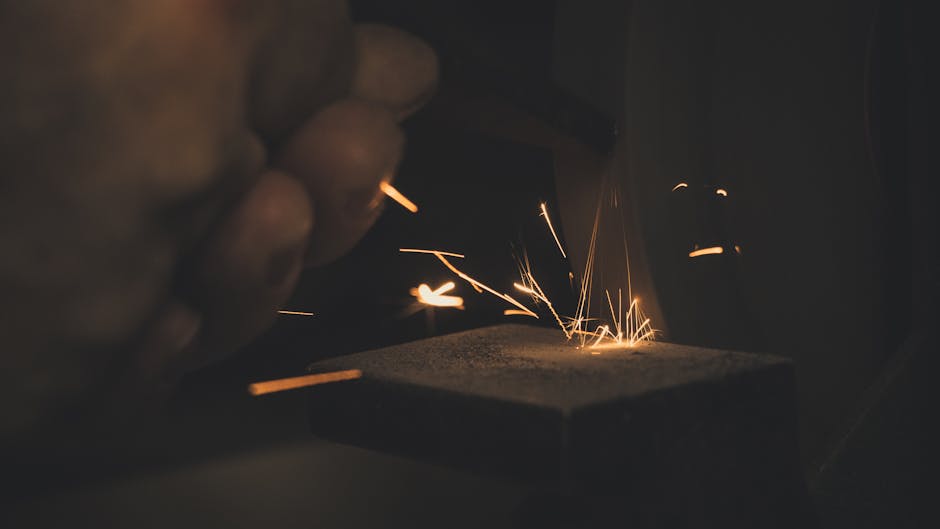
For those who prefer a little power assistance, electric tools can save time and effort. A handheld drill with a wire brush attachment can speed up the process significantly. Make sure to wear protective gear, as these tools can generate dust and small particles. Electric sanders or grinders are also useful for larger tools with extensive rust. However, it's crucial to control the pressure and speed to avoid damaging your tools. Have you considered the convenience of electric tools when dealing with heavy rust? They can be a game-changer in restoring your tools efficiently. Incorporating these mechanical rust removal techniques into your maintenance routine can extend the life of your hand tools significantly. Which method are you excited to try first? Engage with your tools, and watch them transform under your care.
Safety Precautions
Removing rust from hand tools is essential to maintain their longevity. Yet, safety should always be a priority. Rust removal often involves chemicals and techniques that pose risks. It's crucial to follow safety precautions to protect yourself.
Protective Gear
Always wear gloves. They protect your hands from harsh chemicals. Opt for rubber gloves for better protection. Goggles are important too. They shield your eyes from splashes. A dust mask is helpful. It prevents inhalation of rust particles. Consider wearing long sleeves. They safeguard your arms from accidental spills.
Ventilation Considerations
Ensure proper ventilation in your workspace. Open windows or use fans. Fresh air is crucial when using chemicals. It reduces the risk of inhaling harmful fumes. Avoid confined spaces. Fumes can accumulate and pose health risks. A well-ventilated area ensures safety.
Post-rust Removal Care
Maintain your hand tools effectively by removing rust using white vinegar or baking soda paste. After cleaning, apply mineral oil to prevent further corrosion. This post-rust care ensures tools remain functional and durable for future use.
After successfully removing rust from your hand tools, the journey to maintaining them doesn't stop there. Post-rust removal care is crucial to ensure your tools stay in excellent condition and serve you longer. This section will guide you through essential steps like lubrication and proper storage to preserve your tools' functionality and prevent future rusting.
Tool Lubrication
Once rust is gone, lubrication is your next best friend. Applying a thin layer of oil on the metal parts of your tools helps create a protective barrier against moisture. Products like WD-40 or even regular motor oil can do the trick. Make sure to wipe off any excess oil. You don't want your tools to feel greasy in your hands. A well-lubricated tool not only resists rust but also operates more smoothly.
Long-term Storage Tips
Proper storage is key to extending the life of your hand tools. Store your tools in a dry, cool place to prevent moisture buildup. Consider using silica gel packs in your toolbox to absorb any excess humidity. Hanging tools on a pegboard can keep them off damp surfaces. If you have a more extensive collection, a dedicated tool chest with a dehumidifier might be worth considering. Do you often forget to check on your stored tools? Setting periodic reminders to inspect and re-lubricate them can be a game changer. Regular checks help catch any signs of rust early, saving you from more extensive maintenance later on. These small but impactful steps can make a significant difference in the longevity of your hand tools. What measures will you take today to ensure your tools remain rust-free?
Frequently Asked Questions
How Can Vinegar Remove Rust From Tools?
Vinegar is acidic, making it effective for rust removal. Soak tools in white vinegar for several hours. The acidity breaks down rust particles. After soaking, scrub the tools with a brush. Rinse thoroughly with water and dry completely to prevent future rusting.
Is Baking Soda Effective For Rust Removal?
Baking soda, when mixed with water, forms a paste that can remove rust. Apply the paste on rusty areas and scrub with a brush. Its mild abrasive nature helps lift rust particles. Rinse off with water and dry the tools completely.
Can Lemon Juice Clean Rust Off Hand Tools?
Lemon juice is acidic and can effectively remove rust. Apply it directly to the rusty area and let it sit. Use a brush to scrub away the rust. Rinse thoroughly and dry the tool to prevent further rusting.
Will Wd-40 Help In Removing Rust From Tools?
WD-40 can loosen rust and make it easier to clean. Spray it on rusty areas and let it sit for a few minutes. Use a brush to scrub the rust away. Wipe with a clean cloth and ensure tools are dry after treatment.
Conclusion
Removing rust from hand tools keeps them effective and long-lasting. Simple methods like vinegar or baking soda work well. Sandpaper or wire brushes also help clean the surface. Always dry tools thoroughly after cleaning to prevent rust. Regular maintenance saves time and money.
Store tools in a dry place to avoid rust buildup. Protective coatings add an extra layer of defense. Keep your tools in top shape with these easy steps. Happy fixing!