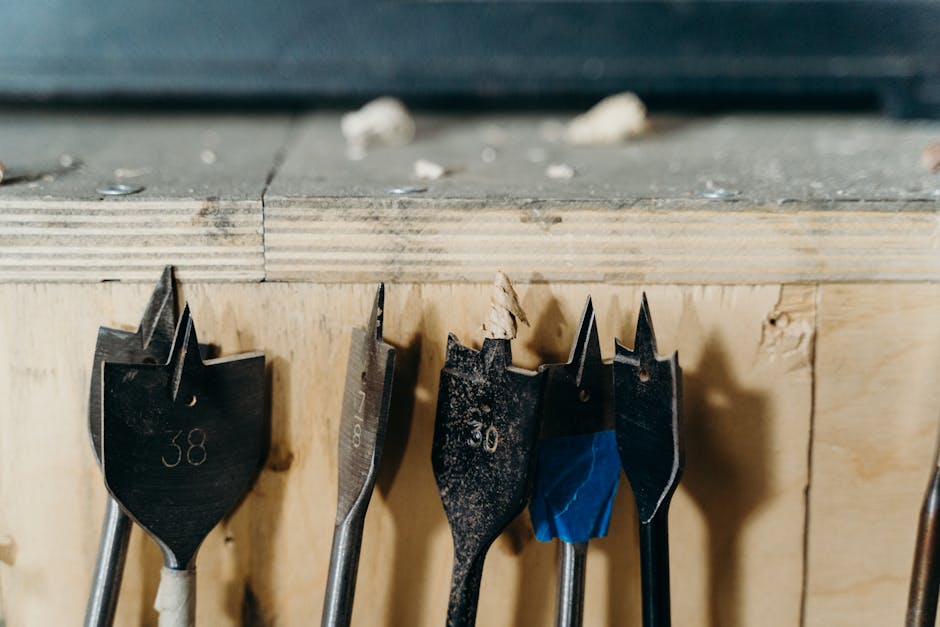
Imagine the satisfying hum of a power tool in your hand, transforming your DIY project from a simple idea into reality. Power tools can make tasks easier, faster, and more efficient.
But knowing when to use them is crucial for both safety and success. Are you ready to unlock the potential of your home projects? Understanding the right moments to wield these powerful devices can be the difference between a job well done and a project full of headaches.
Curious about how and when to use power tools effectively? Keep reading to discover how you can elevate your craftsmanship while ensuring your safety and maximizing efficiency.
Safety Precautions
Power tools should be used only with proper safety gear and in well-lit, stable environments. Always read the manual before using any tool. Keep your workspace organized to prevent accidents and ensure tools are turned off when not in use.
When you’re working with power tools, safety should always be your top priority. Power tools can make tasks easier and more efficient, but they also come with risks. It's crucial to understand the safety precautions to protect yourself and your surroundings. Let's dive into some essential safety measures you should always consider.
Personal Protective Equipment
Before you even turn on a power tool, ensure you're wearing the right gear. A pair of safety goggles can protect your eyes from flying debris. Gloves can offer a better grip and protect your hands from sharp edges. Don't forget about your ears; some power tools can be loud enough to cause hearing damage, so consider earplugs or earmuffs. Wearing the right clothing is also important. Avoid loose clothing or jewelry that could get caught in a tool. Remember, the right equipment can be your first line of defense against accidents.
Secure Work Environment
A cluttered workspace can lead to accidents. Make sure your work area is clean and organized. Remove any tripping hazards and ensure there's adequate lighting. This is especially important if you're working in a space like a garage or basement where visibility might be compromised. Secure your materials properly before beginning work. If you're cutting wood, for instance, use clamps to hold it in place. This prevents movement and ensures precision. Think about it: a stable work environment not only keeps you safe but also improves the quality of your work.
Tool Inspection And Maintenance
Inspect your tools before each use. Check for any damage like frayed cords or loose parts. A well-maintained tool is less likely to malfunction. Regular maintenance can extend the life of your tools and keep them operating safely. Sharpen blades and replace worn-out parts as needed. You wouldn't want to use a dull blade, as it requires more force and can lead to slips. Remember, a little time spent on maintenance can save you a lot of trouble down the line. Have you ever thought about how much safer and more efficient your projects could be with just a bit of preparation? Keep these safety precautions in mind every time you reach for a power tool. Your safety and the quality of your work depend on it.
Understanding Power Tool Types
Grasp the right moments to use power tools for efficient tasks. Ideal for home repairs, woodworking, and metalworking projects. Ensure safety and proper handling to achieve the best results.
Understanding the different types of power tools is crucial for both safety and efficiency in any project. Whether you're hanging a picture frame or building a deck, the right power tool can make the job quicker and easier. Let's dive into the various categories of power tools and discover how each one can be applied to your tasks.
Drills And Drivers
Drills and drivers are perhaps the most versatile power tools you'll own. A cordless drill can fit into tight spaces and is perfect for tasks like hanging curtains or assembling furniture. Consider what type of materials you frequently work with; a hammer drill may be ideal for concrete, while an impact driver provides extra torque for driving screws into tough surfaces.
Saws And Cutting Tools
Saws are essential for any cutting tasks you encounter. A circular saw can be your go-to for cutting lumber, while a jigsaw offers precision for intricate shapes. Remember the first time you tried using a hand saw and how tedious it felt? A power saw can save you time and energy, allowing you to focus on the creativity of your project rather than the effort.
Grinders And Sanders
Grinders and sanders are the tools you need for polishing and smoothing surfaces. A bench grinder can sharpen tools and buff out imperfections, whereas a belt sander will quickly smooth large wooden surfaces. Have you ever noticed how a smooth finish can elevate the quality of a project? These tools can transform a rough piece of wood into a polished masterpiece.
Multi-tools And Specialty Equipment
Multi-tools are the Swiss Army knives of the power tool world. They can cut, sand, scrape, and more, making them ideal for small, detailed tasks. Specialty equipment, like a tile cutter or a drywall screw gun, might not be used every day but can be invaluable when you're tackling specific projects. Imagine you're renovating a bathroom; having the right specialty tool can make the difference between a job well done and a frustrating experience. Understanding the capabilities of each power tool type can significantly improve your DIY projects. Are you using the right tool for the job? Assessing your toolset and knowing when to use each tool can save you time, improve safety, and enhance the quality of your work.
Legal And Regulatory Requirements
Understanding legal and regulatory requirements is crucial for using power tools safely. These rules help prevent accidents and ensure responsible tool usage. Complying with them protects users from legal troubles and promotes workplace safety.
Workplace Safety Regulations
Workplace safety regulations require proper handling of power tools. Employers must ensure employees are trained on tool use. Safety gear like goggles and gloves is often mandatory. Regular inspections of tools are required. This helps prevent malfunction and injuries.
Age Restrictions
Many places have age restrictions for using power tools. Typically, individuals must be at least 18 years old. Younger users may need supervision by adults. This minimizes risks associated with inexperienced handling. Parents should ensure children understand these rules.
Certification And Training
Certification and training are often needed for using advanced power tools. Courses teach proper tool use and maintenance. Some jobs require formal certification. This ensures workers have the necessary skills. Training helps prevent accidents and ensures efficiency.
Appropriate Usage Scenarios
Power tools are ideal for tasks like drilling, cutting, and sanding in home improvement or construction projects. They're best used when speed and precision are needed, making them perfect for larger or more demanding jobs. Always ensure proper safety measures to prevent accidents.
Power tools can be a game-changer in many scenarios, transforming daunting tasks into manageable projects. But when is the right time to use them? Understanding when and where you can harness the power of these tools can save you time, energy, and sometimes even money. Let’s dive into some common scenarios where power tools are not just helpful but essential.
Home Improvement Projects
Whether you're renovating your kitchen or building a new deck, power tools can simplify your tasks. Picture yourself laying tiles in your bathroom. A tile cutter can save hours compared to a manual cutter. Have you ever tried to assemble furniture without a power drill? It can be frustrating and time-consuming. A simple drill can make assembling bookshelves or adding new cabinet handles a breeze.
Professional Construction Work
In the world of professional construction, speed and precision matter. Imagine a construction site without the hum of power tools. It would be a snail-paced operation. Circular saws, nail guns, and jackhammers are not just conveniences—they're necessities. They ensure projects meet deadlines and maintain quality standards. The next time you walk past a construction site, take a moment to appreciate the symphony of tools working in harmony.
Craft And Hobby Applications
Hobbies can be more rewarding when you have the right tools. Think about crafting a unique wooden sculpture. A rotary tool can allow you to add intricate details with ease. Are you passionate about making custom jewelry? A small drill can help you make precision holes in beads, giving your creations a professional touch. With the right power tools, your hobby projects can go from amateur to amazing. When you consider your next project, ask yourself: could a power tool make this task easier? Reflecting on the practicality, efficiency, and potential of power tools can enhance your productivity and creativity. Whether you're a DIY enthusiast or a seasoned professional, understanding the appropriate usage scenarios for power tools can elevate your projects.
Common Mistakes To Avoid
Always check the power tool's manual for safety instructions. Wear protective gear to prevent injuries. Ensure proper handling to avoid accidents.
Power tools can be incredibly efficient, but using them comes with responsibilities. It’s easy to make mistakes, especially if you’re new to the world of DIY. These errors can not only lead to unfinished projects but also result in dangerous situations. Let's explore some common mistakes to avoid when using power tools, ensuring your projects are both successful and safe.
Improper Tool Selection
Choosing the wrong tool for the job is a frequent oversight. Imagine attempting to cut through thick plywood with a flimsy jigsaw. The outcome is not just inefficient but also potentially damaging to both the tool and material. Always assess the requirements of your project and select a tool that matches those needs. Don't be swayed by fancy options; practicality is key.
Ignoring Manufacturer's Instructions
It’s tempting to skip reading the instruction manual, especially when you’re eager to start your project. However, those pages contain vital information. Once, I hastily assembled a new drill without checking the manual and missed out on a crucial safety feature. Pay attention to recommended settings, maintenance tips, and troubleshooting guides. The instructions are not just suggestions; they are essential for optimal tool performance and your safety.
Neglecting Safety Procedures
Ignoring safety protocols can lead to serious accidents. I once saw a friend suffer a minor injury because he forgot to wear safety goggles while sanding. Simple precautions like wearing protective gear, securing loose clothing, and ensuring a clean workspace are non-negotiable. Are you willing to compromise your safety for the sake of convenience? Prioritize procedures that keep you safe and vigilant. Mistakes are part of the learning process, but not all are worth making. Avoid these pitfalls, and you'll find your power tool projects not only more rewarding but also safer. What steps will you take to ensure your next project runs smoothly? By addressing these common errors, you’re setting yourself up for success.
Emergency Response Tips
Emergencies can arise when using power tools, and it's crucial to know how to respond swiftly and effectively. You might think power tools are only about efficiency and speed, but safety is equally important. Imagine a situation where a mishap occurs—would you know what steps to take? Understanding emergency response tips not only prepares you for such incidents but also instills confidence while working. Let’s dive into practical insights that could make all the difference.
First Aid For Tool-related Injuries
Accidents can happen even to the most careful among us. What would you do if you or someone nearby got injured while using a power tool? Knowing basic first aid can be a lifesaver. Keep a first aid kit readily accessible whenever you work with power tools. Applying direct pressure to stop bleeding and cleaning wounds can prevent infections.
Did you know most minor cuts can be handled with simple first aid steps? But ensuring you act quickly and properly is key. Using sterile bandages and keeping the injured area clean can promote faster healing. Consider taking a first aid course to boost your confidence in handling emergencies.
When To Seek Professional Medical Help
Not every injury can be treated with a band-aid. How do you decide when professional medical help is necessary? If an injury involves severe bleeding, impaired movement, or deep wounds, don’t hesitate to seek emergency medical assistance. Time is crucial in such situations.
Imagine trying to handle a situation beyond your expertise—it's better to call for help sooner rather than later. Trust your instincts; if something feels off, contacting a healthcare provider can prevent further complications. Your vigilance can make a significant impact.
Reporting Incidents
Why should you report tool-related injuries? Sharing information about accidents can improve workplace safety and prevent future incidents. Documenting the event thoroughly helps in identifying risk factors and implementing preventive measures.
Have you ever wondered how reporting can change safety protocols? It encourages transparency and accountability. By detailing what happened, you contribute to creating a safer environment for everyone. Consider reporting as a responsibility that benefits both you and your peers.
Choosing The Right Power Tool
Choosing the right power tool can be crucial for completing projects efficiently. Power tools come in various types and sizes, each designed for specific tasks. Selecting the best tool is not just about preference. It involves understanding your project's requirements and matching them with the right features. Let's explore key factors to consider when selecting a power tool.
Assessing Project Needs
Start by assessing the nature of your project. Consider the materials you will work with. Wood, metal, or plastic may require different tools. Think about the level of precision needed. A simple cut may need a basic tool. Complex shapes might need advanced options. Determine the scale of the project. Small tasks might only need handheld tools. Larger projects could require more powerful equipment.
Evaluating Tool Features
Look at the features each tool offers. Consider the power source. Battery-operated tools offer portability but might need frequent charging. Corded tools provide continuous power but limit mobility. Examine speed settings. Variable speed allows more control. Check for ergonomic design. Comfortable handles reduce fatigue during long sessions. Safety features are crucial. Look for automatic shut-off or guards.
Budget Considerations
Budget plays a vital role in choosing power tools. High-end tools offer more features but come at a cost. Determine your budget range before shopping. Compare prices across brands. Sometimes, less-known brands offer quality at lower prices. Consider long-term costs. Factor in maintenance and replacement parts. Choose a tool that fits your budget and project needs.
Frequently Asked Questions
What Are The Best Times To Use Power Tools?
Power tools are best used during daylight hours to ensure visibility and safety. Most communities allow their use between 9 AM and 7 PM. Always check local noise ordinances to avoid disturbances. Using tools in well-ventilated areas further enhances safety and ensures a better working environment.
Can I Use Power Tools Indoors?
Yes, you can use power tools indoors, but ensure proper ventilation. Always wear protective gear like goggles and masks to prevent inhalation of dust. Keep the workspace organized to avoid accidents. Ensure that the tools are suitable for indoor use to prevent damage to surfaces.
Are Power Tools Safe For Beginners?
Yes, power tools are safe for beginners with proper precautions. Always read the instruction manual before use. Beginners should start with basic tools and gradually progress to more advanced ones. Wearing protective gear and following safety guidelines significantly reduces the risk of accidents.
How Do I Maintain My Power Tools?
Regular maintenance of power tools ensures longevity and performance. Clean them after each use, removing dust and debris. Lubricate moving parts as needed, and store them in a dry, cool place. Regularly inspect for wear and tear, and replace any damaged parts promptly.
Conclusion
Power tools offer great help in many tasks. Choose the right tool for the job. Always follow safety instructions. Practice using tools in a safe environment. This prevents accidents and builds confidence. Remember to wear protective gear. Check tools for any damage before use.
Keep tools clean and well-maintained. This extends their lifespan and efficiency. Power tools make work easier and faster. Use them wisely and responsibly. Enjoy the benefits they bring to your projects. Stay safe and productive.