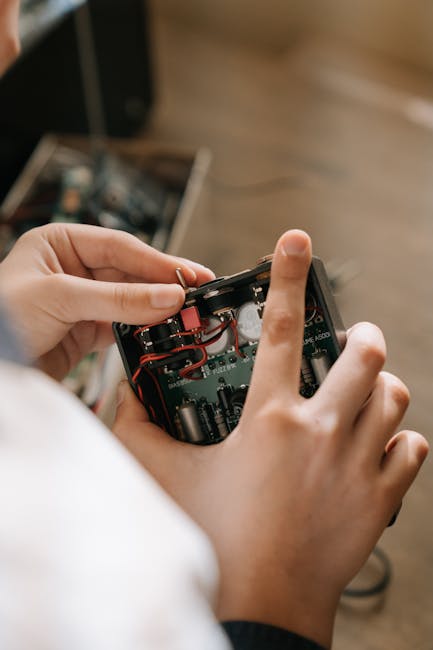
Picture this: you’re in the middle of a home project, surrounded by the buzz and hum of your trusty hand-held electric power tools. These tools are your allies, transforming ideas into reality with precision and power.
But what happens when they’re not in use? How you handle your tools when they’re idle is just as crucial as when they’re in action. Imagine the peace of mind knowing your tools are safe, secure, and ready for the next task.
We’ll uncover the secrets to ensuring your tools last longer, work better, and keep your workspace hazard-free. You’ll discover simple strategies that can make a big difference. Are you ready to unlock the potential of your power tools, even when they're not in use? Keep reading to learn how to take control and safeguard your investment.
Importance Of Safe Storage
Storing hand-held electric power tools safely prevents accidents and prolongs their lifespan. Proper storage avoids moisture, dust, and damage. Organized spaces reduce the risk of misuse and promote a tidy work environment.
Storing hand-held electric power tools safely is crucial. It not only extends the life of your tools but also ensures your safety and the safety of those around you. Imagine tripping over a power drill carelessly left on the floor. These accidents are preventable with proper storage.
Why Proper Storage Matters
Proper storage safeguards your tools from damage. Dust, moisture, and extreme temperatures can degrade tool performance. Secure storage prevents these elements from wreaking havoc on your equipment. It also protects you and your family. Keeping tools in a designated space reduces the risk of accidents. You wouldn't want a child picking up a live power tool, right? Moreover, organized storage saves time. Knowing exactly where each tool is allows you to work efficiently. It eliminates the frustration of searching for misplaced items.
Ensuring Tools Are Disconnected
Always unplug tools before storing them. This prevents accidental activation. Imagine the unexpected start of a saw when you least expect it. Ensure batteries are removed from cordless tools. This not only saves battery life but also prevents accidents. A dead battery is safer than a live one in storage.
Utilizing Toolboxes And Shelving
Toolboxes and shelves are your best friends. They provide specific spots for each tool. This organization reduces clutter and confusion. A sturdy toolbox protects tools from dust and damage. Shelving keeps tools off the floor, reducing tripping hazards. Consider investing in lockable storage for added security.
Labeling And Categorizing
Label your storage areas. It simplifies finding the right tool quickly. A few minutes spent labeling saves hours of searching later. Categorize tools by use or size. Group similar items together. This helps maintain order and ensures you always know where your tools are.
Maintaining A Routine Check
Regularly inspect your tools and storage area. Look for signs of wear or damage. Early detection can prevent bigger problems. Check if tools are stored correctly. A quick glance can reveal if something is out of place. Regular checks maintain safety and efficiency. Have you considered how safe storage impacts your workflow? It’s a small step with significant benefits. Safe storage keeps your tools in top condition and your workspace hazard-free.
Risks Of Improper Storage
Electric power tools must be stored properly to avoid damage. Poor storage can cause malfunction or safety hazards. Keep tools in a dry, secure place to ensure longevity and safety.
Improper storage of hand-held electric power tools can lead to a host of issues that not only compromise their functionality but also pose serious risks to your safety. Storing these tools without considering key safety measures can result in damage, wear, and even dangerous accidents. Have you ever found yourself searching for a tool only to realize it’s not working as it should? This might be due to how it was stored.
Exposure To Moisture
Moisture is a silent enemy to electric power tools. When tools are left in damp areas, they can develop rust or corrosion, affecting their performance. Even short exposure can harm electrical components. Have you ever tried using a power drill only to find it sparking? It might be time to reconsider where you store it.
Temperature Extremes
Extreme temperatures can wreak havoc on your tools. Excessive heat can warp plastic parts and soften adhesives. Cold weather can make batteries lose charge faster. If your garage feels like an oven in summer or a freezer in winter, it's time to find a more stable environment for your tools.
Physical Damage
Tools stored improperly can easily fall or be knocked over, leading to physical damage. Imagine reaching for a saw only to find the blade bent because it fell off a shelf. Consider using sturdy shelves or storage bins to keep them safe and secure.
Accessibility Issues
Poor storage can make tools hard to find or reach. Tools buried under clutter can be forgotten or damaged. Have you ever needed a screwdriver but spent more time searching than fixing? Organize your storage so every tool has its place.
Electrical Hazards
Leaving tools plugged in while not in use is a major risk. It can lead to accidental activation, causing injury or fire. Always unplug your tools before storing them, ensuring cables are neatly coiled to prevent wear.
Safety Concerns
Improper storage can lead to dangerous situations, especially if children are around. Tools left within easy reach can invite accidents. Secure tools in locked cabinets or high shelves to keep them out of harm's way. Are you storing your tools in a safe manner? Taking a moment to evaluate your storage methods can prevent accidents and prolong the life of your tools. Proper storage isn't just about organization; it's about safety and efficiency.
Preventing Accidental Damage
Store hand-held electric power tools safely when not in use. This prevents accidental damage and enhances safety. Keep them in a dry, secure place, away from children.
Preventing accidental damage to hand-held electric power tools is crucial for maintaining their longevity and ensuring safety. It’s not just about protecting your investment but also about keeping your workspace hazard-free. Let’s explore some practical tips to safeguard your tools and avoid unnecessary mishaps.
Proper Storage Techniques
When you finish using your power tools, don't just leave them lying around. Store them in a designated area with appropriate shelving or storage boxes. This prevents them from getting knocked over or damaged by other objects in your workshop.
Unplug And Disconnect
Always unplug your tools when they’re not in use. This simple step can prevent accidental activation, which could lead to tool damage or injury. It also reduces the risk of electrical hazards, especially if your workspace is prone to moisture.
Use Protective Covers
Consider using protective covers or cases for your tools. They shield your equipment from dust, moisture, and accidental knocks. A friend once shared how a simple tool cover saved his drill from a leaky roof incident—something to think about! Inspect your tools regularly for any signs of wear and tear. Tighten loose screws and replace worn-out parts promptly. This proactive approach can save you from costly repairs and ensure that your tools are always in peak condition.
Avoid Overcrowding Your Workspace
A cluttered workspace increases the risk of accidents. Keep your area organized and free from unnecessary items. This not only keeps your tools safe but also enhances your productivity by reducing distractions.
Educate Your Team
If you work with others, ensure they understand the importance of proper tool care. Share these tips and encourage them to follow suit. Collective responsibility can significantly reduce the chances of accidental damage. Have you ever experienced a tool mishap due to improper storage? By taking these steps, you can create a safer environment and prolong the life of your tools. What will you change in your workspace today?
Avoiding Unauthorized Access
Hand-held electric power tools are essential in many fields. They offer convenience and efficiency. Yet, ensuring they are secure when not in use is vital. Unauthorized access can lead to safety risks and potential misuse. This section explores how to keep these tools safe from unauthorized access.
Lock Them Away
Always store tools in a locked cabinet or storage area. This prevents unauthorized access and keeps them safe. A locked space ensures only authorized personnel can access the tools. It is a simple yet effective security measure.
Use Security Tags
Security tags can deter theft and unauthorized use. Attach visible tags to your tools. These tags alert others that the tools are monitored. They also make it easy to identify ownership.
Implement Access Control
Control who can access the storage area. Use keycards or a password system for entry. Access control systems limit unauthorized tool access. Ensure only trained personnel have access.
Regular Inventory Checks
Conduct regular inventory checks of your power tools. This helps track usage and identify missing items quickly. It also ensures all tools are accounted for. Regular checks keep your tools in good condition.
Choosing The Right Storage Location
Choosing the right storage location for your hand-held electric power tools is important. Proper storage ensures safety and extends tool life. Tools left in the wrong environment can get damaged. This can lead to malfunctions or accidents. Knowing where to store them can save you trouble and money.
Dry And Cool Spaces
Store your power tools in dry and cool spaces. Moisture can cause rust and damage electrical parts. Avoid areas with high humidity. Basements and garages might need dehumidifiers. Keep tools off the ground to prevent dampness. A shelf or cabinet works well. Cool spaces prevent overheating and maintain tool health.
Away From Flammable Materials
Keep tools away from flammable materials. Sparks from electric tools can ignite these items. Avoid storing near gasoline, paint, or cleaning supplies. Choose a location with good ventilation. This reduces fire risk and keeps tools safe. Always inspect the area for potential hazards.
Organizing Tools Efficiently
Organizing tools efficiently is essential for maintaining a safe workspace. It ensures easy access and prevents damage to your hand-held electric power tools. A cluttered area can lead to accidents and wasted time. By implementing smart organization strategies, you keep your tools in top condition and improve productivity.
Using Shelves And Cabinets
Shelves and cabinets are perfect for storing electric power tools. They provide dedicated spaces for different tools. Ensure shelves are sturdy to hold weighty equipment. Cabinets with doors protect tools from dust and moisture. Keep frequently used tools at eye level for easy access. Store less-used items higher up or lower down.
Labeling Tool Positions
Labels help in identifying where each tool belongs. Use clear labels to mark tool positions on shelves or cabinets. This ensures everyone knows where to return tools after use. Labels reduce confusion and save time searching for misplaced items. Consistent labeling keeps your workspace organized and efficient.
Security Measures
Security measures for hand-held electric power tools are crucial to prevent theft and ensure safety in your workspace. Whether you're a professional contractor or a DIY enthusiast, safeguarding your tools when not in use is a priority. These tools are not just expensive; they are essential for your projects, and losing them could mean a halt in productivity. Let's dive into some practical ways to secure your tools effectively.
Locks And Security Systems
Imagine coming back to your workshop only to find your valuable tools missing. It's a nightmare you can avoid. Installing sturdy locks on tool cabinets or storage areas can deter potential thieves. Use locks that are difficult to pick or break, adding an extra layer of security.
Consider investing in security systems tailored for tool storage. Some systems offer alarms that activate if someone tries to tamper with your storage unit. This proactive measure can save you from unfortunate losses.
Monitoring And Surveillance
Have you ever thought about installing a camera in your workspace? Surveillance cameras can act as a deterrent to thieves. Set up cameras strategically around your storage areas to cover all angles.
Monitoring systems are not just about recording events; they can alert you in real-time if there’s a breach. This enables you to take immediate action and secure your tools. Wouldn't you rather catch the culprit before it's too late?
Security measures are more than just locking up your tools; they are about ensuring peace of mind. You invest in these tools because they are vital to your work. Protect your investment with these straightforward steps, and keep your tools safe and ready for your next project.
Regular Maintenance Checks
Storing hand-held electric power tools properly prevents damage. Regular maintenance checks keep them safe and ready for use. Inspect for wear, clean parts, and ensure proper storage conditions to extend tool life.
Regular maintenance checks for hand-held electric power tools are essential for ensuring their longevity and performance. Not only do these checks help in preventing unexpected breakdowns, but they also enhance safety. You wouldn’t want a tool to fail in the middle of an important task, right? It's like regular health check-ups for your tools.
Inspecting For Damage
Take a moment to look over your tools for any visible damage before stowing them away. Look for cracks, frayed cords, or loose parts that might indicate wear and tear. This simple step can save you from costly repairs or replacements. Imagine finding out about a cracked casing only after your tool fails during a project. A quick inspection can prevent such surprises. You might even feel a sense of accomplishment knowing your tools are in top shape.
Ensuring Cleanliness
Dirt and debris can significantly affect the efficiency of your power tools. Wipe them down with a dry cloth and ensure no dust is clogging the vents or switches. A clean tool not only works better but also lasts longer. Think about how much easier it is to work with a clean tool versus one covered in grime. Taking a few minutes to clean your tools can boost their performance. Plus, there's something satisfying about seeing them shine after a good cleaning. Regular maintenance checks are not just about preserving your tools; they are about making your work easier and safer. So, when was the last time you gave your power tools a thorough check-up?
Training And Awareness
Training and awareness are crucial for safe tool use. Many accidents happen due to lack of knowledge. Understanding how to use tools safely can prevent injuries. Proper training ensures users handle tools correctly. Awareness of risks keeps users alert and cautious.
Educating Users
Provide clear instructions for each tool. Use simple language in manuals. Visual aids help too. Demonstrations show correct use and storage. Encourage questions from users. Address all doubts immediately. Regular workshops can refresh skills and knowledge.
Safety Protocols
Set clear safety protocols for tool use. Store tools in designated places. Ensure tools are turned off when stored. Provide safety gear like gloves and goggles. Enforce regular equipment checks. Faulty tools should be repaired or replaced. Keep emergency contacts visible.
Frequently Asked Questions
Why Store Electric Power Tools Safely?
Storing electric power tools safely prevents accidents and prolongs their lifespan. Proper storage avoids damage and ensures tools are ready for future use. Keeping them in a dry, secure place also reduces the risk of electrical hazards. Regular maintenance during storage can further enhance their performance and durability.
What Are The Risks Of Improper Storage?
Improper storage of power tools can lead to accidental injuries, electrical hazards, and tool damage. Tools left in damp or unsecured areas may rust or corrode. Misplaced tools can cause tripping hazards. Regular checks and proper storage help maintain safety and tool efficiency.
How To Maintain Electric Tools When Not In Use?
To maintain electric tools, clean them after each use and store them in a dry place. Regularly inspect for wear or damage. Charge batteries as recommended and disconnect power before storage. Following the manufacturer's guidelines ensures longevity and optimal performance.
Should Power Tools Be Disconnected When Stored?
Yes, always disconnect power tools when storing them. This prevents accidental start-ups and reduces electrical hazards. Unplugging ensures safety for both the tool and users. It also helps in conserving energy and prolongs the tool's lifespan, keeping them ready for future use.
Conclusion
Proper storage ensures safety for electric power tools. Keep them clean and dry. Store in a secure place away from children. Avoid clutter to reduce accidents. Use cases or boxes for extra protection. Regular maintenance extends tool life. Check for wear before storing.
Label storage areas clearly. This helps quick identification. Organized storage saves time and keeps tools safe. Prioritize safety and efficiency with these simple habits. Your tools will thank you. And so will your wallet.