When working with hand tools, always prioritize safety and efficiency. Imagine the confidence you'll feel when you know you’re using tools the right way.
Whether you’re a seasoned craftsman or just starting out, understanding how to handle your tools can save you from accidents and improve your craftsmanship. You'll discover essential tips that will transform the way you work. Say goodbye to common mistakes and hello to a smoother, more satisfying experience.
Your projects deserve the best, and so do you. Ready to elevate your skills and ensure your safety? Let’s dive into the details that will make all the difference.
Importance Of Hand Tool Safety
Hand tool safety is crucial for every task. Protect yourself by using tools properly. Neglecting safety can cause serious injuries. Understanding the importance of hand tool safety is vital. It ensures smooth and safe operations. It reduces risks and enhances efficiency.
Understanding The Risks
Hand tools may seem harmless. They can still pose dangers. Misuse can lead to accidents. Cuts, bruises, or worse. Be aware of potential hazards. Recognize unsafe conditions. Protect yourself by staying informed.
Proper Handling Techniques
Handling tools correctly is essential. Use appropriate grip and posture. Avoid unnecessary force. Maintain control at all times. Practice safe techniques regularly. Ensure tools are fit for use. Proper handling prevents mishaps.
Regular Maintenance
Keep tools in good condition. Regular checks are important. Inspect for wear and tear. Fix or replace damaged tools. Clean tools after use. Store them properly. Maintenance ensures reliability and safety.
Personal Protective Equipment (ppe)
Wear protective gear always. Goggles, gloves, and helmets are vital. Protect your body from harm. Ensure PPE fits well. Check for defects regularly. PPE reduces injury risks. Prioritize safety above all.
Training And Awareness
Training is key to safety. Learn correct tool usage. Stay updated on safety protocols. Participate in safety drills. Awareness prevents accidents. Knowledge empowers safe practices. Train regularly for confidence.
Common Hand Tool Hazards
Working with hand tools can be risky. Even simple tools have hazards. Understanding common risks helps prevent injuries. Safety should always be the priority.
Common Cuts And Lacerations
Sharp edges cause cuts. Improper handling increases this risk. Always wear gloves to protect your hands. Keep tools sharp for better control. Dull tools slip and cause injuries.
Impact Injuries
Hammering or chiseling can lead to impact injuries. Eyes and fingers are most vulnerable. Wear safety glasses to protect your eyes. Keep hands away from striking points.
Repetitive Motion Strain
Using hand tools repeatedly strains muscles. Tasks like screwing or sawing can cause pain. Take breaks to rest your muscles. Stretching helps prevent strain.
Pinch Points
Pinch points occur in moving parts. Fingers can be caught in gears or hinges. Stay alert when using such tools. Keep hands clear of moving parts.
Electrical Shocks
Some tools have electrical components. Faulty wiring poses shock hazards. Inspect cords for damage. Use tools with ground fault protection.
Slipping Hazards
Tools can slip from wet or oily surfaces. Slipping leads to loss of control. Keep work areas clean and dry. Secure your grip on the tool.
Safety Gear Essentials
When working with hand tools, safety should always be a priority. Wearing the right safety gear can prevent injuries and ensure a smooth working experience. From gloves to goggles, each piece of equipment has its purpose. Understanding these essentials can make all the difference. Let's explore the key safety gear items you need.
Gloves For Hand Protection
Gloves protect your hands from cuts and abrasions. Choose gloves that fit well and offer good grip. Consider the material based on the task at hand. Leather gloves are ideal for heavy-duty work. For precision tasks, opt for thin, flexible gloves.
Safety Goggles For Eye Safety
Safety goggles shield your eyes from flying debris. They are essential when cutting, grinding, or hammering. Ensure they fit snugly around your eyes. Look for goggles with anti-fog features for clear vision. Scratch-resistant lenses are a plus.
Hearing Protection For Noise Control
Some tools produce loud noise that can damage your hearing. Earplugs or earmuffs help protect your ears. Choose based on comfort and noise reduction level. Always have them handy when working with noisy tools.
Dust Masks For Respiratory Safety
Dust masks prevent inhalation of harmful particles. Ideal when sanding or working with chemicals. Select masks with adjustable straps for a secure fit. Ensure the mask material filters out fine dust effectively.
Sturdy Footwear For Foot Protection
Sturdy footwear safeguards your feet from falling objects. Steel-toed boots offer extra protection. Ensure the shoes have non-slip soles. This prevents slips and falls on slippery surfaces.
Proper Clothing For Body Safety
Wear clothing that covers and protects your body. Avoid loose clothing that can snag on tools. Long sleeves and pants are recommended. Choose materials that are durable yet breathable.
Proper Tool Handling Techniques
Always ensure a firm grip and maintain focus when working with hand tools. Proper tool handling techniques can prevent accidents and improve efficiency. Regularly check tools for damage to ensure safety and effectiveness.
Working with hand tools can be a fulfilling experience, but it demands attention to detail and proper technique. Whether you're a seasoned professional or a weekend DIY enthusiast, mastering the art of tool handling is essential for safety and efficiency. By focusing on the correct way to grip, posture, and apply force, you set yourself up for success and minimize the risk of injury. Let's delve into the key techniques that can make your tool handling experience both safe and effective.
Correct Grip And Posture
Your grip on a tool can make all the difference. A firm grip gives you control, while a relaxed grip can lead to accidents. Imagine holding a hammer too loosely; it's not just inefficient but also dangerous. Always ensure your grip is firm yet not overly tight to avoid strain. Your posture is equally important. Standing with your feet shoulder-width apart and aligning your body with the task at hand helps maintain balance and stability.
Appropriate Force Application
Applying the right amount of force is crucial when using hand tools. Too much force can damage the tool or workpiece, while too little can lead to inefficiency. Have you ever tried to cut something with a dull saw? It's not just tiring; it can also be hazardous. Listen to your body; if you find yourself exerting too much effort, reassess your technique or tool. Understanding the limits of your tools and your strength ensures a smoother and safer working process. Consider your own experiences: have you ever felt the strain of overexertion or the frustration of a task not going as planned? Adjusting your approach might just be the key to a better outcome.
Maintenance And Inspection
Hand tools are essential for many tasks. They require regular care. Proper maintenance ensures their longevity and reliability. Inspection is crucial for safety. It prevents accidents and tool damage. Knowing how to maintain and inspect tools is vital.
Regular Tool Checks
Check your tools regularly. Look for wear and damage. Examine handles for cracks or splits. Ensure screws and bolts are tight. Inspect blades and edges for rust. Regular checks prevent issues. They keep your tools in top shape.
Sharpening And Lubrication
Sharp tools work better. They also increase safety. Dull blades can slip. Sharpen tools often for best results. Use the right sharpening tools. Lubrication prevents rust and reduces friction. Apply oil to moving parts. Keep your tools smooth and efficient.
Safe Storage Practices
Ensure hand tools are stored properly to prevent accidents. Use designated spaces or containers for each tool. Regularly check for damage or rust to maintain safety.
Working with hand tools can be both rewarding and challenging. Ensuring safe storage practices is crucial for maintaining your tools and keeping your workspace hazard-free. A well-organized storage system prevents accidents and extends the lifespan of your tools. Let's dive into some practical tips on how to store your hand tools safely.
1. Organize Your Tools By Frequency Of Use
Keep the tools you use most often within easy reach. This saves you time and reduces the risk of accidents from searching for tools. Less frequently used tools can be stored in less accessible areas.
2. Use Pegboards For Visibility
Pegboards are a great way to hang your tools while keeping them visible. This setup helps you quickly find the tool you need. Plus, it gives your workshop a neat and professional look.
3. Label Everything
Labeling is essential for keeping track of your tools. Use clear and large labels that are easy to read. This practice helps everyone in your workspace know where each tool belongs.
4. Invest In A Tool Chest
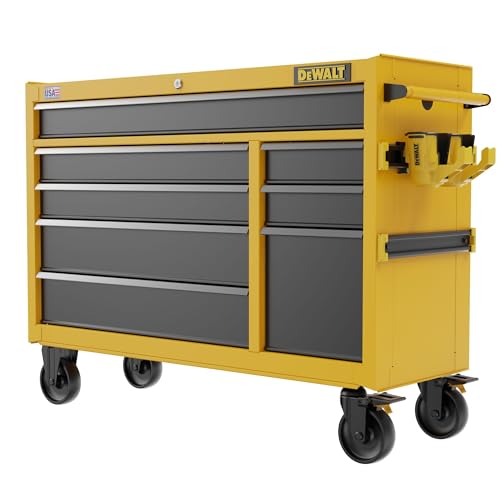
A tool chest offers secure storage and is perfect for keeping tools organized. Choose one with drawers to separate different types of tools. Lockable chests add an extra layer of security.
5. Protect Tools From Moisture
Moisture can damage tools, leading to rust and deterioration. Store tools in a dry place and use silica gel packs to absorb excess moisture. This simple step can significantly prolong your tools' lifespan.
6. Implement A Routine Check
Regularly inspect your tools and storage areas. Check for signs of wear, damage, or missing tools. This routine helps you maintain a safe and efficient workspace.
7. Share Your Storage Solutions
Have you found a unique way to store your tools? Sharing your tips can inspire others to improve their storage practices. Online forums and community workshops are great places to exchange ideas. Remember, the way you store your tools reflects your commitment to safety and efficiency. What changes can you make today to improve your tool storage?
Training And Skill Development
Always prioritize safety when using hand tools. Wear protective gear and maintain tools in good condition. Proper handling prevents injuries and ensures efficient work.
Training and skill development are crucial when working with hand tools. Without proper guidance, you risk injury and inefficient work. You need to understand the tools you're using to ensure safety and effectiveness.
Understanding Tool Basics
Start by familiarizing yourself with each tool. Know their parts and functions. This foundation helps you use them correctly. Have you ever misused a tool, thinking it was meant for something else?
Hands-on Practice
Practice makes perfect. Spend time with each tool, and gradually build your skills. Make small projects to get comfortable. What simple project could you start today to improve your skills?
Safety Measures
Safety should be your top priority. Learn the right ways to hold and use each tool. Wear protective gear like gloves and goggles. Have you ever skipped safety steps and regretted it?
Seek Guidance
Don’t hesitate to ask for help. Experienced workers can offer valuable tips. Attend workshops or watch online tutorials. Who do you know that could help you master a tool?
Continuous Learning
Stay curious and keep learning. New techniques can make your work easier and safer. Read books or join online forums. Are you making time to update your skills regularly?
Feedback And Improvement
Ask for feedback on your work. Constructive criticism helps you improve. Don’t be discouraged by mistakes; they are part of learning. How do you handle feedback to better your skills? Training and skill development in hand tools are essential. They lead to safer and more efficient work. Remember, each step you take towards learning adds value to your craft. So, what will you do next to enhance your hand tool skills?
Emergency Procedures
Always prioritize safety when using hand tools. Wear protective gear and check tools for damage before use. Follow emergency procedures to prevent accidents and ensure a safe work environment.
Working with hand tools can be incredibly rewarding, but it also comes with its risks. Accidents can happen even to the most careful workers. Knowing the right emergency procedures can be a lifesaver. Reacting quickly and correctly can make a significant difference in outcomes. But are you ready to handle an emergency if it happens? Let's explore some crucial steps you should take when things don’t go as planned.
First Aid Basics
Understanding basic first aid is essential. Keep a well-stocked first aid kit in your workspace. Ensure you know how to use each item within it. Bandages, antiseptics, and gloves are just the start. Imagine cutting your hand while crafting a wooden piece. Do you know how to stop the bleeding? Apply pressure immediately and elevate the injury. This simple action can prevent further harm. Training can make all the difference. Consider taking a first aid course. Many organizations offer short, practical sessions that equip you with vital skills. Are you prepared to act if someone nearby gets injured?
Reporting Incidents
Timely reporting of incidents is crucial. Inform your supervisor or manager about any injuries. This ensures the right measures are taken, and similar accidents are prevented in the future. Document the details of the incident. Note the time, location, and nature of the injury. This information is useful for safety reviews and may be required for insurance purposes. Have you ever hesitated to report an incident because it seemed minor? Even small injuries can lead to bigger issues if not addressed. Don’t wait until it’s too late. Speaking up can protect others and improve your working environment. Keeping calm during emergencies is key. But preparation is your best defense. Equip yourself with knowledge and be ready to act swiftly. What steps will you take today to ensure your safety and that of your colleagues?
Promoting A Safety Culture
Ensure safety by using hand tools correctly. Always wear proper protective gear to prevent accidents. Inspect tools for damage before use.
Promoting a safety culture when working with hand tools is crucial. It’s about making safety a daily habit and ensuring everyone is on board. This mindset not only prevents accidents but also boosts productivity and morale. Creating a safe environment requires commitment and vigilance. When everyone is focused on safety, the workplace becomes a haven for efficiency. So, how can you make safety a natural part of your routine?
Encourage Open Communication
Open communication is the cornerstone of a safety culture. Encourage your team to voice concerns without fear of judgment. When everyone feels heard, safety issues are addressed promptly. Share stories of near-misses as learning opportunities. This practice helps prevent future incidents. By discussing these events, you foster a proactive approach to safety.
Provide Continuous Training
Regular training sessions keep safety at the forefront. Ensure everyone knows the correct way to use each tool. Even seasoned workers can benefit from a refresher course. Hands-on practice is vital. It helps reinforce the correct techniques and makes them second nature. Training should be an ongoing process, not a one-time event.
Implement A Safety Checklist
A checklist is a simple yet effective tool. Use it before starting any task to ensure all safety measures are in place. This routine can catch potential hazards early. Keep the checklist visible and easy to access. Encourage everyone to take it seriously. Over time, checking off safety measures becomes an automatic habit.
Lead By Example
Your actions speak louder than words. Demonstrate proper safety practices in your daily tasks. When leaders prioritize safety, it sets a standard for others. Don’t cut corners, even when under pressure. Your commitment to safety will inspire others to follow suit. Remember, consistency is key.
Foster A Supportive Environment
Create a workplace where everyone looks out for each other. Foster teamwork by assigning safety buddies. These pairs can watch over each other's practices and offer reminders. Celebrate safety milestones. Recognize and reward those who consistently uphold safety standards. This positive reinforcement strengthens the safety culture.
Evaluate And Improve
Regularly assess the effectiveness of your safety practices. Are there areas for improvement? Encourage feedback from your team. Be open to change if something isn’t working. Adapt and refine your safety strategies. Remember, a safety culture is an evolving process. How committed are you to promoting a safety culture? By taking actionable steps, you can create a safer and more productive environment. Your proactive approach can make a significant difference.
Frequently Asked Questions
What Safety Gear Should You Wear?
Always wear appropriate safety gear like gloves, goggles, and masks. This protects you from potential hazards. Ensure your gear fits properly for optimal protection. Safety gear helps prevent injuries and promotes safer work environments.
Why Inspect Tools Before Use?
Inspecting tools ensures they're in good condition and safe to use. Look for damage or wear that might affect performance. Regular inspections prevent accidents and extend tool life. It's a crucial step for efficient and safe work.
How Should Tools Be Stored?
Store tools in a clean, dry place to prevent rust and damage. Use racks or cabinets for organized storage. Proper storage ensures easy access and prolongs tool lifespan. It contributes to a safer and more efficient workspace.
What Is The Correct Way To Handle Tools?
Use tools as intended and follow manufacturer guidelines. Grip them firmly and maintain control. Proper handling reduces injury risk and ensures efficient work. Understanding tool functions enhances safety and productivity.
Conclusion
Safety matters most when working with hand tools. Always prioritize protective gear. Gloves, goggles, and sturdy shoes reduce risks. Regular tool maintenance prevents accidents. Keep tools sharp and clean. Proper storage avoids injuries. Understand your tools before use. Read manuals and follow guidelines.
Choose the right tool for the task. Don't rush; work patiently. Stay focused and alert. Mistakes happen when distracted. Practice improves skill. Respect tools and their power. Teach others about safe practices. Share knowledge and experiences. Hand tools are essential.
Handle them with care for safe and efficient work.