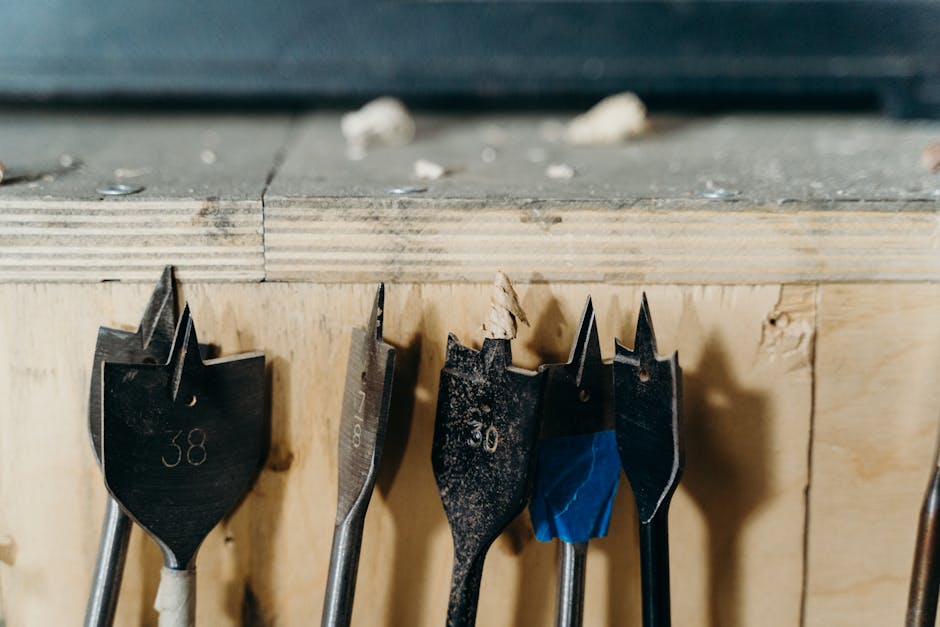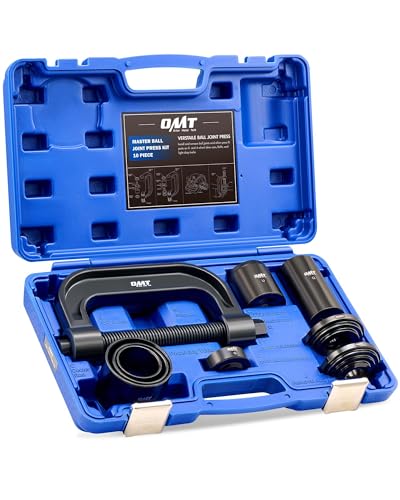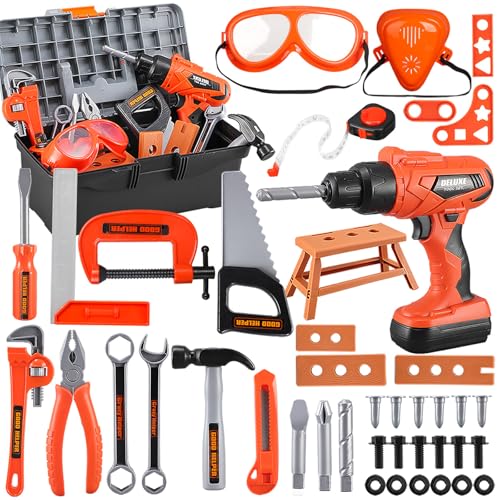
You're standing in your garage, looking at the toolbox filled with your trusty construction tools. You're planning a trip and wondering, "Can I bring these on a plane?"
It's a question many face when preparing for travel, especially if you're heading to a job site far from home. You don't want to be caught without your essential tools, but you also don't want to face any hassles at the airport.
This article will clear up the confusion, offering you simple, easy-to-understand guidance. Imagine the relief of knowing exactly what you can pack and what needs to stay behind. Stick with us, and you'll be equipped with the knowledge to make your journey stress-free and smooth.
Airline Regulations For Construction Tools
Traveling with construction tools requires understanding airline rules. Most tools must go in checked baggage due to security. Small hand tools might be allowed in carry-on, but it's best to check with the airline first.
Navigating the world of airline regulations can be tricky, especially when you're trying to bring construction tools on a plane. Whether you're a contractor heading to a job site or a DIY enthusiast traveling for a project, understanding what you can and cannot bring is crucial. Airlines have specific rules to ensure safety and security, which means some tools might be allowed in your luggage, while others may be restricted. Knowing these rules can save you time and hassle at the airport.
Checked Baggage Vs. Carry-on
When deciding where to pack your construction tools, consider whether they should go in checked baggage or a carry-on. Generally, larger tools and those with sharp edges are best suited for checked baggage. This includes items like hammers, wrenches, and saws. However, some smaller tools, such as screwdrivers under seven inches, might be allowed in carry-on bags. Always check the airline’s specific guidelines beforehand. You wouldn’t want to lose a prized tool at the security checkpoint.
Restricted Items
Not all tools are travel-friendly. Certain items are considered restricted and cannot be brought on a plane, regardless of the type of baggage. Tools like drills, crowbars, and any tool that could be used as a weapon fall into this category. Consider the purpose and design of your tool. If it seems like it could pose a risk, it’s likely restricted. Have you ever had to leave behind a favorite tool? It’s frustrating, but understanding these restrictions can prevent such situations. Tip: Make a checklist of your tools before packing. Cross-reference it with the airline's list of prohibited items to avoid surprises. In your experience, have you found a tool that you thought would be restricted, but wasn’t? Share your insights and help fellow travelers prepare better for their journeys.
Types Of Construction Tools Allowed
Traveling with construction tools can be confusing. Rules differ for each tool type. Understanding these rules helps avoid travel hassles. Learn which tools you can carry on planes.
Hand Tools
Hand tools like screwdrivers and wrenches are often allowed. Pack them in checked luggage. Keep them under seven inches for carry-on bags. Small pliers and hammers must also follow size rules.
Always check tool sizes before flying. Longer tools are not allowed in carry-on bags. Security staff may ask about your tools. Be ready to explain their purpose.
Power Tools
Power tools need special attention. Most cannot go in carry-on bags. Always pack power tools in checked luggage. Safety is a top concern with these items.
Remove batteries from tools before packing. Separate them for added safety. Airlines have strict battery rules. Check the airline's guidelines before your flight.
Some tools might require extra permission. Check with the airline before packing. This ensures a smooth travel experience.
Preparing Tools For Air Travel
Travelers often wonder if they can bring construction tools on a plane. Small tools like screwdrivers and pliers are usually allowed in checked luggage. Larger tools might need special arrangements. Always check airline policies to avoid surprises.
Preparing your construction tools for air travel might seem like a daunting task, but with a little planning, you can ensure a smooth journey. Whether you're a contractor heading to a distant job site or a DIY enthusiast bringing tools for a personal project, knowing how to pack and label your tools is essential. Picture this: you're at the airport, and the security officer asks you to open your luggage. How do you make sure everything is in order and avoid any delays?
Packaging Tips
When packing your tools, consider using a sturdy toolbox or a hard-shell case. This not only protects your tools from damage but also keeps them organized. Wrap sharp tools individually in bubble wrap or cloth to prevent any accidents. This will keep the edges from causing any harm or getting damaged themselves. Use zip ties or straps to secure larger tools, ensuring they don't move around during transit. This prevents any potential damage to your tools and the surrounding items in your luggage.
Labeling Requirements
Labeling your tools is crucial. Clearly label each tool with your name and contact information. This helps in case your luggage is misplaced or if you need to identify your items quickly. Think about adding labels that specify the contents of your toolkit. This can aid security personnel in quickly understanding what they are inspecting, reducing the risk of unnecessary scrutiny. Consider the destination's regulations on tool transport. If you're traveling internationally, check if there are specific labeling requirements in the country you're visiting. Have you ever been caught off guard by different rules abroad? A little research can save you from unexpected surprises. By preparing your tools thoughtfully, you ensure a hassle-free travel experience. Isn't it comforting to know that with a few simple steps, you can avoid delays and focus on the task at hand? Remember, your preparation can make all the difference.
Security Check Procedures
Airlines have strict rules for carrying construction tools on planes. Generally, tools under seven inches are allowed in carry-on bags, while larger tools must go in checked luggage. Always check specific airline policies to avoid surprises at security checkpoints.
Traveling with construction tools can be a bit of a puzzle, especially when you're trying to navigate airport security checks. Understanding the security procedures helps you avoid delays and ensures your tools reach your destination safely. Let’s dive into what you need to know about taking construction tools on a plane.
Tsa Guidelines
The Transportation Security Administration (TSA) has specific rules about what you can and cannot bring on a plane. Tools longer than 7 inches must be packed in checked luggage. This includes items like hammers, drills, and saws. Smaller tools, such as screwdrivers and wrenches, are often allowed in carry-on bags. However, they must be within size limits. Always check the TSA website for the latest guidelines before you fly.
Common Challenges
Travelers often face issues when security officers aren't familiar with certain tools. This can lead to unnecessary delays. You might find yourself having a lengthy conversation about the purpose of each tool. Packaging tools securely is another challenge. Loose tools can damage your bags or other items. Consider wrapping them in protective material or using a sturdy case. Have you ever had to leave a tool behind at security? It’s a frustrating experience. Think ahead about which tools you truly need and if they comply with airline regulations. Bringing tools on a plane might seem daunting, but knowing these procedures can make your travel experience smoother. What’s the most unusual tool you’ve successfully brought through security? Share your stories in the comments!
Tips For Traveling With Tools
Traveling with construction tools can be tricky. Airlines have strict rules. Knowing how to pack tools helps avoid hassles. Proper preparation ensures a smooth journey. Here are tips to travel with tools safely.
Choosing The Right Bag
Pick a sturdy bag for your tools. Hard-shell cases protect sharp items. They also prevent damage to other luggage. Soft cases work for non-sharp tools. Check the bag's weight and size. Make sure it fits airline guidelines.
Some airlines allow toolboxes as checked baggage. Verify this before flying. A toolbox with wheels eases transport. It also reduces strain on your body.
Organizing For Efficiency
Arrange tools neatly in your bag. Use foam or padding for extra protection. It keeps tools secure during transit. Small tools should go in compartments. This prevents them from moving around.
Label each section of your bag. It helps during security checks. Labels also make finding tools quicker. Keep similar tools together. Grouping items saves time when you need them.
Alternatives To Carrying Tools
Traveling with construction tools can be tricky due to airline restrictions. Consider alternatives like renting tools at your destination. Or, use compact multi-tools that are allowed in carry-on luggage.
When planning to travel for a construction project, you might wonder if you can bring your tools on a plane. While it’s possible, there are restrictions and potential hassles to consider. Instead, you might explore alternatives that can save you time and stress.
Shipping Options
Shipping your tools could be a game-changer. Imagine arriving at your destination, and your tools are already there, waiting for you. You can choose from various shipping services that cater specifically to transporting heavy and bulky items. FedEx and UPS, for example, offer reliable services where you can track your shipment and ensure safe delivery. Consider using a sturdy box or case for your tools, clearly labeled with your contact information. The cost might surprise you, often being more affordable than you think, especially when you weigh it against potential airline fees and the hassle of carrying your tools through airport security. Isn't it relieving to know that your tools will be handled by professionals, ensuring they arrive intact and ready for use?
Renting Locally
Renting tools locally can be a practical solution, particularly for short-term projects. Have you ever thought about the convenience of picking up your tools right at the site? Local rental shops offer a wide range of construction tools and equipment, often at competitive rates. You can easily find everything from drills to specialized machinery without the burden of transporting them. This approach not only saves you the effort of carrying heavy tools but also ensures you have access to well-maintained equipment. Plus, if something breaks, you’re not stuck trying to fix it on your own; rental shops typically handle maintenance and repairs. Wouldn't it be handy to have a local contact for any tool-related needs during your project?
Exploring these alternatives can make your travel experience smoother and focus your energy on the job at hand. Which option fits your needs best?
Frequently Asked Questions
Can I Carry Hand Tools In My Luggage?
Yes, you can carry hand tools in checked luggage. Ensure they are under 7 inches in length for carry-on bags. Always check with your airline for specific restrictions or guidelines. Safety is a top priority, so pack tools securely to avoid injury or damage.
Are Power Tools Allowed In Checked Baggage?
Power tools are allowed in checked baggage. Ensure they are packed securely to prevent damage. Remove any batteries to avoid safety hazards. It's advisable to check with your airline for specific restrictions or guidelines regarding power tools.
How Should I Pack Sharp Tools For A Flight?
Sharp tools should be packed in checked luggage. Wrap them securely to prevent injury or damage. Use protective covers or cases for added safety. Check with your airline for any specific packing guidelines or restrictions.
Can You Bring Construction Nails On A Plane?
Construction nails can be carried in checked baggage. They should be securely packed to avoid damage. Carrying them in carry-on luggage is not advised due to potential safety concerns. Always verify with your airline for any specific guidelines or restrictions.
Conclusion
Traveling with construction tools can be tricky. Airlines have strict rules. Always check your airline's policies first. Some tools might be allowed. Others could be prohibited. Hand tools are often fine. Power tools usually need special approval. Carry-on bags have stricter limits.
Sharp tools should go in checked luggage. Packing smartly reduces hassles. Use protective covers to avoid accidents. Remember, safety is key. Securely pack all items. Avoid delays by planning ahead. Contact airline support for any doubts. Proper preparation ensures smooth travel.
Enjoy your journey with peace of mind.