Imagine you're in the middle of a DIY project, and suddenly, your power source is out of reach. Frustrating, right?
But what if you could harness the power of your car battery to keep your tools running smoothly? Yes, it's possible, and it might just be the game-changer you need for those unexpected situations. We'll dive into whether you can run power tools off a car battery and how it might be the perfect backup solution for your projects.
By the end, you'll not only have answers but also practical tips to keep your creativity flowing uninterrupted. Let's explore if your car battery can power up your next big idea!
Basics Of Car Batteries
Understanding the basics of car batteries helps in using them effectively. These batteries power your car's electrical systems. They also provide the energy needed to start the engine. Knowing their types and specifications is crucial.
Types And Specifications
Car batteries come in different types. The most common type is the lead-acid battery. It's reliable and affordable. Another type is the absorbed glass mat (AGM) battery. AGM batteries have better performance. They also last longer. Gel cell batteries are less common. They are suited for specific conditions. Each type has unique specifications. These include size, capacity, and lifespan. Choosing the right one depends on your needs.
Voltage And Current Ratings
Car batteries typically have a voltage of 12 volts. This voltage is standard for most vehicles. Current rating is measured in amperes. It shows the battery's power capacity. Higher ratings mean more power. This is useful for running power tools. Ensure your battery's voltage matches your tool's requirement. It prevents damage and ensures safety.
Power Tools Compatibility
Power tools are essential for various tasks. But their compatibility with a car battery can be confusing. Different tools have different power needs. Understanding these needs helps in making informed decisions. This section explores which power tools are compatible with a car battery.
Understanding Power Requirements
Power tools have specific power requirements. Most require AC (alternating current) power. Car batteries provide DC (direct current) power. This difference is crucial. Using a tool with the wrong power type can damage it. Always check the tool's power needs before connecting it to a car battery.
Some tools need converters to change DC to AC. Converters help in running tools safely. They ensure the right power type is used. This reduces the risk of damage. Always match the tool's voltage with the battery's voltage. This ensures efficient performance.
Tools That Can Run On Dc
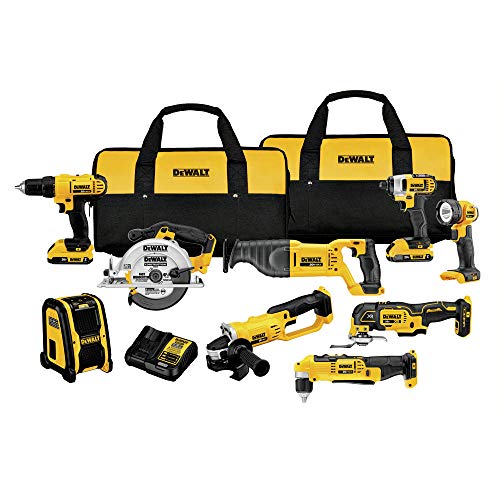
Some tools are designed to run on DC power. These include drills, lights, and small saws. These tools are often labeled as "cordless" or "battery-operated." They are compatible with car batteries. They can be charged using the car battery without converters.
Ensure that the tool's power needs match the battery's output. This ensures smooth operation. Always use tools that are specifically designed for DC power. This ensures safety and efficiency. Choose tools with adjustable voltage settings. This flexibility helps in matching power requirements.
Conversion Methods
Power tools can run off a car battery using an inverter. An inverter converts DC power to AC power. Ensure the inverter matches the tool's wattage requirement for safe operation.
Running power tools off a car battery might seem like a daunting task. But with the right conversion methods, it’s entirely achievable. Whether you're in a bind during a DIY project or just curious about alternative power sources, understanding how to convert a car battery for this purpose can be incredibly useful. Let’s dive into some practical ways to make it happen.
Using Inverters
An inverter is a device that converts the DC power from your car battery into AC power, which most power tools require. Choosing the right inverter is crucial. You'll need to consider the power rating of the inverter. Ensure it matches or exceeds the wattage of your tools. For instance, if your tool requires 500 watts, go for an inverter with a minimum of 500 watts capacity. Connecting the inverter to your car battery is simple. Use alligator clamps to attach the inverter cables directly to the battery terminals. But remember, safety first! Always disconnect the battery before making any connections to avoid sparks.
Direct Connection Techniques
Some power tools can be directly connected to a car battery using adapter kits. This method is less common, but it can be handy when an inverter isn't available. Consider the voltage of your power tool. Most car batteries provide 12 volts, so your tool should match this voltage to avoid damage. Think about your car battery's capacity. Will it sustain the power needed for your tool? A high-drain tool might deplete your battery quickly, leaving you stranded. Always have a backup plan, like an extra battery or a charging system, to ensure continuous operation. Have you ever found yourself mid-project, realizing you need power in a remote location? Exploring these conversion methods could save the day. So, next time you're in a pinch, remember that your car battery might just be the powerful ally you need.
Safety Precautions
Running power tools off a car battery requires careful attention to safety. It involves understanding how to protect the battery and yourself from potential hazards. Avoiding mistakes is key to ensuring safe usage.
Avoiding Overload
Overloading the car battery can cause serious damage. Check the power requirements of your tools. Ensure the battery can handle the load. Use tools with lower power consumption. This reduces the risk of overload.
Monitor the battery's performance constantly. If the battery struggles, stop immediately. Disconnect the tool to prevent damage. Keep an eye on the battery's temperature. Overheating indicates overload.
Preventing Short Circuits
Short circuits can be dangerous. Inspect the wires and connections carefully. Look for frayed wires or loose connections. These can lead to shorts. Ensure all connections are secure.
Use insulated cables to reduce the risk. Avoid using damaged tools. Check tools regularly for any faults. Proper maintenance prevents short circuits. Keeping the battery area clean also helps. Dust and debris can cause shorts.
Real-world Applications
Using a car battery to run power tools is practical for small tasks. Ensure the tools match the battery's voltage and capacity. Ideal for remote or emergency situations where traditional power sources are unavailable.
When you think about using a car battery for power tools, it's not just a theoretical discussion. Real-world applications for this practical idea are numerous and surprisingly useful. Whether you're facing an unexpected situation or tackling projects in remote areas, a car battery can be a handy power source. Let’s explore how you can leverage this in various scenarios.
Emergency Situations
Imagine you're in the middle of a road trip, and your car breaks down in a remote area. You might need to use a power drill to fix something under the hood. With a car battery, you can easily power up the tool and get back on the road. In natural disasters, when the power grid is down, your car battery can be a lifesaver. It allows you to run essential power tools needed for emergency repairs at home. Have you ever thought about how that could save the day?
Outdoor Projects
For those who love camping or working on outdoor DIY projects, relying on a car battery can open up new possibilities. Picture setting up camp in a beautiful location far from urban conveniences. You can run a saw to cut wood for a cozy campfire setup. Building a treehouse for the kids in a spot where extension cords can't reach? Your car battery can power drills and saws with ease, helping you create memories without needing a traditional power source. Think about how much more you can accomplish without being tethered to a wall outlet. In both emergency and outdoor settings, running power tools off a car battery isn't just feasible—it's incredibly practical. Have you ever used a car battery in such a way? What challenges did you face, and how did you overcome them?
Pros And Cons
Running power tools off a car battery is an interesting idea. It offers some advantages but also comes with challenges. Knowing the pros and cons helps make an informed choice.
Advantages Of Using Car Batteries
Car batteries are portable. You can take them anywhere. This makes them handy for remote jobs. They are also readily available. Most people have one in their car. This means you don’t need special equipment. It can save you money.
Car batteries are reliable. They provide consistent power. This consistency is good for many power tools. It ensures tools work efficiently. Many car batteries are long-lasting. They can power tools for a reasonable amount of time.
Limitations And Challenges
Car batteries have limited capacity. They might not power large tools for long. This can interrupt work. It may need frequent recharging. This can be inconvenient.
Some tools require more power than a car battery can provide. This can lead to underperformance. It may even damage the tool. Safety is another concern. Connecting tools incorrectly can be dangerous. It requires careful setup and handling.
Using a car battery can void warranties. Some manufacturers do not recommend it. Always check your tool's manual. Make sure it's safe to use with a car battery.
Tips For Efficient Use
Running power tools off a car battery requires careful planning. First, ensure your power tool voltage matches the battery. Use an inverter for tools needing AC power. Always monitor the battery's charge to prevent draining.
Running power tools off a car battery can be a game-changer when you're in a pinch or far from traditional power sources. But how can you do it efficiently without damaging your tools or the battery? Here are some practical tips to help you make the most out of this setup. Whether you're an avid DIYer or just someone who enjoys occasional projects, understanding these tips can save you time and money.
Maximizing Battery Life
To get the most out of your car battery, it's essential to keep its health in check. Regularly inspect it for any signs of wear and tear. A well-maintained battery delivers better performance. Always ensure the battery is fully charged before using it to power tools. This helps prevent unexpected interruptions in the middle of a task. Consider using a power inverter that matches your tool's wattage requirements. This can help in converting the car battery's DC power to the AC power needed by most tools without overloading the battery.
Choosing The Right Tools
Not all power tools are created equal. Some are more energy-efficient than others. Opt for tools that are designed to consume less power while delivering optimal performance. Evaluate the power needs of your tools. Lower wattage tools tend to be more battery-friendly and can run longer on a single charge. If you're unsure which tool to use, try starting with a smaller, less demanding project. This can help gauge your battery's endurance and the tool's efficiency without risk. When I first tried running a drill off my car battery, I realized the importance of tool selection. I started with a high-wattage drill and quickly depleted the battery. Switching to a lower wattage model made all the difference. Have you ever considered running multiple tools simultaneously? It might be tempting but can drain the battery much faster. Focus on using one tool at a time for maximum efficiency. By paying attention to these details, you ensure that your car battery lasts longer and your power tools perform effectively. Do you have any more tips or personal experiences with this setup? Share your insights!
Frequently Asked Questions
Can A Car Battery Power Tools?
Yes, a car battery can power tools using an inverter. The inverter converts DC to AC, enabling tool operation. However, the battery's capacity limits usage duration and tool type. Ensure the inverter suits the tool's wattage requirements for optimal performance.
What Tools Can Run Off A Car Battery?
Low-power tools like drills, lights, and small saws can run off a car battery. These tools require less energy, making them suitable for battery power. Always check the tool's wattage and battery capacity to ensure compatibility and efficiency.
How Long Can Tools Run On A Car Battery?
Tool runtime on a car battery depends on the battery's capacity and tool wattage. Typically, car batteries can power small tools for several hours. High-wattage tools drain the battery faster, reducing operational time. Always monitor battery levels to prevent depletion.
Is It Safe To Use Power Tools With A Car Battery?
Using power tools with a car battery is generally safe if precautions are taken. Ensure proper inverter setup and tool compatibility. Avoid overloading the battery, as it can cause overheating or damage. Regularly check connections to prevent accidents.
Conclusion
Running power tools off a car battery is possible, yet tricky. You need the right inverter for safe use. Check your tool's power needs first. Inverters change battery power to tool-friendly power. Be cautious of battery drain. Frequent use can drain your car battery fast.
Recharge it often to avoid issues. Consider portable power stations for longer projects. They might be more reliable. Make sure you have the right setup. Safety always comes first. Plan wisely before starting your project. Your tools and car battery must work together well.