Have you ever wondered how much electricity your home appliances actually consume? Or maybe you're curious about how much energy that new gadget is using up.
To get answers, you need the right tools to measure electricity. But with so many options out there, which one should you choose? Understanding electricity usage is not just about cutting down your bills; it’s about gaining control over your energy consumption.
The right tool can provide insights that empower you to make smarter decisions. Imagine knowing exactly where you can save, and seeing the difference it makes on your monthly bill. You'll discover the most effective tools to measure electricity, helping you step up your energy management game. Whether you're looking for a simple plug-in meter or a more sophisticated system, we've got you covered. Dive in to find out how you can harness the power of these tools to transform your energy usage and make a noticeable impact.
Types Of Electricity Measurement Tools
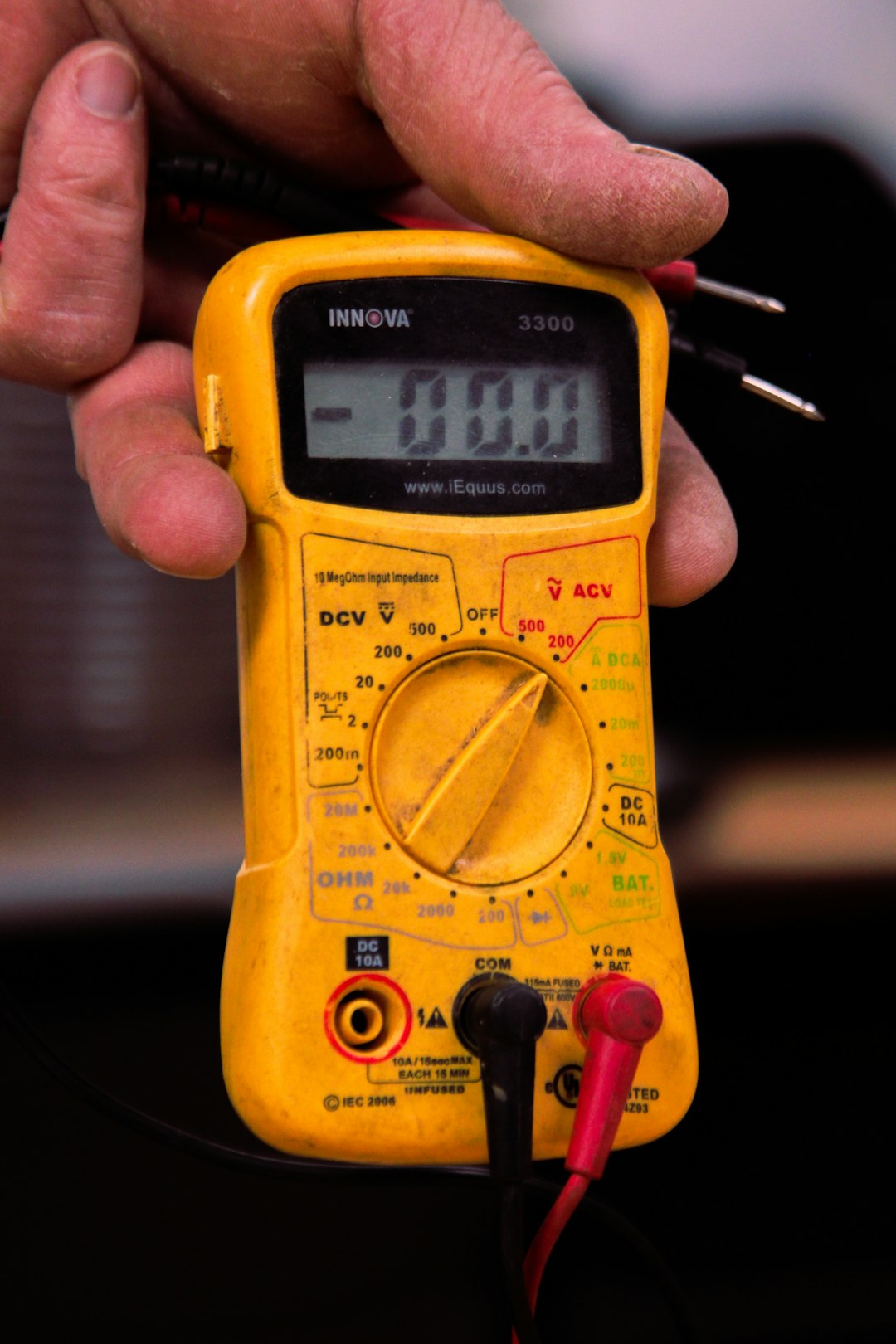
Electricity measurement tools include multimeters, clamp meters, and voltage testers. Multimeters measure voltage, current, and resistance. Clamp meters allow safe current measurement without disconnecting circuits. Voltage testers detect electrical presence quickly and efficiently.
When you're dealing with electricity, having the right tools is crucial. Whether you're a seasoned electrician or a DIY enthusiast, knowing what tool to use can make your work safer and more efficient. Each tool has its own strengths and functions, and understanding them can help you choose the right one for your needs. Let's dive into the types of electricity measurement tools available and see how they can benefit you.
Analog Multimeters
Analog multimeters might remind you of your school science class. They use a needle and dial to show readings, making them feel a bit old-school. Despite their vintage vibe, they are still reliable for measuring voltage, current, and resistance. One advantage of analog multimeters is their ability to show changing trends smoothly. This makes them useful in situations where you need to observe fluctuations. However, reading them accurately requires practice, so they might not be the best choice if you're new to electrical measurements.
Digital Multimeters
Digital multimeters are a step up in terms of ease and accuracy. They display readings on a digital screen, which makes them straightforward to read. This feature is especially beneficial if you're not used to interpreting needle movements. Most digital multimeters come with a range of functions, including measuring voltage, current, and resistance. Some even have advanced options like continuity testing and diode checking. They are generally more user-friendly, making them a popular choice for both beginners and professionals.
Clamp Meters
Clamp meters are unique tools designed for measuring current without direct contact with wires. You simply clamp the meter around a wire, and it measures the current passing through. This is incredibly useful for quick checks and situations where disconnecting wires is impractical. Their non-invasive nature makes them safer for working with high currents. If you frequently troubleshoot circuits, a clamp meter can be a time-saver. Remember, while they excel at measuring current, their other measurement capabilities might be limited compared to multimeters.
Power Meters
Power meters offer insights into energy consumption. They measure how much power an appliance or circuit uses over time. This is particularly useful if you're trying to reduce energy bills or assess the efficiency of electrical systems. Some power meters provide additional data like power factor and harmonic distortion. This makes them invaluable for detailed analysis in commercial or industrial settings. Have you ever wondered how much electricity your gadgets are actually using? A power meter can give you a clear answer, helping you make informed decisions. Choosing the right tool depends on your specific needs. Are you dealing with high current? A clamp meter might be your best bet. Need precise readings? A digital multimeter could be the way to go. Understanding these tools can transform how you work with electricity, making your tasks safer and more efficient. What tool will you choose for your next project?
Features To Consider
Choosing the right tool to measure electricity involves several key features. Each feature ensures you get accurate and safe results. Consider these aspects carefully to make an informed decision.
Accuracy
Accuracy is the most important feature in any electrical measuring tool. Look for tools with low error margins. This ensures you get precise readings every time. High accuracy tools help prevent electrical mishaps. They are essential for professional and personal use.
Ease Of Use
Choose a tool that is easy to operate. Look for intuitive controls and clear instructions. Tools that require less setup save time. They are perfect for both beginners and experts. User-friendly tools increase efficiency and reduce errors.
Display Options
Clear and readable displays are crucial. Choose tools with bright and large screens. Backlit displays are helpful in low-light areas. Some tools offer digital and analog displays. This flexibility can help in different situations.
Safety Features
Safety is paramount in electrical work. Choose tools with protective features. These include overload protection and insulated bodies. Tools with auto shut-off functions add extra safety. Safety certifications are also a good indicator of reliability.
Applications In Different Settings
Electricity measurement tools have diverse applications across different settings. Each setting requires specific tools tailored to its unique needs. Understanding these applications can guide users in selecting the right tool for accurate measurements.
Home Use
In homes, electricity measurement tools help monitor energy consumption. They are essential for tracking how much power appliances use. Homeowners can use them to reduce electricity bills. Smart meters are popular choices for residential use. They provide real-time data on energy use. These tools can also identify electrical faults early.
Industrial Use
Industries demand robust electricity measurement tools. They ensure efficient energy management in large operations. Factories use tools like power analyzers. These devices measure voltage, current, and power factor. They help maintain machinery and prevent downtime. Accurate measurements are crucial for safety. They also aid in optimizing energy use.
Commercial Use
Commercial settings utilize electricity measurement tools for various purposes. They help businesses manage energy costs effectively. Retail stores use them to monitor lighting and HVAC systems. Offices rely on these tools for efficient energy use. Energy audits often use electricity meters for detailed analysis. These tools support sustainable practices in commercial environments.
Emerging Technologies
Emerging technologies are reshaping how we measure electricity. These tools offer precise readings and real-time data. They help us save energy and reduce costs. Let's dive into some of these innovations.
Smart Meters
Smart meters provide real-time electricity usage data. They replace traditional meters and offer many benefits. Users can monitor their usage easily. These meters send data directly to the utility company. This eliminates the need for manual readings. Smart meters help identify usage patterns. They allow users to adjust their habits and save money. They also support renewable energy integration.
Wireless Monitoring Systems
Wireless monitoring systems offer remote access to electricity data. They use sensors to track consumption across devices. These systems send information to a central hub. Users can view data through apps or websites. This technology helps spot inefficient devices quickly. It provides alerts for unusual spikes in consumption. Wireless systems improve energy management effortlessly. They enhance safety by detecting faults early.
Choosing The Right Tool
Choosing the right tool to measure electricity is crucial for obtaining accurate data and ensuring safety. With a plethora of options available, how do you decide which tool is perfect for your needs? Your choice should factor in aspects like budget and specific requirements. Let’s dive into these considerations to help you make an informed decision.
Budget Considerations
When selecting an electricity measuring tool, budget is a key factor. You might be tempted to go for the cheapest option, but this could compromise accuracy and reliability. On the other hand, a high-end device may offer features you don’t really need.
Consider what you can realistically spend without stretching your finances. A practical approach is to list the essential features you need. This helps you find a balance between cost and functionality. Have you thought about setting a budget range rather than a fixed amount?
Specific Needs Assessment
Understanding your specific needs is essential in choosing the right tool. Are you a homeowner looking to monitor your energy consumption? Or perhaps a technician who requires precise measurements for professional tasks?
Different tools cater to different needs. For instance, a simple plug-in electricity monitor might be perfect for home use. However, a multimeter with advanced features could be essential for a professional electrician.
Think about the environment in which you’ll use the tool. Does it need to be portable, or will it stay in one place? Assessing your specific requirements ensures you get a tool that fits your purpose perfectly.
Choosing the right electricity measuring tool can seem daunting, but breaking it down into budget and specific needs makes the process manageable. What are your top priorities when selecting a tool?
Maintenance And Calibration
Electricity measurement tools include multimeters and clamp meters. Multimeters measure voltage, current, and resistance. Clamp meters measure current without direct contact. Regular maintenance and calibration ensure accurate readings.
When it comes to measuring electricity, the accuracy of your tools is crucial. Imagine relying on a faulty tool and miscalculating your energy consumption. Regular maintenance and calibration are key to ensuring your measurement tools deliver precise readings. Without these practices, you might face unexpected errors or even equipment failure. You need to know how to keep your tools in top shape.
Routine Checks
Routine checks are essential for maintaining your electricity measuring tools. It’s like taking your car for regular service. You wouldn’t skip an oil change, right? Similarly, a quick inspection can reveal any visible damage or wear in your tools. Check for loose connections, cracks, or any unusual signs. Make it a habit to clean the devices. Dust and debris can interfere with accuracy. Use a soft cloth or brush to gently remove any particles. Documenting these checks can be helpful. A simple log can help track any recurring issues and decide when professional help is needed. Do you keep track of your tool's health?
Professional Calibration Services
While routine checks are within your control, professional calibration services offer another layer of reliability. These services ensure your tools are accurate according to industry standards. They fine-tune the devices to eliminate any discrepancies. Certified technicians use specialized equipment to adjust your tools. This process might sound complex, but it’s like taking your gadget to an expert who knows it inside out. They provide a calibration certificate. This document is proof that your tool is ready to deliver precise results. Wondering if your tools need calibration? Check the manufacturer’s recommendations or consult with a professional. Remember, an accurately calibrated tool not only saves energy but also money. So, when was the last time you got your tools professionally checked? Keep your electricity measuring tools in peak condition. Regular maintenance and calibration ensure they deliver reliable results. What steps will you take to ensure your tools are accurate?
Frequently Asked Questions
What Tool Measures Electricity Accurately?
An electricity meter is commonly used to measure electricity consumption accurately. These devices track how much energy is used in homes or businesses. The readings help calculate your electricity bill based on usage, ensuring precise billing and monitoring of energy efficiency.
How Does An Electricity Meter Work?
Electricity meters work by measuring the flow of electric current in a circuit. They record the amount of electricity used over time. Modern meters may also track peak usage times and provide data for energy management, helping users understand their consumption patterns.
Can A Multimeter Measure Electricity Usage?
A multimeter can measure voltage, current, and resistance but not electricity usage over time. It's used for testing and troubleshooting electrical circuits. For measuring consumption, an electricity meter is required, as it records usage continuously and provides detailed data for billing.
Why Is Electricity Measurement Important?
Electricity measurement is crucial for managing energy costs and consumption. It helps identify areas to improve energy efficiency and reduce bills. Accurate measurements ensure proper billing and help monitor usage patterns, contributing to sustainable energy practices.
Conclusion
Choosing the right tool to measure electricity is vital. It ensures safety and accuracy in your work. Multimeters, clamp meters, and energy monitors all serve unique purposes. Each offers specific features suited to different needs. Consider the type of measurement you require.
Also, think about ease of use and budget. Understanding your tools helps prevent mistakes. It also improves efficiency in electrical tasks. Explore options and select wisely. Remember, a well-chosen tool makes all the difference. Accurate measurements lead to better results.
So, invest time in finding the best fit for your needs.