Imagine you're in the middle of an important project, relying on your trusty electric tools to get the job done. Suddenly, you notice something alarming—a break in the insulation.
This isn't just a small hiccup; it could be a potential hazard. Insulation breaks in electric tools can lead to serious safety risks, electrical shocks, or even fires. You might wonder, "How did this happen? " And more importantly, "What should I do now?
" We're diving deep into the world of electric tool insulation, uncovering why breaks occur, how to spot them before they become a danger, and the steps you can take to ensure your safety. We’ll empower you with knowledge so that you can confidently handle and maintain your tools, keeping your workspace secure and efficient. Stay with us to learn how you can protect yourself and extend the life of your tools. After all, when it comes to safety, prevention is always better than cure.
Identifying Insulation Breaks
Electric tools with broken insulation can pose serious risks. Identifying these breaks is crucial for safety. Regular inspection helps detect insulation damage early, preventing potential electrical hazards.
Identifying breaks in the insulation of your electric tools is crucial for safety and efficiency. When the insulation is compromised, it can lead to electrical shocks or damage to the tool itself. Knowing how to spot these breaks can save you from costly repairs or dangerous accidents. Have you ever wondered how you can easily identify these insulation breaks without being an electrical expert? Let's dive into some practical and actionable ways to spot them.
Common Signs Of Damage
Recognizing the typical signs of insulation damage can be straightforward. Look for cracks or splits in the insulation material, as these are clear indicators of wear and tear. Is your tool suddenly giving you mild shocks? This might be a telltale sign that the insulation is failing. Another common symptom is discoloration or burn marks on the tool or cord. These marks suggest overheating, which often happens when the insulation is compromised. Keep an eye out for any unusual smells, like burning plastic. Such odors often accompany insulation issues.
Visual Inspection Techniques
A simple visual inspection can go a long way in identifying insulation breaks. Begin by carefully examining the entire length of the cord or tool casing. Use a bright flashlight to spot any hidden damage. Rotate the tool slowly, paying attention to any exposed wires or unusual texture changes in the insulation. You might notice some areas feel thinner or more brittle than others. These are red flags indicating potential breaks. Ensure you inspect all connection points, such as plugs and junctions, where damage might start. Do you often overlook these areas? They are critical because they endure more stress during use.
Testing For Electrical Leaks
Testing for electrical leaks can confirm your visual findings. One effective method is using a multimeter to check for unexpected current flow. If you’re unfamiliar with multimeters, they are handy devices that measure voltage, current, and resistance. Set your multimeter to the appropriate setting and test for continuity across the insulation. No continuity means a break is present. Do you notice erratic readings? This could indicate intermittent faults in the insulation. Consider using a non-contact voltage tester for added safety. These devices can detect voltage presence without direct contact, highlighting insulation breaches without risk. By taking these steps, you can identify insulation breaks in your electric tools, ensuring they remain safe and functional. Remember, regular inspection and maintenance can prolong the life of your tools and keep you safe. What’s your next step in safeguarding your tools?
Immediate Actions To Take
Identify the break in the electric tool's insulation quickly. Unplug the tool immediately to ensure safety. Repair or replace the damaged insulation before using the tool again.
When you encounter a break in the insulation of an electric tool, it’s crucial to act swiftly and responsibly to prevent potential hazards. Electric tools are powerful helpers in our daily tasks, but damaged insulation can expose you to risks such as electric shocks or short circuits. Knowing what to do immediately could save you from injuries and unnecessary expenses. Let's dive into the immediate steps you should take when faced with this situation.
Disconnecting The Tool
The first and most critical step is to disconnect the tool from the power source. Unplug it from the socket or switch off the circuit breaker. This action cuts off any electrical supply, reducing the risk of electric shock. Never touch the damaged part while the tool is still connected to power. Even a minor touch can lead to serious injuries. Always prioritize your safety by ensuring the tool is completely isolated from electricity.
Removing From Use
Once disconnected, set the tool aside to ensure it is not used inadvertently. Clearly label it as "Out of Order" or "Do Not Use" to alert others. This simple action can prevent accidents, especially in busy work environments where tools are shared. It's wise to inform your coworkers or family members about the tool's condition. Have you ever found yourself using a tool and suddenly realized it was broken? Avoiding such surprises helps maintain a safe environment for everyone involved.
Assessing The Extent Of Damage
Examine the tool carefully to determine the extent of the insulation damage. Look for any visible tears, wear, or exposed wires. Use a flashlight if needed to get a clearer view of difficult-to-see areas. Consider whether the damage is something you can fix or if it requires professional repair. A small tear might be manageable with some electrical tape, but more severe damage might need a technician’s expertise. Have you ever tried fixing something only to make it worse? Knowing your limits can save you time and potential hazards. Understanding these immediate actions can make a significant difference in handling broken insulation in electric tools. Your timely response not only protects you but also ensures the safety of those around you. Take these steps seriously and always prioritize safety.
Preventing Electric Shock
Electric tools are essential in daily tasks. Their safety is crucial. Breaks in insulation can lead to electric shock. Prevention is key. Understanding risks and taking precautions protects users. Awareness saves lives.
Using Personal Protective Equipment
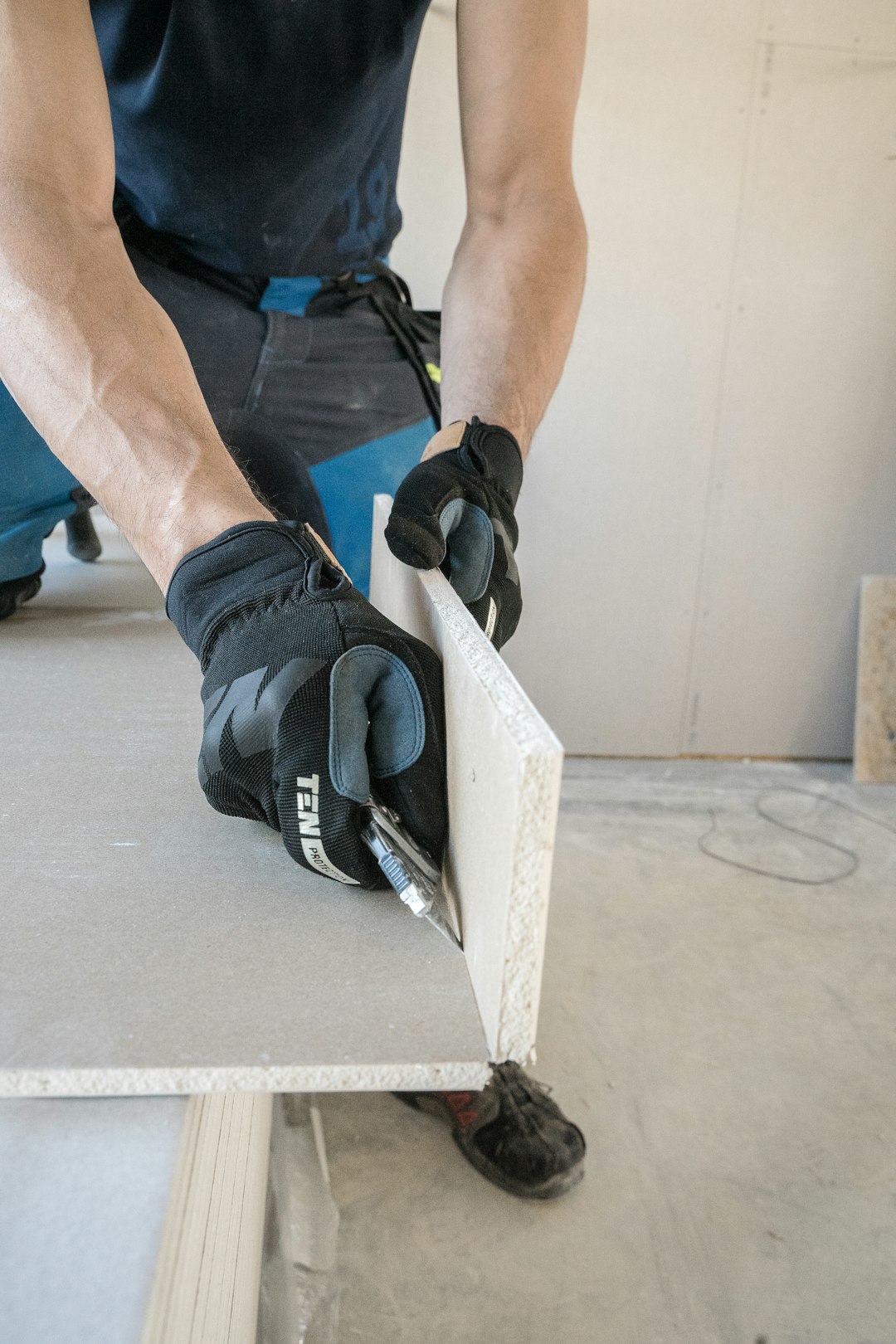
Wearing protective gear reduces shock risk. Gloves and boots with insulation are vital. They prevent electricity from reaching the skin. Safety glasses protect eyes from sparks. Protective equipment is a barrier against danger.
Maintaining A Safe Distance
Distance matters when using electric tools. Keep tools away from the body. Avoid touching metal parts directly. Maintain a safe gap from the tool's working area. Proper distance minimizes contact with electricity.
Avoiding Wet Environments
Water conducts electricity easily. Avoid using tools in wet areas. Dry surroundings decrease shock risk. Keep tools dry and away from moisture. Wet conditions increase danger significantly. Safety is ensured in dry spaces.
Repair And Maintenance
Electric tools are essential for many tasks. Breaks in their insulation can pose serious risks. Repair and maintenance are crucial to ensure safety. Fixing insulation can prevent accidents. It also prolongs the life of your tools. Let's explore how to handle these repairs effectively.
Professional Repair Services
Professional repair services offer reliable solutions. Experts can handle complex repairs safely. They have the right tools and experience. Hiring professionals ensures quality work. It saves time and reduces risk.
Diy Repair Kits
DIY repair kits are available for minor fixes. These kits come with necessary materials and instructions. They are cost-effective and easy to use. Follow instructions carefully to avoid mistakes. DIY kits are great for simple insulation repairs.
Regular Maintenance Practices
Regular maintenance helps prevent insulation breaks. Inspect tools for wear and tear frequently. Clean them after each use. Store tools in a dry place to avoid damage. Regular checks keep tools in good condition. This practice enhances safety and efficiency.
Safety Training And Awareness
Safety training and awareness are crucial in handling electric tools. A break in insulation can lead to severe injuries or accidents. Proper education on safety can prevent these mishaps.
Educating Users On Tool Safety
Users must understand the risks of faulty insulation. Training sessions should cover tool inspection techniques. Highlighting common issues like wear and tear helps. Make sure to teach proper handling practices. This reduces the chance of accidents.
Recognizing Hazards
Identifying hazards is a key part of safety. Teach users to spot cracks or damaged cables. They should know the signs of overheating. Awareness of surrounding conditions is also vital. Damp areas increase the risk of electric shock.
Promoting Safe Work Habits
Encourage the use of personal protective equipment. Gloves and goggles can prevent injuries. Stress the importance of regular tool maintenance. Cleaning and servicing tools extend their lifespan. Safe habits create a secure work environment.
Choosing Safe Tools
Choosing safe tools is essential when dealing with electric tools, especially when there's a break in insulation. You might think it's a small issue, but it can lead to severe hazards, including electric shocks or fires. Your first step towards safety is selecting the right insulated tools that can protect you from these risks.
Features Of Insulated Tools
When looking for insulated tools, focus on the features that enhance safety. Tools should have a durable layer of insulation that withstands wear and tear. Check for ergonomic designs that offer a secure grip, reducing the chances of slipping. You might also find tools with a non-conductive core, adding an extra layer of protection.
Recommended Brands
Certain brands specialize in producing high-quality insulated tools. Klein Tools is known for its reliable insulation and sturdy design. Wiha Tools offers precision and safety, making it a favorite among professionals. Consider Knipex for a range of insulated pliers and cutters that are trusted for their durability.
Certifications To Look For
Certifications ensure that your tools meet industry standards for safety. Look for VDE certification, indicating tools are tested for electrical safety. IEC certification is another mark of quality, ensuring global standards are met. It's crucial to check for these certifications to ensure you're not compromising on safety.
Have you ever thought about the risks of using poorly insulated tools? It’s worth considering how a simple investment in the right tool can save you from potential dangers. Always prioritize your safety and choose wisely.
Emergency Response Plans
Electric tool insulation breaks demand immediate action to prevent hazards. Swiftly unplug tools and inspect for damage. Implement emergency response plans to ensure safety and mitigate electrical risks effectively.
When there's a break in an electric tool's insulation, swift action is crucial. An emergency response plan is your best friend in these situations. Being prepared can mean the difference between a minor inconvenience and a major disaster. This section will guide you through the essential steps you need to take when faced with such an emergency.
First Aid Procedures
Immediate first aid is essential if someone gets shocked. Ensure the power source is turned off before you approach. Use a wooden stick or a non-conductive material to separate the person from the source if needed. Once the person is free from the electrical source, check for breathing and pulse. If they are not breathing, start CPR immediately. Keep a first aid kit accessible in your workspace at all times.
Contacting Emergency Services
After administering first aid, call for emergency services without delay. Provide them with clear and concise information about the incident. Mention the location, the condition of the injured person, and any first aid given. Don't assume someone else will make the call. It's better to have multiple calls than none at all. Stay on the line until the emergency operator says it's okay to hang up.
Documenting Incidents
Documenting the incident is vital for future reference and insurance claims. Write down what happened, including the time, location, and the sequence of events. Take photos if possible, as visual evidence can be invaluable. Keep records of any medical treatment given and the response from emergency services. These details can help improve safety measures and prevent future accidents. Have you ever thought about how prepared you are for such emergencies? Consider running regular drills to keep your team ready and aware. It's not just about having a plan; it's about making sure everyone knows it.
Frequently Asked Questions
What Happens If Tool Insulation Breaks?
A break in insulation exposes users to electrical hazards. It increases the risk of electric shock. This can lead to serious injury or even fatality. Repairing the insulation promptly is crucial. Always prioritize safety by using tools with intact insulation.
How Can I Identify Insulation Damage?
Look for cracks or frayed wires on your tool. Inspect the tool's insulation regularly. Pay attention to unusual sparks or shocks during use. These signs indicate potential insulation damage. Address issues immediately to avoid electrical risks.
Why Is Insulation Important For Electric Tools?
Insulation provides a protective barrier against electrical currents. It prevents electric shock by containing the current within the tool. Good insulation ensures safe tool operation. It also prolongs the tool's lifespan. Prioritize maintaining intact insulation for safety.
Can Broken Insulation Be Fixed At Home?
Small insulation breaks can be fixed using electrical tape. Ensure the tape fully covers the damaged area. For major damage, consult a professional. Professional repair ensures safety and tool reliability. Regular checks prevent insulation problems.
Conclusion
Electric tool insulation breaks can lead to serious risks. Always check for damage before use. Protect yourself by wearing safety gear. Inspect tools regularly for signs of wear. Replace or repair faulty insulation immediately. Prioritize your safety every time you handle electric tools.
Proper maintenance prevents accidents and ensures tools function correctly. Stay informed about safe handling practices. Share this knowledge with family and friends. Keeping tools in good condition protects everyone. Safety should always come first, whether at home or work. Stay aware, stay safe, and keep your tools in top shape for reliable use.