Imagine transforming a simple stone into a piece of art with your own hands. It's not just a hobby; it's a way to express your creativity and connect with the ancient art of stone carving.
You don't need fancy machines or a professional workshop to start. With the right hand tools, you can carve stone right in your backyard or garage. This guide will show you how to make this possible, even if you're a beginner.
You'll discover simple techniques and expert tips to help you unleash your artistic potential. Are you ready to turn ordinary stones into extraordinary creations? Let's dive in and start carving!
Choosing The Right Stone
Selecting the perfect stone is crucial for hand carving. Consider the stone's texture and hardness. Softer stones like limestone are easier for beginners. Harder stones, like granite, require more effort and skill. Evaluate the stone's grain and color to match your artistic vision.
Choosing the right stone is a crucial step in the art of stone carving. Picking the ideal stone can mean the difference between an enjoyable project and a frustrating experience. You want a stone that's not only suitable for your skill level but also complements the design you have in mind. Let's dive into some key considerations to ensure you start off on the right foot.
Types Of Stones
Different stones offer different carving experiences. Marble, limestone, soapstone, and alabaster are popular choices among carvers. Marble is known for its elegance and is often used for intricate designs. Limestone is easier to carve and is great for practicing new techniques. Soapstone, with its smooth texture, is forgiving and ideal for beginners. Consider what you wish to create. A delicate sculpture may benefit from alabaster, while a robust piece might be better suited to marble. Each stone brings its own personality to your creation.
Stone Hardness Levels
Stone hardness levels are vital to understand. This is measured on the Mohs scale, which ranks stones from 1 (soft) to 10 (hard). Soapstone and alabaster are softer, making them easier to work with hand tools. Marble and granite are harder, requiring more effort and time. Understanding hardness helps in tool selection too. Softer stones can be shaped with chisels and rasps, while harder stones may need more robust tools. Ask yourself: What level of challenge are you ready to take on?
Selecting A Stone For Beginners
As a beginner, you might feel overwhelmed by choices. Starting with a softer stone like soapstone or alabaster can ease you into the process. These stones allow you to focus on technique rather than wrestling with the material. Visit a local stone supplier and feel the stones. Don't be afraid to ask questions or seek advice from experienced carvers. Your first stone is more than a material; it's the start of your carving journey. Remember, the right stone can inspire and motivate you. So, what will your first creation be?
Essential Hand Tools
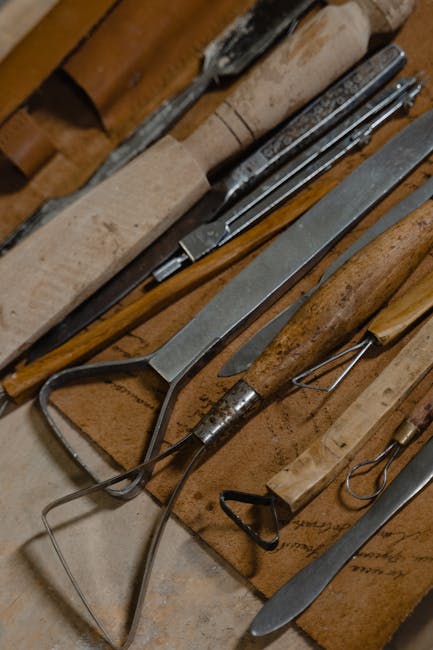
Carving stone is a rewarding craft. It requires patience and the right tools. Using hand tools gives you control over each detail. With practice, you can create beautiful pieces. Let's explore the essential tools needed for this art.
Chisels And Their Uses
Chisels are vital for stone carving. They come in various shapes. Point chisels make rough marks. Tooth chisels refine surfaces. Flat chisels smooth the stone. Choose the right chisel for each step. This ensures a quality finish.
Mallets For Stone Carving
Mallets work hand in hand with chisels. They help drive the chisel into the stone. Wooden mallets are common. Rubber mallets are also popular. Pick one that feels comfortable. The right weight balances control and power.
Rasps And Files
Rasps and files add final touches. They smooth the stone surface. Rasps are coarse. Use them for shaping. Files are finer. They polish and refine. Select based on the stone type. The right tool makes the process smoother.
Safety Precautions
Carving stone with hand tools is a rewarding endeavor. Yet, safety is essential. Protect yourself and your surroundings. Follow these safety guidelines closely. Avoid accidents and injuries during your work.
Protective Gear
Wear safety goggles to shield your eyes from flying debris. Gloves protect your hands from sharp edges and stone dust. Use ear protection if noise levels are high. A dust mask helps keep harmful particles from your lungs.
Safe Work Environment
Ensure your workspace is clean and organized. Remove any clutter that might cause accidents. Keep your tools within easy reach. A well-lit area helps you see clearly while working. Maintain a stable work surface to prevent shifting.
Handling Tools Safely
Use tools with care and control. Hold them firmly to avoid slips. Keep your fingers away from cutting edges. Inspect tools regularly for damage. A broken tool can be dangerous. Store tools safely when not in use.
Preparing The Stone
Preparing the stone involves selecting the right tools for carving. Start with chisels and hammers to shape the stone. Ensure the surface is clean and free of debris before beginning.
Preparing the stone is a crucial step in the art of stone carving. Without proper preparation, your carving efforts can be hampered. Setting a solid foundation ensures you achieve the desired results with less frustration and more satisfaction. Let's break down how to get your stone ready for carving, ensuring that every chip and chisel is just right.
Cleaning And Inspecting
Start by cleaning the stone thoroughly. Dust and debris can hide imperfections that might affect your design. Use a soft brush and water to gently scrub away dirt. Once cleaned, inspect the stone closely. Look for cracks or weaknesses. These can affect the stability and quality of your carving. It's better to discover flaws now than halfway through your masterpiece. Have you ever found a crack you didn't expect? It can be a frustrating setback, but it's also an opportunity to adjust your plan and perhaps create something even more unique.
Marking And Planning The Design
With a clean and inspected stone, it's time to plan your design. Use a pencil or chalk to mark the stone. This allows you to visualize your idea before committing to the chisel. Consider the stone's natural shape. How can it enhance your design? Sometimes the stone itself can guide your creative process. Planning also helps avoid mistakes. A clear blueprint on the stone ensures each cut is intentional and precise.
Securing The Stone
Before you start chiseling, secure the stone. A stable stone prevents accidents and ensures each strike is accurate. Use a sturdy workbench with clamps to hold the stone in place. This setup gives you control and confidence as you work. Have you ever tried to carve without securing the stone? It's a lesson many learn the hard way. Movement can lead to uneven cuts and potential injury. Safety and stability are key to successful stone carving. By preparing your stone with these steps, you set yourself up for a rewarding carving experience. What will your next masterpiece be?
Basic Carving Techniques
Learning to carve stone by hand is an art. It demands patience and skill. Understanding basic carving techniques is essential. These techniques form the foundation of your stone carving journey. They guide you through each step, ensuring your work is precise and beautiful. With the right approach, you can create stunning stone sculptures.
Roughing Out The Shape
Begin with roughing out the shape. Use a point chisel or a pitching tool. These tools help remove large chunks of stone. Work carefully to outline the basic form. This stage requires more effort and strength. Keep your vision clear. Mark guidelines on the stone to stay on track. This helps maintain symmetry and proportion.
Detailing With Chisels
Next, focus on detailing with chisels. Use a claw chisel for refining shapes. It helps define features and adds depth. Be gentle with your strokes. Gradually reveal the finer details. Pay attention to contours and textures. This stage transforms your rough shape into something recognizable. It requires precision and focus.
Smoothing And Finishing Touches
Finally, move to smoothing and finishing touches. Use rasps and rifflers to smooth surfaces. Remove any unwanted marks or rough edges. Achieve a polished look with sandpaper. Work in a circular motion for even smoothing. Aim for a clean and refined finish. This step enhances the overall beauty of your piece.
Troubleshooting Common Issues
Carving stone with hand tools can lead to common issues like tool slipping or stone chipping. Ensure proper grip and steady pressure to avoid mishaps. Regular tool maintenance and choosing the right stone can enhance the carving experience.
Carving stone with hand tools is a rewarding yet challenging endeavor. As you chip away at your stone, you might encounter unexpected issues that could disrupt your creative flow. Understanding how to troubleshoot these common problems is essential for both novice and experienced sculptors. Let’s dive into some practical solutions for the challenges you might face.
Dealing With Cracks
Cracks in the stone can be frustrating, especially after hours of diligent work. If you notice a crack, stop and assess its direction and depth. Decide if it can be part of the design or if it needs repairing. To prevent further damage, use a stabilizing solution to fill small cracks. This can strengthen the area, allowing you to continue carving without worry. In cases where the crack is severe, consider altering your design slightly to accommodate the flaw.
Correcting Mistakes
Mistakes happen, even to the most seasoned artists. The key is not to panic. Stay calm and evaluate the error. If you remove too much material, think creatively about how to adapt your design. Sometimes, what seems like a mistake can lead to a unique feature in your sculpture. Always keep a flexible mindset; this can turn setbacks into new opportunities.
Maintaining Tool Sharpness
Dull tools are a common hurdle that can make carving inefficient and tiring. Regular maintenance of your tools is crucial for effective stone carving. Sharpening your chisels frequently will ensure precise cuts and reduce the chance of mistakes. Invest in a good quality sharpening stone and learn the proper technique to keep your tools in top shape. Remember, sharp tools not only make your work easier but also safer. Have you checked the sharpness of your tools recently? It might be time for a quick tune-up. Carving stone requires patience and problem-solving skills. By addressing these common issues head-on, you can maintain your momentum and continue to create beautiful works of art.
Advanced Techniques
Stone carving with hand tools involves precise techniques. Start with chisels and mallets for shaping. Then, use rasps and files to smooth surfaces. Patience and practice are key.
Carving stone by hand is a skill that evolves with practice and patience. Once you've mastered the basic techniques, moving on to advanced methods can elevate your craftsmanship to new heights. These techniques allow you to create stunningly detailed pieces, adding depth and character to your work. As you delve into these advanced skills, you'll notice that your ability to express creativity through stone becomes more profound and satisfying.
Creating Intricate Designs
Intricate designs require precision and a keen eye for detail. Start by sketching your ideas directly onto the stone. Use a pencil to mark the outlines, which acts as a guide during carving. To achieve depth, utilize various chisel sizes. Small chisels help you define the finer details, while larger ones shape the overall structure. Do you have a favorite pattern or motif? Incorporate it into your design to personalize your creation. For instance, I once carved a Celtic knot, which taught me the importance of patience and steady hands.
Incorporating Textures
Textures add visual interest and tactile appeal to your stone carvings. Explore different finishes like smooth, rough, or polished surfaces to bring your piece to life. Use tools such as rasps and riffler files to achieve varied textures. Experiment with cross-hatching or stippling for unique effects. Textures can transform a simple design into something extraordinary. Imagine running your fingers over the stone and feeling the depth of your work. Which textures resonate with your artistic style?
Carving In The Round
Carving in the round involves creating sculptures that are viewable from all angles. Start by choosing a stone that suits your vision. Consider the size and shape that will best express your idea. Use a combination of chisels and mallets to carve out the form. Gradually refine the details, ensuring symmetry and balance. Is there an object or figure that inspires you? Try capturing its essence in your stone sculpture. When I attempted my first round carving, a simple stone bird, it taught me the value of observing real-life forms closely. Advanced techniques in stone carving invite you to push boundaries and explore new realms of creativity. By embracing these methods, you can craft pieces that are not only beautiful but also deeply personal. What will you carve next that challenges your skills and imagination?
Preserving Your Work
Preserving the beauty and integrity of your stone carvings is essential. Once your masterpiece is complete, taking steps to protect it ensures its longevity. This involves careful sealing, strategic displaying, and regular maintenance. These steps keep your work safe from environmental damage and wear.
Sealing And Protecting
Sealing your stone carvings is the first step. It shields them from moisture and stains. Choose a sealer suitable for your stone type. Follow the manufacturer's instructions for application. A well-sealed piece remains vibrant and strong. Reapply the sealer as needed, usually every one to two years.
Displaying Finished Pieces
Where you display your stone carvings matters. Indoors, avoid direct sunlight and humid areas. Outdoors, select a location with stable weather conditions. Consider placing your piece on a sturdy pedestal. This prevents damage from ground moisture and accidental knocks. Displaying with care enhances both beauty and durability.
Long-term Care Tips
Regular cleaning is vital for long-term care. Use a soft, damp cloth to wipe dust. Avoid harsh chemicals that can damage the stone. Inspect your carvings periodically for signs of wear. Address small issues before they become large problems. Regular attention keeps your artwork in peak condition.
Frequently Asked Questions
What Are Essential Stone Carving Tools?
Essential stone carving tools include chisels, hammers, and rasps. Chisels help in detailed work, while hammers shape the stone. Rasps smooth the surface. Safety gear like goggles and gloves are crucial. Starting with basic tools is recommended for beginners.
How Do I Choose The Right Stone?
Choosing the right stone depends on your project and skill level. Softer stones like alabaster are easier for beginners. Harder stones like marble require more skill. Consider texture, availability, and cost. Visiting a local supplier can provide guidance on suitable options.
Can Beginners Carve Stone Easily?
Yes, beginners can carve stone with patience and practice. Start with simple designs and soft stones. Invest in basic tools and safety gear. Online tutorials and workshops can provide guidance. Gradually, skills improve, allowing for more complex projects.
What Safety Measures Are Needed For Stone Carving?
Safety measures include wearing protective goggles and gloves to prevent injuries. Use dust masks to avoid inhaling particles. Ensure tools are in good condition. Maintain a clean workspace to prevent accidents. Regular breaks help manage fatigue during carving.
Conclusion
Carving stone by hand offers a rewarding experience. It connects you with history and creativity. Using basic tools makes the process simple and accessible. Patience and practice lead to better skills and results. Stone carving can be a peaceful and fulfilling hobby.
It allows personal expression through timeless art. Start small and gradually take on bigger projects. Always prioritize safety while working. Enjoy the journey of shaping stone into beautiful forms. Embrace the satisfaction of creating something unique with your hands. Happy carving!