Imagine you’re standing in your garage or workshop, ready to tackle your next project. But before you get started, you need to know what 100 pounds of hand tools actually looks like.
Is it a mountain of metal, or just a modest collection? This is more than just a curiosity; it’s a practical question that can influence how you organize your workspace and manage your projects. As you delve deeper, you’ll discover how the weight and volume of these tools can affect everything from your storage solutions to your productivity.
Get ready to uncover the surprising facts about your trusty tools and how they might be impacting your efficiency and space. Stay with us, and you might just rethink how you handle your tools.
The Weight Of Hand Tools
Imagine carrying a hefty backpack filled with wrenches, hammers, and screwdrivers. That's what 100 pounds of hand tools looks like. This weight equals carrying a small child or medium-sized dog, showcasing the power and durability packed into these essential tools.
When you think about 100 pounds of hand tools, what comes to mind? It's a surprisingly hefty collection, and understanding its weight can help you appreciate the importance of selecting the right tools for your needs. Whether you're a DIY enthusiast or a professional tradesperson, knowing the weight of your tools can impact your efficiency and safety.
Common Tool Types
Different tools have different weights, and 100 pounds of tools can include a variety of items. A hammer might weigh around 1 to 2 pounds, while a wrench set could add up to about 10 pounds. Imagine a toolbox filled with screwdrivers, pliers, and tape measures—these lighter tools can quickly add up in weight. Consider a drill; it can weigh between 3 to 6 pounds, depending on its size and power. Balancing the types and weights of tools you carry can make a big difference in your workday.
Impact Of Material
The material of your hand tools significantly affects their weight. Tools made from steel are durable but can be heavy. On the other hand, tools made from aluminum or titanium are lighter and still offer strength, although they might come at a higher cost. Plastic-handled tools might be lighter but could lack the durability of metal-handled versions. Have you ever considered how much time you spend lifting and moving your tools? Choosing the right materials can reduce strain and improve your productivity. How often do you assess the weight of your toolbox? Could lighter tools improve your efficiency or comfort? Understanding the weight of hand tools is not just about numbers; it's about optimizing your work and ensuring your tools are an asset, not a burden.
Visualizing 100 Pounds
Visualizing 100 pounds of hand tools can be challenging. This weight is substantial and can surprise many people. Imagining such a collection helps grasp its physical presence. Let's break down this visual into two key aspects.
Size And Volume
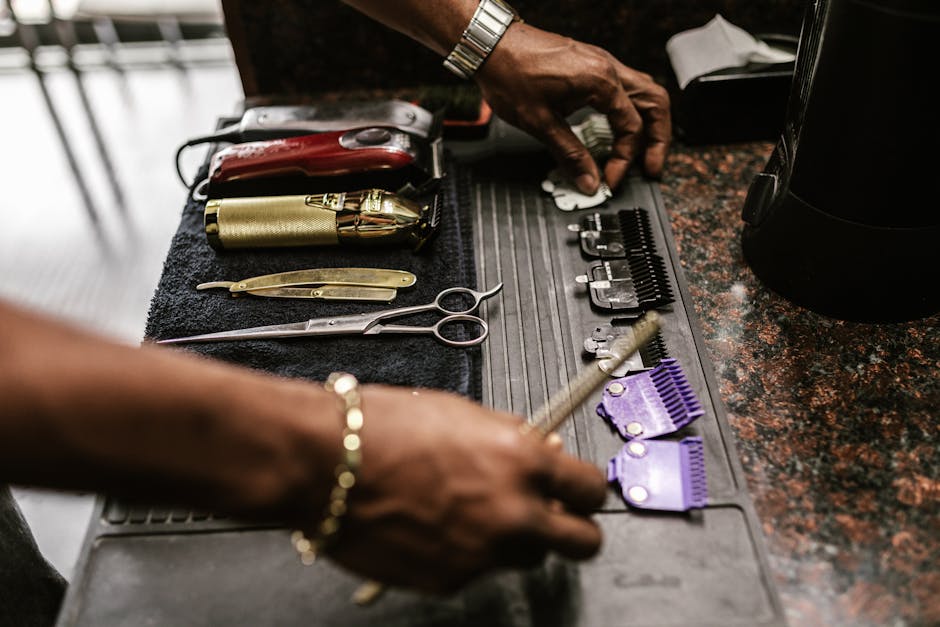
A hundred pounds of hand tools can fill a large toolbox. Think of wrenches, hammers, screwdrivers, and pliers. Each tool varies in size and shape. Together, they create a diverse collection. A big duffle bag or a small suitcase might hold them. The volume depends on the tool types and how they're packed. Tools like hammers take up more space. Screwdrivers and wrenches are sleeker and fit tightly together. Consider the space these tools occupy. It's more than just a weight; it's a physical presence.
Weight Distribution
Weight distribution in hand tools affects carrying and storage. A single tool might weigh a few pounds. But together, they become cumbersome. Imagine lifting a box of these tools. The weight isn't evenly spread. Heavier tools, like hammers, sit at the bottom. Lighter tools, like screwdrivers, rest on top. This uneven distribution affects balance. Carrying them requires careful planning. Storing them properly prevents damage and ensures safety. Each tool's weight impacts how you manage and use the entire collection.
Tool Selection
Choosing the right tools is crucial for any project. A collection weighing 100 pounds can include a variety of essential tools. The selection depends on the tasks at hand. It's important to know what each tool does. This helps in making informed choices. Let's dive into the details of the tool selection process.
Popular Tools Included
Hand tools come in different shapes and sizes. Common ones include hammers, screwdrivers, and wrenches. Pliers and saws often make the list too. Each serves a unique purpose. Hammers are great for driving nails. Screwdrivers help in tightening screws. Wrenches adjust nuts and bolts. Pliers grip and bend wires. Saws cut through wood with ease.
Categorizing By Use
Tools can be grouped by their function. Cutting tools like saws and knives are essential. Fastening tools include hammers and screwdrivers. Measuring tools, like tape measures, ensure accuracy. Gripping tools, such as pliers, offer a firm hold. Each category has its own importance. Understanding these categories aids in effective tool use.
Organizing Hand Tools
A pile of 100 pounds of hand tools fills a large toolbox or several storage bins. Hammers, wrenches, and screwdrivers create a heavy, diverse collection. Each tool serves a unique purpose, making organization crucial.
Organizing hand tools can often feel like a daunting task, especially when you're dealing with a hefty 100 pounds of them. You might wonder how to effectively store and manage such a collection without turning your workspace into chaos. This section will guide you through practical solutions that make organizing your tools not just manageable, but downright satisfying.
Storage Solutions
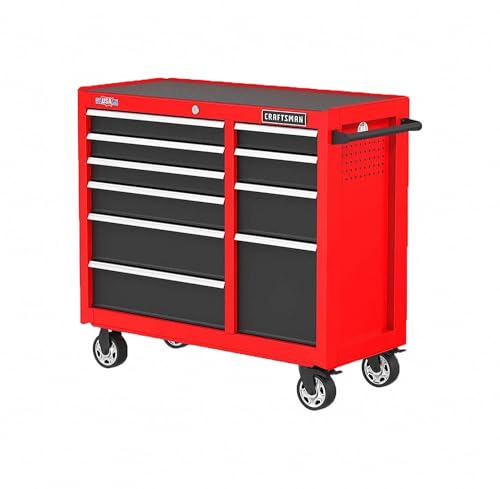
Effective storage is the foundation of organizing hand tools. Start by assessing your workspace and consider your available storage options. Tool chests and cabinets are excellent for keeping tools secure and accessible. If space is limited, wall-mounted pegboards can be a lifesaver, allowing you to hang tools within reach. Toolboxes with layered compartments can help you categorize tools by type or function. This prevents you from digging through piles and saves time. Consider using drawer organizers or dividers to keep smaller items like screws and bits neatly arranged. Have you ever thought about mobile storage? Rolling tool carts are fantastic for those who frequently move around the workspace. These allow you to transport tools easily and keep them organized on the go.
Efficient Packing
Efficient packing is crucial when dealing with 100 pounds of hand tools. It's not just about fitting them into a space; it's about doing so in a way that makes them easy to find and use. Start by grouping similar tools together. This makes it easier to locate what you need and ensures you don't buy duplicates. Consider the weight and size of your tools. Place heavier tools at the bottom and lighter ones on top. This helps balance your storage unit and prevents accidents. Labeling is your friend. Use clear labels for drawers and sections, so you know exactly where each tool belongs. A quick glance can save you time and effort. Have you ever struggled to find a tool because it was buried under others? Think about using shadow boards, which outline where each tool goes, leaving no doubt about its place. Organizing your tools isn't just about aesthetics; it's about efficiency. How much time could you save daily if everything was in its right place? Making the effort to organize your tools can transform your work experience, turning frustration into productivity.
Comparative Analysis
Hand tools are essential for many tasks. But carrying 100 pounds of them can be tricky. Understanding their weight distribution helps in efficient usage. A comparative analysis reveals the importance of choosing the right tools.
Light Vs Heavy Tools
Light tools often weigh less and are easier to handle. They are great for quick tasks and reduce fatigue. Heavy tools have more power but can be tiring. They are ideal for demanding jobs requiring strength. Choosing between light and heavy tools depends on the task.
Balancing Functionality
Balancing functionality is key in selecting tools. Light tools offer flexibility. Heavy tools provide durability. A balanced toolkit ensures efficiency. Consider task requirements before selecting tools. This ensures a comfortable and productive work experience.
Safety Considerations
Handling 100 pounds of hand tools demands careful attention to safety. Ensuring the safe handling of these tools can prevent accidents and injuries. Below are some key considerations for managing heavy loads and preventing injuries.
Handling Heavy Loads
Lifting 100 pounds of tools requires proper technique. Bend your knees, not your back. Keep the load close to your body while lifting. Use both hands to balance the weight evenly. Be mindful of your footing and surroundings. Clear the path before moving with the load.
Preventing Injuries
Wearing protective gear reduces the risk of injuries. Gloves enhance grip and protect your hands. Steel-toed boots shield your feet from falling objects. Use a back brace to support your spine. Regularly inspect tools for damage. Replace worn-out handles or rusted parts promptly.
Frequently Asked Questions
How Much Space Does 100 Pounds Of Tools Occupy?
100 pounds of hand tools can fill a medium-sized toolbox. This weight typically includes a variety of tools like wrenches, hammers, and screwdrivers. The bulk depends on the tool type, with larger tools taking more space.
Can I Lift 100 Pounds Of Hand Tools Easily?
Lifting 100 pounds of hand tools can be challenging. It's essential to use proper lifting techniques to avoid injury. Consider using a cart or dolly to move them safely, especially if transporting over a distance.
What Types Of Tools Are In 100 Pounds?
A collection of 100 pounds may include wrenches, pliers, hammers, and screwdrivers. It might also contain heavier tools like drills or saws. Each tool type contributes differently to the total weight.
Are 100 Pounds Of Tools A Lot For Diy?
For DIY projects, 100 pounds of tools can be substantial. It offers a comprehensive toolkit for various tasks. However, the necessity depends on the project size and complexity.
Conclusion
Exploring 100 pounds of hand tools offers a fascinating insight. These tools represent power and precision. From wrenches to hammers, each tool has a unique role. Imagine the possibilities they bring to your projects. Whether you build or repair, these tools serve you well.
They fit in workshops, garages, and toolboxes. Heavy, yet essential. A collection that transforms ideas into reality. Next time you grab a tool, appreciate its weight and purpose. Let your creativity flow with every tool in hand. Transform mundane tasks into rewarding achievements.
Dive into the world of tools. Feel the impact.