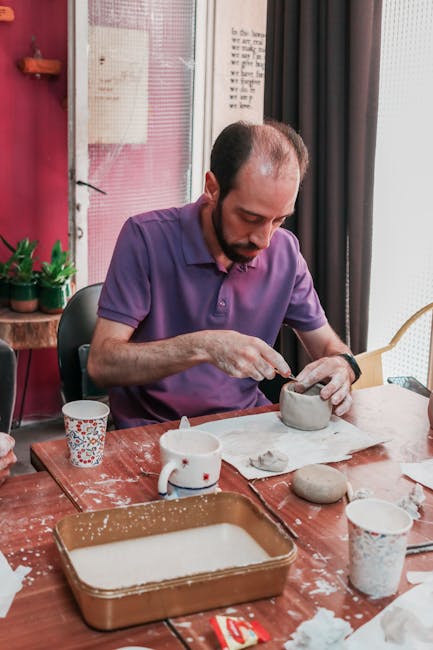
Have you ever wondered what magic lies in your hands when you hold a piece of clay and a simple tool? Imagine transforming a lump of clay into a masterpiece, all with the help of the right tools.
Clay hand tools are your trusted allies in shaping, detailing, and perfecting your clay creations. Whether you're a hobbyist or a professional sculptor, these tools open up a world of possibilities. From carving intricate designs to smoothing surfaces, each tool has a unique purpose that elevates your craft.
Dive into this exploration of clay hand tools to discover how they can enhance your artistic journey and bring your creative visions to life.
Types Of Clay Hand Tools
Whether you're a seasoned artist or a curious beginner, understanding the variety of clay hand tools can elevate your craft. Each tool serves a unique purpose, making your clay projects more detailed and refined. Let's dive into the different types of clay hand tools and discover how they can enhance your creative process.
Sculpting Tools
Sculpting tools are essential for shaping and forming your clay masterpieces. These tools come in various shapes and sizes, allowing you to mold the clay with precision. A personal favorite of mine is the loop tool. It’s perfect for removing clay and creating smooth, rounded surfaces. Have you ever tried sculpting a human face? The subtle curves are much easier to achieve with the right sculpting tools in hand.
Carving Tools
Carving tools are designed for adding intricate details and patterns to your clay work. With their sharp edges, they allow you to cut and engrave the clay surface. Needle tools, for example, are fantastic for etching delicate lines. Imagine carving a detailed leaf pattern into your clay vase. The precision these tools offer can transform your creation from ordinary to extraordinary. What intricate details would you like to add to your next project?
Modeling Tools
Modeling tools are versatile and can be used for both adding and smoothing clay. They often have double ends, providing different shapes and functions. Wooden modeling tools are great for general shaping, while rubber-tipped tools help in smoothing out the clay surface. Have you ever struggled with blending two pieces of clay seamlessly? These tools make the process much easier, ensuring a flawless finish.
Texturing Tools
Texturing tools bring life and depth to your clay surfaces by adding unique patterns and designs. From natural textures like wood grain to abstract designs, these tools can make your work stand out. I once used a textured roller to create a wave pattern on a ceramic plate. The result was a dynamic, eye-catching piece that told a story. What textures will you experiment with to add character to your creations?
Sculpting Techniques
Clay hand tools open a world of sculpting possibilities. Artists use them to shape and form clay into stunning creations. Different tools and techniques allow for diverse expressions. Each technique offers unique ways to manipulate clay. Let's dive into some popular sculpting methods using clay hand tools.
Pinching And Coiling
Pinching is a basic sculpting technique. It involves using fingers to shape clay. Artists pinch and pull to form pots or bowls. This method is simple yet effective. Coiling involves rolling clay into long, snake-like forms. These coils are stacked to build up forms. It allows for creating intricate designs and larger pieces.
Slab Building
Slab building uses flat pieces of clay. Artists roll out clay into flat sheets. They then cut and join these slabs to create forms. This technique works well for geometric shapes. It helps in making boxes, tiles, or architectural forms. Artists can also texture slabs before assembling them.
Wheel Throwing
Wheel throwing involves a potter's wheel. Clay is centered on the wheel and spun. Artists use their hands to shape the clay as it spins. This method is ideal for making symmetrical pieces. Bowls, vases, and plates are common results. It requires practice to master the technique.
Carving And Detailing
Clay hand tools are essential for carving and detailing in sculpting. They shape, smooth, and refine clay surfaces. Artists rely on these tools to create intricate designs and textures, enhancing their clay projects with precision and creativity.
Carving and detailing with clay hand tools is a fascinating and rewarding aspect of clay artistry. These tools allow you to transform a simple clay surface into a masterpiece filled with intricate designs. Whether you are a seasoned sculptor or a curious beginner, mastering these tools can significantly enhance your creative expression.
Surface Decoration
Surface decoration is the starting point for adding depth and interest to your clay pieces. Basic tools such as ribbon tools and loop tools are great for scraping and smoothing the surface. You can use these to create different textures, from smooth finishes to rough, organic surfaces. Think about the last time you admired a piece of pottery. Was it the smoothness or the intricacy of the surface that caught your eye? By experimenting with different tools, you can achieve a variety of finishes that will make your work stand out.
Creating Patterns
Creating patterns involves more than just random marks on clay. It’s about bringing a rhythm and order to your design. Tools like needle tools and wire stylus are perfect for etching lines and shapes into the clay. You can create geometric patterns, floral designs, or abstract motifs. Consider starting with a simple repetitive pattern and watch how it transforms your piece. The act of pattern-making can be meditative, allowing you to lose yourself in the creative process. What patterns speak to you?
Engraving Designs
Engraving designs is where you can truly personalize your clay work. Carving tools and sgraffito tools let you incise detailed designs into the surface. Engraving can add a sense of depth and complexity, making your pieces unique and personal. Think about a design that holds meaning for you. Engraving it into your clay piece not only enhances its aesthetic value but also embeds a personal story into your art. What story do you want your work to tell? By mastering carving and detailing with clay hand tools, you're not just creating art; you're crafting a narrative with your hands. Each mark, pattern, and engraving is a testament to your creativity and craftsmanship. Why not pick up a tool and start your own clay story today?
Modeling And Forming
Clay hand tools are essential for anyone interested in modeling and forming clay creations. Whether you're sculpting a delicate vase or crafting a whimsical figurine, these tools offer precision and control that can elevate your work from amateur to professional. Let's explore how you can use these tools effectively in various aspects of your clay projects.
Hand Building
Hand building is where creativity and technique meet. You might have experienced the joy of molding clay with your hands, feeling the texture change as you shape it. Tools like ribbing tools can refine your sculptures, adding detail and definition. They help you achieve intricate designs that bare fingers might struggle with.
Imagine creating a detailed leaf pattern on a bowl. The right tool makes it possible to carve out veins and curves with precision. Hand building empowers you to realize your vision without limits.
Using Armatures
Armatures act as a skeleton for your clay models, offering support and stability. Have you ever started a large sculpture and found it collapsing under its own weight? Armatures prevent this frustration. With a steady base, your creativity can soar.
Consider crafting a human figure. The armature provides the framework for limbs and torso, allowing you to concentrate on details without worrying about structural integrity. It's like building on a solid foundation, ensuring your masterpiece stands tall.
Joining And Smoothing
Joining and smoothing are crucial for seamless clay creations. Have you tried connecting two pieces of clay, only to see them fall apart? Proper tools help you blend edges smoothly and securely. Scoring tools and slip create strong joints that withstand handling.
Imagine a teapot with a spout and handle. Joining these pieces securely is essential for functionality. Smoothing tools then ensure the surface is flawless, ready for glazing. Every connection becomes invisible, adding to the professionalism of your work.
Are you using your clay hand tools to their full potential? Consider how these techniques can enhance your projects. Each tool is a gateway to a new level of craftsmanship. Embrace them and watch your clay creations transform!
Texturing Effects
Clay hand tools offer various uses for texturing effects. They help create intricate patterns and designs. Artists use these tools to carve, shape, and detail clay surfaces. Each tool provides a unique texture, enhancing the final clay piece's appearance.
Clay hand tools are essential in creating stunning texturing effects that can transform your clay projects from ordinary to extraordinary. Whether you're a beginner or a seasoned artist, experimenting with textures can add depth and interest to your work. Let's dive into some exciting techniques for achieving unique textures using clay hand tools.
Impression Techniques
Impression techniques allow you to press various objects into your clay to create unique patterns. Everyday items like leaves, lace, or even the side of a pencil can make intriguing textures. Imagine the intricate veins of a leaf imprinted onto your clay, adding a natural element to your piece. Try using different objects around your home. You'll be amazed at the textures you can create.
Stamping And Stenciling
Stamping and stenciling provide a quick way to add detailed patterns to your clay. Use rubber stamps or create your own from soft materials. With stencils, you can control the design and repeat patterns easily. Consider using them for borders or focal points on your project. Once, I used a vintage lace stencil to add delicate patterns to a clay bowl, and the result was breathtaking.
Adding Layers
Layering textures can give your work a 3D effect and make it stand out. Use tools to carve into the clay, then overlay with another texture for depth. Experiment by applying thin layers of clay over textured surfaces. This can create a sense of movement and life in your project. Think about how the layers will interact. Does one element pop, or do they blend harmoniously? Textures can completely change the feel of your clay project. What exciting textures will you create with your clay hand tools today?
Maintenance And Care
Clay hand tools shape and refine pottery. Sculpt delicate details or smooth surfaces. Essential for artists and hobbyists alike.
Maintaining and caring for your clay hand tools is essential if you want them to last and function well. Taking the time to clean, repair, and store these tools properly can significantly enhance their lifespan and performance. Let’s dive into some practical insights on how to keep your clay hand tools in top condition.
Cleaning And Storage
Regular cleaning is crucial for your clay hand tools. After each use, rinse them under warm water to remove any clay residue. Use a soft brush to scrub away stubborn bits. Once clean, ensure your tools are thoroughly dried. Storing them while wet can lead to rust or mold. Consider organizing your tools in a toolbox or hanging them on a pegboard to keep them accessible and protected. How do you currently store your tools?
Tool Repair
Over time, even the best tools may require some repair. Check for any wear or damage, like bent or broken parts. Simple fixes can include tightening screws or straightening bent pieces with pliers. If a tool is beyond simple repair, you might consider replacing it. Sometimes a small investment in a new tool can save you frustration later. Are you familiar with the repair process for your tools?
Safety Precautions
While clay hand tools are generally safe, taking precautions can prevent accidents. Always handle sharp tools with care to avoid injury. Use protective gloves if necessary, especially for tools with pointed or sharp edges. Ensure your workspace is clean and free from clutter. This reduces the risk of accidentally knocking tools off your workbench. Have you ever experienced a minor mishap because of a cluttered workspace? By regularly cleaning, repairing, and safely storing your clay hand tools, you ensure they remain in excellent working condition. This not only extends their lifespan but also enhances your crafting experience. What steps will you take today to care for your tools better?
Innovative Uses
Clay hand tools sculpt fine details and smooth surfaces. Artists shape pottery, create textures, and carve intricate designs. These versatile tools adapt to various creative needs.
Clay hand tools are not just for traditional pottery; they have a multitude of innovative uses that can spark your creativity. These tools can transform your art projects, making them more dynamic and unique. Whether you're an artist looking to expand your repertoire or a hobbyist eager to try something new, clay tools offer endless possibilities. Let's dive into some exciting and innovative ways to use these tools that you might not have considered.
Mixed Media Projects
Combining different materials can lead to extraordinary results. Clay hand tools are perfect for adding texture and detail to mixed media artworks. You can use them to create intricate patterns on paper or canvas, or to imprint unique designs onto soft materials like fabric. Have you ever tried using clay tools on wax or soap? They can create stunning, detailed patterns that elevate your projects. Experimenting with different materials can lead to unexpected results that can redefine your creative process.
Functional Pottery
Clay tools aren't just for decorative pieces; they can also be instrumental in creating functional pottery. Imagine crafting a mug with a uniquely textured handle that not only looks great but feels comfortable to hold. These tools allow you to add practical features to your pottery, such as grip-enhancing textures on bowls or custom designs on kitchenware. They offer a way to blend aesthetics with functionality, turning everyday items into works of art.
Art Installations
Large-scale art installations can benefit immensely from the detailed work that clay hand tools provide. These tools help in sculpting and refining elements that contribute to the overall impact of an installation. Think about the last time you visited an art gallery. What caught your eye? Was it the intricate details or the sheer scale of an installation? Clay tools can help you achieve both, ensuring that your artwork captivates viewers from every angle. Have you considered using clay tools in a collaborative project? Engaging with other artists can open up new perspectives and ideas, pushing your art to new heights. By exploring these innovative uses for clay hand tools, you open yourself up to a world of creative potential. What will you create next?
Frequently Asked Questions
What Are Clay Hand Tools Used For?
Clay hand tools are essential for sculpting, carving, and modeling clay. They help artists shape, detail, and refine their creations. These tools are designed to manipulate clay with precision, making them ideal for both beginners and professionals working on pottery or ceramic projects.
How Do Clay Tools Enhance Artwork?
Clay tools enhance artwork by allowing for intricate detailing and smooth finishing. They help artists achieve desired textures and shapes. Using various tools, artists can create unique designs, adding depth and character to their pieces. This improves the overall quality and aesthetic appeal of the artwork.
Can Beginners Use Clay Hand Tools Effectively?
Yes, beginners can use clay hand tools effectively with practice. These tools are designed to be user-friendly, making them accessible for new artists. Starting with basic tools and techniques allows beginners to gradually build their skills, leading to more complex and refined projects over time.
Why Are Clay Tools Important For Pottery?
Clay tools are important for pottery as they provide precision and control. They help in shaping, smoothing, and detailing clay pieces. Potters rely on these tools to create functional and decorative items with intricate designs. Proper use of tools ensures high-quality results in the final pottery work.
Conclusion
Clay hand tools offer endless possibilities for creative projects. Sculpting, pottery, and even jewelry making benefit from these tools. Each tool serves a unique purpose. Shape, carve, and refine your clay creations with ease. Beginners and experts alike can appreciate their versatility.
Easy to use and affordable, clay tools are essential. They enhance your artistic expression. Explore new techniques and ideas with them. Perfect for hobbyists or professional artists. Embrace creativity and discover what clay hand tools can do. Your imagination is the limit.
Start creating today!