
Are you tired of spending more time searching for your tools than actually using them? Organizing your Craftsman tool chest can transform your workspace from chaotic to efficient, giving you more time to focus on your projects.
Imagine opening your tool chest and instantly spotting the exact tool you need. Sounds satisfying, right? This isn't just about tidiness; it's about boosting your productivity and reducing stress. In this guide, you'll discover simple yet powerful strategies to transform your tool chest into an organized haven.
Get ready to reclaim your time and energy as you learn how to set up your tools for success. Let's dive in and make your tool chest work for you!
Choosing The Right Tool Chest
Selecting the perfect tool chest is crucial for any craftsman. It ensures all tools are stored and organized efficiently. A well-chosen tool chest enhances productivity. It also keeps your workspace tidy and safe. Consider size, material, and durability when choosing a tool chest.
Size And Capacity Considerations
Choose a tool chest that fits your space. Measure your workshop area before buying. Consider the number of tools you own. A larger chest holds more tools. But it may be harder to move. Smaller chests are portable. They may not hold all your tools. Think about future tool purchases. Choose a chest with room to grow.
Material And Durability
Materials affect the durability of your tool chest. Steel chests are strong. They withstand heavy use. Aluminum chests are lighter. They resist rust and corrosion. Plastic chests are lightweight. They are also budget-friendly. Consider the environment where you work. Choose materials that withstand the elements.
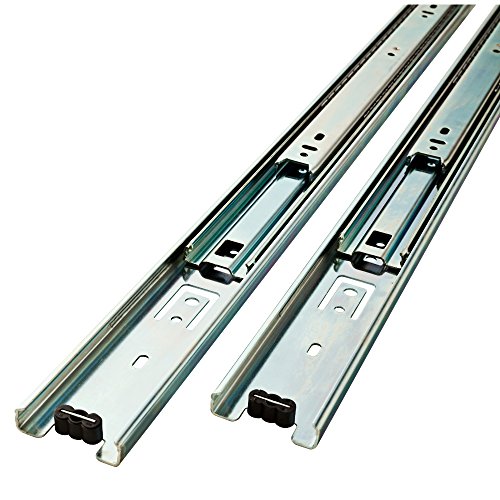
Durability ensures your chest lasts for years. Look for sturdy handles and locks. Check for smooth drawer slides. Strong materials and construction ensure long-term reliability. Consider these factors to choose the right tool chest.
Preparing For Organization
Organizing a Craftsman tool chest involves sorting tools by type and size for easy access. Label each drawer clearly. Keep frequently used tools in the top drawers for quick reach. Regularly clean and maintain your tool chest to ensure everything stays in order.
Getting ready to organize your Craftsman tool chest can feel like an exciting project. A well-organized tool chest not only boosts your efficiency but also extends the life of your tools. Before diving into the task, it’s essential to lay the groundwork to ensure a seamless organization process.
Cleaning And Maintenance
Start by giving your tool chest a thorough clean. Empty each drawer and wipe them down with a damp cloth to remove dust and grime. Consider using a mild detergent for sticky spots or stubborn stains. Inspect the chest for any signs of rust or damage. Address these issues promptly to prevent further deterioration. A quick spray of lubricant on the drawer slides can make a world of difference in smooth operation. Wouldn't it be easier to find tools in a clean, well-maintained chest? Make it a habit to regularly clean and maintain your tool chest to prolong its lifespan.
Assessing Your Tools
Lay out all your tools on a large surface. Group them by type or function to get a visual overview of what you have. This step helps you identify duplicates and any tools that need replacing. Ask yourself: Do you use all these tools regularly? Consider donating or selling rarely used tools to make space for essentials. Now that you know what you're working with, you're better equipped to organize efficiently. How will you group your tools for easy access? Whether by frequency of use or type, the choice is yours, but make sure it suits your workflow.
Sorting Tools Efficiently
Efficiently sorting tools in a Craftsman tool chest involves categorizing by size and type. Use drawer organizers for smaller items. Labels help in quick identification, ensuring a tidy workspace.
Organizing a Craftsman tool chest can seem like a daunting task, but sorting tools efficiently is a game-changer. By establishing a system that works for you, not only will you save time, but you'll also avoid the frustration of rummaging through piles of tools. Think about how satisfying it would be to open your tool chest and instantly find what you need.
Categorizing By Type And Use
Start by grouping your tools based on their type and function. This means placing all your wrenches, screwdrivers, and hammers in distinct categories. It’s like creating a tool family, where each member has a specific role. Consider organizing further by usage. Do you have tools specifically for woodworking? Or perhaps a set just for car repairs? Group those together. This makes it easier to tackle a specific project without getting sidetracked searching for the right tool.
Prioritizing Frequently Used Tools
Think about the tools you reach for most often. Shouldn't they be the easiest to access? Place these tools in the top drawers or the most accessible sections of your chest. It’s all about convenience. You might want to ask yourself, how many times have you needed that trusty hammer or measuring tape? Keeping frequently used tools within arm's reach reduces time spent hunting around and keeps your workflow smooth. You can also make use of drawer organizers or foam cutouts to keep everything in place. If a tool has a specific spot, it’s more likely to get back there, maintaining your organized system. Organizing your tool chest doesn’t just make things tidy; it enhances your efficiency and productivity. So, what tools will you sort first?
Utilizing Drawer Space
Organize a Craftsman Tool Chest efficiently by sorting tools by type and size. Place frequently used items in top drawers for easy access. Use drawer dividers to keep small tools and accessories neat and tidy.
Organizing a Craftsman tool chest is more than just tidying up; it's about making your workspace efficient and your projects seamless. The key lies in how you utilize your drawer space. By optimizing each drawer, you can ensure that every tool has its place, making it easier to find and use when needed. This section will guide you through maximizing drawer space effectively.
Maximizing Vertical Space
Think about your tool chest drawers as small rooms. Often, we forget to look up and down in these spaces. Tall tools, such as wrenches or screwdrivers, can be stored standing up, allowing you to use the full height of the drawer. Consider using foam inserts or magnetic strips to keep these tools in place. This way, you're not just stacking tools, but organizing them for easy access. I remember transforming my own chaos of a drawer by simply standing my screwdrivers upright. I gained so much space that I could fit a whole new set of tools in the same drawer!
Using Dividers And Trays
Dividers and trays can be game-changers in your tool chest organization. They help separate different types of tools, preventing a jumbled mess and saving you time. Trays with sections are perfect for storing small items like screws and nails. Dividers can be used in larger drawers to create specific zones for different tool categories. Think of it this way: instead of a chaotic sea of metal, you have neat little islands of organized tools. Imagine opening your drawer and knowing exactly where to find that elusive socket or washer! By incorporating these strategies into your tool chest organization, you're not just tidying up—you're enhancing your entire workflow. What will you do with all the extra time and energy you save from not rummaging through a messy drawer?
Labeling For Easy Access
A well-organized tool chest boosts productivity. Labels play a crucial role. They help you find tools quickly. Clear labels save time and reduce frustration. With proper labeling, your work becomes more efficient. This section will guide you on effective labeling techniques.
Creating Clear Labels
Choose durable materials for labels. Consider plastic or metal tags. Use a label maker for neat text. Clear fonts enhance readability. Avoid fancy styles that are hard to read. Place labels on visible areas. Ensure they are at eye level. Consistent labeling improves recognition.
Color-code labels for quick identification. Assign specific colors to tool categories. For instance, red for wrenches, blue for screwdrivers. This visual system speeds up tool retrieval. Keep the color scheme consistent. It aids in muscle memory over time.
Maintaining An Inventory List
Create an inventory list for your tools. List each tool with its label. Update this list regularly. Add new tools as needed. Remove items no longer in use. This list helps keep track of everything. It prevents unnecessary purchases or misplacements.
Use a digital format for easy access. A spreadsheet works well. Share it across devices. This ensures you have it anywhere, anytime. Regularly review and update the inventory. It maintains accuracy and relevance. This practice supports efficient organization.
Tips For Maintenance And Upkeep
Organizing a Craftsman tool chest requires sorting tools by type and size for easy access. Label drawers clearly to find items quickly. Regularly clean and oil the chest to prevent rust and maintain functionality.
Organizing a craftsman tool chest is more than just sorting tools; it’s about creating a system that works efficiently for you. But keeping this system in top shape requires regular maintenance and upkeep. This ensures your tools remain in good condition and are always ready for the next project. Here are some practical tips for maintaining your organized tool chest.
Regular Cleaning Routines
Dust and grime can accumulate quickly, affecting your tools and chest. Make it a habit to clean your tool chest weekly. Use a damp cloth to wipe down surfaces, ensuring you reach into corners and crevices. Consider using a small vacuum for hard-to-reach areas. This can prevent dust buildup and prolong the life of your tools. What’s your cleaning routine like? Could it be more frequent or thorough?
Checking For Tool Wear And Tear
Regularly inspect each tool for signs of wear and tear. Look for rust, dull edges, or damaged handles. These issues can affect performance and safety. Sharpen or replace tools as needed. A sharp blade is safer and more effective than a dull one. Don't wait until a tool breaks to assess its condition. Have you ever neglected a tool only for it to fail during a critical task? By investing a little time in maintenance, you ensure your tools are always ready and reliable. This proactive approach can save you money and prevent frustration in the long run. What other maintenance practices have you found beneficial for your craftsman tool chest?
Enhancing Accessibility
Enhancing accessibility in your Craftsman tool chest is essential. It saves time and reduces frustration. With organized tools, your projects run smoothly. This section explores effective ways to improve access. Let's dive into practical solutions.
Installing Lighting Solutions
Proper lighting is crucial for a tool chest. It helps find tools quickly. Consider installing LED lights inside. They are energy-efficient and bright. Adhesive LED strips are easy to install. Stick them to the chest's interior. Ensure the light covers all compartments. This way, every tool is visible.
Use battery-operated lights for flexibility. They don't require wiring. Magnetic lights work well too. Attach them to metal surfaces. Choose lights with an adjustable beam. This feature enhances visibility. Better lighting means quicker access.
Incorporating Magnetic Strips
Magnetic strips are great organizers. They keep metal tools in place. Mount a strip inside the chest. Ensure it's strong enough for heavy tools. Arrange wrenches, screwdrivers, and pliers on it. This setup saves space in drawers.
Magnetic strips also prevent clutter. Tools are easy to grab and return. They reduce search time significantly. A neat chest boosts efficiency. Consider installing multiple strips. You can organize tools by type or size. It's a simple way to enhance accessibility.
Safety Measures
Organizing a Craftsman tool chest isn't just about neatness. Safety measures are crucial. They protect you and those around you. A well-organized tool chest prevents accidents. It ensures tools are within reach and reduces clutter. This section covers essential safety steps.
Securing Heavy Tools
Heavy tools pose a risk if not stored correctly. Place them in the bottom drawers. This prevents the chest from tipping over. Use drawer liners for added grip. They keep tools from sliding around. Ensure each drawer closes securely. Check for latches that lock in place. This stops accidental openings.
Childproofing Your Tool Chest
Children are curious about tool chests. Ensure their safety by locking the chest. Use a lock that only adults can open. Store sharp tools out of reach. Consider using childproof locks on the drawers. Bright labels can warn of danger. Teach children the importance of tool safety. Supervise them around the tool chest always.
Frequently Asked Questions
How To Categorize Tools In A Tool Chest?
Categorizing tools helps in easy access and efficient use. Start by grouping similar tools together, such as wrenches, screwdrivers, and pliers. Use drawer organizers or foam inserts to keep them sorted. Label each section to quickly identify tools. Regularly review and adjust categories based on your usage patterns.
What Is The Best Way To Label Drawers?
Labeling drawers improves organization and speeds up tool retrieval. Use adhesive labels or a label maker for clear, readable tags. Place labels on the front and top edges of drawers for visibility. Include both tool names and their sizes, if applicable.
Ensure labels are durable and resistant to wear and tear.
How Often Should I Reorganize My Tool Chest?
Reorganize your tool chest every few months to maintain efficiency. Regularly assess your tool usage and adjust organization accordingly. Seasonal projects might require different tools, so adapt your setup. Frequent reorganization prevents clutter and ensures easy access. Keep track of tools that are rarely used and consider storing them separately.
Should I Use Foam Inserts In My Tool Chest?
Foam inserts provide excellent tool protection and organization. They prevent tools from shifting during movement, reducing wear. Customize foam inserts by cutting them to fit specific tool shapes. This enhances accessibility and maintains order. Foam inserts are especially useful for delicate or frequently used tools, ensuring they are always in their designated place.
Conclusion
A well-organized tool chest boosts efficiency. It saves time searching for tools. Label each drawer clearly. Group similar tools together. Use foam inserts for protection. Regularly clean and maintain your tool chest. This prevents rust and damage. Keep a checklist to track tools.
It helps avoid losing them. A tidy workspace promotes safety. It also enhances productivity. So, invest time in organizing your tool chest. Your future self will thank you. Enjoy a smoother workflow and less frustration. Happy organizing!