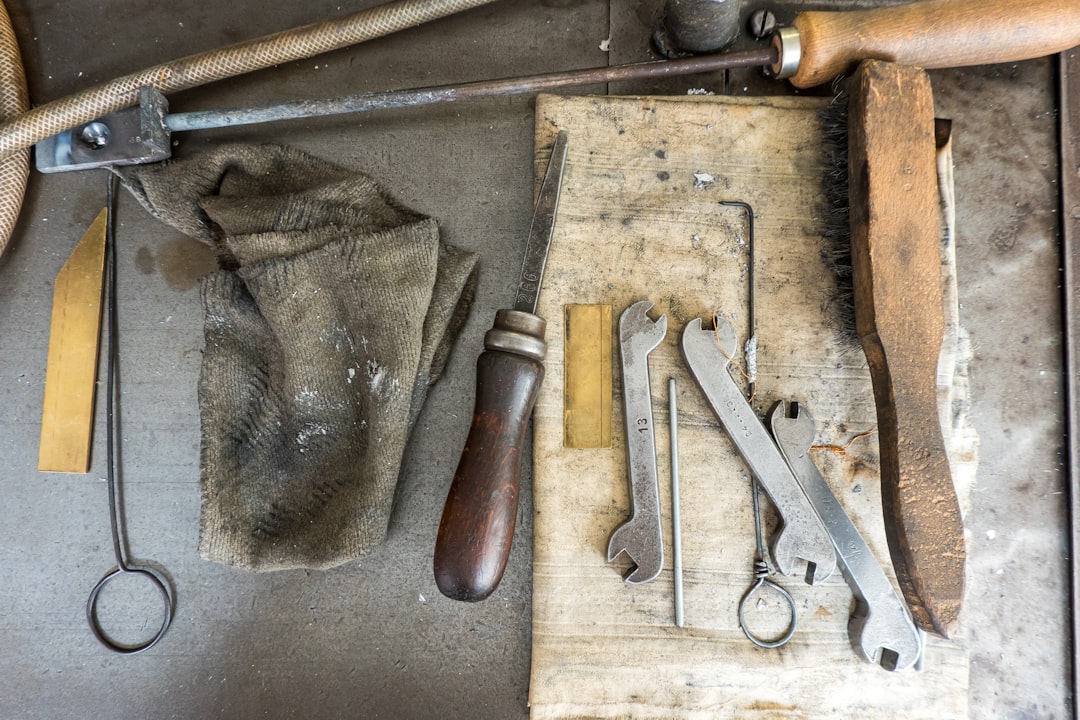
Imagine reaching for your trusty hammer, only to find it speckled with rust and disuse. Frustrating, isn't it?
Your hand tools are more than just objects—they are extensions of your craftsmanship and skill. When they are in top condition, so is your work. But how do you ensure your tools remain rust-free and ready for action at a moment’s notice?
The good news is, keeping your tools in pristine shape isn't as difficult as you might think. With a few simple practices, you can prevent rust and maintain your hand tools effectively. In this guide, you'll discover the secrets to extending the life of your tools, saving you time and money in the long run. So, if you're ready to master the art of tool maintenance and keep rust at bay, read on and transform the way you care for your essential equipment.
Causes Of Rust On Hand Tools
Moisture and air cause rust on hand tools, leading to damage. Regular cleaning and drying are essential. Store tools in a dry place and apply oil to prevent rust.
Rust can be a relentless adversary when it comes to maintaining the longevity and efficiency of your hand tools. Understanding the causes of rust is the first step to protecting your investment and ensuring your tools remain in peak condition. What actually causes rust on these essential implements?
Moisture Exposure
Moisture is a primary culprit for rust on hand tools. Whether it's from rain, humidity, or even sweat from your hands, exposure to water initiates the oxidation process. To combat this, make it a habit to wipe your tools dry after each use. Have you considered storing them with moisture-absorbing packets or using a dehumidifier in your workshop?
Environmental Factors
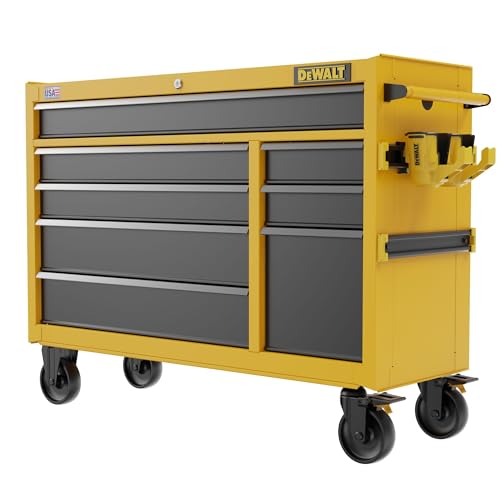
Where you store your tools can significantly impact their susceptibility to rust. Areas with high humidity, such as basements or garages without climate control, can accelerate rusting. Think about the last time you left tools in the garage overnight. Did you notice any unexpected rust spots the next day? Consider storing your tools in a dry, controlled environment. Would a tool chest with a sealed lid offer better protection than an open shelf?
Material Susceptibility
Not all tools are created equal. Some materials are more prone to rust than others. For instance, cast iron and steel are more susceptible to rusting compared to stainless steel or chromium-plated tools. When buying new tools, consider their material. Do you opt for the cheaper option, or invest a bit more in rust-resistant materials? Regular maintenance, including applying a protective oil layer, can help extend the life of more rust-prone tools. Are you regularly checking your tools for early signs of rust? By understanding these causes, you can take actionable steps to prevent rust from forming on your hand tools. What strategies will you implement today to protect your tools for tomorrow?
Daily Maintenance Practices
Maintaining hand tools daily keeps them efficient and extends their lifespan. Consistent care ensures they remain free from rust and other damages. Daily maintenance practices are simple but crucial.
Cleaning Tools After Use
Always clean tools after using them. Remove dirt, grease, and moisture. Wipe them with a dry cloth. Use a brush for stubborn grime. This prevents rust and corrosion. Make it a habit after every use.
Proper Storage Techniques
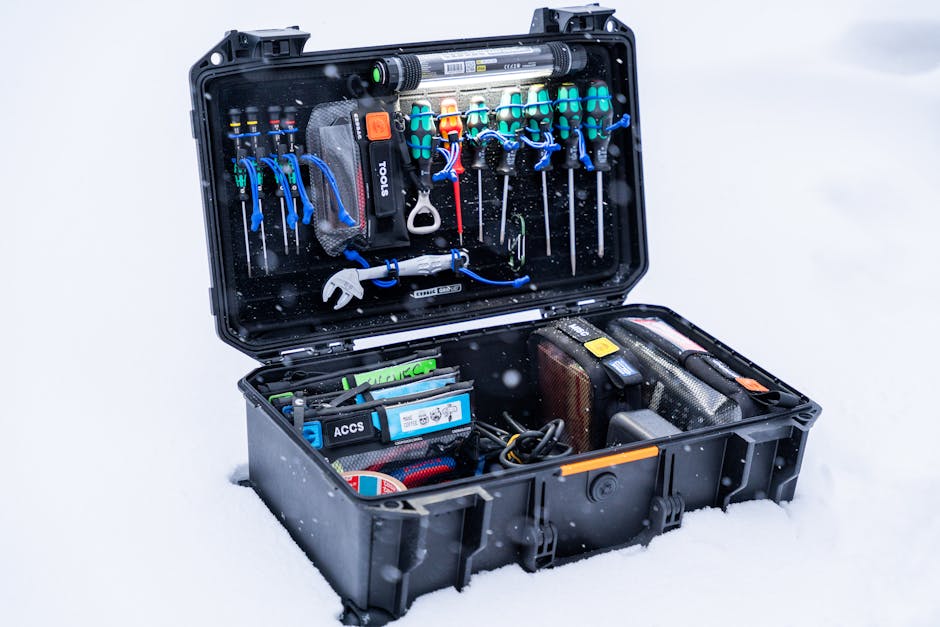
Store tools in a dry and cool place. Avoid damp areas. Use toolboxes with air circulation. Hang tools on a wall rack if possible. This helps prevent moisture buildup. Keep the storage area clean and organized.
Regular Inspection
Inspect tools regularly for damage. Look for cracks or signs of wear. Check for rust spots. Address any issues immediately. Tighten loose screws and bolts. Replace damaged parts promptly. Regular checks ensure tools are safe and efficient.
Protective Coatings And Treatments
Applying protective coatings helps prevent rust on hand tools. Regular maintenance extends their lifespan and ensures smooth operation. Clean tools after use and store them in a dry place to avoid moisture buildup.
Keeping hand tools in prime condition requires protection from rust. Protective coatings and treatments offer a solution. They create barriers between metal surfaces and moisture. This prevents rust and prolongs the life of your tools. Different methods provide varying degrees of protection and maintenance.
Oil And Wax Applications
Applying oil keeps moisture away from tool surfaces. Light machine oil works well. Apply with a cloth for even coverage. Wax offers another protective layer. It seals surfaces and adds shine. Beeswax is a popular choice. It’s natural and easy to use.
Rust Inhibitors
Rust inhibitors form a shield against corrosion. These chemicals stop rust from forming. Spray-on varieties are available. They are easy to apply. Simply spray and wipe off excess. They work well on tools stored in humid areas.
Paint And Varnish Options
Paint creates a protective barrier. It blocks moisture and air contact. Choose rust-resistant paint for best results. Varnish is another option. It adds a clear, protective finish. Use on wooden handles for extra protection. Keep your tools looking fresh and new. `
Diy Rust Removal Methods
Rust can be the enemy of your cherished hand tools. It not only affects their appearance but also their functionality. Fortunately, there are several DIY methods to remove rust that are simple and effective. These methods are cost-efficient, using items commonly found in households. Let's dive into the practical techniques to keep your tools rust-free and ready for action.
Using Vinegar And Baking Soda
Vinegar is a powerful cleaning agent. It softens rust, making it easier to remove. To use, soak the rusty tool in vinegar overnight. The next day, scrub the surface with baking soda. This combination helps lift off stubborn rust. Rinse thoroughly and dry the tool completely. This prevents future rust formation.
Salt And Lemon Technique
Salt and lemon are natural rust removers. Sprinkle salt on the rusty area. Then, squeeze lemon juice over it. Let it sit for a few hours. The acidity of lemon helps break down the rust. Scrub with a brush, then rinse and dry. This method is gentle but effective for mild rust.
Sandpaper And Wire Brush
Sandpaper works well for removing rust from metal surfaces. Start with coarse sandpaper to remove the bulk of rust. Switch to finer sandpaper for smoothness. A wire brush is useful for tough spots. Brush firmly to dislodge rust particles. Always clean and dry the tool afterward. This ensures no moisture remains.
Professional Rust Prevention Services
Professional rust prevention services keep hand tools in top shape. Regular maintenance involves cleaning and applying protective coatings. This reduces corrosion and extends tool life significantly.
Maintaining hand tools in pristine condition can be quite a task, especially when rust is involved. While DIY methods can help, sometimes professional rust prevention services are the best solution. These services offer tailored solutions to ensure your tools remain rust-free and functional for years. Let’s dive into what these services offer and how they can benefit you.
Anti-rust Solutions
Professional rust prevention services provide advanced anti-rust solutions that DIY methods might miss. They use specialized products and techniques designed to protect against corrosion effectively. Imagine not having to worry about rust ruining your expensive hand tools—wouldn't that be a relief? These services often include treatments like protective coatings that form a barrier against moisture. They might also use rust inhibitors that penetrate deep into the metal, providing long-lasting protection. You can rest easy knowing your tools are shielded by experts.
Expert Consultation Benefits
An expert consultation can be invaluable when maintaining your tools. Professionals can assess your specific needs and recommend the best rust prevention strategies. Have you ever wondered if you're using the right method to protect your tools? Consulting with experts can save you time and money. They can provide insights into the latest rust-prevention technologies and products. You'll gain peace of mind, knowing you're making informed decisions about your tools' care.
Service Costs And Considerations
The cost of professional rust prevention services can vary, but understanding what you’re paying for is crucial. Typically, costs depend on the number of tools and the complexity of the treatment required. It’s essential to weigh these costs against the potential expense of replacing rust-damaged tools. Consider the value of your tools and how often you use them. Investing in professional services might be more cost-effective in the long run. Have you ever had to replace a tool because it was too rusted to use? That expense can often far exceed preventive service fees. When choosing a service, inquire about their guarantees or warranties. This can provide additional assurance that your investment is protected. Quality services stand by their work, offering you reliability and confidence.
Long-term Tool Preservation Strategies
Preserving hand tools involves preventing rust through proper storage and regular cleaning. Keep tools dry and apply a light coat of oil to metal surfaces. Regular maintenance ensures longevity, making your tools reliable for future use.
Preserving your hand tools for the long haul is more than just a task; it's an investment in the quality and longevity of your work. Whether you're a weekend DIY enthusiast or a seasoned craftsman, maintaining your tools can save you time, money, and frustration. The secret? Strategic long-term preservation methods. Discover how to keep rust at bay and ensure your tools remain in pristine condition with a few smart strategies.
Climate-controlled Storage
Storing your tools in a climate-controlled environment can significantly extend their lifespan. Humidity is one of the biggest culprits behind rust formation. Consider using a dehumidifier in your storage area to keep moisture levels low. If you've ever left a tool in a damp garage, you might have found it tarnished and less effective over time. Protect your tools by choosing a dry, stable environment. This simple step can make a world of difference in maintaining their quality.
Regular Maintenance Scheduling
Creating a regular maintenance schedule is crucial for tool preservation. Just like you schedule oil changes for your car, your tools need consistent care to perform their best. Set up a calendar reminder to clean, oil, and inspect your tools every few months. This proactive approach can catch potential issues before they become significant problems. Imagine the peace of mind knowing that your tools are always ready when you need them.
Investment In Quality Tools
Investing in quality tools can prevent frequent replacements and ensure durability. While it might be tempting to buy cheaper options, they often lack the longevity and resilience of well-crafted tools. Quality tools are not just about brand names but about materials and construction. A personal experience taught me this lesson when I invested in a high-quality hammer. It has lasted me over a decade without a hint of rust. Can your current tools offer the same reliability? Consider how much time and effort you put into your projects. Don't your tools deserve the same level of care and investment? By focusing on quality, you can build a tool collection that stands the test of time.
Frequently Asked Questions
How To Clean Rust Off Hand Tools?
To clean rust off hand tools, use a mixture of baking soda and water. Apply it to the rusted area and scrub with a brush. Rinse with water and dry thoroughly to prevent further rusting. Regular cleaning can help maintain the longevity and efficiency of your tools.
What Are The Best Rust Prevention Methods?
The best rust prevention methods include storing tools in a dry place, using rust inhibitors, and applying a protective oil coating. Regular maintenance, such as cleaning and drying after use, can significantly reduce rust formation. Proper storage and care are essential for preserving the quality of hand tools.
Can Wd-40 Prevent Rust On Tools?
Yes, WD-40 can prevent rust on tools by providing a protective barrier. It displaces moisture and forms a shield against rust. Regular application can enhance tool longevity. Always ensure tools are dry before applying WD-40 for the best results. It's a versatile solution for rust prevention.
How Often Should Tools Be Maintained?
Tools should be maintained regularly, ideally after each use. Regular cleaning, drying, and oiling can prevent rust and wear. Monthly inspections for damage or rust are recommended. Proper maintenance ensures tools remain efficient and last longer. It's a simple routine that protects your investment.
Conclusion
Keeping your hand tools rust-free is simple with regular care. Clean them after every use. Dry them completely. Store in a dry place. Apply oil to prevent moisture. Check them often for signs of rust. Remove any rust immediately. Use vinegar or sandpaper for effective removal.
These steps ensure tools last longer. Your tools are important. Protect them. Care for them. You save money and effort. No need to replace tools frequently. Enjoy smooth and efficient work. Rust-free tools make tasks easier. Happy maintenance!