Have you ever wondered what ties all hand tools together? Whether you're an experienced craftsman or just someone who loves a bit of DIY, understanding this commonality can elevate your projects and streamline your toolbox.
You’ll discover the fascinating traits that unite these essential instruments. You'll see your toolkit in a whole new light and maybe even unlock a few secrets to make your tasks more efficient. Stick around, because this could be the game-changer you've been looking for.
Get ready to transform the way you work with tools and enhance your skills like never before.
Functionality
Hand tools are essential in everyday tasks. Their functionality sets them apart. Each tool has a specific role. They are indispensable for professionals and DIY enthusiasts alike. Understanding their functionality can enhance productivity. It can also ensure safety. Let's explore what makes hand tools unique.
Purpose-driven Design
Every hand tool has a specific design. This design serves a particular purpose. A hammer drives nails. A screwdriver tightens screws. This purposeful design ensures efficiency. It minimizes effort. It also maximizes output. Each tool's shape and material suit its task. This precise design leads to better results.
Versatility Across Tasks
Many hand tools offer versatility. They can handle various tasks. A wrench can tighten bolts of different sizes. A saw can cut wood, plastic, or metal. Their adaptability saves time. It reduces the need for multiple tools. This versatility makes them valuable in any toolbox. They are a go-to solution for many problems.
Durability
Hand tools must endure heavy use. Their durability is crucial for reliability. A durable tool saves time and money. It performs well, even after years of use. Durability sets quality tools apart from the rest.
Material Quality
Strong materials make durable hand tools. Steel and iron are common choices. These materials resist damage and last longer. Good quality materials prevent breakage. They ensure the tool stays functional.
Resistance To Wear
Quality hand tools resist wear. They withstand frequent use without degrading. This resistance is key for long-term performance. Tools that resist wear need less maintenance. They provide consistent results every time.
Ergonomics
Ergonomics is key in hand tools design. It ensures tools fit the human body. This promotes better posture. Reduces fatigue. Prevents injuries. Every hand tool shares this vital feature. Ergonomics matters for efficient and safe use.
Comfort In Use
Hand tools must feel comfortable in hand. This enhances productivity. Reduces strain. Handles are designed to fit grip. Materials are chosen for comfort. They prevent blisters. Users work longer with ease.
Ease Of Handling
Hand tools should be easy to handle. They allow precise control. Proper weight distribution is crucial. It prevents wrist strain. Tools are balanced for smooth operation. Ease of handling boosts user confidence.
Safety Features
Hand tools are essential in various tasks. Their design includes safety features for protection. These features prevent accidents and injuries. They help users work with confidence. Understanding these features is crucial for safe tool use.
Protective Elements
Many hand tools have protective elements. Rubber grips prevent slipping. This ensures a firm hold during use. Blade covers protect sharp edges. They keep your hands safe when not in use. Some tools have shields or guards. These block debris and particles. Safety locks prevent accidental activation. They keep tools secure when not in use.
Risk Minimization
Hand tools are designed to minimize risks. Ergonomic designs reduce strain on hands. This prevents long-term injuries. Non-conductive materials prevent electrical shocks. They are vital when working near wires. Color-coded handles indicate tool usage. They help avoid using the wrong tool. Tools with balanced weight reduce fatigue. This makes them easier to handle.
Maintenance
Hand tools share a common feature: they require human effort to operate. Unlike power tools, they don't need electricity or batteries. Simplicity and manual control make them essential for precise tasks.
When it comes to maintaining your hand tools, it’s not just about ensuring they look good on the shelf. Proper maintenance is crucial for keeping them in optimal working condition and extending their lifespan. Neglecting this aspect can lead to rust, dullness, and ultimately, a shortened life for your tools. Let’s dive into the nitty-gritty of keeping your hand tools in top shape with some practical tips and insights.
Care And Cleaning
Regular care and cleaning are the first steps in tool maintenance. After using your tools, take a moment to wipe them down with a clean cloth. This simple action removes dirt and moisture that can cause rust or corrosion. Consider using a light oil, like machine oil, to give metal parts a protective layer. This is particularly important for tools like hammers and wrenches that are often exposed to the elements. You might think it’s a hassle, but a quick oil wipe can save you from a rusty surprise later. Don't forget about wooden handles. A little linseed oil can keep them from drying out and cracking. Have you ever found an old tool with a splintering handle? It’s not just uncomfortable; it’s unsafe. A bit of oil can prevent this common issue.
Longevity Tips
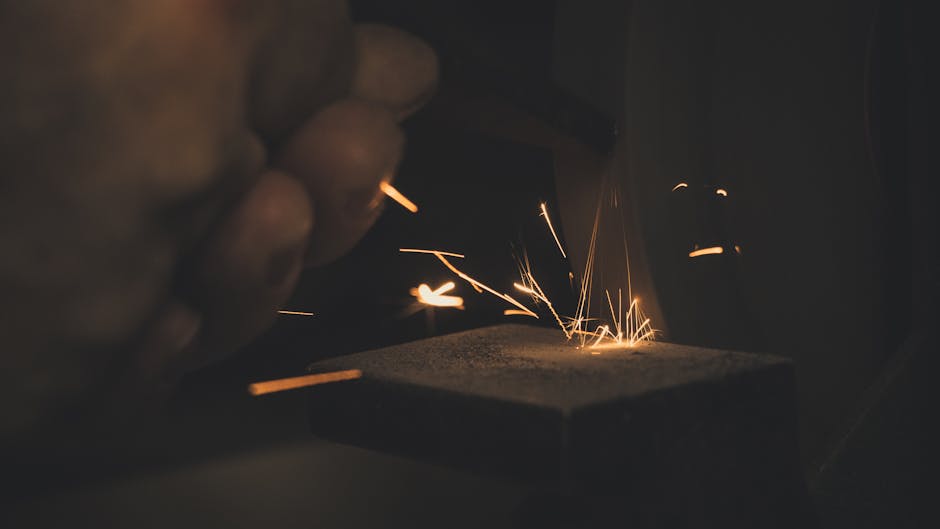
Storing your tools properly is just as important as cleaning them. Hanging them on a pegboard or storing them in a dry toolbox can prevent unwanted damage. Avoid leaving them on the ground where they can gather dust or moisture. Sharpen blades and edges regularly. A dull tool not only makes your work harder but also increases the risk of accidents. Use a sharpening stone or file to keep blades like chisels and saws in prime condition. Inspect your tools regularly for any signs of wear or damage. This might seem tedious, but catching a crack or loose screw early can prevent bigger problems down the line. It’s like a health check for your tools, ensuring they’re always ready when you need them. Have you ever considered setting a maintenance schedule? Mark your calendar for a monthly check-up to clean and inspect your tools. This small habit can make a big difference in the longevity of your collection. By taking these steps, you’re not just maintaining your tools; you’re investing in your craft. What’s the point of having the right tools if they’re not in the right condition? Keep them clean, sharp, and ready to go, and they’ll serve you well for years to come.
Affordability
Hand tools are loved by many for their affordability. They offer practical solutions without breaking the bank. This makes them accessible to everyone. From beginners to seasoned craftsmen, hand tools are a staple. Their cost-effective nature is a major attraction for many.
Cost-effectiveness
Hand tools are generally more affordable than power tools. They require no electricity or batteries. This saves money on energy costs. Maintenance is also minimal. These tools often last for years. Their longevity adds to their cost-effectiveness.
Value For Money
Hand tools provide great value for money. They are versatile and reliable. They can handle a variety of tasks. Many find them to be a wise investment. A single tool can be used for multiple purposes. This maximizes their value over time.
Frequently Asked Questions
What Are Common Features Of Hand Tools?
All hand tools share a few key features. They are manually operated and require human effort. They are portable and do not rely on electricity. Hand tools are designed for specific tasks and are typically durable. They are essential for various DIY projects and professional tasks.
How Do Hand Tools Improve Efficiency?
Hand tools are designed to enhance human capability. They allow precise control over tasks. They are often lightweight, making them easy to handle. Their ergonomic designs reduce fatigue during use. Hand tools are versatile, providing solutions for various applications. They speed up processes by enabling quick adjustments and repairs.
Why Are Hand Tools Essential For Diy Projects?
Hand tools are crucial for DIY projects due to their versatility. They allow for precise work and detailed craftsmanship. They are portable, making them easy to use in various locations. Hand tools are cost-effective and don't require electricity, making them accessible for all levels of DIY enthusiasts.
Are Hand Tools Safe To Use?
Hand tools are generally safe with proper use. It's important to follow safety guidelines and wear protective gear. Regular maintenance ensures tools remain functional and safe. Users should ensure a good grip and correct posture. Proper storage prevents accidental injuries and prolongs tool life.
Conclusion
Hand tools are essential in every toolkit. They share a common simplicity. Each tool serves a specific purpose, aiding in various tasks. Durability and reliability are key features. They do not rely on power. This makes them versatile and easy to use.
These tools connect us with craftsmanship. A good tool fits well in the hand. Comfort matters for effective use. Hand tools have stood the test of time. They remind us of basic skills and manual work. Choosing the right tool is important.
This ensures success in any project. Keep these principles in mind. Your hand tools will always be your friends.