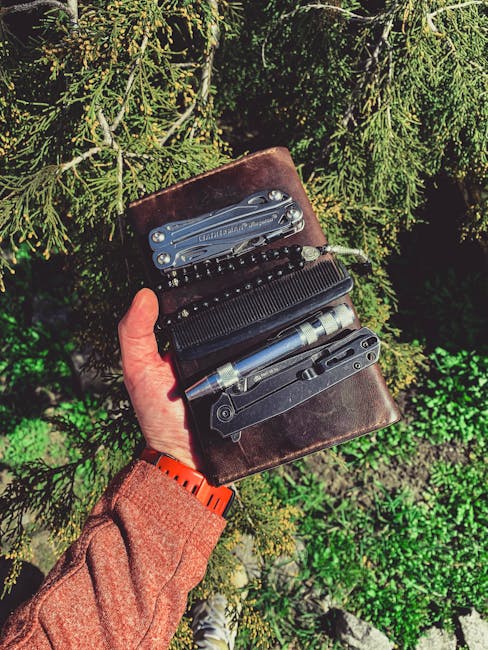
Feeling the itch to tackle a DIY project but not sure where to start with tools? You're not alone.
Having the right hand tools can make the difference between a satisfying success and a frustrating failure. Whether you're fixing a leaky faucet, building a birdhouse, or simply hanging a picture, the right tools in your hands can make the job easier and more enjoyable.
Imagine the satisfaction of completing a project on your own, knowing you had everything you needed right at your fingertips. In this guide, you'll discover the must-have hand tools that every DIY enthusiast should own. These essentials will empower you to take on a wide variety of tasks with confidence and skill. Ready to transform your toolbox—and your DIY skills? Let's dive in and uncover the tools that will become your new best friends in every project you undertake.
Basic Tools For Beginners
Essential hand tools for DIY beginners include a hammer, screwdriver set, and measuring tape. A wrench, pliers, and utility knife also prove invaluable for home projects. These tools provide the foundation for tackling everyday tasks with confidence and ease.
Are you new to the world of DIY and feeling a bit overwhelmed by the vast array of tools out there? Don't worry, you're not alone. Starting with the basics is the best way to build your toolkit without feeling bogged down by unnecessary gadgets. Let's dive into some essential hand tools every beginner should have in their arsenal. These tools will not only make your projects smoother but also more enjoyable.
Hammer Essentials
A hammer is often the first tool that comes to mind when thinking of DIY projects. It's versatile and easy to use. Choose a claw hammer with a comfortable grip. This type is perfect for driving nails into wood and removing them with ease. Remember, a quality hammer can last for years, so investing in a good one pays off.
Screwdriver Varieties
Screwdrivers are another must-have. Start with a set that includes both Phillips and flathead screwdrivers. These will cover most of your basic needs. Magnetic tips are a bonus, making it easier to hold screws in place. Have you ever tried assembling furniture without the right screwdriver? It can be frustrating. Having a variety on hand will save you time and stress.
Pliers And Their Uses
Pliers are your go-to tool for gripping, twisting, and cutting wire. A set of slip-joint pliers can handle most jobs. They're adjustable, which means you can adapt them to different sizes. Needle-nose pliers are great for precision work. You might be surprised at how often you'll reach for these, especially when working in tight spaces.
Tape Measure Basics
Accurate measurements are crucial in DIY projects. A reliable tape measure is essential. Opt for one that's at least 25 feet long and easy to read. Consider one with a locking mechanism to hold measurements in place. Have you ever hung a picture only to realize it’s not centered? A good tape measure can prevent such mishaps. Building a basic toolkit doesn't have to be daunting. Start with these essential tools and expand as your skills and projects grow. What's the first tool you'll add to your collection?
Cutting Tools
Essential hand tools for DIY projects include hammers, screwdrivers, and pliers. Each tool serves a unique purpose. Having these basics ensures you're ready for various tasks. These tools are simple to use and help complete projects efficiently. A must-have for any DIY enthusiast.
When diving into DIY projects, having the right cutting tools is essential. They not only make your work easier but also more precise. Whether you're updating your home or crafting a new piece of furniture, cutting tools are your best ally.
Utility Knife Options
A utility knife is a staple in any DIY toolkit. It's incredibly versatile, helping you tackle tasks like opening boxes, trimming materials, or scoring surfaces. When choosing a utility knife, consider retractable blades for safety and ease of use. Some knives offer snap-off blades, which are great for maintaining a sharp edge without needing constant sharpening. An ergonomic handle can make a huge difference in comfort during extended use. Do you have a favorite brand that fits comfortably in your hand?
Saw Types Explained
Saws are indispensable for cutting through wood and other materials. There are several types, each suited for different tasks. A hand saw is perfect for simple cuts and doesn't require electricity, making it a reliable option for quick jobs. For more intricate work, a coping saw can help you navigate curves and detailed cuts. Circular saws are excellent for straight, long cuts through tougher materials. Consider the scale and scope of your project when selecting a saw—what are your project's demands?
Chisel Applications
Chisels offer precision that other cutting tools can't. They are perfect for detailed woodwork, such as carving out joints or creating decorative elements. A sharp chisel can transform a piece of wood with minimal effort. Maintaining the sharpness of your chisel is crucial for efficiency and safety. A honing stone is a handy tool to keep the edge sharp. Have you ever experienced the difference a well-maintained chisel can make in your project’s finish? Cutting tools are more than just equipment—they are the backbone of your DIY projects. Choosing the right ones can significantly impact the quality and ease of your work. What cutting tool will you choose for your next project?
Fastening Tools
When you're tackling DIY projects, fastening tools are your trusty sidekicks. They ensure everything stays securely in place, whether you're assembling furniture, fixing leaks, or hanging artwork. Having the right fastening tools can transform a frustrating task into a satisfying success. Let's dive into some must-have fastening tools, breaking them down into specific categories for your toolbox.
Wrench Selection
Choosing the right wrench can be a game-changer. From adjustable wrenches to socket wrenches, each has its unique purpose. For quick fixes, an adjustable wrench offers versatility, fitting various bolt sizes without needing to swap tools.
Socket wrenches are ideal for tasks requiring more torque. Imagine trying to change a tire without one—it's a struggle! A set with various sizes will prepare you for any challenge.
Have you ever found yourself turning a stubborn nut endlessly? A ratcheting wrench can save you time and effort. It allows smooth motion without removing the wrench after every turn.
Drill And Bits
A reliable drill is invaluable for DIY enthusiasts. Whether you're hanging shelves or assembling cabinets, it speeds up the process. But the magic lies in the bits—choose wisely for different materials.
Wood, metal, and masonry all require specific drill bits. A set with diverse options ensures you're ready for any surface. Picture drilling into a brick wall with a wood bit; it won't end well!
Think about power, too. Cordless drills offer flexibility, but make sure the battery life suits your project's duration. You wouldn't want to pause in the middle of a task just to recharge.
Nail Gun Features
Ever tried hammering nails into hard wood? It's tedious and can result in bent nails. A nail gun simplifies this, delivering precision and speed. Look for features like adjustable depth for various applications.
Safety is paramount. Ensure your nail gun has a safety lock to prevent accidental firing. It's a critical feature that protects both you and your work environment.
Consider the type—electric or pneumatic. Electric nail guns are convenient and portable, while pneumatic ones offer power for heavy-duty tasks. Which suits your projects best?
Are these tools part of your toolkit? Or perhaps you have a favorite that we missed? Share your experiences and tips below, and let's make DIY projects more enjoyable and effective together!
Shaping And Finishing Tools
Every DIY enthusiast needs essential shaping and finishing tools. Tools like chisels and sandpaper smooth rough edges and create polished surfaces. Files and rasps help refine intricate details, ensuring precise craftsmanship in every project.
When you're diving into DIY projects, the right tools can make all the difference in the outcome of your work. Shaping and finishing tools are essential for smoothing out rough edges and giving your project a polished look. These tools might seem straightforward, but understanding their nuances can elevate your craftsmanship to professional levels. Let’s explore some of the must-haves in this category, ensuring your creations not only function well but also look impeccable.
Sandpaper Types
Sandpaper is a staple in any DIY toolkit, but choosing the right type can be puzzling. Each type has a specific grit number that indicates its coarseness. Lower numbers mean rougher paper, suitable for removing material quickly. Are you prepping a wooden surface for painting? Go for a medium grit like 120 or 150. For a silky finish, you’ll want to use a finer grit, such as 220 or higher. Always sand in the direction of the grain to avoid scratches.
File And Rasp Uses
Files and rasps are perfect for shaping wood, metal, and even plastic. They help you remove small amounts of material with precision. A rasp is ideal for aggressive shaping, while a file is used for finer work. I once struggled with fitting a wooden joint, but a trusty rasp quickly shaped it to perfection. Keep a variety of shapes and sizes in your toolkit. Flat, round, and half-round options will cover most of your needs.
Planer Techniques
A planer can transform a rough piece of lumber into a smooth, flat board. It's a game-changer for anyone serious about woodworking. Proper technique is crucial for safety and effectiveness. Always ensure your board is clamped securely to avoid accidents. Adjust the planer depth for each pass, starting shallow and gradually increasing. This approach minimizes tear-out and ensures a smooth finish. Have you considered the transformation that a planer can bring to your projects? It's remarkable how a simple tool can elevate your work from ordinary to extraordinary. Remember, practice makes perfect, so experiment with these tools to discover their full potential. Incorporate these shaping and finishing tools into your DIY arsenal, and watch as your projects reach new heights. By understanding and using them effectively, you’ll not only improve your skills but also the quality of your creations. Ready to take your DIY projects to the next level? Dive in and start experimenting with these essential tools today!
Safety Gear
Essential hand tools for DIY projects include wrenches, screwdrivers, and hammers. Safety gear like gloves and goggles protect against injuries. Always keep a first-aid kit nearby for emergencies.
When embarking on a DIY project, safety should always be your top priority. While having the right tools is crucial, equipping yourself with the proper safety gear is equally important. A moment's lapse can lead to injuries, but with the right precautions, you can ensure a safe and enjoyable DIY experience. Let's dive into essential safety gear that every DIY enthusiast should have on hand.
Gloves And Eye Protection
Protecting your hands and eyes is crucial during any DIY project. Gloves not only shield your hands from cuts and abrasions but also provide a better grip on tools. Whether you're working with wood, metal, or chemicals, choosing the right pair of gloves can prevent accidents. Eye protection is equally vital. Safety glasses or goggles protect your eyes from flying debris and harmful dust. Imagine working on a project and suddenly, a tiny splinter flies towards your face—without proper eye protection, this could result in a serious injury. Don't take chances; always wear your eye protection.
Dust Masks And Respirators
Have you ever sanded wood and noticed a fine dust settling everywhere? That dust can be harmful if inhaled. Dust masks and respirators are essential for protecting your lungs from harmful particles. For light dust, a simple dust mask can suffice. However, if you're working with paints, solvents, or other chemicals, a respirator might be necessary. These devices filter out harmful fumes and keep your breathing safe. Trust me, you don't want to compromise your health for a project.
Ear Protection Devices
Noise is an often overlooked hazard in DIY projects. Tools like drills and saws can produce high decibel levels, which can damage your hearing over time. Investing in good ear protection is a smart move. Earplugs are a convenient option, easily fitting in your pocket. For a more robust solution, consider earmuffs that cover your entire ear. These are especially useful when using power tools for extended periods. Protecting your hearing now ensures you can enjoy the sounds of your finished project later. Remember, safety gear is not just a precaution—it's a necessity. What gear do you find indispensable for your DIY projects? Prioritize safety, and you'll ensure that your DIY adventures remain both productive and safe.
Storage Solutions
Efficient storage is vital for any DIY enthusiast. It keeps your workspace tidy and tools easily accessible. Proper storage solutions save time and effort. They ensure you don't waste precious minutes searching for the right tool. Let's explore the essential storage solutions for your hand tools.
Toolbox Options
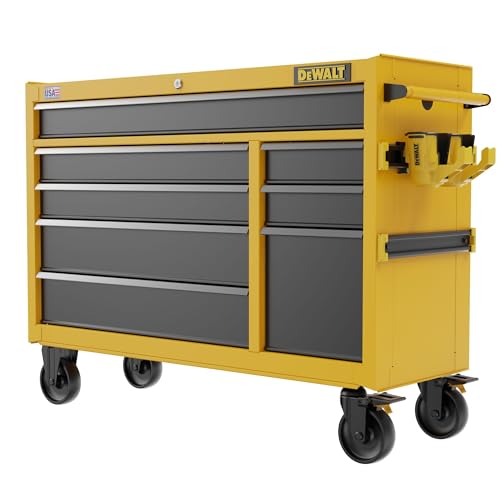
A toolbox is a classic storage option. It offers portability and organization. Choose one with compartments for different tools. Metal toolboxes are durable and long-lasting. Plastic ones are lighter and often cheaper. Select based on your needs and budget.
Organizers And Pegboards
Organizers help keep small tools and accessories sorted. Drawer organizers fit inside tool chests or cabinets. Pegboards are versatile and wall-mounted. They allow you to hang tools for easy access. Customize pegboards with hooks and shelves. They make excellent use of vertical space.
Mobile Workstations
Mobile workstations combine storage and work surface. They are ideal for larger projects. These stations have wheels for easy movement. Most include drawers and cabinets. They provide ample space for tools and materials. Consider one if you need flexibility in your workspace.
Frequently Asked Questions
What Are Essential Hand Tools For Beginners?
For beginners, essential hand tools include a hammer, screwdrivers, pliers, tape measure, and a utility knife. These tools cover basic tasks like assembling furniture, hanging pictures, and minor repairs. They're versatile, easy to use, and form the foundation for any DIY project.
Why Are Hand Tools Important For Diy Projects?
Hand tools are crucial for DIY projects because they offer precision and control. They allow for detailed work in tight spaces. Unlike power tools, they are quieter and safer. Hand tools are often more affordable, making them accessible for beginners and hobbyists.
How Do I Choose Quality Hand Tools?
Choose quality hand tools by checking for durable materials like stainless steel. Look for ergonomically designed handles for comfort. Reputable brands often guarantee longevity and performance. Reading reviews and comparing warranties can also help ensure you're investing in reliable tools.
How Should I Maintain My Hand Tools?
To maintain hand tools, clean them after each use to prevent rust. Store them in a dry place, ideally a toolbox. Regularly oil moving parts like pliers and wrenches. Sharpen blades of tools such as utility knives periodically to maintain efficiency.
Conclusion
Choosing the right hand tools simplifies DIY projects. Quality tools boost confidence and efficiency. Essential tools include a hammer, screwdriver, and tape measure. These tools make tasks easier and more enjoyable. Organized storage helps in quick access and saves time.
Regular maintenance extends tool life. Invest in durable, reliable tools for long-term use. Safety should always be a priority. With the right tools, DIY projects become satisfying and rewarding. Crafting, fixing, and building become fun, not chores. Embrace the DIY spirit and watch your skills grow.
Start today and create something amazing!