Are you stepping into the world of electronic servicing and wondering what tools you'll need to get started? Understanding the basic hand tools is crucial, whether you're a hobbyist or pursuing a professional path.
Imagine having the power to fix or enhance your electronic devices right at your fingertips. You’ll not only save money but also gain a deeper appreciation for how things work. We’ll unravel the essential hand tools that form the backbone of any electronic repair kit.
By the end, you’ll know exactly what you need to turn your curiosity into tangible skills. Ready to empower yourself with knowledge? Let’s dive in!
Essential Hand Tools For Electronics
Setting up a toolkit for electronic servicing can seem daunting, but starting with the right hand tools makes a world of difference. These essential tools are your best companions in troubleshooting and repairing electronic devices. Mastering their use can transform you from a curious novice into a confident problem-solver.
Screwdrivers
Screwdrivers are indispensable in electronic servicing. Whether you're opening up a smartphone or tinkering with a circuit board, you'll need a range of screwdrivers. A set should include various sizes of Phillips and flathead tips, as they fit most screws found in electronics. Have you ever struggled with stripping screws? Using the correct size ensures a firm grip and prevents damage.
Pliers
Pliers are versatile tools in your electronics toolkit. Needle-nose pliers are perfect for reaching into tight spaces and gripping small components. They help in bending and cutting wire and can even be used to hold components while soldering. Have you ever needed an extra hand? Pliers can be that helping hand when your fingers can't quite fit.
Wire Strippers
Wire strippers are crucial for preparing wires for connections. They allow you to remove the insulation without damaging the wire itself, ensuring a clean and safe connection. If you've ever used scissors or a knife, you know how easy it is to nick the wire. Quality wire strippers have precise cutting teeth that make this task quick and efficient.
How do you know if you're equipped for your next electronic project? Start by gathering these essential hand tools. With practice, you'll find that having the right tools not only makes your work easier but also more enjoyable. Equip your toolbox wisely and open the door to endless electronic possibilities.
Measurement Tools
In electronic servicing, measurement tools are essential for accuracy. These tools ensure circuits function correctly. They help diagnose and repair electronic devices. Understanding these tools improves efficiency and precision in work.
Multimeter
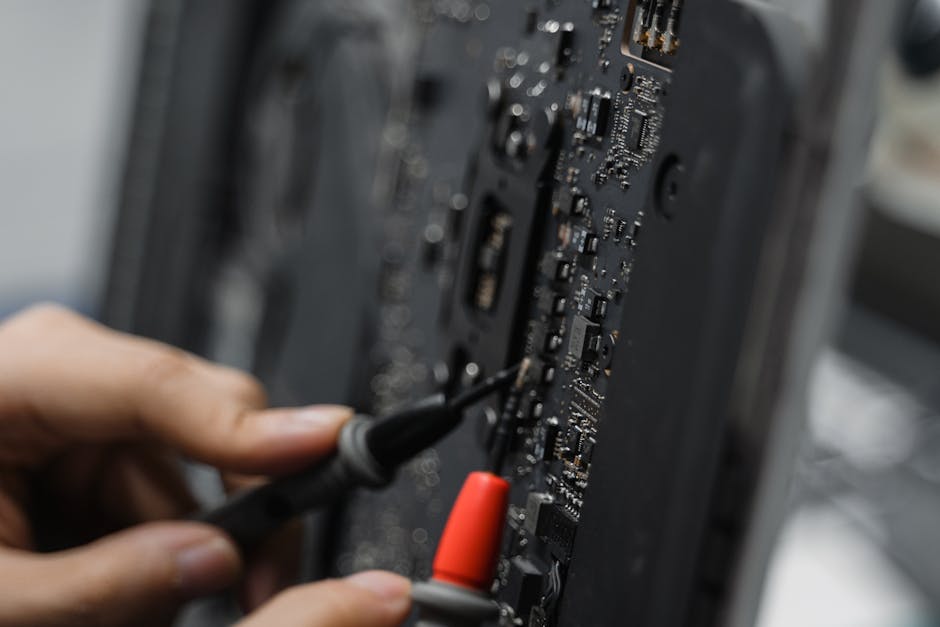
The multimeter is a versatile tool. It measures voltage, current, and resistance. Use it to test circuit continuity. This tool is crucial for diagnosing electrical problems. Different models offer various features. Some multimeters are digital, others analog. Choose one that suits your needs.
Oscilloscope
An oscilloscope displays electrical signals visually. It shows how signals change over time. With it, you can see waveforms and frequency. This tool is vital for checking signal integrity. Use it to analyze complex circuits. Oscilloscopes help in understanding signal behavior.
Signal Generator
The signal generator creates electronic signals. It helps test circuits and devices. Use it to simulate inputs for electronic systems. It generates various waveforms like sine, square, and triangle. This tool is important for calibrating and testing. Signal generators ensure devices respond correctly.
Soldering Equipment
In the world of electronic servicing, understanding the basics of soldering equipment can be a game-changer. Picture yourself fixing a faulty circuit board; without the right tools, it's like trying to mend a broken vase with your bare hands. Soldering equipment plays a crucial role in ensuring connections are secure and components are correctly placed. Ready to dive into the essentials?
Soldering Iron
The soldering iron is the cornerstone of any electronic toolkit. It's a handheld tool that heats up to melt solder, allowing you to join metal parts together. Think of it as your electronic glue gun. When choosing a soldering iron, consider its wattage and the type of tip. A higher wattage heats faster and maintains temperature better. If you've ever struggled with a stubborn connection, a fine tip might be your savior for precision work.
Desoldering Pump
Ever made a mistake while soldering and wished you could undo it? That's where the desoldering pump steps in. It's a simple tool designed to remove solder from connections, making it easier to correct errors or replace components. Using it is straightforward: heat the solder joint with your soldering iron, then quickly use the pump to suck up the melted solder. It's like a tiny vacuum for your circuit board. Have you ever thought about how many times a desoldering pump could have saved your project?
Soldering Station
If you find yourself soldering regularly, a soldering station is worth considering. Unlike basic soldering irons, stations offer adjustable temperature settings and often come with a holder and cleaning sponge. They provide stability, making your soldering tasks more efficient. Imagine having a workspace where everything is within reach, and your tools are neatly organized. A soldering station can transform your repair process into a streamlined operation.
As you explore the world of electronic servicing, these soldering tools are your allies. Each has its unique strengths and can dramatically improve your efficiency. Which tool do you think would make the biggest difference in your electronic endeavors?
Cutting And Trimming Tools
Basic hand tools in electronic servicing include cutting and trimming tools like wire cutters, pliers, and precision knives. These tools help technicians handle, shape, and connect delicate electronic components efficiently. Essential for tasks such as stripping wires, these tools ensure precise and safe operations in electronic repair and maintenance.
When diving into the world of electronic servicing, having a reliable set of cutting and trimming tools is crucial. These tools serve as your precision instruments, enabling you to make clean cuts and accurate trims in various electronic components. Whether you're snipping wires or trimming tiny circuit board parts, the right cutting tools can make all the difference in the quality of your work. Imagine trying to fix a circuit without the ability to cut or trim accurately; it would be like trying to paint a masterpiece with a broom. Let's explore some essential cutting and trimming tools you need to have in your toolkit.
Wire Cutters
Wire cutters are indispensable in electronic servicing. They are designed to cut through wires of different gauges with ease. A good pair of wire cutters should fit comfortably in your hand and provide a clean cut without fraying the wire ends. When I first started working on electronics, I underestimated the importance of quality wire cutters. I ended up with jagged wires that didn’t fit well into connectors, leading to connectivity issues. Don’t make the same mistake; invest in a pair that delivers precision and efficiency.
Precision Knives
Precision knives are your go-to tools for trimming small components and making detailed cuts. These knives offer control and accuracy, making them perfect for delicate tasks like cutting through thin sheets or trimming excess solder. Their sharp blades can reach tight spaces where scissors or larger tools can't. Have you ever tried using a bulky tool for a delicate task and ended up ruining it? A precision knife prevents that frustration and helps achieve the finesse needed in fine electronic work.
Snips
Snips are versatile cutting tools, often used for cutting sheet metal and other tough materials. In electronics, they can be used for trimming thicker wires or cutting metal enclosures. They provide leverage that makes cutting through tough materials much easier. Imagine being stuck halfway through cutting a metal case with a tool that isn't up to the task. Snips save you from that struggle, ensuring you get through the job swiftly and accurately. In electronic servicing, the right cutting and trimming tools are your best allies. They can make challenging tasks more manageable and your results more professional. What tools have you found essential in your electronic projects? Your experience might help someone else make the right choice.
Inspection And Testing Tools
Basic hand tools in electronic servicing include screwdrivers, pliers, and multimeters. Each tool plays a vital role. Screwdrivers help open devices, pliers assist in gripping components, and multimeters measure electrical properties. These tools are essential for efficient repair and maintenance.
When you're venturing into electronic servicing, inspection and testing tools become your best friends. These tools help you identify issues, ensuring that every component is in top-notch condition. They allow you to troubleshoot efficiently and accurately.
Magnifying Glass
A magnifying glass is more than just a detective's accessory. In electronic servicing, it reveals the unseen. Even the tiniest solder joint or hairline crack becomes visible. Imagine inspecting a crowded circuit board. With a magnifying glass, you can spot loose connections or damaged traces quickly. It saves you time and frustration. Have you ever missed a defect because it was too small to see? A magnifying glass ensures you don't overlook any detail. It's a simple tool, yet incredibly effective.
Circuit Tester
A circuit tester is like a truth detector for electronics. It tells you whether a circuit is live or dead. This information is crucial for safety and effectiveness. Consider the situation: you're dealing with a faulty circuit, and you're unsure if it's live. Using a circuit tester prevents accidental shocks and further damages. It's a tool that gives you peace of mind. Knowing a circuit's status allows you to proceed with confidence. Don't underestimate its value.
Thermal Camera
Thermal cameras might seem like high-tech gadgets, but they’re practical in electronic servicing. They help you see heat, revealing overheating components. When I first used a thermal camera, it was an eye-opener. I could instantly spot components that were running too hot. It was like having a sixth sense. They’re especially useful for identifying parts that might fail soon. A thermal camera helps you catch problems before they cause a breakdown. How often do you get a chance to prevent issues before they arise?
In the world of electronic servicing, inspection and testing tools enhance your ability to diagnose and fix issues. They provide insights that aren't visible to the naked eye. Which tool will you add to your toolkit today?
Cleaning And Maintenance Tools
Cleaning and maintenance tools are essential in electronic servicing. They ensure devices function optimally. Dust and dirt can harm electronic components. Regular cleaning keeps them in top shape. Let's explore the basic cleaning tools you need.
Brushes
Brushes are versatile in electronic servicing. Soft-bristled brushes remove dust from delicate parts. They reach crevices that are hard to clean. Brushes are perfect for circuit boards and connectors. They prevent dirt buildup.
Compressed Air
Compressed air is a powerful cleaning tool. It blows dust away from tight spaces. Great for keyboards and fans. It helps avoid physical contact with components. This reduces the risk of damage.
Cleaning Solvents
Cleaning solvents are vital for stubborn grime. They dissolve grease and sticky residues. Isopropyl alcohol is a popular choice. It evaporates quickly, leaving no residue. Ensure you use solvents safe for electronics.
Safety Tools
Safety tools are essential in electronic servicing. They protect you from hazards and ensure efficient work. With the right safety gear, risks are minimized. This leads to a safer working environment. Below are key safety tools every technician should use.
Safety Glasses
Safety glasses shield your eyes from debris and harmful particles. They prevent accidental injuries during repairs. Clear vision ensures accuracy in your work. Always choose glasses with a comfortable fit. This ensures prolonged wear without discomfort.
Gloves
Gloves provide essential hand protection. They prevent cuts and burns during electronic servicing. Insulated gloves reduce the risk of electric shocks. Choose gloves that offer both comfort and protection. This helps in maintaining dexterity during repairs.
Anti-static Mat
An anti-static mat is crucial for preventing static discharge. Static electricity can damage sensitive electronic components. By using a mat, you ensure safe handling of electronics. It provides a grounded work surface. This is vital for maintaining component integrity.
Frequently Asked Questions
What Are Essential Hand Tools For Electronics?
Essential hand tools include screwdrivers, pliers, wire strippers, and soldering irons. Screwdrivers help with opening devices, while pliers assist in gripping. Wire strippers are vital for removing insulation from wires. Soldering irons are used for joining electronic components. These tools are fundamental for effective electronic servicing and repair.
Why Are Multimeters Crucial In Electronic Servicing?
Multimeters are crucial because they measure voltage, current, and resistance. They help diagnose electronic faults and verify circuit functionality. By providing precise readings, multimeters ensure accurate troubleshooting. This tool is indispensable for technicians aiming for efficient and effective electronic servicing.
How Do Wire Strippers Aid In Repairs?
Wire strippers precisely remove insulation from wires without damaging them. This ensures clean and secure connections in electronic circuits. By using wire strippers, technicians can prepare wires efficiently for soldering or connecting. This tool enhances repair quality and is essential for maintaining electronic device integrity.
Can Pliers Be Used For Electronic Repairs?
Yes, pliers are versatile tools used in electronic repairs. They help in gripping small components, bending wires, and cutting. Needle-nose pliers are particularly useful for reaching tight spaces. With their multifunctional capabilities, pliers are indispensable for precise and effective electronic servicing tasks.
Conclusion
Understanding basic hand tools is crucial for electronic servicing. These tools help ensure safety and precision. Pliers, screwdrivers, and wire cutters are essential. Multimeters and soldering irons are valuable for detailed work. Each tool has its unique role in repairs.
Using the right tool can make tasks smoother. Practice with these tools boosts confidence. Better skills lead to efficient repairs. Safety should always be a priority. Proper tool care extends their lifespan. Explore these tools and enhance your skills. Happy repairing!