Must Be Comfortable Working With Hand And Power Tools.
Are you gearing up for a job that requires hands-on skills? If so, being comfortable with hand and power tools is not just a preference—it’s a necessity.
Picture this: you, confidently holding a power drill, seamlessly transforming a piece of wood into a work of art, or effortlessly assembling a piece of furniture. The sense of accomplishment and empowerment is unmatched. But what if the thought of using these tools makes you uneasy?
You're not alone. Many people feel intimidated at first, but the good news is that anyone can learn to master them. Understanding the ins and outs of these tools can unlock countless opportunities, whether you're pursuing a career in construction, woodworking, or even DIY projects at home. We'll dive into why being comfortable with hand and power tools is crucial, the benefits it brings to your life, and simple tips to help you become proficient. Ready to boost your skills and confidence? Let’s get started!
Safety First
Working with hand and power tools requires comfort and confidence for safety. Proper training ensures effective tool handling. Remember, safety first.
Working with hand and power tools can be incredibly rewarding, but it comes with its own set of responsibilities. Prioritizing safety is essential to ensure not only your well-being but also the successful completion of your projects. Every tool, whether simple or complex, carries potential risks. Understanding these risks and knowing how to mitigate them can make all the difference. Are you prepared to put safety first when using your tools?
Protective Gear
Wearing the right protective gear is your first line of defense against potential accidents. Always wear safety goggles to protect your eyes from flying debris. Gloves can help prevent cuts and abrasions but choose them wisely, as some tasks may require a firmer grip. Consider wearing a dust mask if you're working in dusty environments to protect your lungs. Ear protection is equally vital when using loud power tools. Have you ever paused to think about how a small investment in protective gear can save you from a significant injury?
Tool Maintenance
Proper tool maintenance is crucial for safety and efficiency. Regularly inspect your tools for wear and tear. A dull blade or a loose connection can cause accidents, so ensure everything is in working order. Keep your tools clean and store them in a dry place to prevent rust. This not only extends their lifespan but also ensures they function safely every time you use them. How often do you take the time to check your tools before starting a project? Safety is not just about following rules—it's about creating a mindset where every action is deliberate and cautious. By equipping yourself with the right protective gear and maintaining your tools, you set the stage for a safer, more productive work environment. What steps will you take today to prioritize safety in your workspace?
Tool Knowledge
Tool knowledge is essential for anyone working with hand and power tools. It ensures safety and efficiency. Knowing how to identify, select, and use these tools is crucial. This knowledge prevents accidents and improves work quality. Let's explore the basics of tool knowledge.
Identifying Hand Tools
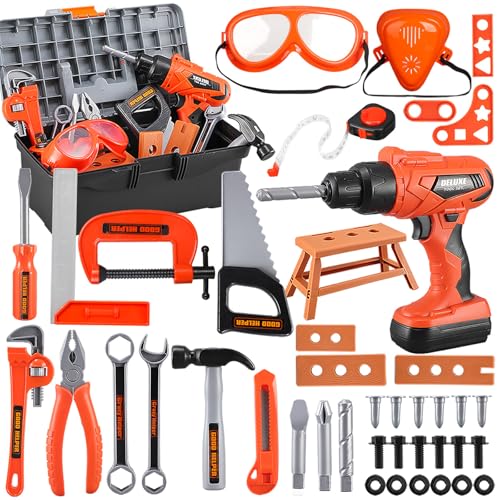
Hand tools don't require electricity. They're simple and manual. Common examples include hammers, screwdrivers, and wrenches. Each tool has a specific purpose. Recognizing them is the first step. A hammer drives nails. A screwdriver tightens screws. A wrench turns nuts. Knowing these basic tools is important. It helps in choosing the right tool for a task.
Understanding Power Tools
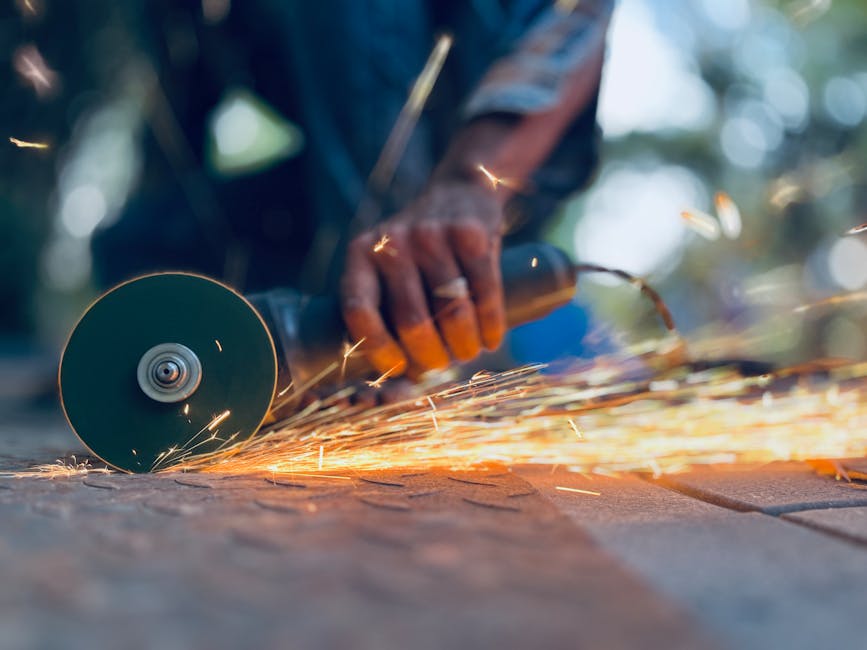
Power tools are more advanced. They use electricity or batteries. Examples include drills, saws, and sanders. Each power tool performs different tasks. A drill makes holes. A saw cuts materials. A sander smooths surfaces. Understanding these tools is vital. It ensures the right tool for the job. Using power tools improves speed and precision. Always read the manual. Safety is a priority with power tools.
Basic Techniques
Understanding basic techniques is essential for anyone working with hand and power tools. Mastering these skills ensures safety and efficiency. Basic techniques involve correct tool handling and maintaining precision and accuracy. These elements are crucial for achieving top-notch results.
Correct Tool Handling
Proper grip is key. Hold tools firmly, but not tightly. This prevents fatigue. Use both hands when needed. One hand guides, the other provides strength. Always wear protective gear. Gloves, goggles, and ear protection are vital. They keep you safe from harm.
Check tools regularly. Look for damage or wear. Replace faulty tools immediately. Keep your workspace organized. Place tools within easy reach. This saves time and minimizes accidents. Always read the manual. Each tool has specific instructions. Follow them carefully.
Precision And Accuracy
Measure twice, cut once. This old saying holds true. Accurate measurements prevent mistakes. Use rulers and calipers for precision. Mark your materials clearly. Pencil lines provide guidance. Ensure straight cuts by using guides. A saw guide helps maintain accuracy.
Work slowly and steadily. Rushing leads to errors. Focus on each step. Steady hands produce better results. Practice often. Repetition builds skill. Over time, your precision will improve. Review your work. Check for mistakes. Correct errors quickly.
Advanced Skills
Working with hand and power tools requires advanced skills. These skills go beyond basic handling and safety. They involve intricate techniques and problem-solving abilities. Mastery of these skills ensures efficient and precise work. Below, we explore two key areas of advanced skills.
Complex Tool Operations
Complex tool operations demand a deep understanding of each tool. Each tool has a unique function and operation method. Recognizing these differences is crucial for success. For example, operating a jigsaw involves precise control. Adjusting the speed and angle can affect the cut quality. Understanding these nuances leads to better results.
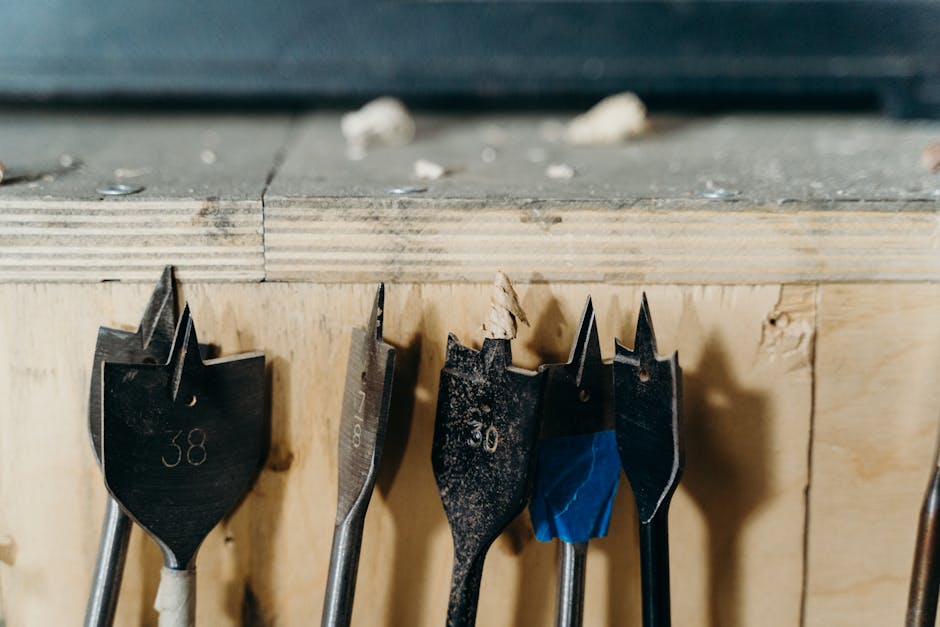
Power drills also require advanced operation skills. Selecting the right drill bit is essential. Different materials need different bits. Using the wrong one can damage both the tool and material. Knowing how to switch between bits quickly boosts efficiency. It saves both time and effort.
Troubleshooting Common Issues
Troubleshooting common issues is another vital skill. Tools can malfunction or produce unexpected results. Identifying the root cause is key to solving the problem. For instance, a saw may not cut straight. The issue could be a dull blade or incorrect alignment. Recognizing these factors helps in quick resolution.
Power tools often face electrical issues. A drill may not start due to a power problem. Checking the power source and connections is the first step. This simple check often resolves the issue. Understanding these troubleshooting steps ensures minimal downtime.
Project Planning
Project planning requires comfort with hand and power tools. Essential for building and repairing tasks efficiently. Skills enhance safety and precision, ensuring successful outcomes.
Project planning is a critical step when you're working with hand and power tools. It sets the foundation for a successful project, ensuring that every piece of the puzzle fits together seamlessly. Without a solid plan, even a simple task can become a complex challenge. Are you prepared for the unexpected twists and turns your project might take? Let’s dive into how careful planning can make your tool-based projects not only manageable but also enjoyable.
Tool Selection
Choosing the right tools is like picking the right ingredients for a recipe. Each tool has its own purpose and place. If you’ve ever tried to hammer a nail with the handle of a screwdriver, you know the struggle is real. Consider what tasks your project entails and select tools that match those needs precisely. Think about factors like size, power, and versatility. Do you need a compact drill for tight spaces or a powerful saw for cutting through thick materials? Having the right tool can save you time and prevent frustration. It also boosts your confidence, knowing you’re well-prepared to tackle any task.
Resource Management
Managing your resources effectively can make or break your project. Resources include everything from materials to time and budget. Have you ever started a project only to find you’re missing a critical component? It’s a frustrating experience that can be avoided with proper planning. Make a checklist of all the materials you need before beginning. Allocate your time wisely, setting realistic deadlines for each phase of the project. Consider your budget and explore cost-effective options without compromising quality. Effective resource management means anticipating potential roadblocks. What if your power tool runs out of battery halfway through a task? Having a backup plan, like spare batteries or a manual tool alternative, keeps your project on track. By managing your resources, you ensure a smoother workflow and a more satisfying project completion.
Continuous Learning
Mastering the use of hand and power tools requires continuous learning and practice. These skills enhance productivity and ensure safety in various tasks. Embracing new techniques and staying updated with tool advancements boosts confidence and efficiency.
Continuous learning is essential for anyone working with hand and power tools. It’s not just about knowing how to use a tool; it’s about staying ahead in a rapidly evolving field. By constantly updating your skills and knowledge, you ensure you remain competent, safe, and efficient in your work. Embrace learning as a lifelong journey, where each lesson sharpens your expertise and opens new opportunities.
Skill Development Workshops
Participating in skill development workshops can significantly enhance your proficiency with tools. These workshops offer hands-on experiences that books or videos can't provide. You learn directly from experts, gaining practical insights that you can apply immediately. Workshops often cover new techniques and tool features, keeping you in the loop. They also provide a platform to network with other professionals. Sharing experiences and challenges with peers can lead to innovative solutions and ideas. Consider attending local or online workshops regularly. Doing so can keep your skills fresh and relevant. Have you found a workshop that transformed your approach to a task?
Staying Updated With Technology
Technology in the tool industry evolves rapidly, with new features enhancing safety and efficiency. Staying updated with these advancements ensures you get the most out of your tools. It also helps in choosing the right tools for specific tasks, saving you time and effort. Follow industry publications and websites to learn about the latest tools and technologies. Subscribe to newsletters from trusted manufacturers. This will provide you with insights directly from the source, often highlighting innovations that can reshape your workflow. Experimenting with new tools can offer practical knowledge and improve your adaptability. Have you considered how the latest tech could simplify your work process? Embrace these advancements to stay competitive and efficient.
Frequently Asked Questions
What Are Essential Hand Tools To Know?
Essential hand tools include hammers, screwdrivers, pliers, and wrenches. Knowing how to use these tools is crucial. They are fundamental for various tasks and projects. Familiarity with these tools enhances efficiency and safety. Always ensure they are in good condition before use.
Why Is Power Tool Safety Important?
Power tool safety prevents accidents and injuries. Understanding safety protocols is vital when using power tools. It ensures a safe working environment. Improper use can lead to serious harm. Always follow manufacturer guidelines and wear protective gear.
How Do Hand Tools Differ From Power Tools?
Hand tools require manual effort, while power tools use electricity or batteries. Hand tools are simple and versatile. Power tools offer efficiency and speed for larger tasks. Both have unique purposes and benefits. Understanding their differences enhances task execution.
Can Beginners Use Power Tools Safely?
Yes, beginners can use power tools safely with proper training. It's crucial to read manuals and follow instructions. Start with simple tools and tasks. Always wear protective gear and work in a safe environment. Practice enhances skill and confidence.
Conclusion
Working with hand and power tools requires both skill and confidence. These tools help in creating and fixing things. Always prioritize safety while using them. Understanding each tool's function makes tasks easier. Regular practice improves your skills. Use proper safety gear like gloves and goggles.
Stay focused on the task to avoid mistakes. Respect each tool's power. Keep learning about new tools and techniques. Skills with these tools open many opportunities. Embrace the challenge and enjoy the process. Stay safe and keep improving your abilities.