Have you ever found yourself staring at a toolbox, wondering what each tool is for and how it can make your life easier? You're not alone.
Whether you're a seasoned DIY enthusiast or just starting out, understanding hand tools and their uses can save you time, money, and a lot of frustration. Imagine effortlessly fixing things around your home or crafting that perfect piece of furniture with confidence.
The right tools can empower you to tackle projects big and small, turning daunting tasks into enjoyable activities. In this guide, we'll explore different hand tools and their uses, shedding light on how each one can become your trusty sidekick. Dive in and discover how mastering these tools can transform your projects from challenging to manageable, and maybe even fun!
Basic Hand Tools
Basic hand tools are essential for any DIY enthusiast or professional. They form the foundation of any toolkit. Understanding each tool’s purpose makes tasks easier and more efficient. Let’s explore some common hand tools and their uses.
Hammers And Their Uses
Hammers are versatile tools found in every toolkit. The most common type is the claw hammer. It drives nails into wood and removes them. The sledgehammer is heavier and used for demolition. A ball-peen hammer shapes metal and is crucial for metalworking. Each hammer type serves a specific function. Choose the right one for the task at hand.
Screwdrivers For Different Tasks
Screwdrivers are essential for assembling and disassembling items. They come in various shapes and sizes. The most common types are flathead and Phillips. Flathead screwdrivers fit single-slot screws. Phillips screwdrivers fit cross-slot screws. Each type fits specific screws, ensuring a secure fit. Magnetic screwdrivers hold screws in place, easing the work process. They prevent screws from falling or getting lost.
Wrenches And Their Types
Wrenches are crucial for gripping, fastening, and loosening nuts and bolts. An adjustable wrench fits various sizes, making it versatile. A combination wrench has an open end and a box end. It's useful for tight spaces. Socket wrenches come with interchangeable sockets. They turn nuts and bolts efficiently. Each wrench type has unique benefits and applications. Select the appropriate wrench to ensure task efficiency.
Cutting Tools
When diving into the world of hand tools, cutting tools stand out as indispensable for various tasks. Whether you're crafting furniture or slicing through cardboard, these tools are essential for precision and efficiency. The right cutting tool can transform a challenging task into a simple one. But how do you know which tool to choose for the job? Let’s explore some of the most common cutting tools and their uses. You'll discover how these tools can enhance your DIY projects and everyday tasks.
Saws For Wood And Metal
Saws are vital when you need to separate materials like wood or metal. A wood saw, such as a handsaw or a jigsaw, is perfect for cutting through wooden planks or trimming branches. On the other hand, a hacksaw is your go-to tool for slicing through metal pipes or rods. Ever tried trimming a stubborn tree branch with a dull saw? It's like trying to cut butter with a spoon. A sharp saw makes all the difference, ensuring clean cuts and saving you time and effort.
Consider the type of project you're tackling. Are you building a wooden shelf or installing metal brackets? Choosing the right saw based on the material can drastically improve your results. Have you ever pondered how much easier a project becomes with the right tool?
Utility Knives And Box Cutters
Utility knives and box cutters are incredibly versatile for everyday tasks. They're perfect for slicing open packages, cutting through drywall, or even trimming carpet edges. These tools are compact, making them easy to carry in your pocket or tool belt. Imagine the frustration of trying to open a stubborn package with scissors. With a sharp utility knife, you can glide through tape and cardboard with precision.
Safety is paramount when using these tools. Ensure the blade is sharp and retractable to avoid accidents. Have you ever noticed how a dull blade requires more force, increasing the risk of slips and cuts?
Chisels For Precision Work
Chisels are essential for detailed woodworking and carving tasks. Whether you're sculpting a masterpiece or fitting joints, chisels provide the precision needed for intricate work. A sharp chisel can create clean edges and detailed grooves that elevate the quality of your project. Remember the satisfaction of watching a perfectly shaped joint come together? That's the power of a well-used chisel.
Choosing the right chisel depends on your project. For finer details, use a small chisel; for larger cuts, opt for a wider one. Do you ever marvel at the transformation of a simple block of wood into a beautiful piece of art?
By understanding these cutting tools and their uses, you'll enhance your craftsmanship and efficiency in various tasks. Which tool will you choose for your next project?
Measuring Tools
Measuring tools are essential in various tasks, from construction to crafting. They help ensure accuracy and precision. These tools provide exact measurements needed for successful projects. Knowing how to use them is crucial for achieving the best results.
Tape Measures And Rulers
Tape measures and rulers are basic yet vital tools. Tape measures are flexible and often retractable. They are perfect for measuring longer distances. Ideal for construction, carpentry, and home projects. Rulers are rigid and usually 12 inches long. They are great for smaller tasks like drawing or crafts.
Levels For Accurate Alignment
Levels are used to check if surfaces are even. They come in various sizes. They have a liquid-filled tube with a bubble. The bubble indicates if the surface is level. Perfect for hanging pictures or installing shelves. Ensures that everything is perfectly straight.
Calipers For Detailed Measurements
Calipers provide precise measurements of small objects. They are commonly used in metalworking and woodworking. They measure the distance between two opposite sides of an object. Useful for tasks requiring high accuracy. Digital calipers offer easy-to-read displays. They ensure measurements are both fast and accurate.
Fastening Tools
Fastening tools are essential in many projects. They help hold materials together securely. From construction to crafting, these tools play a vital role. Knowing their uses can make tasks easier and safer.
Pliers For Gripping And Twisting
Pliers are versatile fastening tools. They grip, twist, and cut materials. Use them to bend wires or tighten bolts. Needle-nose pliers fit into small spaces. Slip-joint pliers adjust for different sizes. Each type serves a specific purpose.
Clamps For Holding Workpieces
Clamps hold pieces in place. They ensure stability during work. Bar clamps work for large wood pieces. C-clamps are best for smaller tasks. Spring clamps offer quick and easy application. Choose the right clamp for your project.
Nail And Staple Guns
Nail and staple guns drive nails or staples quickly. They save time compared to manual tools. Nail guns are great for framing and roofing. Staple guns work well for upholstery and crafts. Both ensure strong and lasting joins.
Shaping Tools
Explore various hand tools essential for shaping materials, including chisels, saws, and hammers. Each tool serves a unique purpose in crafting, cutting, or refining surfaces. Understanding their uses helps in selecting the right tool for every task.
When it comes to shaping tools, these are the unsung heroes in any toolkit. They help you transform rough, uneven surfaces into smooth, polished masterpieces. Whether you're working on a woodworking project or repairing a cherished piece of furniture, shaping tools offer precision and control. But what specific tools should you reach for? Let’s dive into the essentials: files, rasps, planes, and scrapers.
Files And Rasps For Smoothing
Files and rasps are your go-to tools for refining details. Files come in various shapes and sizes, designed for fine work. They are perfect for smoothing edges and perfecting intricate designs. Rasps, on the other hand, are the rougher cousins of files. They excel at removing more material quickly. Think of them as the heavy lifters for shaping wood or soft metals. Imagine you’re crafting a wooden sculpture. You start with a rasp to carve out the basic form, then switch to a file to add delicate curves and fine details.
Planes For Surface Leveling
Planes are indispensable for leveling surfaces. They glide over wood, shaving off thin layers to create a flat, even finish. Whether you're building a table or repairing a door, a plane ensures that surfaces align perfectly. Have you ever assembled a piece of furniture only to find it wobbles on uneven legs? A plane can easily fix that, transforming your frustration into satisfaction.
Scrapers For Removing Material
Scrapers are specialized tools for removing thin layers of material. They can strip paint, varnish, or glue, leaving a clean surface ready for the next step. Unlike sandpaper, scrapers don't produce dust, making them a cleaner option. Plus, they're perfect for those hard-to-reach areas where other tools fall short. Consider the last time you tackled a DIY project. Did you find yourself struggling to remove old paint from a window frame? A scraper might have been the secret weapon you needed. Shaping tools might not get the limelight, but they are crucial for precision work. Each tool has its own charm and utility. Which tool do you think could transform your next project?
Finishing Tools
Finishing tools add the perfect touch to any project. They help achieve smooth surfaces and glossy finishes. These tools are essential for enhancing the final look. Whether it's sanding, painting, or polishing, finishing tools make the difference. Let's explore some popular ones.
Sanders For Smooth Surfaces
Sanders level rough surfaces quickly. They remove excess material and prepare surfaces for painting. Orbital sanders are great for small tasks. Belt sanders work best on larger areas. They help achieve smooth, even finishes.
Paint Brushes And Rollers
Paint brushes offer precision for detailed work. They are perfect for corners and edges. Rollers cover large areas efficiently. They apply paint evenly and reduce streaks. Both tools are vital for a flawless paint job.
Polishers For A Shine
Polishers give surfaces a glossy finish. They enhance the shine of metals and wood. Electric polishers speed up the process. Manual polishers offer more control. These tools ensure surfaces sparkle and look brand new.
Gardening Tools
Gardening tools make cultivating a garden easier. They help in maintaining plants and soil. Each tool has a specific function. Choosing the right tool saves time and effort. Let's explore some essential gardening tools.
Pruners And Shears
Pruners and shears trim plants and shrubs. They keep plants healthy by removing dead parts. Hand pruners are great for small branches. Use shears for hedges and larger areas. Sharp blades ensure clean cuts, promoting growth.
Trowels And Spades
Trowels and spades dig and move soil. A trowel is small and hand-held. It plants seeds and bulbs. Spades have long handles and flat blades. They are perfect for digging holes and turning soil. Choose sturdy ones for better performance.
Rakes For Clearing Debris
Rakes gather leaves and debris. They keep gardens tidy and clean. Leaf rakes have flexible, wide tines. They are ideal for light materials. Garden rakes have stiff tines. Use them for heavier tasks like leveling soil.
Specialized Tools
Specialized tools serve specific tasks. They enhance efficiency and precision. Each tool is designed for a unique purpose. These tools cater to different industries and needs. Understanding their use can improve work quality and safety.
Electrical Hand Tools
Electricians rely on specialized electrical tools. Wire strippers remove insulation from wires. Multimeters measure voltage, current, and resistance. Pliers are used for gripping and twisting wires. Screwdrivers tighten or loosen electrical connections. These tools ensure safe and efficient electrical work.
Plumbing Tools
Plumbers use unique tools for their tasks. Pipe wrenches grip and turn pipes. Pipe cutters are used for cutting pipes cleanly. Plumber's tape seals threaded pipe connections. Basin wrenches reach and tighten nuts in hard-to-reach places. These tools are essential for leak-free plumbing.
Automotive Hand Tools
Automotive tools are crucial for vehicle repair. Socket sets tighten and loosen nuts and bolts. Torque wrenches ensure proper tightness of fasteners. Pliers handle small parts and cables. Screwdrivers fit screws of different sizes and shapes. These tools make car maintenance efficient and precise.
Safety And Maintenance
Hand tools come in various types, each with specific uses. Hammers drive nails, wrenches tighten bolts, and screwdrivers fix screws. Keeping tools in good condition ensures safety and efficiency. Regular maintenance prevents accidents and prolongs tool life. Proper storage and cleaning are essential for lasting performance.
Ensuring the safety and maintenance of your hand tools is as important as using them effectively. These practices not only extend the life of your tools but also keep you safe during your DIY projects. Proper care can prevent accidents and save you money in the long run. Let's dive into some essential aspects of tool safety and maintenance.
Proper Tool Storage
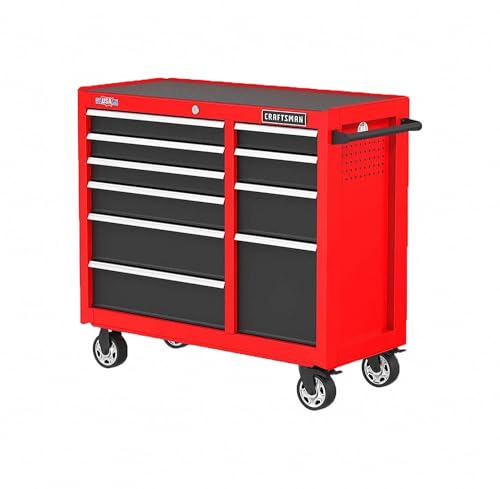
Storing your tools properly is a simple yet vital practice. Keep your tools in a dry place to prevent rust. Moisture is the enemy of metal tools. Consider using a pegboard or a toolbox with compartments. This helps in organizing your tools efficiently and ensures that they are easily accessible. Once, I couldn't find my hammer because it was buried under a pile of wrenches. A pegboard solved that problem. Label your tool storage areas. This helps you quickly find the tool you need, reducing the time you spend searching. It's a small habit that makes a big difference.
Regular Tool Maintenance
Regular maintenance keeps your tools in top shape. Clean your tools after every use to remove dirt and grime. A simple wipe with a cloth can do wonders. Sharpen blades regularly if you are using cutting tools. A dull blade is not only ineffective but also dangerous as it requires more force, increasing the risk of slips. Inspect your tools for wear and tear. Look for cracks, chips, or any signs of damage. A quick check can prevent mishaps during your projects.
Safety Gear And Practices
Always use the right safety gear. Gloves, goggles, and ear protection are basic but essential items. They protect you from common hazards like splinters, dust, and loud noises. Follow proper handling techniques. For example, always cut away from your body and keep your fingers clear of moving parts. These simple practices can prevent injuries. Keep a first-aid kit nearby. Accidents can happen, and being prepared is key. A quick response can mitigate a minor accident from turning into something serious. Have you ever thought about how a small habit, like cleaning your tools, could save you hours of frustration later? Start implementing these tips today, and notice the difference it makes in your projects and safety.
Frequently Asked Questions
What Are Basic Hand Tools Used For?
Basic hand tools are used for various manual tasks. They include hammers, screwdrivers, and pliers. These tools help in tasks like driving nails, tightening screws, and gripping objects. They are essential in construction, repairs, and crafting projects, offering precise control and versatility.
How Do Wrenches Work?
Wrenches are used to tighten or loosen nuts and bolts. They come in different types like adjustable, socket, and combination wrenches. By applying torque, they grip and turn fasteners. Wrenches are crucial in mechanical and plumbing work, providing strong leverage and accurate control.
What Is The Use Of A Screwdriver?
Screwdrivers are used for inserting and removing screws. They come in various types like Phillips and flathead. Screwdrivers provide precise control and are essential in assembling furniture and electronics. They enable efficient fastening and unfastening, making them vital tools in both professional and DIY tasks.
Why Are Pliers Important In Toolkits?
Pliers are essential for gripping, bending, and cutting materials. They offer a strong grip and precise control. Types like needle-nose and slip-joint are used in electrical work and crafting. Pliers enhance efficiency in various tasks, making them indispensable in toolkits for both professionals and hobbyists.
Conclusion
Understanding hand tools is essential for every DIY enthusiast. Each tool serves a specific purpose. Hammers, screwdrivers, and wrenches help with basic repairs. Pliers and saws tackle more complex tasks. Knowing how to use these tools safely is crucial. It ensures efficiency and reduces injury risk.
Always choose the right tool for the task. This saves time and effort. Quality tools last longer and perform better. Invest wisely in a reliable set. With this knowledge, you can handle most home projects confidently. Explore, learn, and enjoy the satisfaction of a job well done.