Do you ever find yourself staring at a cluttered toolbox, wondering which tools you truly need? You're not alone.
Understanding what all is considered hand tools can be a game-changer for any DIY enthusiast or professional. Imagine having a perfectly curated set of tools that not only gets the job done but also saves you time and money. We'll dive into the essentials of hand tools, helping you make informed decisions and boosting your confidence in tackling any project.
Ready to transform your toolbox and discover the secrets behind each tool's purpose? Let's get started!
Types Of Hand Tools
Hand tools are essential in every toolbox. They are used in various tasks, from building to repairing. Understanding the different types of hand tools is crucial. It helps in selecting the right tool for the job. Here, we explore the main categories of hand tools.
Cutting Tools
Cutting tools are used to cut through materials. They include saws, knives, and scissors. Each tool has a specific use. Saws cut wood and metal. Knives are perfect for precision cuts. Scissors are ideal for cutting paper and thin materials.
Fastening Tools
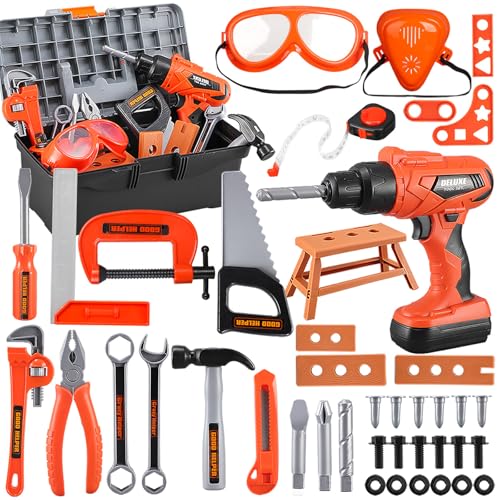
Fastening tools help join materials together. Common examples are screwdrivers and wrenches. Screwdrivers drive screws into surfaces. Wrenches tighten or loosen bolts and nuts. Using the right size tool is important for effective fastening.
Striking Tools
Striking tools deliver force to an object. Hammers and mallets are popular examples. Hammers drive nails into surfaces. Mallets are used for delicate work. They avoid damaging the surface.
Holding Tools
Holding tools grip or hold objects firmly. Pliers and clamps are common holding tools. Pliers are versatile. They grip, twist, and cut wire. Clamps hold objects together while glue dries.
Measuring Tools
Measuring tools ensure accuracy in projects. Rulers and tape measures are essential. They help measure lengths and widths. Accurate measurements lead to precise cuts and fittings.
Materials And Construction
Understanding the materials and construction of hand tools helps in choosing the right tools. Different materials provide different benefits. The construction quality impacts the tool's durability and performance.
Metal Alloys
Most hand tools use metal alloys for strength. Steel is common for its durability. Stainless steel resists rust and lasts longer. Some tools use chrome vanadium. It offers toughness and wear resistance. Each alloy has unique properties. Choose based on your needs.
Handle Materials
Handles can be wood, plastic, or rubber. Wood offers a classic feel. It provides comfort and grip. Plastic handles are lightweight. They resist moisture and chemicals. Rubber handles offer a firm grip. They reduce hand fatigue during use. Handle choice affects tool control.
Finish And Coating
Finish and coating protect tools from wear. A polished finish reduces rust. Coatings like chrome add shine and protection. Some tools have black oxide coating. It minimizes glare and enhances durability. The right finish keeps tools in top condition.
Safety Tips
Safety is crucial when using hand tools. Proper knowledge prevents accidents and damage. Following safety tips is essential for effective and secure tool use. Let's explore key safety aspects to ensure your hand tools are used safely and efficiently.
Proper Usage
Always read the tool's instructions before use. Ensure you know its purpose and limitations. Use tools for their intended function only. Incorrect usage can cause injury or damage. Keep a firm grip on the tool while working. Wear appropriate safety gear such as gloves and goggles. Inspect tools for damage or wear before each use.
Maintenance
Regular maintenance extends a tool's life. Clean tools after every use. Remove dirt and debris. Check for rust or corrosion. Oil moving parts to prevent sticking. Sharpen blades as needed to maintain efficiency. Tighten loose screws or fittings. Proper care ensures tools remain safe and effective.
Storage Practices
Store tools in a dry, safe place. Avoid damp areas that can cause rust. Use racks or toolboxes for organization. Keep sharp tools covered or sheathed. Ensure tools are not within reach of children. Label storage areas for easy identification. Organized storage prevents accidents and tool damage.
Selecting The Right Tools
Choosing hand tools involves considering essential factors like durability, comfort, and purpose. These tools include hammers, screwdrivers, pliers, and wrenches. Selecting quality hand tools ensures efficient work and safety in various tasks.
Selecting the right hand tools can make a world of difference in your projects, whether you’re building a bookshelf or fixing a leaky faucet. It’s not just about grabbing the first tool you see on the shelf; it’s about choosing the ones that best fit your needs and goals. With a wide array of tools available, the process might seem overwhelming, but breaking it down into key considerations can make it manageable.
Assessing Needs
Start by understanding what your project requires. Are you tackling a simple home repair or embarking on a complex woodworking project? Each task demands different tools. Think about the tools you already have and the ones you might need to buy. For a basic home toolkit, essentials like a hammer, screwdriver set, and pliers are a must. Consider the frequency of use. A tool that you’ll use often should be prioritized over one that will gather dust. It’s all about balancing necessity and convenience.
Quality Considerations
When selecting tools, quality should be at the forefront of your mind. A high-quality tool can last a lifetime, while a cheap one might fail at a crucial moment. Look for tools made from durable materials like stainless steel or hardened metals. Check for ergonomic designs that ensure comfort during extended use. Read reviews and ask for recommendations. Sometimes a friend’s experience can be the best guide to finding reliable brands.
Budget Constraints
Everyone loves a good deal, but be cautious about sacrificing quality for cost. While it's tempting to go for the cheapest option, investing in decent tools often pays off in the long run. Create a budget for your tool purchases. Prioritize buying a few high-quality tools over a large number of inferior ones. Consider second-hand tools as an alternative. Many used tools are still in excellent condition and can be a cost-effective option. Choosing the right tools is an art that combines practicality with personal preference. Have you ever purchased a tool you thought you needed, only for it to collect dust on the shelf? Share your experiences and consider what adjustments you might make in your next tool purchase.
Care And Maintenance
Hand tools include items like hammers, screwdrivers, and wrenches. Regular cleaning keeps them in good condition. Storing them properly prevents rust and damage.
Taking care of your hand tools is essential for their longevity and performance. Regular maintenance can save you money and ensure your tools work effectively when you need them. It's not just about storing them correctly; it's also about cleaning, sharpening, and preventing rust. Let’s dive into some practical tips that you can easily apply.
Cleaning Techniques
Cleaning your hand tools is the first step in maintenance. Dirt and grime can affect their performance and durability. Wipe down your tools after each use with a clean, dry cloth to remove any debris. For tougher grime, use a soft brush and mild soap. Avoid soaking your tools in water; it can lead to rust. One trick I learned from my grandfather was to use a little bit of vinegar to clean stubborn spots; it works wonders and leaves your tools looking almost new.
Sharpening Methods
A sharp tool is a safe tool. Dull blades require more force, increasing the risk of accidents. Use a sharpening stone or a file to maintain the edge of your blades. Keep the angle consistent while sharpening to ensure an even edge. If you're unsure about the angle, check your tool’s manual or look online for guidance specific to your tool type. Sharpen regularly, not just when the tool becomes noticeably dull.
Rust Prevention
Rust is the enemy of hand tools. It weakens the metal, making tools unsafe. Store your tools in a dry place to prevent moisture build-up. Consider using a dehumidifier in your storage area if you live in a humid climate. Apply a light coat of oil to metal surfaces for an extra layer of protection. Have you ever thought about using silica gel packs? They’re not just for shoe boxes; they can keep your toolbox dry too. By implementing these care and maintenance tips, you not only extend the life of your tools but also ensure they perform when you need them most. What other methods have you found effective in maintaining your hand tools? Your input might just help another reader.
Innovations In Hand Tools
Hand tools include items like wrenches, hammers, and screwdrivers. These tools are powered by human effort. Recent innovations focus on ergonomic designs and multi-functionality. Improved materials enhance durability and comfort.
Innovations in hand tools have transformed how tasks are accomplished. These advancements enhance efficiency and user comfort. Modern hand tools offer features that cater to diverse needs and preferences. As technology evolves, so do tools, bringing new possibilities to traditional tasks.
Ergonomic Designs
Ergonomic designs prioritize user comfort and safety. Tools now fit the natural grip of the hand. This design reduces strain and fatigue during use. Comfortable handles make tasks easier and prevent injuries. These tools are suitable for both professionals and hobbyists.
Multi-functional Tools
Multi-functional tools save space and time. They combine several tools into one. This versatility benefits users with limited storage. Fewer tools mean less clutter and more efficiency. These tools are perfect for on-the-go tasks.
Smart Technology Integration
Smart technology integration brings new features. Some tools now connect to apps. This provides real-time updates and tracking. Users can monitor tool performance and maintenance. Smart tools enhance precision and control.
Frequently Asked Questions
What Are Common Hand Tools?
Common hand tools include hammers, screwdrivers, wrenches, and pliers. They are essential for various tasks at home or in workshops. Hand tools are manually operated and don't require electricity. They are versatile and useful for basic repairs and maintenance. These tools are often found in toolkits and garages.
How Do Hand Tools Differ From Power Tools?
Hand tools operate manually, while power tools use electricity or batteries. Hand tools are typically lighter and easier to control. They are ideal for precision work and small tasks. Power tools are designed for larger projects and heavy-duty tasks. Choosing between them depends on the specific job requirements.
Are Hand Tools Safer Than Power Tools?
Hand tools are generally safer because they don't involve electricity. They offer more control and precision, reducing the risk of accidents. However, proper usage is crucial to avoid injury. Power tools can be more dangerous due to their speed and power.
Always follow safety instructions for both types of tools.
What Maintenance Do Hand Tools Need?
Regular maintenance includes cleaning, oiling, and checking for damage. Keeping tools clean prevents rust and ensures longevity. Oil moving parts to maintain smooth operation. Inspect for wear or damage, and repair if necessary. Store tools properly to avoid unnecessary wear.
Routine maintenance enhances tool performance and lifespan.
Conclusion
Hand tools are essential for any project. They offer precision and control. From hammers to screwdrivers, each tool has a unique purpose. Knowing these tools helps in choosing the right one. This ensures safety and efficiency. Investing in quality hand tools saves time and effort.
Proper care extends their lifespan. Always store them in a dry place. Regular maintenance is key. Hand tools are not just for professionals. They are useful for everyone. Explore them. Understand their uses. Your projects will benefit greatly. Happy crafting!