Imagine facing a plumbing issue in your home. A leaky faucet or a clogged drain can quickly turn a peaceful day into a stressful one.
You don't have to be a professional plumber to handle minor repairs, but having the right tools at your disposal is crucial. That's where this guide on must-have plumbing hand tools comes in. By equipping yourself with these essential tools, you can save time, money, and perhaps even your sanity.
As you read on, you'll discover which tools deserve a spot in your toolbox and how they can empower you to tackle common plumbing problems with ease and confidence. Ready to transform your DIY skills and be prepared for any plumbing mishap? Let’s dive in!
Pipe Wrench Essentials
Every plumber's toolbox is incomplete without the trusty pipe wrench. It's one of the most essential tools for tackling plumbing tasks, from fixing leaks to installing new fixtures. Understanding the basics of pipe wrenches, especially in terms of size and usage, can make your plumbing projects smoother and more efficient.
Choosing The Right Size
Picking the right size pipe wrench can be the difference between a job well done and a frustrating ordeal. A common mistake is selecting a wrench that's too large, which can cause damage to the pipe or fitting. Smaller wrenches might struggle to provide the necessary grip, leading to slippage.
Consider the diameter of the pipes you're working with. For example, a 14-inch pipe wrench is often ideal for residential plumbing tasks, while a 24-inch wrench might be better suited for larger, industrial pipes. It’s worth having a few different sizes in your toolkit to handle various tasks with ease.
Using Pipe Wrenches Effectively
Using a pipe wrench effectively isn't just about brute force; it's about technique. Ensure the wrench jaws are parallel to the pipe for maximum grip and stability. Tighten the wrench just enough to secure it, but avoid overtightening, which can damage the pipe.
Have you ever found yourself struggling with a stubborn pipe fitting? Before applying more force, check your grip and positioning. Sometimes adjusting the angle or repositioning the wrench can provide the leverage you need. Remember, it’s not about how strong you are, but how you use your strength.
How do you maintain your pipe wrenches? Regularly clean and lubricate the adjustment nut to ensure smooth operation. This simple maintenance tip can extend the life of your tools and ensure they’re ready for action whenever you need them.
Investing time in understanding your pipe wrench can save you time and effort in the long run. Next time you reach for this essential tool, think about the size and technique to make your plumbing tasks as efficient as possible. Have you discovered any unique tips or tricks when using pipe wrenches? Share your insights and let’s learn together!
The Versatility Of Adjustable Wrenches
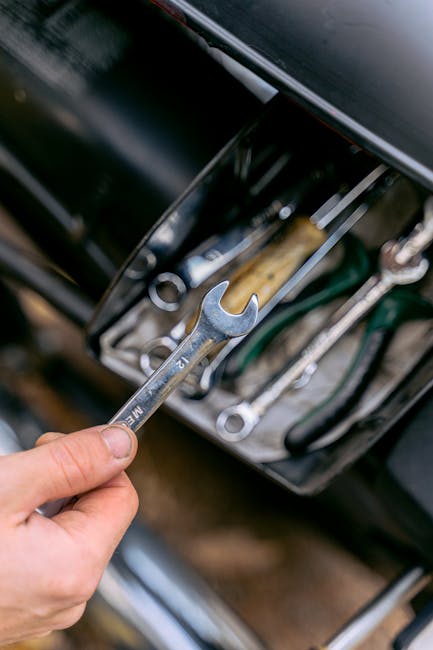
Adjustable wrenches are essential plumbing tools, offering flexibility for various tasks. They easily fit nuts and bolts of different sizes. Every plumber needs this adaptable tool to tackle diverse plumbing challenges with ease.
When it comes to plumbing tools, adjustable wrenches are a true gem for any DIY enthusiast or professional plumber. Their flexibility and ease of use make them indispensable for a variety of tasks. Whether you're tightening a stubborn pipe fitting or loosening a rusty bolt, an adjustable wrench can be your best ally.
Benefits Of Adjustable Wrenches
Adjustable wrenches shine in their ability to fit various sizes of nuts and bolts. This means you don’t need a bag full of different-sized wrenches. Just one adjustable wrench can handle most jobs, saving you space and money. These wrenches are also user-friendly. You can easily adjust the jaw size using a simple screw mechanism. This feature allows you to switch between tasks quickly without fumbling around for the right tool. Have you ever tried working in a cramped space? Adjustable wrenches are ideal for tight spots where standard wrenches can't reach. Their slim design and variable grip make them perfect for awkward angles.
Maintenance Tips
Keeping your adjustable wrench in top shape ensures it performs well every time. Regularly clean off any grime or dirt to prevent rust and corrosion. A clean wrench is a happy wrench. Lubricate the moving parts often. A bit of oil on the adjustment screw can keep the jaw movement smooth and precise. This not only prolongs the tool's life but also makes your work easier. Store your wrench properly. Hanging it or placing it in a tool bag can prevent unnecessary wear and tear. How do you store your tools? A small change in storage habits can make a big difference. Adjustable wrenches are a must-have in any tool kit. Their versatility, ease of use, and the ability to handle a wide range of tasks make them invaluable. With proper care, they can serve you well for years to come.
Plunger Types And Uses
Plungers are essential tools in every home. They help clear blocked drains. Knowing the right plunger type is vital. Each has its own specific use. Choosing the right one makes the task easier. It also improves efficiency. Let's explore the different types of plungers and their uses.
Cup Plunger Vs. Flange Plunger
The cup plunger is common and simple. It has a flat rubber cup. This plunger works best on flat surfaces. Use it for sinks and bathtubs.
Flange plungers have an extra rubber flap. The flap fits into toilet drains. This design creates a better seal. It makes clearing toilet clogs easier. Choose a flange plunger for toilets.
Proper Plunger Techniques
Using a plunger correctly is important. Start by covering the drain hole completely. This creates a seal. Push and pull the plunger firmly. Use short, quick motions. Do not break the seal. Maintain the pressure to clear the clog.
For toilets, ensure the water covers the plunger head. This ensures proper suction. Repeat the motion until the water drains freely. Practicing these techniques ensures effective plunging.
Plumber's Tape For Leak Prevention
Plumber's tape is essential for leak prevention, sealing pipe threads effectively. It ensures a tight fit, preventing leaks in plumbing systems. Easy to use, it's a must-have in any toolkit for both professionals and DIY enthusiasts.
In the world of plumbing, preventing leaks is a top priority. Imagine you're tightening a joint, and suddenly, water starts seeping through. That's where plumber's tape, often called Teflon tape, comes to the rescue. This thin, flexible tape is a must-have for anyone looking to ensure leak-free connections. Whether you're a seasoned professional or a DIY enthusiast, understanding how to use plumber's tape effectively can make your projects smoother and your results more reliable.
Application Tips
Using plumber's tape is straightforward, but there are a few tips to keep in mind for the best results. Always wrap the tape in the same direction as the threads. This ensures that the tape doesn't unravel when you tighten the connection. Apply the tape tightly, with two to three layers usually being sufficient. Too little tape can lead to leaks, while too much can prevent a proper seal. It's about finding that sweet spot. Remember to start wrapping a couple of threads back from the end. This prevents excess tape from getting into the pipe and potentially causing blockages. Have you ever had to redo a connection because water wasn't flowing? Starting a bit back can prevent that.
Common Mistakes To Avoid
One common mistake is using the wrong type of tape for the job. Not all plumber's tapes are created equal. For water connections, standard white Teflon tape works well. But for gas lines, you need yellow gas-rated tape. Using the wrong type can be a costly oversight. Another mistake is not cleaning the threads before applying the tape. Dirt and old tape can prevent a proper seal. Think about the last time you painted a wall. You wouldn't paint over dust; the same principle applies here. Overlapping the tape too much is also a frequent issue. Excessive overlap can make it difficult to screw the joint together. This can lead to frustration and wasted time. Have you ever struggled with a simple task because of one small misstep? Proper tape application can save you from such hassles. Using plumber's tape is simple yet effective. By understanding and avoiding these common pitfalls, you can ensure your plumbing projects are leak-free and long-lasting. Consider trying these tips the next time you're faced with a leaky joint. You'll be surprised at the difference a little tape can make.
Utility Of Basin Wrenches
The basin wrench is a vital tool in plumbing. It makes tasks easier and more efficient. This tool is designed for tight spots under sinks. Its unique shape helps reach places other wrenches can't. Every plumber should have one in their toolkit.
Ideal Uses
Basin wrenches are perfect for working under sinks. They tighten or loosen faucet nuts easily. This tool saves time and effort. It is especially useful for bathroom and kitchen fixtures. Its long handle provides leverage in tricky situations.
Handling Tight Spaces
Plumbers often face tight spaces. The basin wrench excels in these conditions. Its pivoting head reaches awkward angles. This helps in cramped areas where hands can't fit. The narrow design slides into tight gaps effortlessly.
Hacksaw For Pipe Cutting
A hacksaw is essential for cutting pipes with precision in plumbing tasks. It features a sharp blade that slices through metal or plastic pipes effortlessly. Compact and easy to handle, this tool is indispensable for any plumbing project.
A hacksaw is essential for cutting pipes. It's versatile and efficient. This tool is invaluable for both professionals and DIY enthusiasts. Whether dealing with metal or plastic pipes, the right hacksaw ensures clean cuts. But, selecting the correct blade and following safety measures is crucial.
Selecting The Right Blade
Choosing the right blade enhances cutting efficiency. Not all blades are the same. For metal pipes, use a fine-toothed blade. It provides precision and smooth cuts. Plastic pipes require a coarse-toothed blade. This ensures faster and cleaner cutting. Always check the blade's teeth per inch (TPI). More TPI offers smoother cuts, while fewer TPI allows faster cutting. Consider the material of the pipe before selecting a blade.
Safety Measures
Safety is paramount when using a hacksaw. Wear protective gloves to guard against injuries. Ensure the blade is securely fastened. A loose blade can be dangerous. Keep fingers away from the cutting edge. Use a stable surface to hold the pipe. This prevents slips and accidents. Always cut away from your body. This minimizes the risk of injury. Dispose of worn-out blades responsibly. They can be sharp even when dull. Regular maintenance of your hacksaw ensures safety and longevity.
Importance Of Plumber's Snake
A plumber's snake is essential for clearing stubborn clogs in pipes. Its flexible design reaches deep into drains, removing blockages effectively. This tool saves time and prevents costly plumbing repairs.
The plumber's snake is one of those essential tools that can make a world of difference in your plumbing toolkit. Whether you're a seasoned professional or a DIY enthusiast, the plumber's snake is a game-changer when it comes to tackling stubborn clogs. Imagine facing a clogged drain and having the power to clear it without calling a plumber. That's the magic of the plumber's snake.
Different Types
Plumber's snakes come in various types, each designed for specific tasks. The hand auger is perfect for small jobs like bathroom sinks, as it is compact and easy to use. For more extensive clogs, the drum auger offers more reach and power, making it ideal for longer pipes. There's also the toilet auger, which is specially designed to tackle blockages in the toilet. Its shape prevents damage to the porcelain surface. Electric snakes are available for those who frequently deal with tough clogs, offering more power and efficiency.
Effective Usage
Using a plumber's snake effectively requires a bit of patience and skill. First, ensure that you have the right type of snake for the task. Insert the snake into the drain until you feel resistance. This resistance indicates you've reached the clog. Rotate the handle to break through the blockage. You might need to push and pull gently to effectively dislodge the clog. Once the water starts draining, pull the snake out slowly to avoid splashing. Remember the first time you tried using a plumber's snake? It might have seemed intimidating. But with practice, you can become adept at clearing clogs quickly. Have you ever wondered if a plumber's snake could prevent unnecessary plumbing costs? It certainly can, by empowering you to handle minor clogs yourself. The plumber's snake is more than just a tool—it's a cost-effective solution for home maintenance. Next time you're faced with a stubborn clog, reach for your trusty plumber's snake and see the difference it makes.
Pipe Cutter Precision
Precision in plumbing ensures efficient and leak-free installations. A pipe cutter is essential for achieving this. It provides clean and accurate cuts. This tool makes plumbing tasks easier and more professional. Pipe cutters come in various types. Understanding their differences is crucial. It helps in selecting the right tool for the job.
Manual Vs. Automatic Options
Manual pipe cutters require physical effort. They are ideal for smaller projects. They offer more control over the cutting process. Automatic pipe cutters are quicker. They use power to cut through pipes. This makes them suitable for larger jobs. Both have their advantages. Choosing depends on the project size and frequency of use.
Tips For Clean Cuts
Ensure the blade is sharp. A dull blade can crush pipes. Align the cutter correctly on the pipe. This avoids angled cuts. Apply consistent pressure while cutting. This prevents jagged edges. Rotate the cutter slowly for a smooth finish. Clean the cut edges with a deburring tool. This removes any leftover burrs. Proper technique extends the life of your pipe cutter.
Frequently Asked Questions
What Are Essential Plumbing Hand Tools?
Essential plumbing hand tools include pipe wrenches, pliers, and a plumber's tape. These tools help with tightening and sealing pipes. A pipe cutter is also useful for clean cuts. Adjustable wrenches are versatile for various fittings. Consider investing in a basin wrench for hard-to-reach areas under sinks.
How Do You Use A Pipe Wrench?
A pipe wrench is used for gripping and turning pipes. Adjust the wrench to fit the pipe size. Place it around the pipe and turn to tighten or loosen. Its serrated jaws ensure a strong grip. Always use it perpendicular to the pipe to avoid damage.
Why Is Plumber's Tape Important?
Plumber's tape, also known as Teflon tape, ensures tight seals on threaded connections. It prevents leaks by filling gaps between threads. Wrap it clockwise around male threads before connecting. It’s effective for water, gas, and air line connections. Always use it for secure and leak-proof fittings.
How Can Pliers Aid In Plumbing Tasks?
Pliers are versatile for gripping, bending, and cutting wires or pipes. They’re essential for removing stuck parts. Needle-nose pliers help in tight spaces. Channel-lock pliers adjust to various sizes, offering strong grip. Use them for twisting wires or removing bolts with precision.
Conclusion
Choosing the right plumbing tools makes repairs easier and faster. Every homeowner should have basic tools like a wrench and plunger. These tools handle most small plumbing issues. A pipe cutter is useful for precise cuts. Don't forget a basin wrench for hard-to-reach nuts.
Having these tools saves time and money. They help maintain your plumbing system efficiently. Investing in quality tools is wise. They last longer and perform better. Ensure your toolkit is ready for unexpected leaks or clogs. With the right tools, you're prepared for any plumbing challenge.