Planning a trip to Kenya and wondering if you can bring your new power tools along? You're not alone.
Whether you're a professional contractor, a DIY enthusiast, or just someone who loves to be prepared, understanding travel regulations is crucial. Imagine arriving at your destination ready to tackle projects, only to face unexpected hassles at customs. Not ideal, right?
This guide will help you navigate the rules and ensure a smooth experience, so you can focus on what really matters—your adventure and projects in Kenya. Let's dive into the do's and don'ts of traveling with power tools, so you can pack your bags with confidence.
Travel Regulations
Traveling with new power tools to Kenya requires understanding specific regulations. These rules ensure smooth entry without unexpected issues. Knowing the regulations helps avoid fines or tool confiscation. This section covers crucial information about customs policies and import restrictions.
Customs Policies
Kenya's customs policies regulate items entering the country. Declare new power tools at the airport. This practice prevents misunderstandings with customs officials. Accurate declarations keep your travel experience stress-free. Ensure you have receipts or invoices for the tools. These documents prove ownership and value.
Import Restrictions
Kenya imposes import restrictions on certain items. Some power tools might need special permits. Check if your tools fall under restricted categories. This research saves you from potential delays. Contact the Kenyan embassy or consulate for detailed information. They provide guidance on necessary permits or approvals.
Packing Power Tools
Traveling to Kenya with power tools? Careful packing ensures their safety. Proper organization protects the tools and your luggage. This guide will help you pack efficiently. Understand the best ways to safeguard your equipment during travel.
Safety Measures
Check airline guidelines for carrying power tools. Some tools may need special permission. Remove batteries from the tools to prevent activation. Store them separately to avoid accidents. Secure sharp parts with covers or caps. This prevents injury and damage during transit.
Tool Protection
Use a sturdy toolbox or bag. This protects tools from damage. Wrap each tool with bubble wrap. This adds an extra layer of protection. Use foam inserts if available. They help keep tools in place. Ensure tools do not move inside the luggage. Movement can cause damage.
Transport Options
Traveling with new power tools to Kenya requires careful planning. Different transport options offer varying levels of convenience and cost. Knowing these options helps ensure smooth transport of your tools. Whether flying or shipping, each method has distinct advantages.
Airline Policies
Airlines have specific rules for carrying power tools. Check the airline's website for their policies. Power tools are often allowed in checked luggage. But, some tools might not be permitted in carry-on bags. Lithium batteries in tools have strict regulations. Always declare your tools at check-in. This prevents unexpected issues at security. Securely pack your tools to avoid damage during the flight.
Alternative Shipping Methods
Shipping companies provide another way to transport power tools. They offer door-to-door service, which is convenient. Shipping tools separately avoids airline restrictions. This is useful for large or heavy tools. Compare rates from different shipping companies. This helps in selecting the most cost-effective option. Ensure your tools are well-packaged. This minimizes risk during transport.
Documentation Requirements
Traveling with new power tools to Kenya involves understanding the necessary documentation. These documents ensure smooth entry and compliance with local regulations. Proper documentation helps avoid delays and potential legal issues. Below, we discuss the key documents you need.
Necessary Permits
Carrying power tools to Kenya may require specific permits. Check with Kenyan customs authorities for the latest requirements. Some tools may fall under restricted categories. Obtain the correct permits before your journey. This ensures compliance and a hassle-free experience.
Proof Of Purchase
Proof of purchase is important for traveling with new power tools. It validates ownership and the tool's value. Keep receipts or invoices handy. Customs officials may request these documents. Proper documentation supports your claims of ownership and value. This can prevent disputes at customs.
Local Regulations In Kenya
Traveling with new power tools to Kenya involves understanding local regulations. Familiarize yourself with customs rules to avoid issues upon arrival. Power tools may require specific permissions or documentation. This ensures smooth entry and compliance with local laws. Understanding these requirements helps in a hassle-free travel experience.
Usage Permissions
Kenya requires certain permissions for using power tools. Local authorities may demand permits, especially for commercial use. Verify if your tools need registration or approval. This helps in avoiding legal complications. Always check with local authorities before using power tools.
Environmental Considerations
Environmental regulations in Kenya impact tool usage. Some tools may emit harmful pollutants. Ensure your tools meet environmental standards. This includes noise levels and emissions. Complying with these rules protects Kenya's natural resources. It also ensures a responsible and sustainable travel experience.
Tips For Travelers
Traveling to Kenya with new power tools requires careful planning. Check airline and customs regulations for tool allowances. Proper documentation ensures a smooth journey.
Traveling to Kenya with new power tools can be an exciting adventure, especially if you're planning to use them for projects or simply want to have them handy for personal use. However, there are certain tips you need to consider to ensure a smooth journey. Whether it's choosing the right tools or preparing for inspection, a little foresight can make all the difference.
Choosing The Right Tools
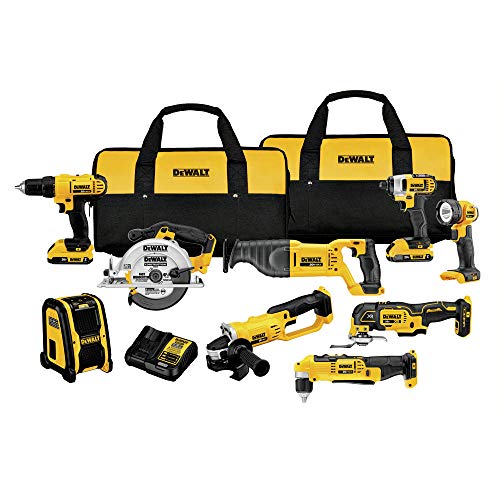
Not every tool is worth the hassle of packing and transporting. Before you start filling your suitcase, think about the tools you really need. Are you going for a short trip or a long stay? If it's a short visit, stick to essentials like a cordless drill or a compact saw. Ensure they are lightweight and easy to carry. You don't want your luggage to weigh you down. Consider their voltage compatibility with Kenyan standards to avoid frustration upon arrival.
Preparing For Inspection
Customs inspections can be unpredictable, so preparation is key. Pack your tools neatly and label them clearly. If a tool seems unusual or complex, include a brief note explaining its purpose. This can help avoid misunderstandings with customs officers. Keep the tools in their original packaging if possible; it shows they're new and not for resale. Have your purchase receipts handy. These documents can prove that you are the rightful owner. Consider this: What if your tools are seen as potential resale items? Having clear evidence of ownership can save you from unnecessary delays.
Frequently Asked Questions
Can I Bring New Power Tools To Kenya?
Yes, you can bring new power tools to Kenya. Ensure the tools are packed securely and comply with airline regulations. Check Kenya's import restrictions and duties for tools before traveling. It's advisable to carry purchase receipts and warranty documents for smooth customs clearance.
What Are Kenya's Import Rules For Tools?
Kenya's import rules require you to declare power tools at customs. You may need to pay duties depending on the tool's value. Ensure compliance with airline regulations on carrying tools. Always check the latest import guidelines from Kenya Revenue Authority before traveling.
Do I Need Permits To Travel With Tools?
You generally don't need permits for personal power tools. However, if the tools are for commercial use, permits might be required. Ensure your tools meet safety and regulatory standards. Check with Kenyan authorities for specific guidelines on commercial tool imports.
How To Pack Power Tools For Travel?
Pack power tools securely in their original cases to prevent damage. Remove batteries and pack them separately according to airline safety rules. Use bubble wrap for extra protection. Label the tools clearly and ensure they comply with airline size and weight restrictions.
Conclusion
Traveling to Kenya with power tools is possible. Know the regulations first. Ensure your tools meet airline and local guidelines. Pack them safely to avoid damage. Check with the airline for any special requirements. Consider local laws and customs about tool usage.
Proper preparation ensures a smooth journey. Stay informed and enjoy your trip. Safe travels!