Have you ever wondered what brings an illustrator's ideas to life on paper? It’s the magic of hand tools.
In a world where digital tools are dominating, the charm and warmth of hand-drawn illustrations hold a special place. Whether you're a budding artist or just curious, understanding these tools can open a new world of creativity for you. Imagine having the power to create captivating illustrations with just a pencil or brush.
These tools are not just instruments; they are your partners in creativity. Each tool has its own personality and purpose, helping you express your unique style. As you dive into this article, you'll discover the secret weapons that many illustrators swear by. From the humble pencil to the versatile ink pen, each tool offers something special. Ready to explore? Let's uncover the tools that can transform your ideas into stunning visuals.
Traditional Drawing Tools
Artists use a variety of tools for traditional drawing. Pencils, pens, and charcoal sticks are common choices. Brushes and ink add unique textures to illustrations. Each tool offers different effects, enhancing creativity and expression.
Traditional drawing tools have stood the test of time, offering illustrators a tactile and expressive way to bring their visions to life. These tools are often the first step in an artist's journey, providing a foundation for developing skills and creativity. Each tool has its unique characteristics and can yield different effects, allowing for a wide range of artistic expression.
Pencils And Graphite
Pencils and graphite are staples in the illustrator's toolkit. They offer precision and control, making them ideal for detailed work. Whether you're sketching a rough draft or adding fine details to a finished piece, the versatility of pencils cannot be overstated. Graphite pencils come in varying degrees of hardness, from 9H (hardest) to 9B (softest). This range allows you to create a spectrum of shades, from light grays to deep blacks. Experimenting with different grades can help you find the perfect balance for your style. When I first started drawing, I realized that a simple HB pencil could be my best friend. It taught me how to play with light and shadow, a skill that is crucial in illustration. Have you experimented with different pencil grades to see what fits your style best?
Charcoal And Pastels
Charcoal and pastels bring a dynamic edge to illustrations. They are known for their bold, rich textures and the ability to create dramatic contrasts. These tools are perfect for artists who enjoy a more expressive and free-flowing style. Charcoal can be messy, but that's part of its charm. The smudging effect can create beautiful gradients and depth. Pastels, whether oil or chalk, offer vibrant colors that can make your artwork pop. I remember the first time I used charcoal, and the unexpected mess it made. But that mess turned into an opportunity to explore texture and depth in ways I hadn't imagined. Have you allowed yourself the freedom to embrace the mess and see where it leads your art?
Ink Pens And Markers
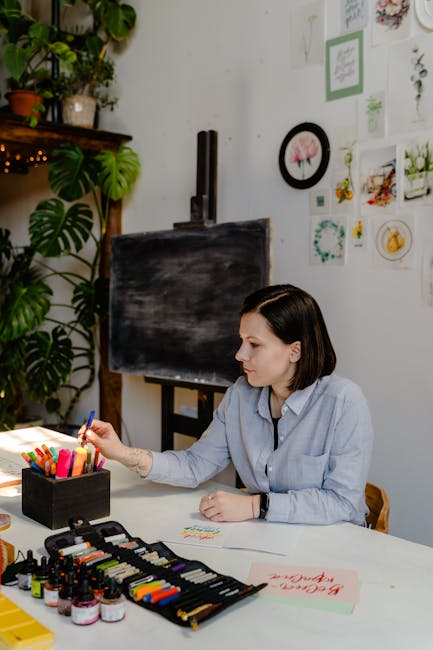
Ink pens and markers offer precision and boldness. They are excellent for creating clean, defined lines and adding vibrant colors to your illustrations. These tools are particularly favored for comic art and graphic novels. Ink pens come in various nib sizes, allowing for intricate detailing or broad strokes. Markers, with their wide range of colors, can transform a black-and-white sketch into a vibrant masterpiece. The first time I tried ink pens, I was amazed at the clarity and sharpness they provided. It was a game-changer in how I approached line work. Have you tried mixing different nib sizes to see how it can change the dynamics of your art? By exploring these traditional drawing tools, you open up a world of possibilities for your illustrations. Each tool brings something unique to the table, and the real magic happens when you find the right combination that speaks to your style. What traditional tool will you pick up next, and how will you make it your own?
Digital Illustration Tools
In the world of art, digital tools have reshaped illustration. They offer flexibility and endless possibilities. Artists can work faster and experiment more. Let’s explore key digital tools enhancing illustration today.
Graphic Tablets
Graphic tablets are essential for digital artists. They let you draw directly into software. This mimics traditional drawing. Wacom is a popular brand. These tablets come in different sizes. Some have a screen; others connect to a computer. They provide precision and control.
Stylus Options
A stylus is a pen-like tool for tablets. It helps artists draw with accuracy. There are various types. Some are battery-free. Others need charging. Pressure sensitivity is a key feature. It allows for varying line thickness. Apple Pencil and Surface Pen are common choices. They enhance the drawing experience.
Touchscreen Devices
Touchscreen devices are convenient for on-the-go art. Tablets and smartphones fall into this category. They offer portability and ease of use. Many artists use iPads for illustration. Apps like Procreate make drawing easy. Touchscreens allow finger and stylus input. This flexibility suits diverse artistic needs.
Specialty Tools
When you dive into the world of illustration, you'll find that specialty tools can elevate your art to new heights. These tools are more than mere accessories; they are essential for adding precision and flair to your work. As you explore these tools, think about how they can enhance your creative process. Do any of them surprise you with their potential?
Airbrushes
Airbrushes are like magic wands for illustrators. They let you create smooth gradients and intricate details effortlessly. Imagine adding a soft glow to a character's face or blending colors seamlessly. The control you have over paint flow and pressure can make your artwork stand out. If you're looking to add depth and texture, consider experimenting with different nozzle sizes and air pressures.
Rulers And Templates
Precision is key in illustration, and that's where rulers and templates come in handy. They help you create perfect circles, straight lines, and intricate shapes. Imagine drawing a complex geometric pattern with ease. These tools save time and ensure accuracy, especially when working on detailed projects. You can find templates for everything from architectural designs to floral patterns.
Erasers And Blending Tools
Erasers are not just for correcting mistakes; they are powerful tools for creating effects. With kneaded erasers, you can lighten areas or add texture. Blending tools, like tortillons and blending stumps, help you achieve smooth transitions between colors. Picture yourself softening the edges of a shadow to make it more realistic. These tools are perfect for refining your work and adding subtle touches.
As you experiment with these specialty tools, you might discover new techniques that resonate with your style. Have you ever considered combining airbrush techniques with traditional brushes? Or using templates to structure a freehand sketch? Your creative process can become a playground of possibilities with these tools.
Software And Apps
In the world of illustration, software and apps are essential tools. They help artists create, edit, and refine their work with ease. These digital tools offer flexibility and a range of features. Whether on a computer or mobile device, they bring creative visions to life. Let's explore the different options available for illustrators.
Illustration Software
Illustration software is crucial for professional artists. Programs like Adobe Illustrator and CorelDRAW provide robust tools. They allow for precise vector designs and detailed artwork. These platforms offer layers, brushes, and effects to enhance creativity. Artists can experiment with colors and textures, shaping unique designs.
Adobe Photoshop is another popular choice. It is perfect for raster graphics and photo editing. With its vast selection of brushes and filters, it caters to various artistic styles. For those new to illustration, Procreate is user-friendly. It is loved for its intuitive interface and powerful tools.
Mobile Apps For Illustrators
Mobile apps make illustration accessible anywhere. Apps like Procreate Pocket offer powerful features on the go. Artists can sketch, paint, and design right from their phones. Autodesk SketchBook is another great app. It provides a wide range of brushes and tools for mobile illustration.
Adobe Fresco combines the power of Photoshop with mobile convenience. It offers live brushes, allowing for a natural painting experience. These apps are perfect for quick sketches or detailed artwork. They provide flexibility and convenience for artists on the move.
Choosing The Right Tools
Artists use various hand tools for illustration. Popular choices include pencils for sketching, brushes for painting, and pens for detailing. These tools help in creating diverse textures and effects, making illustrations vibrant and unique.
Choosing the right tools in illustration can be a fun journey. With many options, it can be confusing. But understanding your needs helps make the process easier. You don't need every tool on the market. Start with what suits your style and budget. Understanding your needs and preferences is key. Let's explore how to choose the best tools for your projects.
Budget Considerations
Budget plays a big role in selecting tools. Not all tools are expensive. Many affordable options offer great value. Decide how much you want to spend. This helps narrow down your choices. You can start with basic tools and upgrade over time. Quality does not always mean high price. Many illustrators find cheap tools work well. Research and reviews can guide your purchase decisions.
Skill Level And Tool Selection
Your skill level impacts the tools you choose. Beginners should start with simple tools. Pencils and basic markers are good options. As your skills grow, explore more advanced tools. This might include specialized brushes or digital tablets. Experienced illustrators might prefer high-end tools. These offer more precision and control. Choose tools that match your current skills. This ensures a smoother learning curve.
Experimenting With Different Tools
Experimenting helps you find what works best. Try different brands and types. Each tool has unique qualities. Some might feel better in your hand. Others might produce a style you love. Experimentation leads to discovery. You might find a new favorite tool. Or, discover a technique you enjoy. Keep an open mind. Don't hesitate to try something new. This keeps your creativity fresh and exciting.
Maintaining Your Tools
Illustrators often use hand tools like pencils, brushes, and pens. Each tool creates different effects on paper. Keeping these tools in good condition ensures your artwork stays sharp and vibrant. Regular maintenance helps preserve their longevity and performance.
Maintaining your tools is crucial for any illustrator. Proper care not only extends the life of your tools but also ensures that they perform at their best. Whether you're a seasoned artist or just starting, knowing how to maintain your tools can save you time and money in the long run.
Cleaning Techniques
Regular cleaning is essential for hand tools like brushes, pens, and pencils. After using a brush, rinse it in lukewarm water to remove paint residues. For pens, a gentle wipe with a damp cloth can prevent ink build-up. Avoid harsh chemicals that can damage the tool's material. Instead, use mild soap or a specialized cleaner designed for art supplies. Regular cleaning keeps your tools in excellent condition and ready for your next creative project.
Storage Solutions
Proper storage prevents your tools from getting damaged or lost. Consider using a dedicated toolbox or organizer to keep everything in place. A pencil case with compartments can protect delicate tips and prevent unwanted mixing of colors. Store brushes in a brush holder with bristles facing up to maintain their shape. Keep your tools in a dry, cool place to avoid any moisture damage. Remember, a well-organized toolset can inspire creativity by making everything easily accessible.
Tool Longevity Tips
To extend the life of your tools, use them with care and respect. Rotate your pencils to wear them evenly and prevent breakage. When sharpening, use a gentle hand to maintain the pencil's integrity. Avoid pressing too hard with pens and brushes. This preserves their tips and ensures smooth application. Every time you handle your tools with attention, you contribute to their longevity and your own artistic success. Have you ever thought about how a small change in how you care for your tools can impact your art? Maintaining your illustration tools is not just about preservation; it's about enhancing your creative journey.
Frequently Asked Questions
What Is A Stylus Used For In Illustration?
A stylus is a tool used in digital illustration. It allows artists to draw directly on touch-sensitive screens. This tool mimics traditional drawing with pen and paper. Many illustrators prefer styluses for their precision and ease of use. They enhance creativity and workflow in digital art creation.
How Does A Lightbox Aid In Tracing?
A lightbox illuminates designs from beneath, aiding in tracing illustrations. Artists place their paper over the light source. This makes it easier to see and trace the design below. Lightboxes are ideal for creating duplicates and refining sketches. They improve accuracy and efficiency in illustration work.
Why Use A Palette Knife In Illustration?
A palette knife is used for mixing and applying paint. It's a versatile tool for creating textured effects. Artists use it to spread paint smoothly or sculpt it into shapes. Palette knives are excellent for adding depth and dimension. They enhance the creative possibilities in traditional illustration.
What Is The Role Of A Brush Pen?
Brush pens are used for creating smooth, flowing lines. They mimic the effect of traditional brushes but with more control. Artists use brush pens for lettering and detailed work. These tools are favored for their versatility and ease. Brush pens offer dynamic line variation, ideal for expressive illustrations.
Conclusion
Illustration tools shape your creative journey. Each tool offers unique benefits. Pencils, pens, and brushes provide different textures and styles. Rulers and erasers ensure precision and clarity. Understanding your tools enhances your art skills. Experiment with various tools to find your favorites.
Practice regularly to improve your techniques. Remember, the right tools make a difference. They bring your artistic visions to life. Keep exploring and experimenting. Your creativity knows no bounds. Enjoy the process and watch your skills grow. Happy illustrating!