Have you ever found yourself staring at that dusty old power tool in your garage and wondered if there's a better fate for it than just tossing it in the trash? You're not alone.
Many people face the dilemma of dealing with old power tools, unsure of whether they can be recycled or if they must simply add to the growing piles of waste. Imagine the satisfaction of knowing you can dispose of your old tools responsibly, perhaps even giving them a new life.
This isn't just about clearing clutter; it's about making choices that positively impact the environment and your community. You have the power to change the narrative around waste. Are you ready to discover how? Dive in to learn more about recycling old power tools and take a step towards a greener tomorrow.
Recycling Power Tools
Recycling old power tools helps reduce waste and conserves resources. Many local recycling centers accept them, ensuring they are disposed of safely. Always remove batteries before recycling to avoid hazards.
Recycling Power Tools Have you ever stared at the pile of old power tools in your garage and wondered what to do with them? They may seem like just scrap, but there's a surprising amount of potential in those gadgets. Recycling power tools not only helps the environment but can also clear up space in your home. Plus, you might even find some hidden treasures along the way.
Understanding What Can Be Recycled
Not every part of a power tool can go into your recycling bin. However, many components are recyclable. Metals like steel and aluminum are often used in power tools and can be easily melted down and reused. Plastics, on the other hand, might need special processing. Check with your local recycling center to see what they accept. It's worth your time to make that call; it might surprise you what they can take.
Where To Recycle Power Tools
Local recycling centers are your first stop. Many have programs specifically for electronic waste. You can also look for special events in your community where they accept old tools and devices. Some hardware stores have take-back programs, too. Have you thought about donating them? Organizations like Habitat for Humanity often accept tools in good condition for reuse.
Benefits Of Recycling Old Power Tools
Recycling keeps hazardous materials out of landfills. Many old power tools contain batteries or electronic components that can harm the environment. When you recycle, you help reduce pollution and conserve resources. There's also a personal benefit: freeing up that garage space. Imagine turning clutter into something useful for someone else or contributing to the creation of new products.
Creative Ways To Repurpose Old Power Tools
Before you recycle, consider repurposing. You might find your old drill makes a cool lamp base or a unique garden sculpture. These projects can be fun and rewarding, offering a new life to something that seemed useless. Have you ever tried using a tool for something other than its intended purpose? It might just spark a new hobby. What do you think when you look at your old tools now? Are they just junk, or a chance to make a difference? Recycling power tools can transform your view on waste and sustainability.
Identifying Recyclable Components
Old power tools often have recyclable components. Metal parts like aluminum or steel can be reused. Batteries are collected for safe disposal and recycling.
Recycling old power tools is a responsible choice. It reduces waste and helps the environment. To recycle effectively, it's crucial to identify recyclable components. This involves understanding the materials that make up your power tools. From metal parts to plastic casings and electronic components, each part has its recycling potential. Knowing these details ensures you contribute positively to the recycling process.
Metal Parts
Metal parts are prevalent in power tools. They include screws, bolts, and internal frames. These metals are typically steel or aluminum. Both are highly recyclable. Recycling centers often accept these materials. They can be melted down and reused in new products. It's essential to separate these parts before recycling.
Plastic Casings
Plastic casings protect the internal components. They are often made from durable plastic. This plastic can be recycled but requires proper sorting. Different plastics have different recycling codes. Check the casing for these codes. They guide the recycling process. Clean the plastic before recycling to remove any residue.
Electronic Components
Electronic components include circuit boards and batteries. These are crucial in power tools. Recycling electronic components requires special care. Many contain hazardous materials. Batteries must be disposed of correctly. Look for e-waste recycling programs. They specialize in processing electronic waste safely.
Local Recycling Programs
Recycling old power tools can be challenging for many. Local recycling programs offer a practical solution. These programs ensure proper disposal, reducing environmental harm. They also help recover valuable materials from old tools.
Community Collection Events
Many communities host collection events for old power tools. These events occur several times a year. Residents can drop off unwanted tools easily. No need to worry about disposal methods. The events often provide information on recycling benefits. They encourage more people to participate. Check local community boards for event dates.
Municipal Waste Facilities
Municipal waste facilities accept old power tools. They have specific areas for electronic waste. This ensures tools are processed correctly. Staff assist in proper disposal and recycling. Visiting these facilities can be educational. Learn how recycling works in your area. Always confirm the facility's acceptance policies before visiting.
Manufacturer Take-back Schemes
Old power tools can be recycled through manufacturer take-back schemes. These programs collect used tools for proper disposal or refurbishment. Participating manufacturers help reduce electronic waste and promote sustainable practices.
Recycling old power tools can seem daunting, but many manufacturers offer convenient take-back schemes to make the process easier. These programs are designed to help you dispose of your tools responsibly, reducing environmental impact. By participating in these schemes, you can ensure that your unused or broken power tools are recycled properly.
Brand-specific Programs
Different manufacturers have their own take-back programs tailored to their products. Brands like Bosch, DeWalt, and Makita often have specific guidelines for returning your old tools. These programs not only help you declutter but also contribute to a more sustainable planet. Take a moment to check if the brand of your tool offers such a program. You might be surprised at how easy it is to participate. Often, all it takes is a quick visit to their website to find the necessary information.
How It Works
So, how exactly do these manufacturer take-back schemes function? Generally, you’ll need to visit the manufacturer's website to find their recycling program details. Many brands provide a simple process where you can either mail your tools or drop them off at designated locations. Some manufacturers even offer incentives like discounts on future purchases if you participate in their recycling program. Have you ever thought about what happens to your tools after you send them? These companies typically dismantle the tools and recycle parts like metal and plastic. This not only conserves resources but also reduces the amount of waste that ends up in landfills. Participating in these schemes is a straightforward way to support environmental sustainability. Next time you find an old power tool gathering dust, consider checking if the manufacturer has a take-back program. It's a small step that can make a big difference.
Donation And Reuse Options
Recycling old power tools helps the environment. But what if they still work? Donation and reuse are great options. They help others and keep tools out of landfills. Many places welcome old tools. Let’s explore some possibilities.
Charitable Organizations
Charitable organizations often accept power tools. They distribute them to those in need. Tools can help build homes or repair schools. Donating can support job training programs too. It gives people skills to find work. Check local charities for donation options.
Tool Libraries
Tool libraries are unique community resources. They lend tools to local residents. This saves money and reduces waste. Donating power tools to a tool library helps many people. It ensures tools get good use. Find a tool library near you and see how you can help.
Diy Upcycling Projects
Old power tools can find a new purpose through DIY upcycling projects. These projects transform discarded tools into functional and artistic creations. They provide an opportunity to reduce waste creatively. Let's explore some inspiring ideas for repurposing old power tools.
Creative Home Solutions
Old drills can become unique door handles. Their sturdy design adds character to any entryway. Sand down rust and apply a fresh coat of paint. This gives them a new look. Attach them securely to doors for a rustic touch.
Old saw blades can serve as wall hooks. Mount them on a wooden board. This creates a quirky coat rack. Sand and polish for safety and aesthetics. They offer a practical and decorative solution.
Artistic Endeavors
Use old power tool parts for sculptures. These pieces add industrial charm to art. Weld or glue them together. Create abstract designs or recognizable forms. These sculptures can enhance any garden or patio.
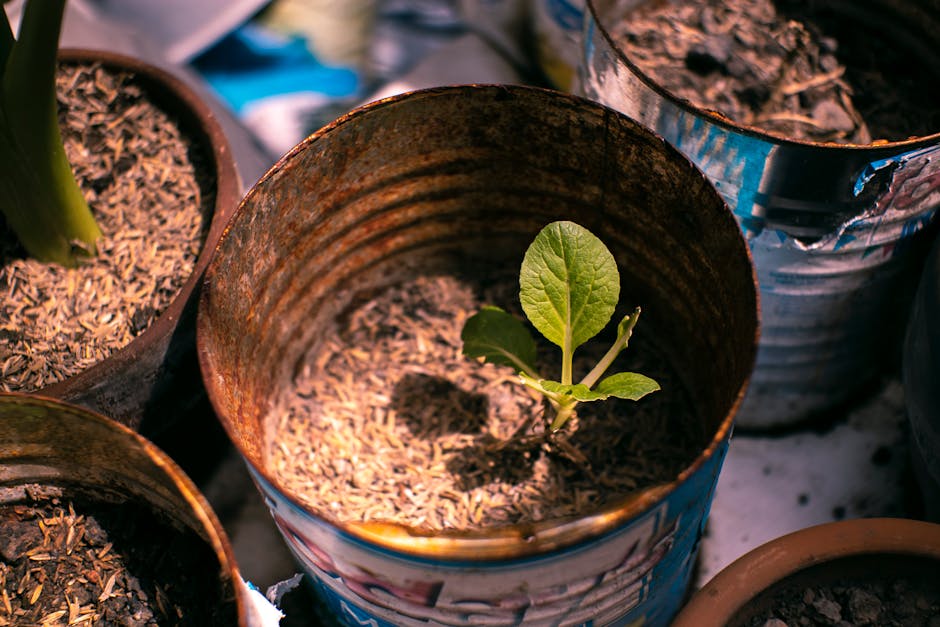
Turn an old tool box into a planter. Drill drainage holes at the bottom. Fill it with soil and vibrant flowers. This gives your garden an unusual, eye-catching element. It's functional and artistic.
Environmental Benefits
Recycling old power tools reduces landfill waste. This helps keep the environment cleaner and healthier. Proper recycling prevents harmful chemicals from seeping into the soil and water.
Recycling old power tools is more than just a responsible choice; it's a crucial step towards a healthier planet. By recycling, you contribute to a reduction in environmental damage and help conserve valuable resources. Let's dive into the specific environmental benefits of recycling your old power tools.
Reducing Landfill Waste
Old power tools often end up in landfills, where they can take years to decompose. This not only clutters our earth but can also release harmful substances into the soil and water. By recycling, you ensure these tools are broken down responsibly, minimizing their environmental footprint. Every power tool recycled is one less item in a landfill. Imagine if everyone took this small step. The collective impact on our planet would be significant. Next time you consider tossing an old drill, think about its journey in a landfill. Recycling gives it a chance to have a new life, reducing the burden on our landfills.
Conserving Resources
Recycling power tools helps conserve precious resources. Many components of power tools, like metals and plastics, can be reused. This reduces the need for extracting new raw materials, which is often resource-intensive. Did you know that recycling metals uses less energy compared to producing new ones? It’s a small action with a big impact. Consider the energy saved when you recycle. It’s not just about the tool itself but about reducing the need for new material production. Each recycled tool conserves energy and resources. Have you ever thought about the resources needed to create a new power tool? Recycling can significantly cut down on these needs, making it a truly eco-friendly choice. Taking the step to recycle helps conserve resources and promotes a sustainable future. You have the power to make this change with every tool you recycle.
Challenges In Power Tool Recycling
Recycling old power tools presents unique challenges. Identifying recyclable components like metals and plastics is complex. Proper disposal of hazardous materials, such as batteries, requires specialized facilities.
Recycling old power tools is not as straightforward as tossing a plastic bottle into a bin. The challenges in power tool recycling can be quite daunting. Many of us have faced the dilemma of what to do with a broken drill or an old saw. It's tempting to just throw them away, but understanding the hurdles can lead you to more sustainable choices.
Hazardous Materials
Power tools often contain hazardous materials like batteries and electronic components. These elements can be harmful to the environment if not disposed of properly. Think about the last time you replaced a battery. Did you know that lithium-ion batteries in drills can leak toxins? Improper disposal not only pollutes the environment but can also pose health risks. It's crucial to handle these materials with care. Local recycling centers sometimes accept these items, but you need to ensure they have the right facilities to manage hazardous waste.
Complex Disassembly
Taking apart a power tool is not as simple as it might seem. The intricate design involves multiple components made from different materials. This complexity can make recycling a daunting task. Have you ever tried to dismantle an old jigsaw? Each screw and wire is a puzzle piece, and not all can be easily separated for recycling. This complexity often deters people from recycling altogether. However, understanding how your tool is constructed can help you decide which parts can be responsibly discarded or repurposed. Navigating these challenges requires effort and awareness. But every small step towards responsible recycling contributes to a healthier planet. Are you ready to take that step with your old power tools?
Future Innovations
Power tools are essential in many tasks. As they age, recycling becomes important. Future innovations promise more efficient recycling and sustainable designs. These changes hold great potential for the environment.
Advancements In Recycling Technology
Technology is improving how we recycle. Many new methods are being developed. These methods break down materials more effectively. Old power tools can be processed better. This reduces waste significantly. New machines can sort materials faster. This makes recycling more efficient. Using these technologies can help save resources.
Sustainable Product Design
Future power tools will be greener. Manufacturers are focusing on sustainable designs. They aim to use fewer resources. Some tools will be made from recycled materials. This reduces the need for new raw materials. Products will be easier to dismantle. Parts can be reused or recycled easily. This design approach benefits the planet. It also encourages responsible consumption.
Frequently Asked Questions
Can You Recycle Old Power Tools?
Yes, you can recycle old power tools. Many recycling centers accept them. Ensure they are completely discharged. Check with local waste management for specific guidelines. Some manufacturers also offer take-back programs. Proper disposal helps reduce e-waste.
Where To Recycle Old Power Tools?
You can recycle old power tools at local recycling centers. Some retail stores offer recycling programs. Check with your municipality for specific drop-off locations. Online resources can provide additional guidance. Always ensure tools are properly prepared for recycling.
Are Old Power Tools Hazardous Waste?
Old power tools can be considered hazardous waste due to batteries. Proper disposal is crucial to prevent environmental harm. Always follow local regulations for hazardous waste disposal. Recycling helps mitigate these risks and supports environmental sustainability.
How To Prepare Power Tools For Recycling?
To prepare power tools for recycling, remove batteries if possible. Ensure they are fully discharged. Clean any debris or dust from the tools. Check with the recycling center for additional preparation requirements. Proper preparation ensures safe and efficient recycling.
Conclusion
Old power tools don't have to end in landfills. Recycling them offers a sustainable solution. Many local facilities accept them, reducing environmental harm. You can also donate tools to charities or schools. This way, they gain new life and help others.
Always check for specific recycling guidelines in your area. Online resources and community centers can guide you. Proper disposal supports the planet and saves resources. Make a conscious choice with old tools. By recycling, you contribute to a cleaner, healthier environment.
It's a simple step with significant impact. Keep your planet green, starting with small actions.