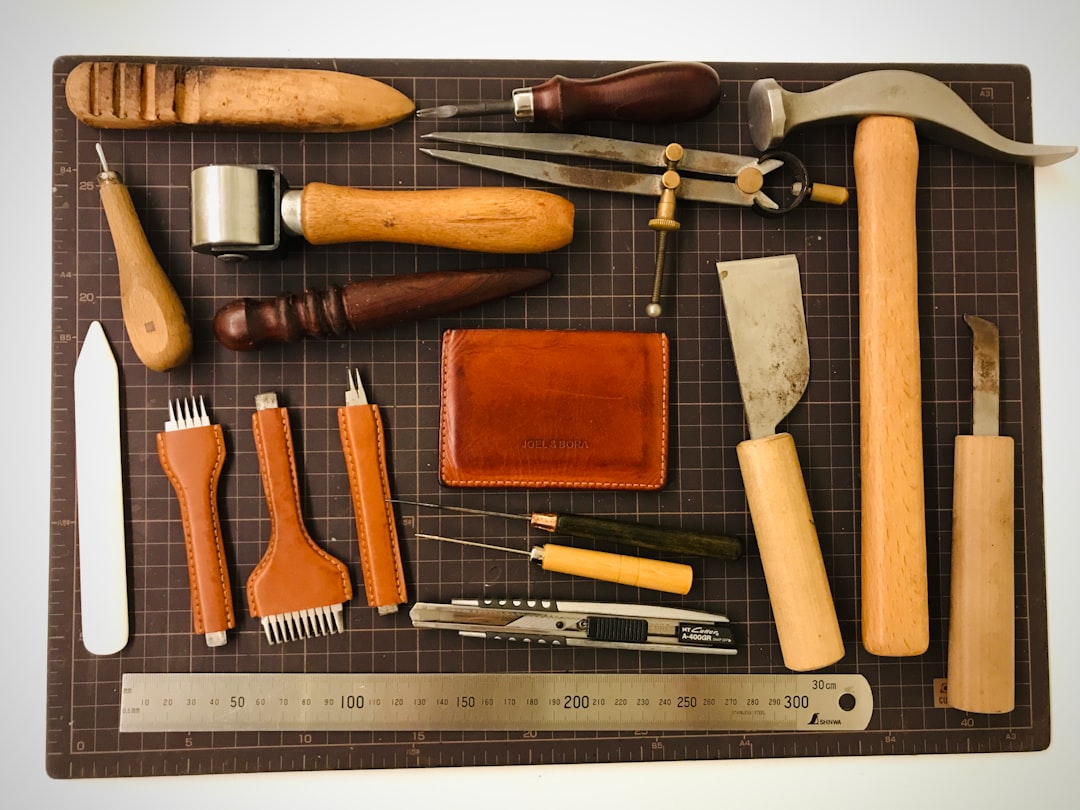
Are you eager to dive into hand woodworking but unsure which tools you should buy first? You’re not alone.
Many beginners find themselves overwhelmed by the sheer variety of tools available. Choosing the right tools at the start can set you on a path to success and avoid unnecessary frustration. Imagine the satisfaction of crafting beautiful pieces with your own hands, knowing you have exactly what you need.
In this guide, we'll cut through the noise and help you build a solid toolkit that will not only enhance your skills but also boost your confidence. Get ready to discover the essential tools that will make your woodworking journey a rewarding experience. Stick around, because what you’ll learn here could save you time, money, and many potential headaches.
Choosing The Right Tools
Embarking on a hand woodworking journey is both exciting and daunting. Choosing the right tools is crucial to ensure your projects are successful and enjoyable. But where do you start? With so many options available, picking the first set of tools can seem overwhelming. Let's break it down and make it simpler for you.
Understanding Your Needs
Think about what you want to create. Are you focusing on small projects like picture frames, or larger ones like furniture? Your project goals will guide your tool choices. Start by listing your priorities and matching them with essential tools.
Quality Over Quantity
Investing in quality tools pays off. A well-crafted chisel or saw will last longer and work better. You don't need a hundred tools to start. A few high-quality ones can make all the difference in precision and ease of use.
Start With Basics
Begin with essential tools that cover the basics. A good set might include a saw, chisel, hammer, and measuring tape. These tools are versatile and will help you tackle most beginner projects. As you gain experience, you can expand your collection.
Seek Advice From Experienced Woodworkers
Reach out to seasoned woodworkers for advice. They're a valuable resource for insights on what tools to prioritize. You might be surprised at the simple tools they rely on. Their experiences can guide you in making informed decisions.
Budget Wisely
Set a realistic budget for your tools. It's easy to get carried away with fancy gadgets. Remember, quality doesn't always mean expensive. Look for deals on used tools or sales. This can be a smart way to build your toolkit without breaking the bank.
Test Before You Buy
Whenever possible, test tools before purchasing. Feel the grip of a saw or the weight of a hammer. This firsthand experience can help you choose tools that feel comfortable and natural to use. A tool that suits you can make woodworking more enjoyable.
Choosing the right tools for hand woodworking is a personal journey. What works for one person might not work for another. Consider your needs, seek advice, and prioritize quality. With the right tools in hand, you're well on your way to creating beautiful pieces. What tools will you choose to start your woodworking adventure?
Measuring And Marking Tools
Starting hand woodworking requires precision. Measuring and marking tools are essential. They help ensure accuracy in your projects. Accurate measurements lead to beautiful results. Investing in quality tools can save time and frustration. Let's explore some must-have measuring and marking tools.
Tape Measure
A tape measure is a staple in woodworking. It helps measure lengths quickly. Choose one with clear markings. A sturdy case ensures durability. Look for a locking mechanism. This keeps the tape steady while measuring.
Combination Square
A combination square is versatile. It checks 90-degree angles. It helps mark straight lines. The adjustable blade offers flexibility. You can measure depths and angles. Choose one with a clear ruler. This enhances precision.
Marking Gauge
A marking gauge is vital for marking lines. It ensures consistent widths. It's perfect for tasks like dovetailing. The adjustable fence offers control. It prevents errors in marking. Choose one with a sharp point. This provides clear markings.
Cutting Tools
When you step into the world of hand woodworking, cutting tools are your best companions. They are fundamental in shaping and defining your projects. Choosing the right cutting tools can make a big difference in the quality of your work and your enjoyment of the craft.
Hand Saw
A hand saw is an essential tool that every woodworker should own. It allows you to make straight cuts with precision. If you've ever tried cutting without one, you know the struggle is real. It's versatile, perfect for cutting large pieces of wood or making detailed cuts.
You might wonder what kind of hand saw to get first. A universal hand saw can be a great starting point. It's useful for both crosscutting and ripping. Think about the size of the projects you plan to tackle. This helps you decide on the blade length you need.
Chisels
Chisels are the unsung heroes of woodworking. They help you carve out intricate details and create joints. Every time you use a chisel, you'll appreciate its ability to transform a piece of wood into something beautiful.
Invest in a good set of chisels. They should feel comfortable in your hand and have sharp, durable blades. Start with a basic set and expand as your skills grow. Pay attention to keeping them sharp. Dull chisels can lead to mistakes and frustration.
Coping Saw
A coping saw is perfect for making curved cuts and intricate shapes. It’s a handy tool when your project demands creativity and precision. Have you ever tried making a pattern or decorative edge? The coping saw will become your go-to tool.
Consider the blade tension and handle comfort when choosing a coping saw. A well-tensioned blade ensures cleaner cuts, and a comfortable handle keeps your hand steady. It's also easy to swap blades, allowing you to adjust for different materials.
These cutting tools will empower you to bring your woodworking visions to life. Start with these essentials, practice often, and soon you'll see your skills flourish. What will you create first with your new tools?
Shaping Tools
In hand woodworking, shaping tools are essential. They refine and define your work. These tools help in creating smooth curves and edges. Choosing the right ones is crucial for quality results.
Block Plane
A block plane is versatile. It smooths and shapes wood surfaces. Its compact size makes it easy to handle. The block plane is perfect for trimming and fitting. It works well on end grain and small surfaces. Beginners and experts both find it useful.
Spokeshave
The spokeshave is designed for curved surfaces. It shapes chair legs and handles smoothly. Adjust the blade for different depths and curves. It's great for achieving smooth, rounded edges. With practice, it becomes an invaluable tool.
Rasps And Files
Rasps and files are essential for detailed work. They remove small amounts of wood quickly. Rasps have coarse teeth for rough shaping. Files have finer teeth for smooth finishing. They're ideal for intricate carvings and detailed edges.
Assembly Tools
Begin your hand woodworking journey with essential assembly tools. Start with a good set of screwdrivers and a hammer. Add a tape measure and a set of pliers to your toolbox. These tools help with basic tasks and projects.
When stepping into the world of hand woodworking, having the right assembly tools is crucial. These tools are the building blocks of your projects, helping you piece together your creations with precision. Choosing the right assembly tools can make your woodworking journey smoother and more enjoyable. So, what should you consider first?
Clamps
Clamps are your extra pair of hands in the workshop. They hold pieces of wood together while glue dries, ensuring a strong bond. Invest in a variety of clamps, such as bar clamps and C-clamps, to accommodate different projects. A personal tip: start with a set of four medium-sized bar clamps. They offer great versatility without overwhelming your workspace.
Hammer
No woodworking toolbox is complete without a hammer. It's essential for driving nails and assembling pieces securely. A 16-ounce claw hammer is a great starting point. It’s not too heavy, making it easy to handle, yet powerful enough for most tasks. Have you ever found yourself needing to pull out a misplaced nail? A claw hammer's dual function is perfect for such situations.
Screwdrivers
Screwdrivers are indispensable for assembling furniture and attaching hardware. They provide the torque needed to drive screws effectively. Consider a set that includes both flathead and Phillips head screwdrivers. If you’re anything like me, you’ve faced the frustration of not having the right size. Having a range of sizes will save you from those moments of irritation. When buying assembly tools for woodworking, think about your specific needs and projects. Are you tackling small furniture or larger builds? By aligning your tool choices with your goals, you'll set yourself up for success. What assembly tools do you find indispensable in your woodworking journey?
Sharpening Tools
Sharpening tools are essential in hand woodworking. They ensure your blades remain sharp for precise cuts. A sharp tool is safer and more efficient. Investing in quality sharpening tools is crucial for maintaining your woodworking equipment.
Sharpening Stones
Sharpening stones are vital for keeping your blades sharp. They come in different materials like diamond, ceramic, and natural stone. Each type has its own benefits. Diamond stones are durable and cut fast. Ceramic stones provide a fine finish. Natural stones offer a traditional feel.
Choose the right stone based on your needs. Consider the grit level for desired sharpness. Coarse grit is for reshaping blades. Medium grit is for regular sharpening. Fine grit is for polishing edges. Using water or oil with stones helps smooth the sharpening process.
Honing Guide
A honing guide holds your tool at a consistent angle. This ensures even sharpening across the blade. It is especially useful for beginners. Guides come in various designs. Some are adjustable for different angles. Others are fixed for specific blades.
Using a honing guide can improve accuracy. It helps maintain the bevel angle of the blade. This is important for effective cutting. Consistent sharpening with a guide extends the life of your tools. It's a valuable addition to your woodworking toolkit.
Safety Equipment
Begin with safety goggles to protect your eyes. Add gloves for hand protection. Get a dust mask to avoid inhaling sawdust.
When you’re starting out in hand woodworking, it's easy to get caught up in the excitement of buying new tools. However, prioritizing safety equipment is essential. Safety gear is not just an add-on; it's your first line of defense against potential injuries. While you might be eager to dive straight into crafting, taking a moment to equip yourself with the right safety gear can save you from accidents and ensure that woodworking remains a rewarding and enjoyable hobby.
Safety Glasses
Your eyes are invaluable, and a stray wood chip can cause serious damage. Safety glasses are a must-have in any woodworking setup. They shield your eyes from flying debris and unexpected splinters. You might think you’re careful, but accidents happen faster than you can react. Choose glasses that wrap around for added protection and comfort.
Dust Mask
Wood dust can be more than just an annoyance; it’s a health hazard. Wearing a dust mask filters out fine particles and prevents them from entering your lungs. Without one, you risk developing respiratory issues over time. Look for masks specifically designed for woodworking, as they offer better filtration and a snug fit. Have you ever noticed how much dust is in the air after sanding? A dust mask keeps you breathing easy.
Ear Protection
The sounds of woodworking can be surprisingly loud. Protecting your hearing is crucial, especially when using power tools or doing tasks that generate a lot of noise. Ear protection can be as simple as foam earplugs or as advanced as noise-canceling earmuffs. The constant drone of a saw can lead to hearing loss over time. Isn’t it better to enjoy the soothing quiet after a project without a ringing in your ears? Remember, investing in safety equipment is investing in your wellbeing. What’s the point of creating beautiful pieces if you’re putting yourself at risk? Your health is the most important tool in your workshop.
Tool Maintenance
Proper tool maintenance ensures longevity and efficiency in woodworking. Regular care keeps tools in top shape. This reduces the risk of damage or accidents. Investing time in maintenance protects your investment. Keep your tools sharp, clean, and well-stored. Let's explore essential maintenance practices for hand woodworking tools.
Cleaning
Cleaning is the first step in tool maintenance. Dust and debris accumulate quickly. Use a soft cloth to wipe tools after each use. For stubborn dirt, use a gentle brush or compressed air. Clean blades and edges with care. This prevents rust and maintains sharpness. Remember, clean tools work better and last longer.
Storage Solutions
Proper storage is key to tool longevity. Store tools in a dry, cool place. Moisture can cause rust and damage. Use toolboxes or cabinets for organized storage. Pegboards offer easy access and visibility. Label shelves or drawers for quick identification. Protect sharp tools with blade guards. Safe storage keeps tools ready for action.
Frequently Asked Questions
What Are Essential Hand Woodworking Tools?
Essential tools include a saw, chisels, a hammer, and a tape measure. A workbench is also crucial for stability. These tools form the foundation for most woodworking projects. Investing in quality tools ensures durability and precision. As skills grow, you can expand your toolkit.
How Do I Choose A Woodworking Saw?
Choose based on project needs: crosscut for precise cuts, rip for lengthwise cuts. Consider the material's thickness and type. A hand saw is versatile for beginners. Quality blades ensure smooth cuts. Regular maintenance prolongs tool life.
Which Chisels Are Best For Beginners?
Start with a set of beveled edge chisels. They're versatile for various tasks. Ensure they're sharp for clean cuts. Wooden handles offer comfortable grip. Invest in a sharpening stone for maintenance. Quality chisels last longer and improve craftsmanship.
Why Is A Workbench Necessary?
A workbench provides a stable surface for projects. It prevents accidents and aids precision. Look for sturdy construction and adjustable height. Consider space and storage options. A well-equipped bench enhances efficiency and safety. Customize it to suit your workspace.
Conclusion
Choosing the right tools is key for woodwork success. Start with basics. Hammer, saw, and chisel are essential. Measuring tools ensure precision. Sandpaper smooths surfaces. Clamp holds pieces steady. Invest in quality, not quantity. Good tools make tasks easier. Safety gear is crucial.
Gloves and goggles protect you. Practice improves skills over time. Woodworking offers endless creativity. Enjoy the process. Build projects with care. Each tool serves a unique purpose. Begin your woodworking journey wisely. Equip yourself thoughtfully. Crafting becomes rewarding with the right setup.
Happy woodworking!