Imagine you're in the middle of a crucial DIY project. You're ready to power up your tool and make some real progress.
But wait—does your power tool have a 3-prong plug? And does it need one? These are questions you might not have considered, but they can make a big difference in your safety and the effectiveness of your tools. When it comes to power tools, understanding the significance of a 3-prong plug isn't just a technical detail—it's a matter of ensuring your safety and getting the job done right.
The last thing you want is a project derailed by an electrical mishap or a tool that doesn’t perform as expected. You deserve the peace of mind that comes with knowing your tools are not only effective but also safe to use. We'll uncover why some power tools come with 3-prong plugs and whether yours should too. By the end, you'll have the confidence to choose the right tools for your next project. Let's dive into the nuts and bolts of power tool safety and efficiency. Your projects—and your safety—depend on it.
Power Tool Safety Standards
Power tool safety standards emphasize the importance of using three-prong plugs to prevent electrical hazards. These plugs provide a grounding mechanism that reduces the risk of electric shock during operation. Ensuring tools have proper grounding safeguards users against potential electrical faults.
Power tool safety is crucial for both DIY enthusiasts and professionals. Safety standards exist to protect you from potential hazards. One key aspect of these standards is whether power tools should have three-prong plugs.
Understanding Three-prong Plugs
Three-prong plugs are designed for safety. They include a grounding pin, which helps prevent electrical shocks. This extra pin provides a path for stray electrical currents, keeping you safe during use.
Why Grounding Matters
Grounding is essential for your safety. It reduces the risk of electric shock by directing electrical surges safely into the ground. Without it, you could be exposed to dangerous electrical currents.
Compliance With Regulations
Manufacturers must follow strict safety regulations. These rules ensure tools are safe for use in various environments. Compliance with these standards often includes the use of three-prong plugs.
Real-world Implications
Imagine using a power tool in a damp garage. The risk of electrical shock increases without proper grounding. Would you trust a tool that doesn't meet safety standards?
Choosing Safe Tools
When buying power tools, check for three-prong plugs. This simple step can save you from potential harm. Look for tools that clearly state compliance with safety standards.
Personal Experience
I once used an old power drill with a two-prong plug. It was a mistake that taught me the importance of grounding. After a mild shock, I committed to only using tools with three-prong plugs.
Do All Tools Need Three-prong Plugs?
Not every tool requires a three-prong plug. Some tools are double-insulated, offering an extra layer of protection. However, always ensure your work environment is safe and suitable for the tool.
Key Takeaways For Your Safety
Remember, safety should always be your priority. Ensure your power tools meet safety standards. Double-check plugs and grounding features before use. Are you confident that your tools are safe? It's time to review your equipment and ensure it meets modern safety standards. Your safety is worth the extra effort.
Importance Of Grounding In Power Tools
Grounding in power tools ensures safety by preventing electric shocks. Three-prong plugs are essential for grounding. They connect tools to the earth, reducing risks and enhancing protection. Proper grounding is crucial for safe and efficient tool operation.
The Importance of Grounding in Power Tools is a topic that can't be overlooked. Grounding is essential for safety and the proper functioning of power tools. It protects you from electrical shocks and potential hazards. If you've ever felt a slight tingle when using a power tool, you know how unsettling it can be. When using power tools, safety should be your top priority. Grounding ensures that you are protected against electrical faults. Without it, you're at risk of severe injuries or even fatalities. Grounding keeps your tools running smoothly. It provides a safe path for electricity to flow back to the ground. This minimizes the risk of damage to your power tools.
Why Grounding Matters For Safety
Imagine working on a DIY project and suddenly feeling a sharp jolt of electricity. This can happen if your tool isn't grounded properly. Grounding helps prevent these dangerous situations. A grounded tool has a third prong on its plug. This prong is a direct connection to the earth. It ensures that any stray electricity is safely diverted.
How Grounding Protects Your Investment
Power tools aren't cheap. You want them to last as long as possible. Grounding helps extend their lifespan. Tools that aren't grounded can experience electrical surges. These surges can damage the internal components of your tool. A grounded tool is more stable and reliable.
Practical Tips For Ensuring Proper Grounding
Always check the cord before plugging in your tool. Look for a three-prong plug. This is a good indicator that your tool is grounded. If you find a tool with a two-prong plug, consider using a grounding adapter. This small investment can make a big difference in safety. Make sure your outlets are properly grounded as well. Use a simple outlet tester to check. It's a quick and easy way to ensure safety.
Personal Insights On Grounding
I once ignored the importance of grounding while working on a home project. The result was a mild shock that could have been much worse. That experience taught me a valuable lesson. Always ensure your tools are grounded. A few minutes of checking can save you from a painful or costly mistake. Do you often overlook grounding when using power tools? It's time to change that habit for your safety and peace of mind. Grounding is a crucial aspect of power tool safety. It protects both you and your tools. Next time you reach for a power tool, take a moment to ensure it's grounded. Your future self will thank you.
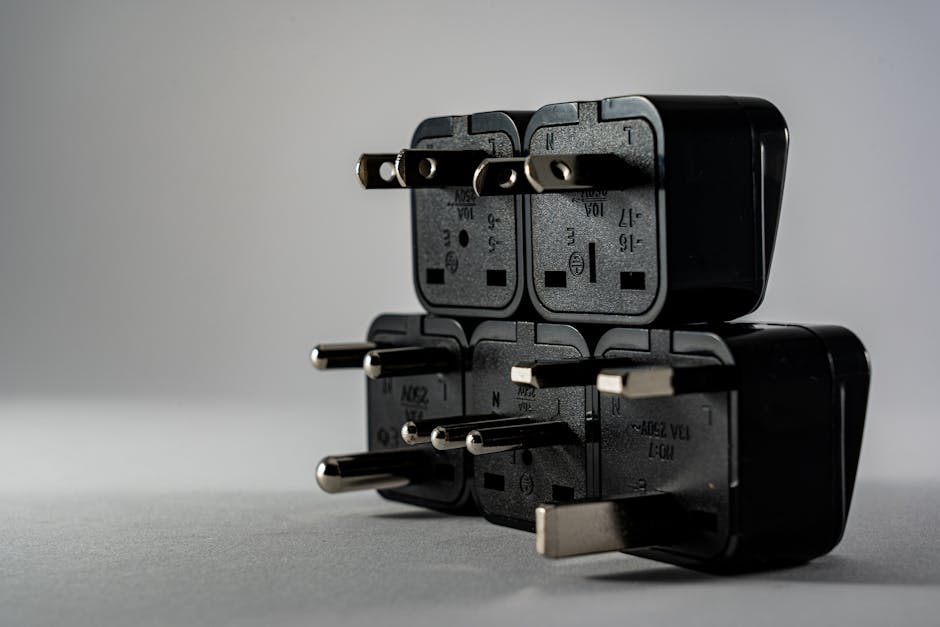
Understanding Electrical Plugs
Electrical plugs connect devices to power sources. They come in various types. Understanding these types helps ensure safety and compatibility.
Power tools often use specific plugs. Knowing their differences can prevent mishaps. Let's explore these plug types.
Two-prong Plugs
Two-prong plugs have two flat pins. They fit into two-slot outlets. These plugs are common in older devices. They lack a grounding pin. Grounding pins enhance safety. Without grounding, shocks can occur. Two-prong plugs are less safe. They are mostly used in low-power tools.
Three-prong Plugs
Three-prong plugs have an extra pin. This pin is round. It connects to a grounding wire. Grounding wires prevent electric shock. They also protect against surges. Three-prong plugs are safer. Most modern power tools use them. They fit into three-slot outlets. Ensure your tools have these plugs.
Benefits Of Three-prong Plugs
Power tools play a crucial role in many tasks. They need to be safe and efficient. A three-prong plug offers many advantages for these tools. This safety feature is essential for modern power tools. Understanding its benefits can guide better choices for tool users.
Enhanced Safety
Three-prong plugs include a grounding wire. This wire adds a layer of protection. It directs any stray electricity safely to the ground. This design prevents electrical accidents. Ensuring tools function correctly, it minimizes risk. Users can work with more confidence. Safety measures are crucial in all workspaces.
Reduced Shock Risk
Electrical shocks are dangerous. Two-prong plugs lack grounding. This makes them more prone to shocks. Three-prong plugs reduce this risk significantly. They prevent electricity from reaching users. This design protects both the tool and the user. It is a smart choice for safety-conscious individuals.
Common Power Tools Requiring Three-prong Plugs
Power tools often rely on three-prong plugs for safety. These plugs prevent electric shock by grounding excess current. Common tools like drills and saws typically use this design to protect users during operation.
When tackling home improvement projects or professional tasks, the right power tools can make all the difference. However, not all power tools are created equal in terms of electrical safety and compatibility. Many power tools require three-prong plugs to function safely and efficiently. Understanding which tools need this configuration can help you avoid electrical hazards and ensure your projects go smoothly.
Common Power Drills
Power drills are a staple in any toolkit. Those with higher power ratings often come with three-prong plugs. This is to ensure they are grounded properly, reducing the risk of electrical shocks. If you've ever felt a slight tingle while using a drill, it might be time to check if it's grounded properly.
Table Saws
Table saws are powerful tools that demand stability and safety. They typically require a three-prong plug to prevent electrical mishaps. This grounding helps protect you from potential electrical faults that could occur when cutting through dense materials.
Air Compressors
Air compressors are versatile tools that power many other devices. With their substantial power requirements, a three-prong plug is essential. This ensures the compressor operates safely, especially in workshop environments where moisture might be present.
Welders
Welders require a significant amount of power to function efficiently. A three-prong plug is crucial for grounding. This feature is not just for your safety but also to maintain the welder's performance and longevity.
Angle Grinders
Angle grinders are used for cutting, grinding, and polishing. Their intense vibrations and power needs make a three-prong plug a necessity. Ensuring that your angle grinder is properly grounded can prevent unexpected shutdowns and potential harm.
Impact Wrenches
When working on vehicles or heavy machinery, impact wrenches are invaluable. A three-prong plug can help these devices handle their high torque demands safely. This can be particularly reassuring when you're working on critical components that demand precision. Have you ever considered how these tools' power requirements impact your safety? Ensuring your tools are properly grounded is not just a technicality—it's a crucial step in your safety protocol. Always check your power tools for the correct plug type before starting your next project. Your safety and the quality of your work depend on it.
Potential Risks Of Two-prong Plugs
Two-prong plugs might seem convenient. They are not always safe. These plugs lack a grounding wire. This missing element can lead to electrical dangers. Understanding the risks is crucial for safety.
Many power tools use significant electricity. Without proper grounding, these tools pose a threat. Let's explore the potential risks of two-prong plugs.
Electrical Shock Risk
Two-prong plugs increase shock risk. Grounding wires help prevent shocks. Without grounding, electricity can travel through you. This can happen during a short circuit.
Fire Hazard
Two-prong plugs can cause fires. Ungrounded plugs may lead to overheating. This can ignite nearby materials. Proper grounding helps prevent such disasters.
Equipment Damage
Ungrounded plugs can harm tools. Surge protection is lacking in two-prong plugs. Power surges can damage circuits. This results in costly repairs or replacements.
Incompatibility With Modern Outlets
Many outlets require three-prong plugs. Two-prong plugs may not fit. This limits tool usage in some areas. Adapters are not always a safe solution.
Lack Of Surge Protection
Surges can occur anytime. Two-prong plugs lack surge protection. Damage from surges can be severe. Grounding reduces this risk significantly.
Regulations And Compliance
Power tools often require 3-prong plugs for safety reasons, ensuring proper grounding. This design helps prevent electrical shock. Compliance with these regulations protects users and maintains tool efficiency.
In the world of power tools, safety and compliance are paramount. Ensuring your power tools meet regulations not only protects you but also ensures that you are using products designed to the highest standards. One aspect often discussed is the necessity of three-prong plugs for power tools. Understanding the regulations and compliance associated with this can help you make informed decisions about the tools you use.
Understanding Electrical Codes
Electrical codes are developed to protect users from potential hazards. They require certain safety features, like three-prong plugs, to be standard in many tools. These three-prong plugs ensure that the tool is grounded, reducing the risk of electric shock.
Importance Of Grounding
Grounding is a critical safety measure. It provides a path for electrical current to return to the ground in case of a fault. Without a proper ground, electrical surges can lead to serious accidents.
Osha Guidelines
The Occupational Safety and Health Administration (OSHA) provides guidelines to ensure workplace safety. They emphasize the use of grounded tools to prevent electrical hazards. This is particularly important in environments where power tools are used frequently.
Ul Certification
Underwriters Laboratories (UL) certification is a mark of quality and safety. Tools with UL certification have been tested for their safety features, including grounding. This certification provides peace of mind, knowing your tool adheres to rigorous standards.
Personal Experience: Choosing Safe Tools
Choosing the right tool is not just about functionality. I once opted for a cheaper tool without a three-prong plug and experienced a mild shock during use. This incident taught me the importance of prioritizing safety features over cost.
Ensuring Compliance
Ensure your tools are compliant by checking for necessary certifications and safety features. Look for labels and documentation that confirm compliance with local and international standards. This small step can prevent potential hazards. Are your tools compliant with safety regulations? Taking a moment to check could make all the difference in ensuring a safe and productive work environment. Remember, safety should never be an afterthought.
Tips For Safe Power Tool Use
Working with power tools requires attention and safety. The right precautions can prevent accidents and injuries. These tips will help you use power tools safely.
1. Use The Right Plug Type
Check your power tool's plug. It should have a three-prong plug. This provides grounding, reducing shock risk. Avoid using adapters to bypass the grounding pin.
2. Wear Proper Safety Gear
Always wear safety goggles. Protect your eyes from flying debris. Use ear protection to guard against loud noises. Gloves can prevent cuts and bruises.
3. Keep Your Work Area Clean
A cluttered space invites accidents. Clear your work area before you start. Ensure there’s enough room to move around safely.
4. Inspect Tools Regularly
Check your tools before use. Look for frayed cords or loose parts. Do not use damaged tools. Repair or replace them first.
5. Follow Manufacturer’s Instructions
Read the manual. Understand how your tool works. Follow the manufacturer's safety instructions. They know the tool best.
6. Unplug Tools When Not In Use
Unplug tools when finished. This prevents accidental starts. It also protects your tools from power surges.
7. Keep Tools Away From Water
Water and electricity don’t mix. Keep tools dry at all times. Avoid using them in wet conditions.
8. Use Tools For Their Intended Purpose
Don’t misuse tools. Use each tool for its specific job. This reduces wear and potential hazards.
Choosing The Right Power Tools
Selecting the right power tools means understanding plug requirements. Many tools need 3 prong plugs for safety and grounding. Ensuring proper electrical connections prevents hazards, making your work environment safer.
Choosing the right power tools can be a game-changer for any DIY enthusiast or professional. The right tools not only make your work easier but also ensure safety and efficiency. But with so many options available, how do you decide what's best for you? One crucial factor is the type of plug the tool uses. Do power tools need to have 3-prong plugs? Let's explore this topic further and help you make an informed decision.
Understanding 3-prong Plugs
3-prong plugs are essential for many power tools because they provide an extra layer of safety. The third prong acts as a ground, reducing the risk of electrical shock. This is especially important when working in environments where moisture is present. If you've ever experienced a tool short-circuiting, you know how scary it can be. A 3-prong plug can prevent such incidents, ensuring your safety. Always check if the tool has this feature before purchasing.
Safety First: Why It Matters
Safety should always be your top priority when choosing power tools. A tool with a 3-prong plug indicates that the manufacturer has considered safety measures. This plug type can prevent electrical hazards that might occur with 2-prong alternatives. Think about the environments you usually work in. Are they prone to moisture or dust? If so, a 3-prong plug is non-negotiable for your safety and peace of mind.
Evaluating Your Workspace
Your workspace plays a significant role in determining the type of power tools you need. If you work outdoors or in areas with high humidity, a 3-prong plug is essential. It helps in grounding the tool, minimizing the risk of electric shock. Assess your electrical outlets as well. Do they support 3-prong plugs? If not, you might need to upgrade your outlets or use adapters, but ensure they are safe and reliable.
Personal Experience: A Lesson Learned
I remember working on a project in my garage with an old drill that had a 2-prong plug. Halfway through, the drill sparked, and I narrowly avoided injury. Since then, I've only invested in tools with 3-prong plugs. The peace of mind is worth every penny. This experience taught me the importance of not cutting corners when it comes to safety. Your life is priceless; always choose tools that prioritize your well-being.
Making An Informed Decision
When you're ready to buy a power tool, look beyond the price and brand. Examine the plug type and consider your working conditions. A 3-prong plug might seem like a small detail, but it can make a big difference. So, what will it be? Will you prioritize safety and choose tools with 3-prong plugs? The choice is yours, but remember, a small decision can have a huge impact on your safety and productivity.
Frequently Asked Questions
Why Do Power Tools Need 3 Prong Plugs?
Power tools need 3 prong plugs for safety. The third prong is a ground, which prevents electrical shocks. It ensures excess electricity is safely directed away. This helps protect both the user and the tool. Using tools with 3 prong plugs is crucial for safe operation.
Are 3 Prong Plugs Safer For Power Tools?
Yes, 3 prong plugs are safer for power tools. They provide grounding, reducing the risk of electrical shock. Grounding ensures that excess electricity is safely redirected. This added safety feature is important for handling power tools. Always choose tools with 3 prong plugs for enhanced safety.
Can Power Tools Work Without 3 Prong Plugs?
Power tools can work without 3 prong plugs, but it's risky. Without grounding, the risk of electrical shock increases. The third prong provides essential safety features. Using tools without it can compromise your safety. It's always recommended to use tools with 3 prong plugs.
What Happens If The Third Prong Breaks?
If the third prong breaks, replace the plug immediately. It compromises the tool's safety. The third prong provides grounding and prevents electrical shocks. Without it, the risk of injury increases. Always ensure your power tools have intact 3 prong plugs for safe operation.
Conclusion
Power tools with 3 prong plugs offer safety benefits. They reduce shock risk. Essential for wet environments. Protects users from electrical mishaps. These plugs ground the tool. Keeps your workspace safe. Not all power tools need them. But recommended for added safety.
Always check your tool's requirements. Safety should be a priority. 3 prongs can make a difference. Simple upgrade for peace of mind. Stay informed. Choose wisely for your needs. Safety matters in every project. Keep tools and users secure.