Are you looking to dive into the intricate world of hand engraving but unsure which tool to start with? Whether you're a budding artist or a seasoned craftsman, choosing the right engraving tool can make all the difference in your creative journey.
Imagine transforming your ideas into stunning, precise designs with ease. The right tool not only enhances your skill but also makes the engraving process a joy, allowing your creativity to flow effortlessly. You'll discover which tool for hand engraving suits your needs best, empowering you to craft beautiful pieces that leave a lasting impression.
Are you ready to unlock the secrets to exceptional engraving? Let's explore together.
Types Of Hand Engraving Tools
Hand engraving is a timeless art that requires precision and skill. Choosing the right tool is crucial for achieving stunning results. There are several types of tools designed for different engraving techniques. Understanding these tools helps in selecting the best fit for your project.
Manual Engraving Tools
Manual tools are the most traditional options. They include burins and chisels. These tools require a steady hand and patience. Burins have a sharp tip that cuts into the material. Chisels are used for carving intricate designs. Crafting with manual tools demands practice and dedication.
Powered Engraving Tools
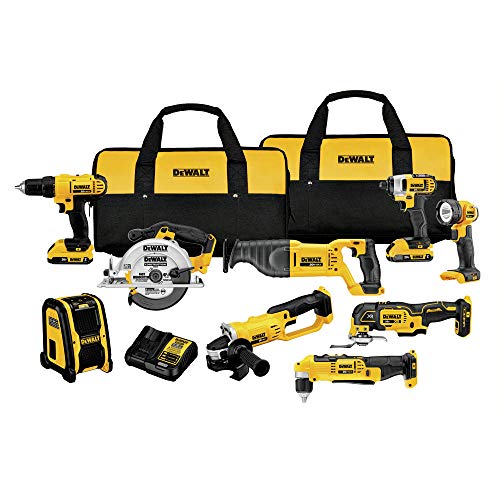
Powered tools offer speed and efficiency. They are ideal for detailed work. Electric engravers use motors to drive the tool. They reduce hand fatigue and increase precision. Rotary tools are versatile and can engrave various materials. Powered tools make engraving faster and less strenuous.
Choosing The Right Tool
Choosing the right tool for hand engraving can be a game-changer. Whether you're a beginner or a seasoned artist, selecting the ideal equipment will influence your work's precision and quality. The right tool can enhance your skills and ensure your projects are both beautiful and efficient. Let's dive into the factors that will guide your choice.
Material Considerations
Before you pick up an engraving tool, think about the material you'll be working with. Metals like brass or stainless steel demand different tools compared to softer materials like wood or leather. You wouldn't use the same tool on glass as you would on copper. Each material has its quirks and challenges, and the tool you choose should match these specifics.
Imagine trying to engrave a delicate design on a piece of jewelry. Using the wrong tool could damage the piece or result in a subpar finish. You want a tool that complements the material, ensuring clean lines and an impressive final product.
Skill Level And Experience
Your skill level plays a significant role in choosing the right tool. If you're new to engraving, a simple manual tool might be your best friend. These tools give you control and help you develop your technique. As you gain experience, you might crave more sophisticated tools that offer precision and speed.
I remember starting with a basic burin; it taught me patience and precision. As my skills grew, I moved to pneumatic tools for quicker, intricate designs. What tool aligns with your current skills? Are you ready to challenge yourself with a more advanced option?
Consider how a tool will impact your learning curve and enjoyment. An overwhelming tool can discourage you, while the right one can inspire creativity. The choice is yours, but remember—it's not just about the tool; it's about how it helps you express your artistry.
Popular Hand Engraving Tools
Hand engraving tools, like gravers and burins, shape intricate designs on metal surfaces. Gravers, with sharp tips, are ideal for fine lines, while burins create deeper cuts. Both tools require steady hands and precision. Engraving kits often include these essential tools for beginners and professionals alike.
Hand engraving is an art that demands precision, patience, and the right tools. Whether you're a seasoned engraver or a curious beginner, knowing which tools are popular can enhance your craft. The right tool not only affects the quality of your work but also your overall experience. Let's explore some of the most popular hand engraving tools that can make a difference in your engraving journey.
Gravers And Burins
Gravers and burins are like the paintbrushes of the engraving world. These are essential tools for anyone serious about hand engraving. They come in various shapes and sizes, each suited to different styles and techniques. Gravers are typically used for detailed work. Imagine creating intricate designs on metal or wood. Your control over the graver's movement determines the quality of your work. Burins, on the other hand, are more robust. They can handle tougher materials like steel or harder woods. If you love working on more durable surfaces, a burin might be your go-to tool.
Rotary Tools
Rotary tools add a modern twist to traditional hand engraving. These tools can make your engraving process faster and more efficient. But is faster always better? Rotary tools are versatile. They can be used on a variety of materials, from glass to metal. The high-speed rotation allows for a different type of cut, which can be both precise and clean. However, mastering a rotary tool requires practice. It's not just about holding the tool; it's about controlling the speed and pressure. With patience, you can create stunning designs that rival hand-engraved pieces. Choosing the right tool is personal. Think about what you enjoy and what you aim to achieve. Are you more inclined towards traditional methods, or do you embrace technology in your creative process? The choice is yours, and the possibilities are endless.
Maintenance And Care
Maintenance and care of hand engraving tools ensure they last longer. Regular upkeep prevents damage and keeps the tools in top condition. Neglect can lead to dullness and decreased performance. These tools require specific attention to function well. Let's explore essential maintenance practices.
Tool Sharpening Techniques
Sharp tools make engraving easier and more precise. Begin by using a fine-grit sharpening stone. Hold the tool at a consistent angle. Move it back and forth with gentle pressure. Check the edge regularly to avoid over-sharpening. For intricate tools, consider using a diamond file. This helps in reaching tight spots. Always maintain a light touch to prevent damage.
Proper Storage
Proper storage prevents rust and physical damage. Store tools in a dry, clean environment. Use a tool roll or case to keep them organized. Ensure each tool has its own slot. This prevents them from knocking against each other. Avoid storing in damp places. Moisture can cause rust. Consider silica gel packs to absorb humidity. Regularly inspect the storage area for any signs of moisture.
Safety Tips For Engraving
Choosing the right tool is crucial for hand engraving. Prioritize safety by wearing protective gear and maintaining a steady hand. Select a tool that fits comfortably in your grip to ensure precision and prevent accidents.
Engraving can be a rewarding and fulfilling hobby or profession, but it's crucial to prioritize safety to prevent accidents. Many might overlook the importance of protective gear or maintaining a safe work environment, but these are essential steps in ensuring your engraving process is both enjoyable and secure. Whether you are a seasoned engraver or just starting, understanding and implementing safety tips can make a significant difference in your experience and outcomes.
Protective Gear
Wearing the right protective gear is non-negotiable when engraving. Eye protection should be your top priority. Engraving tools can send small particles flying, which might cause eye injuries. Gloves are another important piece of gear. They protect your hands from accidental cuts or abrasions. Choose gloves that fit well and allow you to maintain dexterity. Consider using a dust mask or respirator. Engraving certain materials like wood or metal can produce fine particles that are harmful when inhaled. Protecting your lungs is just as important as protecting your eyes and hands.
Safe Work Environment
Creating a safe work environment is essential for successful engraving. Ensure your workspace is well-lit and organized. A cluttered space can lead to accidents or misplaced tools. Keep your tools in good condition. Dull or damaged tools increase the risk of slipping and causing injury. Regular maintenance checks will help extend their lifespan and ensure safety. Set up a stable work surface. A wobbly table can make precise engraving difficult and dangerous. Secure your workpiece to prevent it from moving unexpectedly during engraving. Have you ever considered the impact of your work environment on your focus and safety? Engraving demands concentration, and a safe, organized space helps maintain it. Prioritizing these safety measures can significantly enhance your engraving experience.
Creative Techniques
Exploring hand engraving tools opens up a world of creativity. The burin offers precision for intricate designs, while rotary tools add speed and versatility to the engraving process. Each tool caters to different artistic needs and preferences.
When it comes to hand engraving, creativity is your best ally. The beauty of hand engraving lies not just in the skillful manipulation of tools, but in the creative techniques that bring your design to life. These techniques can elevate your work from simple engravings to intricate pieces of art. Let's dive into some of the most effective creative techniques that can enhance your hand engraving projects.
Texturing And Shading
Texturing and shading add dimension to your engraving. These techniques allow you to transform a flat surface into a visually dynamic piece. You can use different tools, such as stippling tools or abrasive stones, to create textures that mimic various materials or natural elements. Start with light strokes and gradually increase pressure to achieve the desired effect. This approach ensures you maintain control over the design's final look. Experiment with different textures and see how they interact with light, adding a unique personality to your work.
Adding Depth And Detail
Adding depth and detail can make your engraving appear more three-dimensional. This involves careful planning and precision. You can achieve this by varying the pressure of your engraving tool and layering your strokes. I once experimented with layering lines of different thicknesses, creating an illusion of shadow and depth. The result was a captivating piece that seemed to pop out of the metal. Have you tried playing with the depth of your engravings? It's a simple yet powerful way to enhance your design and make it stand out. Incorporating these creative techniques can transform ordinary engravings into extraordinary art. They provide an opportunity to express individuality in every stroke. What techniques have you found most effective in your engraving journey? Engage with these methods, and watch your creativity flourish.
Common Mistakes To Avoid
Hand engraving is an intricate art form. Achieving precision and elegance requires skill. Many enthusiasts dive into engraving without knowing common pitfalls. Avoiding these mistakes can improve your craftsmanship. Let's explore key errors and how to steer clear.
Tool Misalignment
Proper alignment is crucial. Misaligned tools can damage your work. It's easy to overlook this detail. Always check your tool's angle. Ensure it matches the design's requirements. A slight misalignment can ruin hours of effort. Regular checks prevent mishaps.
Overworking The Material
It's tempting to keep working on a piece. Overworking can lead to material fatigue. This affects the engraving's quality. Knowing when to stop is vital. Pay attention to the material's response. Excessive force might cause cracks. Gentle strokes preserve the integrity.
Recommended Resources
Discover the best tools for hand engraving that combine precision and ease. Dive into expert-recommended resources to enhance your engraving skills. Find essential equipment that suits both beginners and experienced engravers perfectly.
Hand engraving is a skillful art that requires both creativity and precision. To master this craft, it's essential to have access to the right resources. Whether you're a novice or a seasoned engraver, having a variety of learning tools at your fingertips can significantly enhance your skills. Let's dive into some recommended resources that can help you on your engraving journey.
Books And Guides
Books are timeless treasures for learning. They offer detailed explanations and visual aids that can guide you through the nuances of hand engraving. Consider picking up "The Art of Engraving" by James B. Meek, a comprehensive guide that covers everything from basic techniques to advanced projects. It's the kind of book you'll find yourself reaching for again and again. "The Complete Engraver" by Nancy Sharon Collins is another excellent choice. It not only delves into techniques but also explores the history and artistry of engraving, providing a well-rounded understanding of the craft.
Online Tutorials And Communities
The internet is a goldmine of information when it comes to learning new skills. Engaging with online tutorials can be incredibly beneficial as you can watch techniques in action and follow along at your own pace. YouTube is a fantastic place to start. Channels like "Engraving School" offer step-by-step tutorials on various engraving techniques. Watching these videos can make complex techniques seem more approachable. Engaging with online communities can also offer support and inspiration. Websites like EngravingForum.com allow you to connect with other enthusiasts and professionals who share their insights and experiences. You'll find answers to questions you didn’t even know you had. Have you ever thought about how sharing your progress in these communities can boost your confidence? It’s a great way to receive feedback and encouragement from fellow engravers. By diving into these resources, you open yourself up to a world of knowledge and inspiration. Which resource will you explore first on your engraving journey?
Frequently Asked Questions
What Are The Best Tools For Hand Engraving?
The best tools for hand engraving include rotary tools, engravers, and burins. Rotary tools are versatile and effective for detailed work. Engravers offer precision for intricate designs. Burins are traditional tools, perfect for detailed metalwork. Choose based on material and design complexity for optimal results.
How Does A Rotary Tool Work For Engraving?
A rotary tool uses a high-speed rotating tip to carve designs into surfaces. It is versatile and can work on various materials, including metal, wood, and glass. This tool allows for precision and control, making it ideal for detailed and intricate engraving projects.
Can Beginners Use Engraving Tools Effectively?
Yes, beginners can effectively use engraving tools with practice. Start with simple designs and gradually progress to complex ones. Choose user-friendly tools like electric engravers for ease of use. Online tutorials and guides can also be helpful for beginners to learn techniques quickly.
What Materials Can Be Engraved By Hand?
Hand engraving can be done on various materials like metal, wood, glass, and plastic. The choice of material depends on the tool and design complexity. Metal and wood are popular for their durability, while glass offers a unique, artistic appeal.
Ensure the tool is suitable for the chosen material.
Conclusion
Choosing the right hand engraving tool makes a big difference. Each tool offers unique benefits. Consider the material and design you want. Start with simple tools for practice. Gradually, explore advanced options as skills grow. Safety is important; always handle tools with care.
Try different techniques to find your style. Engraving can be a rewarding hobby. It brings creativity and precision together. Enjoy the process and watch your skills improve. Remember, patience leads to better results. Keep experimenting and learning. Happy engraving!