Imagine you're in the middle of a crucial project, and suddenly, you realize you're missing essential tools. It's frustrating, right?
When all shortages of tools are at hand, it can feel like the entire world has come to a standstill. You might even start to panic as deadlines loom and productivity grinds to a halt. But don't worry—you're not alone, and there are solutions.
In this post, we’ll explore practical strategies to overcome tool shortages and ensure your projects stay on track. Whether you're a seasoned professional or just starting out, the following insights will empower you to turn potential setbacks into opportunities for growth. Ready to dive in and discover how to tackle these challenges head-on? Let's get started!
Identifying Essential Tools
Facing tool shortages demands creativity in identifying essential tools. Prioritize tasks and find versatile tools for multiple uses. This approach ensures efficiency even with limited resources.
In today's fast-paced world, finding yourself without the right tools can be frustrating. Whether you're fixing a leaky faucet or assembling furniture, the right tools can make all the difference. Knowing which tools are essential can save you time and prevent unnecessary stress. But how do you identify these key players in your toolbox?
Understanding Your Needs
Before you start gathering tools, think about your needs. Do you frequently fix things around the house? Are you into DIY projects? Understanding your lifestyle and common tasks will guide you in selecting the right tools.
The Basics: What Every Toolbox Should Have
Every toolbox should have a few basic items. A hammer, screwdriver set, and tape measure are staples. These tools are like the foundation of your toolkit. They handle a variety of tasks, making them indispensable.
Specialized Tools For Specific Jobs
Sometimes, basic tools aren't enough. If you tackle specific projects, specialized tools might be necessary. For instance, a plumbing wrench is essential for pipe repairs. Consider what unique tasks you do often and add tools accordingly.
Quality Over Quantity
It's tempting to buy cheap tools. However, investing in quality tools pays off. Durable tools perform better and last longer. Choose tools made from robust materials that can withstand wear and tear.
Organizing Your Toolbox
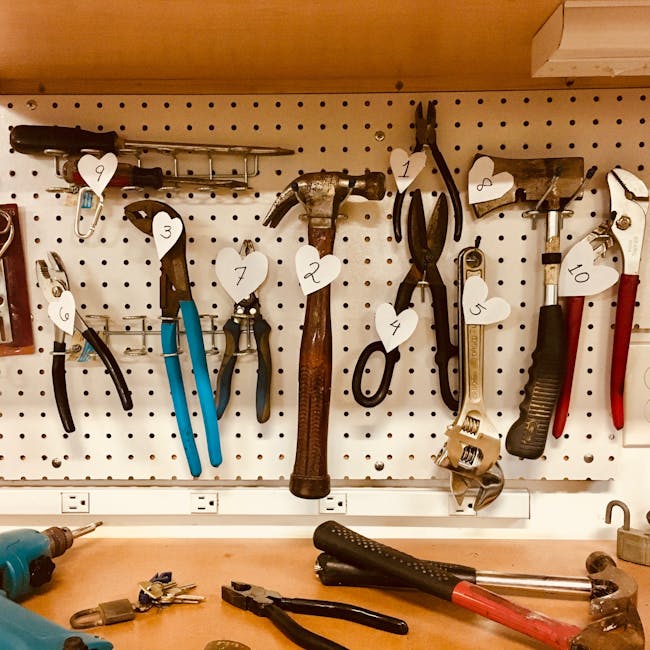
Having the right tools is one thing, but keeping them organized is just as crucial. An organized toolbox saves time and reduces stress. Use compartments or trays to keep tools tidy and easily accessible.
Learning From Experience
Reflect on past projects. Did you struggle due to missing tools? Learning from these experiences helps you refine your toolkit. Each project teaches you something new about your tool needs. Are there tools you've never used? Consider if they're really necessary. It's all about creating a toolbox that serves you well, without unnecessary clutter. Identifying essential tools is a journey. It evolves with your skills and interests. What tools do you think are missing from your toolbox?
Innovative Alternatives
Facing tool shortages sparks creativity, leading to innovative alternatives. People repurpose everyday items to solve problems efficiently. Ingenuity shines when resources are limited, driving unique solutions.
Innovative Alternatives In the world of DIY, nothing sparks creativity quite like finding innovative alternatives when you're short on tools. There's a unique satisfaction in solving problems with what you have at hand. Have you ever experienced the thrill of repurposing an everyday item for a completely different use? It’s a skill worth honing, especially when resources are limited.
Diy Tools
Creating your own tools is a rewarding challenge. It's about using your ingenuity to craft solutions from available materials. Think about the time you needed a wrench but only had a sturdy piece of metal. You can bend and shape it to fit your needs. Consider making a simple hammer using a rock and stick. This method might remind you of our ancestors, yet it’s effective! Sometimes, using these DIY tools can feel like a mini adventure, testing your problem-solving skills and patience.
Repurposing Everyday Items
Look around your home; you'll find items that can serve multiple purposes. A butter knife can become a screwdriver in an emergency. It might not be perfect, but it gets the job done. Old credit cards can be cut into scrapers for removing adhesive or paint. Have you ever used a hairpin to unlock a door? It's these unexpected uses that make repurposing items an exciting endeavor. Why buy when you can creatively use what you already own? Think of the eco-friendly impact you’re making by reducing waste. Next time you face a shortage, ask yourself: What else can I use to solve this problem?
Technology To The Rescue
Facing a shortage of tools can be daunting. Yet, technology steps in to bridge the gaps. It transforms limited resources into efficient solutions, ensuring tasks are completed smoothly.
In the modern age, technology holds the power to solve many of our challenges, including tool shortages. When you find yourself without the right tools for the job, technology can step in to fill the gap. From apps that help you find the nearest available tool, to online communities ready to lend a hand, solutions are more accessible than ever. Let’s dive into how technology can be your savior when you face a shortage of tools.
Apps For Tool Shortages
Imagine you’re tackling a home improvement project, but the one tool you need is missing. Instead of running to the store, why not turn to your smartphone? Tool-sharing apps like ToolMule and NeighborGoods connect you with locals willing to lend out their tools. These platforms act as a digital marketplace, making it easy for you to find what you need without buying new. These apps not only save you money but also foster a sense of community. You get to meet others in your area, share resources, and maybe even learn new techniques from fellow DIY enthusiasts. Have you tried using an app to solve your tool shortage? It might just become your go-to solution.
Online Community Support
In times of need, sometimes the best resource is a supportive community. Online forums and social media groups dedicated to DIY and home repair can be incredibly helpful. Platforms like Reddit, Facebook, and specialized forums have groups where you can ask for tool recommendations or even borrow tools from members in your area. These communities are treasure troves of advice and support. Experienced users often share tips or alternative methods that require fewer tools. Have you considered reaching out online for help? You might find that the collective knowledge is just as valuable as the tools themselves. Technology not only bridges the gap when tools are scarce but also encourages a collaborative spirit. Whether you're borrowing tools through an app or seeking advice from an online group, the digital world is full of resources waiting to be tapped. Next time you’re in a pinch, will technology be your first call for help?
Sharing And Borrowing Networks
Facing a tool shortage can be frustrating, but sharing and borrowing networks offer a practical solution. These networks allow people to lend and borrow tools, saving money and fostering community connections. Simplifying access to necessary equipment, they promote sustainability and resourcefulness.
Sharing and borrowing networks play a crucial role in overcoming tool shortages. These networks allow individuals to access tools without buying them. They foster community and reduce waste. People can share resources and help each other. Below, explore two key aspects: local tool libraries and digital sharing platforms.
Local Tool Libraries
Local tool libraries provide access to various tools. Members can borrow tools for short periods. This saves money and storage space. Tool libraries often offer workshops. They teach people how to use tools safely. Community members can meet and share skills. These libraries reduce the need to buy new tools. They promote a culture of sharing and collaboration.
Digital Sharing Platforms
Digital sharing platforms connect tool owners with borrowers. These platforms are accessible online. Users can list tools they own. Others can request to borrow them. Digital sharing is convenient and efficient. It broadens access to tools beyond local areas. Users can rate experiences and build trust. These platforms encourage sustainable practices. They support a sharing economy and reduce waste.
Skill Development For Adaptability
Facing tool shortages challenges adaptability. Skill development shines in these moments. Creative thinking builds resilience, turning obstacles into opportunities for growth.
In times when tools are scarce, the ability to adapt becomes crucial. Developing skills for adaptability can transform challenges into opportunities. It empowers you to face shortages with confidence and creativity. Your ability to learn and evolve can be your greatest asset in navigating any situation effectively.
Learning New Techniques
Acquiring new techniques is a powerful way to enhance your adaptability. You could start by observing those around you who have mastered certain skills. What can you learn from their methods? Consider trying alternative approaches to familiar tasks. If you're used to using a specific tool, think of how you could achieve the same outcome with different resources. This kind of creative problem-solving sharpens your adaptability.
Workshops And Online Courses
Workshops and online courses are excellent avenues for skill development. They offer structured learning environments tailored to various needs and schedules. Have you explored the wealth of free and paid options available online? Platforms like Coursera and Udemy provide courses on a wide range of topics. These courses can teach you everything from basic carpentry skills to advanced software proficiency. Engaging in workshops allows for hands-on experience and immediate feedback. Whether it's a weekend pottery class or a coding bootcamp, the skills you gain could become invaluable when traditional tools are unavailable. Ultimately, developing new skills not only prepares you for shortages but also broadens your capabilities. What new skill are you ready to embrace next?
Efficient Planning And Prioritization
Tool shortages happen more often than we like. They can slow down work. Efficient planning is the answer. It helps manage tasks with limited tools. Prioritization keeps projects on track. Proper planning ensures tasks get done. It uses available resources smartly. Prioritization means focusing on urgent tasks. It keeps the workflow smooth.
Project Management Tips
Good project management starts with clear goals. Know what needs to be done first. Write down each step of the project. This gives a clear path to follow. Assign tasks based on their importance. Use a checklist to track progress. It helps see what's finished and what's next. Communicate with your team often. Clear communication avoids confusion.
Time-saving Strategies
Time management is key during shortages. Focus on one task at a time. Multitasking can lead to mistakes. Set time limits for each task. It keeps you focused and efficient. Use tools like timers or apps for reminders. Break big tasks into smaller ones. This makes them easier to manage. Use downtime wisely. Plan future tasks or organize files.
Sustainability In Tool Usage
Sustainability means using tools that don't harm the environment. Many people use tools every day. From gardening tools to power drills. But not all tools are eco-friendly. Sustainable tool usage helps protect our planet. It reduces waste and conserves resources. This is becoming more important today. Everyone can make a difference. By choosing and using tools wisely.
Eco-friendly Alternatives
Eco-friendly tools are made from natural materials. Bamboo is a popular choice. It grows quickly and is strong. Metal tools can be recycled. This reduces the need for new materials. Solar-powered tools save energy. They use the sun's power. Electric tools with rechargeable batteries are also better. They reduce battery waste. Look for tools with minimal packaging. This cuts down on plastic waste.
Reducing Tool Waste
Reducing waste starts with buying quality tools. They last longer and don't break easily. Repair tools instead of throwing them away. Many tools can be fixed with simple parts. Donate old tools to schools or charities. They can find new uses for them. Share tools with neighbors and friends. This reduces the need for everyone to own the same tools. Organize tool swaps in your community. It’s a great way to exchange unused tools.
Frequently Asked Questions
What Causes Tool Shortages In The Workplace?
Tool shortages often result from supply chain disruptions or increased demand. These factors can lead to delays in production. Additionally, unforeseen circumstances like natural disasters or geopolitical tensions can exacerbate these shortages, affecting availability and access to essential tools.
How Can Businesses Manage Tool Shortages Effectively?
Businesses can manage tool shortages by adopting proactive planning and inventory management. Diversifying suppliers and forecasting demand can minimize disruptions. Implementing a flexible procurement strategy also ensures timely availability of necessary tools and equipment, helping maintain operational efficiency.
Are There Alternatives To Overcome Tool Shortages?
Yes, businesses can consider renting or borrowing tools as temporary solutions. Additionally, using digital tools or software alternatives can often fulfill similar functions. Collaborating with other companies to share resources can also be beneficial during shortages.
How Do Tool Shortages Impact Productivity?
Tool shortages can significantly hinder productivity by delaying tasks and projects. Workers may face downtime or need to improvise solutions, affecting efficiency. This disruption can lead to increased costs and missed deadlines, impacting overall business performance.
Conclusion
Facing tool shortages can be challenging. Adapting quickly is key. Consider alternative solutions. Borrow or rent tools when possible. Share resources with neighbors or colleagues. Creativity helps find new ways to solve problems. Stay patient and resourceful. Plan ahead to minimize future shortages.
Keep an organized list of essential tools. This ensures readiness for tasks. Remember, challenges teach valuable lessons. Learn from each experience. Adapt and grow stronger. You'll handle any situation with ease. Stay resilient and positive.