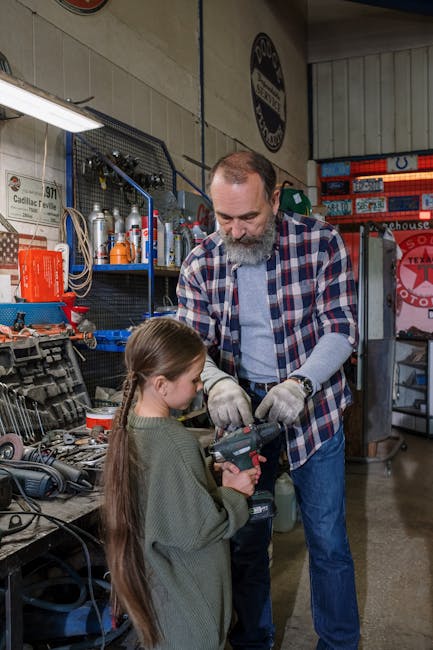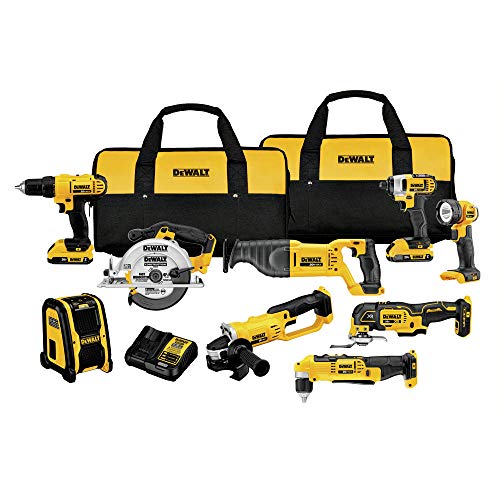

Ever found yourself standing in the garage, staring at that old power tool? You know the one—it’s rusty, unused, and taking up space.
You might be tempted to just toss it in the trash and move on, but is that really the best option? Before you make any decisions, take a moment to consider the consequences and alternatives. Understanding the proper way to dispose of a power tool is not just about decluttering; it's about being responsible and making choices that benefit you and the environment.
Imagine the peace of mind you’ll have knowing you’ve made the right decision, both legally and ethically. Stick around, because by the end of this article, you’ll know exactly what to do with that old tool. Whether it’s recycling, donating, or something else entirely, we’re going to uncover the best options that might not have crossed your mind yet. Ready to dive in? Let’s make sure you and your power tools are parting ways for good reasons.
Environmental Impact
Throwing away a power tool might seem simple, but it carries consequences. Disposing improperly impacts the environment significantly. Power tools contain metals, plastics, and chemicals. These materials can harm nature when discarded carelessly. Understanding the environmental impact is crucial.
Environmental Hazards
Power tools contain hazardous materials like lead and mercury. When thrown away, they release toxins. These toxins pollute soil and water. Wildlife can suffer from exposure. Proper disposal helps prevent these hazards.
Landfill Overload
Landfills are filling up fast. Power tools contribute to this problem. Their bulky nature takes up space. Reducing landfill waste is essential. Recycling power tools can ease landfill pressure.
Resource Depletion
Manufacturing power tools requires resources. Metals and plastics are vital components. Throwing them away wastes valuable materials. Recycling helps conserve resources. It keeps materials in use longer.
Carbon Footprint
Producing new tools emits carbon dioxide. Discarding old tools demands new production. Recycling reduces the need for new manufacturing. It lowers carbon emissions effectively.
Recycling Benefits
Recycling power tools offers many benefits. It preserves natural resources. It reduces environmental pollution. Many recycling centers accept old tools. Consider recycling to minimize impact.
Recycling Options
Disposing of power tools requires special care due to their electronic components. Many local recycling centers accept these tools for safe disposal. Consider donating working tools to charities or repair shops to extend their life.
When you find yourself with an old or broken power tool, tossing it into the trash might seem like the easiest solution. However, this option isn't environmentally friendly. Power tools contain metals and chemicals that can be harmful if they end up in landfills. Recycling offers a sustainable alternative that ensures these materials are reused and not wasted. Let's explore some recycling options that you can consider.
Local Recycling Centers
Many communities have local recycling centers that accept power tools. These facilities are designed to handle electronic waste and can safely break down your tools for parts and materials. Before heading to the center, check their website or give them a call to confirm they accept power tools. It's a quick step that can save you a trip and ensure your tool is disposed of properly.
Retailer Take-back Programs
Some major retailers offer take-back programs for old or broken power tools. Stores like Home Depot and Lowe's often have recycling bins or special events where you can drop off your tools. These programs are convenient and ensure your tools are handled responsibly. Keep an eye out for announcements or ask a store associate next time you’re shopping.
Manufacturer Recycling Initiatives
Several power tool manufacturers have their own recycling initiatives. Brands like Bosch and Makita offer programs where you can send your tools back to them. They often provide shipping labels and instructions, making it easy for you to participate. This is a great way to ensure your tool is recycled in a manner approved by the manufacturer.
Donation And Reuse Options
If your power tool still works, consider donating it to a local charity or community workshop. These organizations often welcome tool donations and can extend the life of your equipment. Alternatively, you might know someone who’s just starting out and could use a spare tool. By donating, you not only help the environment but also support your community. Recycling your power tools might take a little more effort than just throwing them away, but the environmental benefits are worth it. Plus, you’ll likely feel good knowing you contributed to a sustainable cycle. What other recycling options have you discovered in your area? Share your insights in the comments below!
Donation Possibilities
Wondering about disposing of old power tools? Consider donating them instead of tossing them away. Many organizations accept tool donations for vocational training or community projects, giving them a new purpose.
Thinking of discarding your old power tool? Before you toss it into the trash, consider the positive impact it could make through donation. Donating a power tool not only helps the environment by reducing waste but also supports individuals and communities in need. It's a win-win situation where your unused tool finds a new life and you contribute to a good cause.
Where To Donate Your Power Tool
Local charities often accept power tools for their various programs. Check with organizations like Habitat for Humanity or Goodwill. They frequently use tools in their projects or sell them to fund community initiatives. Some vocational schools and community colleges welcome donations of tools for their training programs. Your power tool could help train the next generation of skilled workers.
Benefits Of Donating A Power Tool
Donating can provide you with a sense of fulfillment. Knowing your tool is helping someone learn a trade or complete a home project is rewarding. It also offers practical benefits. Donations to registered charities can be tax-deductible, which is an added advantage for you.
How To Prepare Your Power Tool For Donation
Ensure your power tool is in working condition. Clean it thoroughly to make it appealing and safe for the next user. Include any manuals or accessories if available. These can greatly enhance the usability and value of your donation.
Questions To Consider Before Donating
Is your power tool still functional, or does it require repair? Donation centers usually prefer items in good working order. Have you checked the donation guidelines of your chosen organization? Each charity may have specific requirements or restrictions. Would you consider donating other items along with your power tool? Many charities accept a variety of household goods, which can multiply your positive impact.
Manufacturer Take-back Programs
Power tools should not be thrown away due to environmental concerns. Manufacturer Take-Back Programs offer a responsible solution. These programs allow consumers to return old tools for proper recycling or disposal, reducing waste and pollution.
Proper disposal of power tools can be a puzzling task. Many people don't realize that tossing them in the trash isn't the best solution. Enter the manufacturer take-back programs—a responsible, eco-friendly way to ensure your old tools don't end up in a landfill. These programs allow you to return your used power tools to the manufacturer, who then recycles or disposes of them safely. But what exactly do these programs entail? Let's dive into the specifics.
What Are Manufacturer Take-back Programs?
Manufacturer take-back programs are initiatives where companies accept the return of their products once they are no longer useful. These programs aim to reduce waste and encourage recycling. Many manufacturers offer this service for free, providing you with an easy way to dispose of your old power tools responsibly.
How Do These Programs Work?
You might wonder how to participate in these programs. Usually, you start by contacting the manufacturer, either through their website or customer service. They will then provide instructions on where to send or drop off your old power tool. Some companies even offer prepaid shipping labels, making the process hassle-free.
Why Choose A Take-back Program?
Choosing a take-back program is not just about getting rid of clutter. It's about making a positive impact on the environment. By participating, you help reduce the demand for raw materials, which in turn minimizes energy use and pollution. It's a small step that contributes to a bigger cause—preserving our planet for future generations.
Real-life Experiences: Do They Really Work?
You might be skeptical about whether these programs are effective. I once returned an old drill through a take-back program and was pleasantly surprised by the efficiency. The entire process took less than a week, and I received a thank-you note from the company. It felt good knowing I did my part in supporting sustainable practices.
Are All Manufacturers On Board?
Not every manufacturer offers a take-back program, so it's essential to check beforehand. Some companies are leaders in this area, while others are just catching up. If your tool's manufacturer doesn't offer a program, consider other options like local recycling centers.
What’s Stopping You?
Take a moment to think about your old power tools gathering dust. Instead of letting them sit idle, why not participate in a take-back program? It's an easy, impactful way to make a difference. Your actions could inspire others to follow suit, creating a ripple effect of positive change.
Local Disposal Regulations
Disposing of power tools requires understanding local regulations. Many areas prohibit throwing away these items with regular trash. Recycling programs or designated drop-off centers often handle electronics and tools safely.
Disposing of power tools isn't as straightforward as tossing them into the trash. Local disposal regulations can significantly impact how you handle old or broken tools. These rules vary widely, depending on where you live. Knowing them can save you from hefty fines and environmental mishaps.
Understanding Local Disposal Rules
Every area has specific rules for disposing of electronic waste, including power tools. Some communities offer special collection days for e-waste, while others might require you to drop off items at designated centers. Ignoring these rules can lead to fines or contribute to environmental harm.
Check With Your Local Waste Management
Your local waste management department is your best resource. They provide guidelines on what you can and cannot throw away. They may offer recycling programs or direct you to nearby recycling centers.
Utilize Community Collection Events
Many cities organize annual or semi-annual e-waste collection events. These events are perfect for disposing of power tools safely. Participate in these events to ensure your tools are handled responsibly.
Consider Retailer Take-back Programs
Some retailers offer take-back programs for old tools. These programs often recycle or refurbish tools, keeping them out of landfills. Check if the store where you purchased your tool participates in such initiatives.
Think About The Environment
Throwing power tools away without considering local regulations can harm the environment. Batteries, plastic, and metal parts can leak harmful substances. By following proper disposal methods, you help protect the planet. Have you ever thought about where your old power tools end up? Reflecting on disposal practices can lead to more environmentally friendly decisions. Always prioritize checking local regulations before discarding your tools.
Preparing Tools For Disposal
Disposing of a power tool requires careful preparation. It's not just about tossing it in the trash. Proper disposal keeps the environment safe and complies with local regulations. Before you dispose of a power tool, ensure it's safe and free from hazards. This involves several important steps.
Inspect The Power Tool
Begin by inspecting the power tool for any damage or leaks. Look for exposed wires, broken parts, or any other issues. Make sure it doesn't pose any safety risks. A careful check ensures a safe disposal process.
Remove Batteries
Always remove batteries before disposal. Batteries can be hazardous if not handled correctly. They contain chemicals that can leak and harm the environment. Take them to a designated recycling center.
Empty Fuel Tanks
If your tool uses fuel, empty the tanks completely. Leftover fuel can be a fire hazard. Pour the fuel into a safe container. Dispose of it according to local guidelines.
Disable The Tool
Disable the tool to prevent future use. Cut the power cord, if possible. This ensures the tool is unusable. It protects others from potential harm.
Consult Local Regulations
Check local regulations on tool disposal. Different areas have different rules. Follow these guidelines to ensure compliance. It prevents fines and supports environmental efforts.
Consider Recycling Options
Recycling is a responsible choice. Many parts can be reused or recycled. Check with local recycling centers for specific instructions. It helps reduce waste and conserves resources.
Alternative Uses For Old Tools
Old power tools often sit forgotten in garages and sheds. Instead of throwing them away, consider repurposing these tools. They can serve many new functions with a bit of creativity. Such transformations not only reduce waste but also save money. Let's explore some clever ways to give old tools new life.
Creative Garden Decor
Transform old power tools into unique garden decorations. Use a rusted drill as a quirky plant holder. An old saw can become a garden marker. These pieces add character to any outdoor space. Plus, they start conversations with guests.
Diy Home Projects
Old tools can be the foundation of a DIY project. A broken drill might become a lamp stand. An unused grinder can become a rustic clock. These projects are fun and challenge your imagination.
Artistic Sculptures
Create art from old tools. Weld them into sculptures for your home or garden. A collection of gears and blades can form a unique abstract piece. This type of art reflects creativity and resourcefulness.
Children's Play Tools
Convert old tools into safe play items for kids. Remove sharp parts and add bright colors. This introduces children to tool shapes and functions. It also encourages imaginative play.
Functional Furniture
Incorporate tools into furniture designs. An old saw can support a shelf. A drill handle might serve as a drawer pull. Such pieces add a unique touch to home decor.
Safety Precautions
Disposing of a power tool isn't as simple as tossing it in the trash. Safety precautions ensure that the disposal process doesn't harm people or the environment. Follow these guidelines to handle power tools safely.
Check For Hazardous Materials
Power tools may contain materials that are harmful. Inspect for batteries or oils. These components need special disposal methods. Improper handling can lead to leaks or contamination.
Unplug And Disconnect
Always unplug your power tool before disposal. This action prevents accidental activation. Remove any detachable parts or batteries. This step reduces the risk of injury during handling.
Wear Protective Gear
Safety gear is crucial. Wear gloves and safety glasses. These protect you from sharp edges or debris. Handling old tools can present unexpected hazards.
Consult Local Disposal Guidelines
Different areas have specific rules for disposal. Check with local waste management services. They provide instructions for safe disposal. This ensures compliance with environmental regulations.
Consider Recycling Options
Recycling helps reduce waste. Many parts of power tools are recyclable. Contact recycling centers for guidance. They can advise on safe and eco-friendly disposal methods.
Frequently Asked Questions
How To Dispose Of A Broken Power Tool?
You should recycle broken power tools to prevent environmental harm. Many local recycling centers accept them. Alternatively, check if the manufacturer offers a take-back program. Proper disposal ensures harmful components don't end up in landfills, protecting both the environment and human health.
Can Power Tools Be Thrown In Regular Trash?
Power tools should not be thrown in regular trash. They contain materials that can harm the environment. Consider recycling or donating them. Some parts can be hazardous if disposed of improperly, so it's important to follow local guidelines for electronic waste disposal.
Are There Specific Recycling Programs For Power Tools?
Yes, many recycling programs accept power tools. Some manufacturers offer take-back programs. Local waste management services often provide information on recycling centers. Using these programs ensures safe disposal and helps in recovering valuable materials from old tools.
What Can I Do With Old Power Tools?
You can donate old power tools if they still work. Charities or community workshops might accept them. If they're broken, recycling is the best option. This helps reduce waste and recycles valuable components, contributing positively to the environment.
Conclusion
Knowing how to dispose of power tools responsibly is important. It keeps the environment safe and ensures proper recycling. Donate working tools to charities or sell them online. This gives them a second life. For broken tools, find local recycling centers.
They handle electronic waste efficiently. Proper disposal avoids harming nature and supports sustainability. Make sure to follow local guidelines for disposal. This protects our planet and its resources. Remember, every little action counts towards a greener world. Let's all do our part to keep it clean and healthy.