
Are you diving into the world of hand power tools? Whether you're a professional or a DIY enthusiast, understanding safety regulations is crucial.
Did you know that some hand power tools require OSHA certification? Ignoring these regulations can lead to serious risks, not just for your project, but also for your safety. Imagine the peace of mind knowing you’re compliant and protected. We’ll unveil which tools need OSHA certification, ensuring you’re always on the right side of safety and the law.
Ready to discover what you need to know to stay safe and compliant? Let’s get started.
Osha Certification Overview
When you're working with hand power tools, safety is paramount. The Occupational Safety and Health Administration (OSHA) certification plays a crucial role in ensuring that workers operate these tools safely. But what does OSHA certification really entail, and which tools require it? Understanding these aspects can significantly reduce workplace accidents and enhance productivity. Let's dive into this essential topic.
Osha Certification: What You Need To Know
OSHA certification isn't just a piece of paper. It represents a commitment to safety and competence in handling potentially dangerous tools. If you've ever wondered why some power tools require this certification, it's because they pose higher risks. Tools like chainsaws and grinders often need certified operators due to their complexity and potential for injury.
Does Every Hand Power Tool Require Certification?
Not all hand power tools require certification. Simple tools like hand drills or screwdrivers may not need it. But when you're using tools that can cause severe injury, like power saws, OSHA certification becomes vital. Why take the risk when you can ensure safety through proper training?
How To Obtain Osha Certification
Getting OSHA certification is more straightforward than you might think. Many online and in-person courses are available. They offer comprehensive training on safely operating specific tools. After completing the course, you'll receive a certificate that proves your competence. So why not take that step towards safety?
The Impact Of Osha Certification On Workplace Safety
Imagine a workplace where accidents are minimal, and productivity is high. That's the impact OSHA certification can have. Certified workers are more aware of potential hazards. They are better equipped to prevent accidents, creating a safer work environment for everyone. Isn't that a goal worth striving for?
Why You Should Care About Osha Certification
Even if you're not directly operating power tools, understanding OSHA certification is beneficial. It highlights the importance of safety and competence in your team. It also sets a standard for quality work. Whether you're an employer or an employee, knowing that your team is certified can provide peace of mind. Isn't that reassurance worth the investment?
In conclusion, OSHA certification is not just a formality. It's a crucial element in ensuring workplace safety and efficiency. By understanding its importance and taking steps to obtain it, you can make a significant difference in your work environment. After all, isn't safety everyone's responsibility?
Power Drills
Certain power drills require OSHA certification. These include tools used in workplaces with specific safety regulations. Compliance ensures safe operation and reduces risks.
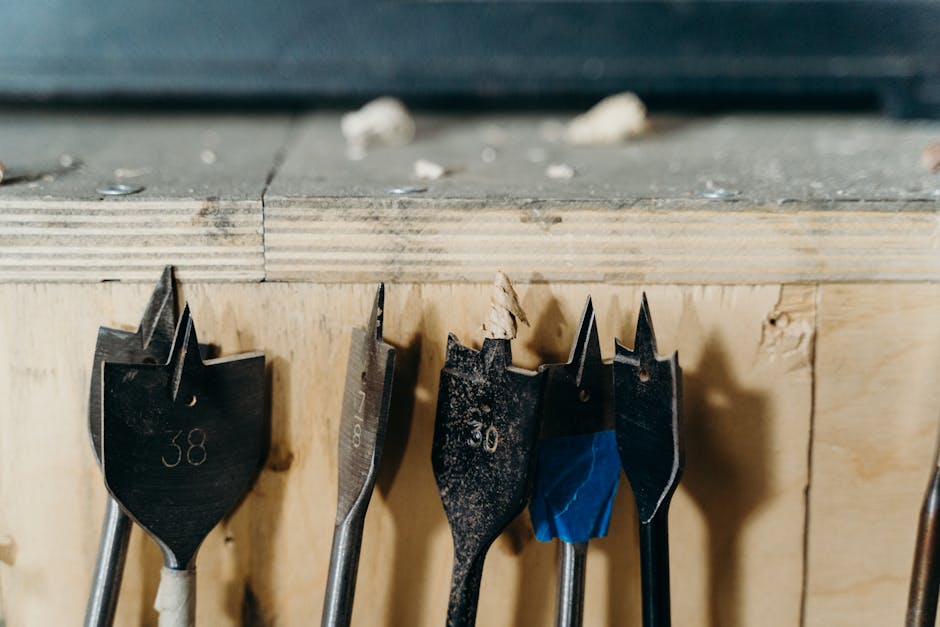
Power drills are essential tools in construction and DIY projects. They offer versatility and efficiency for drilling holes or driving screws. Ensuring safety is crucial while using power drills. Proper certification and training can prevent accidents.
Safety Standards
OSHA sets safety standards for power drills to minimize risks. These standards cover equipment maintenance, use, and protective gear. Following OSHA regulations is vital for workplace safety. Always inspect drills before use. Look for signs of wear or damage. Ensure safety guards are in place. Regular training updates keep users informed.
Usage Guidelines
Using power drills requires adherence to guidelines for safe operation. Wear protective gear like goggles and gloves. Choose the correct drill bit for the material. Avoid loose clothing that can catch in the drill. Secure the workpiece firmly before drilling. Maintain a steady hand and controlled speed. Never force the drill into materials. Proper handling reduces injury risks.
Saws And Cutting Tools
Power saws and cutting tools are essential in construction and manufacturing. They offer precision and efficiency but come with potential risks. If you're using these tools, understanding OSHA certification is crucial for safety and compliance. Imagine the smooth cut of a circular saw transforming a rough plank into a polished piece. But without proper handling, that same saw can pose serious danger.
Certification Requirements
OSHA certification for saws and cutting tools ensures you meet safety standards. This certification helps you understand the risks associated with each tool. It's not just paperwork; it protects you and your colleagues.
To get certified, you need to complete specific training programs. These programs cover operational safety and the use of protective gear. With certification, you can confidently operate saws without compromising safety.
Proper Handling
Handling saws and cutting tools requires skill and caution. Proper handling prevents accidents and enhances efficiency. Always check the tool for damage before use. A small crack can lead to big problems.
Remember to wear protective gear, like gloves and goggles. It might seem unnecessary, but they can save you from serious injuries. Keep your workspace tidy to avoid tripping hazards.
Have you ever cut through a piece of wood with a handsaw and felt the power in your hands? That power is thrilling but demands respect. Are you giving enough attention to the safety aspects?
Don't rush the process. Take your time to ensure each cut is precise and safe. Your patience is as important as your skill.
Whether you're a seasoned professional or a DIY enthusiast, the right certification and handling make all the difference. How do you prioritize safety in your work with saws?
Grinders And Sanders
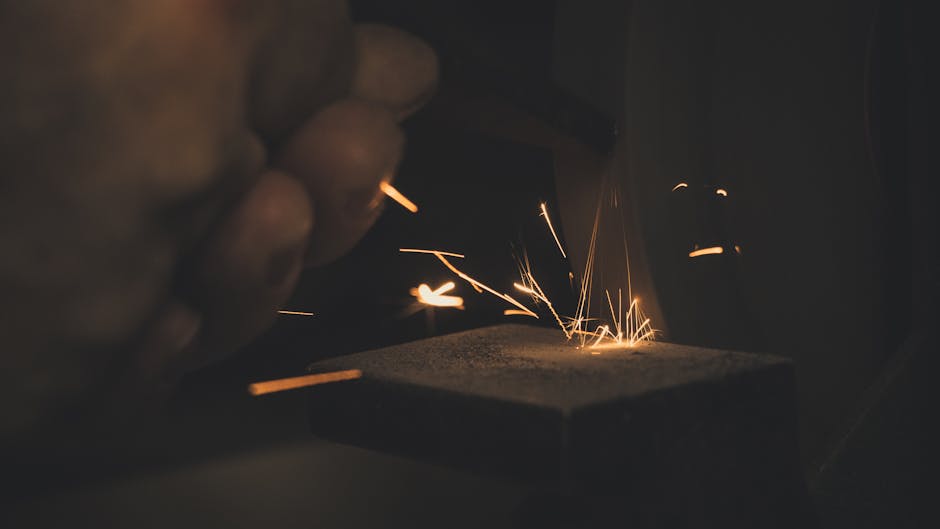
Grinders and sanders are hand power tools requiring OSHA certification due to their potential hazards. These tools can cause injury without proper training and safety measures. OSHA ensures safe operation and handling, protecting users from accidents.
Grinders and sanders are essential tools in many workshops and construction sites. These hand power tools are versatile, used for smoothing surfaces, sharpening edges, and removing excess material. However, their power and speed can pose significant hazards if not used properly, which is why OSHA certification is crucial for ensuring safety.
Hazard Prevention
Grinders and sanders can pose risks like flying debris, sparks, and noise. Always wear appropriate personal protective equipment (PPE), such as safety goggles and ear protection. Keep your work area clean to prevent accidents and ensure that all safety guards are in place before operating the tool. Regular maintenance is key to preventing accidents. Check the tool for any damage or wear before use. Loose parts can result in dangerous malfunctions. It's also important to use the right tool for the job. Using a grinder or sander for a task it wasn't designed for can lead to accidents.
Operational Rules
Understanding and following operational rules can significantly reduce the risk of injury. Always read the tool’s manual before use. Manuals offer essential information on safe operation and maintenance. Ensure you're using the correct disk or belt for the material you're working on. Using the wrong one can cause the tool to jam or kick back. Never exceed the recommended speed or pressure, as this can lead to tool failure or personal injury. Consider a story from a fellow craftsman who ignored operational rules and suffered a significant hand injury. It serves as a stark reminder of the importance of adhering to safety guidelines. Ask yourself, are you confident in your knowledge of these tools? If there's any doubt, seek additional training. Your safety is worth the investment in time and resources. Keeping these tips in mind will help you stay safe and efficient while working with grinders and sanders. Prioritizing safety ensures that you can focus on creating high-quality work without unnecessary risks.
Impact Tools
Understanding OSHA certification for hand power tools is crucial for workplace safety. Tools like drills, saws, and nail guns often require certification to ensure they meet safety standards. This certification helps prevent accidents and promotes safe usage practices.
Impact tools, such as pneumatic and hydraulic hammers, are indispensable in various industries for their ability to deliver powerful strikes that make tough jobs easier. However, with great power comes great responsibility. Operating these tools safely is crucial, and understanding OSHA certification requirements is vital for anyone using them. When was the last time you checked if your impact tools were up to standard? Regular inspections can prevent accidents and ensure efficiency. Below, you’ll find what you need to know about inspection protocols and training necessities for impact tools.
Inspection Protocols
Before you power up that impact tool, ensure it’s in perfect working condition. Check for visible damage like cracks or wear on components. Inspect air hoses and connections for leaks. A small air leak can lead to a big safety hazard. Don't forget to ensure the tool's safety mechanisms are intact and functioning properly. These steps are not just for compliance but for your safety.
Training Necessities
Training is not just a box to tick; it's your first line of defense against accidents. Make sure you're familiar with the specific impact tool you’re using. Understand its unique features and potential risks. Many accidents occur simply because someone didn’t know how to properly handle the tool. OSHA certification often requires hands-on training. Have you completed yours recently? Staying updated with the latest safety protocols can save lives. Proper training empowers you to handle unexpected situations. Are you prepared for the unexpected? You should be. Remember, the right knowledge can turn a potentially dangerous situation into a manageable one. Always prioritize your safety and the safety of those around you.
Electrical Safety
Hand power tools needing OSHA certification include those with electrical components, such as drills and saws. Proper certification ensures safety standards are met, reducing risks of electrical hazards. These standards help protect workers using power tools in various industries, ensuring safer operations.
Electrical safety is crucial when using hand power tools. Every year, countless injuries and incidents occur due to electrical hazards. Understanding the necessary precautions can save lives and prevent accidents. You might wonder if your hand power tools need OSHA certification. While not all tools require certification, knowing which do and why can safeguard your workplace. Tool MaintenanceMaintaining your tools is a key part of electrical safety. Regular checks can prevent unexpected malfunctions. Inspect tools for frayed cords or loose connections before use. Keeping the tools clean and dry is essential to prevent electrical shocks. A small investment in time for maintenance can save you from costly repairs or even injuries. Have you ever skipped a check and faced a malfunction? It’s a risk not worth taking. Protective EquipmentUsing the right protective equipment is non-negotiable. Safety gear acts as a shield against potential hazards. Always wear insulated gloves when handling electrical tools. Safety goggles protect your eyes from sparks and debris. Don't overlook footwear—rubber-soled shoes can prevent electrical conduction. What protective gear do you rely on most? It's often the difference between a safe day and an unfortunate incident. Ensuring electrical safety isn't just about rules—it's about cultivating a culture of awareness. Staying vigilant and proactive can drastically reduce workplace accidents. Is your team prepared to tackle electrical hazards head-on?
Common Violations
Understanding OSHA certification for hand power tools is crucial. Many common violations occur due to negligence or lack of knowledge. These violations can lead to serious workplace injuries. Ensuring proper compliance is essential for safety.
Penalties And Consequences
Violating OSHA standards can result in heavy penalties. Fines can reach thousands of dollars. Repeat offenses may lead to increased scrutiny. Employers might face legal actions. Non-compliance affects company reputation. It can lead to loss of trust among employees.
Preventive Measures
Regular training sessions are vital. Educate employees on tool safety. Implement safety checks for all equipment. Ensure tools meet OSHA standards. Assign a safety officer for monitoring. Encourage reporting of unsafe conditions. Promote a culture of safety at work.
Benefits Of Certification
Certain hand power tools require OSHA certification due to safety standards. Certification ensures that tools like electric saws, drills, and grinders meet compliance requirements. Proper training helps avoid accidents, promoting a safer work environment.
Obtaining OSHA certification for hand power tools is more than just a regulatory requirement—it's a valuable investment in your safety and productivity. While some may view it as a mere formality, certification offers tangible benefits that can significantly impact your work environment and output. Let's delve into how this certification can enhance safety and boost productivity.
Enhanced Safety
Certification ensures you know how to use hand power tools safely. This knowledge reduces the risk of accidents and injuries on the job. Imagine operating a tool without knowing the correct safety measures—one small mistake could lead to a severe injury. You might have heard stories of workplace mishaps due to improper tool use. OSHA certification helps prevent these incidents by educating you on the best practices for tool handling. With this training, you're equipped to maintain a safer work environment for yourself and your colleagues.
Productivity Boost
A well-trained worker is a more efficient worker. When you understand how to use tools correctly, tasks get done faster and with greater precision. Certification can transform your workday by minimizing errors and reducing downtime. Think about the last time you struggled with a tool because you weren't sure about its operation. Imagine the time saved if you had that knowledge upfront. With OSHA certification, you can confidently tackle tasks, leading to increased productivity and job satisfaction. Certification is not just a piece of paper—it's a powerful asset that can transform your approach to work. Have you considered how much more you could achieve with the right training? Embracing certification might be the key to unlocking your full potential with hand power tools.
Frequently Asked Questions
What Is Osha Certification For Power Tools?
OSHA certification ensures that power tools meet safety standards. It is crucial for minimizing workplace hazards. Employers must comply with OSHA regulations to protect workers. Certification involves training and adherence to guidelines. Proper use of certified tools reduces injury risks significantly.
Which Power Tools Need Osha Certification?
Power tools like drills, saws, and grinders often need OSHA certification. These tools can pose significant safety risks. Employers must ensure these tools meet OSHA standards. Proper training on their use is also essential. Compliance helps prevent workplace accidents and injuries.
Why Is Osha Certification Important For Safety?
OSHA certification ensures tools are safe for use. It helps prevent accidents and injuries. Certified tools meet safety standards, reducing hazards. Employers must prioritize safety by complying with OSHA regulations. Proper training and certified tools contribute to a safer work environment.
How Do You Obtain Osha Certification For Tools?
OSHA certification involves training and compliance with safety guidelines. Employers must ensure tools meet OSHA standards. Training programs are available for workers to understand safety practices. Regular inspections help maintain compliance. Certification ensures a safer workplace by reducing risks.
Conclusion
Understanding OSHA certification for hand power tools is essential. Safety at work depends on it. Certified tools reduce accident risks. They ensure compliance with regulations. Employers must train workers properly. Workers should know tool requirements. Certification covers many tool types.
Drills, saws, and grinders need attention. Always check for certification labels. They confirm safety standards. Regularly inspect tools for damage. Replace faulty ones immediately. Knowledge keeps the workplace safe. Prioritize safety and compliance always. Your team and business will benefit.
Stay informed and keep everyone safe.