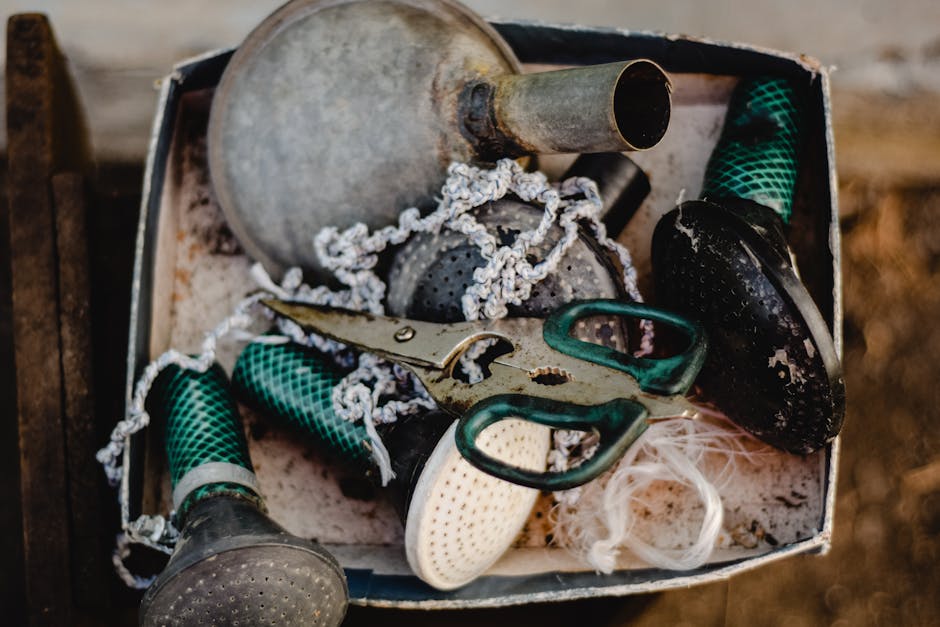
Rust can be a gardener's worst enemy. It creeps up silently, turning your trusty tools into useless, corroded relics.
But what if you could bring them back to life with just a little know-how? Imagine your garden thriving like never before, all because your tools are in top-notch condition. If you've noticed a rusty tinge on your favorite trowel or pruning shears, don't worry.
You're not alone, and there's a solution at hand. In this guide, you'll discover simple, effective methods to banish rust and restore your gardening tools to their former glory. Keep reading to unlock the secrets to extending the lifespan of your equipment and enhancing your gardening experience. Your tools—and your garden—will thank you!
Identifying Rust On Tools
Rust can sneak up on gardening tools, causing damage. Spotting orange or brown spots is key. Removing rust keeps tools efficient and long-lasting.
Identifying rust on gardening tools is crucial for their maintenance. Rust can weaken tools, making them ineffective and unsafe. Early detection helps in preserving their lifespan. Learn how to spot rust and take action promptly.
Understanding The Signs Of Rust
Rust appears as a reddish-brown coating on metal surfaces. It often starts as small spots or streaks. Over time, it spreads and covers larger areas. Check for rough textures and flaking on tools. These are clear indicators of rust.
Inspecting Tools Regularly
Routine checks prevent extensive rust damage. After each use, examine your tools closely. Look for any discoloration or surface changes. Pay special attention to areas near joints and edges. These spots rust faster due to moisture accumulation.
Using Proper Lighting
Bright light helps in spotting rust. Inspect tools in well-lit areas. Natural sunlight works best. It highlights any rust patches clearly. If indoors, use a strong lamp to illuminate the tool surface.
Feeling The Surface
Run your fingers over the tool's metal parts. A smooth surface indicates no rust. A rough or gritty feel often means rust is present. This tactile inspection can be more effective than visual checks alone.
Testing With A Magnet
Rust affects magnetic properties. Use a small magnet to test metal areas. If the magnet sticks weakly, rust might be present. This simple test can help confirm rust presence when unsure.
Safety Precautions
Before removing rust from gardening tools, wear gloves to protect your hands. Use a mask to avoid inhaling dust. Ensure the workspace has good ventilation for safety.
Rust can be a real pain for anyone who loves gardening. It not only damages your tools but can also affect your plants if left unchecked. Removing rust is essential, but doing it safely is even more critical. Before you jump into the task, consider some safety precautions. Protecting yourself and creating a safe workspace can make the rust removal process smooth and hazard-free.
Protective Gear
Wearing the right protective gear is crucial. Rust removal often involves using chemicals or abrasive materials that can be harmful. Gloves are your first line of defense. They protect your hands from both sharp edges and any corrosive substances you might use. Eye protection is equally important. Rust particles can fly during scrubbing, posing a risk to your eyes. Safety goggles can prevent injuries. Consider wearing a mask, especially if you’re using chemical rust removers. They can emit fumes that are harmful if inhaled. Have you ever started cleaning without gloves and regretted it immediately? It’s a lesson learned the hard way!
Safe Workspace
Creating a safe workspace is just as important as wearing protective gear. Choose a well-ventilated area to work in. This helps in dispersing any fumes from chemical removers. Ensure that your workspace is free of clutter. A tidy area reduces the chance of accidents, like knocking over a bottle of rust remover. Lay down a drop cloth or old newspaper to catch rust flakes and spills. It makes cleanup easier and prevents damage to your surfaces. You wouldn’t want to ruin your kitchen counter while scrubbing a rusty spade, right? Think about the tools and products you’ll be using. Are they within reach? Are they safely stored when not in use? Imagine having to search for a tool mid-process, only to knock over a bottle of cleaner in the chaos. Your safety is paramount. What steps are you taking to ensure your workspace is safe? Keep these precautions in mind, and you’ll tackle rust with confidence and care.
Basic Cleaning Methods
Gardening is a joy, but rusted tools can quickly dampen your enthusiasm. Rust not only looks unsightly, but it can also hinder the performance of your beloved gardening tools. The good news? You don't need fancy chemicals to restore them to their former glory. With basic cleaning methods, you can breathe new life into your tools. Let’s dive into simple techniques that can save you time and money.
Soap And Water
Start with the simplest method: soap and water. Fill a bucket with warm water and add a few drops of dish soap. Stir until you see suds forming. Your choice of soap matters; a mild dish soap works wonders without being harsh on your tools.
Immerse the rusted tool into the soapy water, allowing it to soak for about 10 to 15 minutes. This softens the rust, making it easier to remove. You might be surprised at how much rust can come off with just a good soak.
After soaking, rinse the tool thoroughly under running water. As you do, keep an eye on the rust residue. Are you noticing any areas that need extra attention? This simple technique is often overlooked, yet it can make a significant difference. Have you ever tried it before?
Scrubbing With A Brush
Sometimes soap and water isn't enough, and that's where a brush comes in handy. Choose a wire brush or an old toothbrush depending on the extent of the rust. The wire brush is perfect for stubborn spots, while a toothbrush is ideal for smaller areas.
Hold your tool firmly and start scrubbing the rusty patches. Apply consistent pressure, but avoid scratching the metal. It's fascinating how a simple brush can reveal the shiny surface beneath the rust. Have you ever watched the transformation unfold right before your eyes?
Once you're done scrubbing, rinse the tool again with water. Take a moment to admire your efforts. Does your tool look brand new? This method isn't just effective—it’s incredibly satisfying. What technique will you try next time?
These basic methods are your first line of defense against rust. They’re straightforward, yet surprisingly effective. Next time you spot rust on your tools, remember: you have the power to restore them. Ready to give it a try?
Using Natural Remedies
Natural remedies can effectively tackle rust on gardening tools. Vinegar and baking soda create a powerful cleaning solution. Submerge tools in vinegar, scrub gently with baking soda, then rinse and dry thoroughly. This simple method restores tools to their former glory without harsh chemicals.
Gardening tools are essential for nurturing your plants, but they’re susceptible to rust. Natural remedies can effectively tackle this problem without the harsh chemicals. These methods are often more accessible and environmentally friendly. Plus, you might already have the ingredients in your kitchen. If you’ve ever watched your once-shiny tools succumb to rust, you’ll appreciate the simplicity of natural solutions. Let's dive into two popular methods: vinegar soak and baking soda paste.
Vinegar Soak
Vinegar is a household staple that works wonders on rust. It’s acidic enough to break down the rust without damaging the metal underneath. To use, fill a container with white vinegar and submerge your rusty tools. Let them soak for a few hours or overnight, depending on the severity of the rust. After soaking, scrub the tools with a brush to remove any remaining rust particles. Rinse thoroughly with water and dry completely to prevent new rust from forming. I once tried this method on a rusty trowel I found in my shed. The results were impressive, revealing a tool that looked nearly new.
Baking Soda Paste
Baking soda is another fantastic, natural rust remover. It’s mildly abrasive, making it perfect for scrubbing away rust without scratching the metal. Start by mixing baking soda with water to create a thick paste. Apply the paste generously to the rusty areas of your tool. Let it sit for about 30 minutes. Then, use a brush or an old toothbrush to scrub off the rust. Rinse with water and dry thoroughly. This method is particularly useful for smaller tools or areas where a vinegar soak isn’t practical. Have you tried using baking soda on your rusty tools? You might find it surprisingly effective. Both vinegar and baking soda are affordable and easy to find. They offer a safe alternative to commercial rust removers, allowing you to maintain your gardening tools with confidence. Have you considered trying these natural remedies? Your tools—and your garden—will thank you.
Chemical Solutions
Rusty gardening tools can be restored using simple chemical solutions. Vinegar and baking soda effectively clean and protect metal surfaces. Regular maintenance ensures longer-lasting tools.
When your gardening tools are plagued by rust, chemical solutions can offer a swift and effective remedy. They save time and energy compared to manual scrubbing. Let's dive into two popular chemical methods that can help you restore your tools to their former glory.
Commercial Rust Removers
Commercial rust removers are readily available and easy to use. These solutions often come in spray or liquid form, making them convenient for treating large or hard-to-reach areas on your tools. Look for a product specifically designed for rust removal to ensure effectiveness. Always read the instructions on the label carefully and follow safety precautions, such as wearing gloves or a mask if needed. In my experience, a quick application and wipe-off process can make your tools look almost new. Have you ever tried a commercial product and found it surprisingly effective?
Using Oxalic Acid
Oxalic acid is a powerful chemical that can break down rust efficiently. It's found in some household cleaning products and can be bought in powder form for rust removal. To use oxalic acid, mix it with water to create a solution. Soak your rusty tools in this mixture for a few hours, then scrub with a brush to remove loosened rust. Ensure you wear protective gear, like gloves and goggles, as oxalic acid can be harsh on the skin. If you're cautious with its use, oxalic acid can be a reliable solution for stubborn rust. What tools are you eager to rescue with this method?
Preventing Future Rust
Clean gardening tools regularly to prevent rust. Dry them thoroughly after use and store in a dry place. Apply a light coat of oil to protect metal surfaces from moisture.
Preventing rust on gardening tools ensures they last longer. Rust can weaken tools, making them less effective. By taking a few simple steps, you can keep your tools in top shape. Proper storage and regular maintenance are key. Let’s explore these strategies in detail.
Proper Storage
Store tools in a dry place. Moisture is rust's best friend. A shed or garage works well. Use hooks or racks to hang tools. This keeps them off the damp ground. If space is tight, consider a toolbox. Line it with a moisture-absorbing material. Silica gel packs can help. They absorb excess moisture in the air.
Regular Maintenance
Wipe tools after each use. A clean cloth does the job. Remove any soil or moisture. Inspect tools regularly for rust spots. Treat small spots with sandpaper. Apply a light coat of oil to metal parts. This creates a barrier against moisture. Vegetable oil works well and is eco-friendly. Regular care keeps tools rust-free and ready for use.
Tool Care Tips
Gardening tools need regular care to last longer. Proper maintenance keeps them efficient and safe. Rust can damage tools, but routine care prevents this. Learning simple care steps helps maintain your tools.
Sharpening Blades
Blunt blades make gardening hard. They also harm plants. Use a sharpening stone for blades. Hold the blade at a 20-degree angle. Move the stone along the blade edge. Repeat until sharp. Wipe the blade with a clean cloth. Ensure no metal dust remains.
Oiling Metal Parts
Metal parts need oiling to prevent rust. Use machine oil or vegetable oil. Apply a thin layer on all metal surfaces. Wipe excess oil with a cloth. This layer protects against moisture. Store tools in a dry place after oiling. This keeps them rust-free.
Frequently Asked Questions
How Can I Easily Remove Rust From Tools?
To easily remove rust, soak tools in white vinegar for several hours. The acetic acid in vinegar helps dissolve rust. After soaking, scrub the tools with a brush. Rinse with water and dry thoroughly to prevent future rusting. This method is effective and uses common household items.
What Home Remedies Remove Rust From Gardening Tools?
Lemon juice and baking soda are effective home remedies for rust removal. Mix baking soda with lemon juice to form a paste. Apply the paste on rusty areas, let it sit for 30 minutes, then scrub with a brush. This natural method is safe and cost-effective.
Can Baking Soda Remove Rust From Tools?
Yes, baking soda is effective for rust removal. Make a paste with water and apply it to rusted areas. Allow it to sit for a few hours, then scrub with a brush. Rinse and dry the tools thoroughly to prevent further rust.
This method is simple and environmentally friendly.
Is Wd-40 Good For Rust Removal?
WD-40 is effective for rust removal. Spray it on the rusted areas, let it sit for a few minutes, then scrub with a wire brush. WD-40 not only removes rust but also protects against future corrosion. It's a versatile and handy solution for maintaining gardening tools.
Conclusion
Restoring gardening tools is simple with the right approach. Clean tools last longer and work better. Rust removal protects your investment and saves money. Regular maintenance prevents rust from returning. Use vinegar or baking soda for effective cleaning. Always dry tools thoroughly after use.
Store them in a dry place to prevent rust. A little care goes a long way in preserving tools. Enjoy gardening with clean, rust-free tools. Happy gardening!