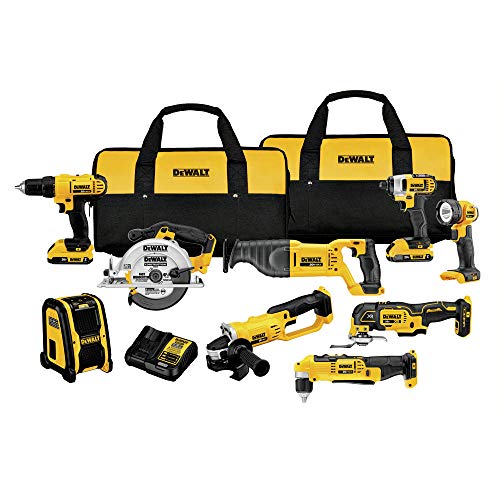
When you need to send power tool batteries across the country or even overseas, questions about shipping regulations and safety can become a pressing concern. You might be wondering if you can simply pack them up and send them off without a hitch.
Shipping power tool batteries isn't as straightforward as it seems, and it's crucial to know the rules to avoid delays or penalties. You'll discover everything you need to know about safely and legally shipping power tool batteries. Whether you're a business owner or just someone trying to send a gift, understanding these guidelines can save you time, money, and headaches.
Get ready to unlock the secrets to hassle-free battery shipping and ensure your packages arrive safely at their destination.
Shipping Regulations
Shipping power tool batteries can be tricky due to safety regulations. Lithium-ion batteries must be properly packed. Airlines have strict rules to prevent hazards. Always check guidelines before shipping.
Shipping power tool batteries can be a bit tricky due to various regulations. Understanding these regulations is crucial to ensure safe and legal transportation. Whether you're sending batteries internationally or within your country, knowing the rules will save you time and hassle. So, let's break down the shipping regulations for power tool batteries.
International Guidelines
Shipping power tool batteries across borders demands careful attention to international guidelines. Different countries have their own rules, which can make the process complex. The International Air Transport Association (IATA) has specific guidelines for shipping lithium-ion batteries, which are commonly used in power tools. These batteries are classified as dangerous goods. This means they require special packaging and labeling. You might need to fill out additional paperwork, such as a Dangerous Goods Declaration. Have you ever had a shipment returned because of missing documents? That’s why these details matter. Some shipping companies specialize in dangerous goods. They can help you navigate these international requirements. Before shipping, check if your carrier offers such services. This can make the process smoother and more efficient.
Domestic Rules
Within your own country, the rules for shipping power tool batteries can vary. In the United States, for example, the Department of Transportation (DOT) has specific regulations. These often include packaging standards and labeling requirements. For domestic shipments, you might not need as much documentation as international ones. But don’t underestimate the need for safety. Have you ever wondered why there are so many rules for something as small as a battery? It’s because they can pose fire risks if not handled properly. Consider using original manufacturer packaging if available. It’s designed to meet safety standards and is often the best choice. Additionally, choose a reputable courier that understands battery regulations. This ensures your package arrives safely and on time. Isn't it interesting how something so routine can have so many layers of complexity? By understanding these guidelines, you can ship your power tool batteries with confidence.
Battery Types
Shipping power tool batteries involves following specific regulations. Lithium-ion batteries need careful packaging to prevent short circuits. Check carrier policies for safety and compliance requirements.
Understanding different battery types is crucial when considering shipping power tool batteries. The type of battery significantly impacts how it should be packaged and handled. This section will guide you through the two most common battery types: Lithium-Ion and Nickel-Cadmium, and what you need to know about each.
Lithium-ion Batteries
Lithium-Ion (Li-Ion) batteries are popular in power tools due to their high energy density and lightweight nature. They offer a longer lifespan and don't suffer from the memory effect, making them a preferred choice for both professionals and hobbyists. However, their high energy density also makes them more volatile, leading to stricter shipping regulations. When shipping Li-Ion batteries, ensure they are in protective cases to avoid short circuits. Most shipping services require that these batteries be partially discharged to minimize the risk of ignition. It’s wise to check the specific guidelines of the courier service you plan to use.
Nickel-cadmium Batteries
Nickel-Cadmium (NiCd) batteries have been around for a long time and are known for their durability and ability to deliver consistent power. Unlike Li-Ion batteries, they can withstand a wide range of temperatures and are more forgiving in terms of handling. However, they do suffer from the memory effect, which can reduce their effective lifespan if not properly maintained. Shipping NiCd batteries is generally less restrictive than shipping Li-Ion ones. They are less prone to overheating and can be shipped without the need for special precautions. Nevertheless, it’s advisable to pack them securely to prevent any physical damage during transit. Have you ever wondered why some batteries are more expensive to ship than others? Understanding these battery types not only helps in shipping but also in making informed purchasing decisions. Which battery type suits your needs best for shipping and usage? Consider the pros and cons of each and make a choice that aligns with your requirements.
Packaging Requirements
Shipping power tool batteries requires careful packaging. Proper packaging ensures safety and compliance. Follow these steps for secure shipment.
Materials Needed
Start with the right materials. Use strong cardboard boxes. Select boxes that fit the battery snugly. Choose bubble wrap or foam padding for protection. Ensure the batteries are insulated. Prevent contact with other items. Use packing tape to secure the box.
Labeling Instructions
Labeling is crucial for safety. Mark the box with "Lithium Batteries." Use clear, visible labels. Include handling instructions. State if the batteries are damaged. Use labels for hazardous materials. Ensure shipping personnel understand the content. Proper labeling reduces risks. Follow regulations for battery shipments.
Safety Precautions
Shipping power tool batteries requires careful attention. Safety is the top priority. Batteries can pose risks if handled incorrectly. Understanding and following safety measures is crucial. Ensure your shipment process is smooth and secure.
Preventing Short Circuits
Short circuits are dangerous. They can cause fires. Use original packaging if available. It provides the best protection. If not, insulate the terminals. Use non-conductive tape for this. Keep batteries separated. Avoid contact with metal objects. Proper insulation prevents accidents.
Handling Damaged Batteries
Damaged batteries are risky. Never ship a leaking battery. Look for swelling or cracks. These are signs of damage. Do not handle them with bare hands. Use gloves for protection. Dispose of damaged batteries safely. Contact local waste management for guidance.
Carrier Policies
Shipping power tool batteries can be tricky. Each carrier has its own rules. Understanding these policies is crucial. It ensures safe and compliant shipping. Carrier policies differ based on battery types and sizes. Let's dive into the details of popular shipping companies and their specific restrictions.
Popular Shipping Companies
Several major companies handle power tool batteries. FedEx, UPS, and DHL are common choices. They have detailed guidelines for battery shipping. These companies prioritize safety. They follow international regulations for hazardous goods. Knowing these rules helps avoid delays. It also prevents potential fines.
Specific Company Restrictions
FedEx requires special packaging for lithium batteries. They must be marked and labeled correctly. UPS also insists on proper labeling. Batteries should not exceed certain watt-hour limits. DHL has strict guidelines too. They need documentation for battery shipments. This ensures compliance with international laws.
Each company has unique rules. It's vital to check them before shipping. Understanding these restrictions keeps shipments smooth. It also ensures batteries reach their destination safely.
Legal Compliance
Shipping power tool batteries requires careful attention to legal compliance. These items might be classified as hazardous materials. Understanding packaging, labeling, and documentation requirements is essential for safe and lawful shipment.
Shipping power tool batteries isn't just about packing them securely; it's also about navigating the labyrinth of legal compliance. This ensures not only the safety of your shipment but also keeps you on the right side of the law. Understanding the legal requirements can seem daunting, but it's crucial for a smooth shipping process and peace of mind.
Documentation Needed
To legally ship power tool batteries, you need specific documentation. Most shipping companies require a Material Safety Data Sheet (MSDS). This document provides essential information about the battery's chemical properties and safety measures. Another critical document is the Declaration of Dangerous Goods. This form indicates that your package contains hazardous materials, which is a vital part of complying with international shipping regulations. Have you ever encountered situations where missing paperwork led to delays? It's frustrating and time-consuming.
Penalties For Non-compliance
Ignoring these legal requirements can lead to hefty penalties. Non-compliance may result in fines ranging from hundreds to thousands of dollars, depending on the severity and frequency of the violations. There's also the risk of your package being confiscated or destroyed. Imagine the cost of replacing those batteries, not to mention the potential impact on your business reputation. Is it worth the risk? By ensuring you have the correct documentation and are aware of the penalties, you protect not just your shipment but also your financial and professional standing. So, next time you prepare to ship power tool batteries, ask yourself, "Am I fully compliant?" It's a small step that can save you a lot of hassle.
Environmental Considerations
Shipping power tool batteries requires understanding environmental regulations. These rules ensure safe transport and prevent harmful leaks. Proper packaging and labeling help protect the environment.
Shipping power tool batteries involves several environmental concerns. Improper disposal can harm the environment. Batteries contain toxic materials. These materials can seep into the soil and water. Safe disposal is crucial. Let's explore some key factors.
Recycling Options
Recycling reduces battery waste. Many local programs accept batteries. They ensure safe handling. Some retailers offer recycling drop-offs. Manufacturers also provide take-back programs. These initiatives encourage responsible disposal. Always check local regulations. They vary by region.
Impact On Ecosystem
Improper disposal impacts ecosystems. Toxic substances harm wildlife. They contaminate water sources. This affects both plants and animals. It disrupts food chains. Safe disposal minimizes these risks. It protects natural habitats. Consider the environment when shipping batteries. `
Insurance And Liability
Shipping power tool batteries involves understanding insurance and liability factors. Each carrier has rules for battery shipping. Following these rules helps avoid potential risks and liabilities. Always check guidelines to ensure safe and compliant shipping.
Shipping power tool batteries can be more complex than you might think, especially when considering insurance and liability. You want to ensure that your package reaches its destination safely and without unexpected costs. Understanding the ins and outs of insurance and liability is crucial for a smooth shipping experience.
Coverage Options
When shipping power tool batteries, you have several insurance options. Some shipping companies offer basic coverage included in the shipping cost. But is this enough for your valuable shipment? Consider additional insurance if your battery is expensive or you have concerns about potential damage during transit. Check with your shipping provider for their specific coverage plans and costs. Having adequate insurance can give you peace of mind and protect your investment.
Liability Concerns
Liability concerns are vital when shipping power tool batteries. Shipping these items comes with inherent risks. What happens if the battery is damaged during shipping or causes damage? You could be held liable if you haven't followed proper packaging and labeling guidelines. Ensure you comply with all regulations, including those for hazardous materials. This not only protects you but also ensures the safety of others handling your package. Have you ever shipped an item only for it to arrive damaged? Understanding your liability can help prevent this. Always double-check the shipping requirements and package your batteries securely. This proactive approach can save you from unnecessary headaches and expenses. Navigating the world of shipping power tool batteries might seem daunting at first. But by understanding insurance options and liability concerns, you can make informed decisions. Are you ready to ship with confidence?
Frequently Asked Questions
Can I Legally Ship Power Tool Batteries?
Yes, you can legally ship power tool batteries. However, you must follow specific guidelines. The batteries should be properly packaged to prevent short circuits. Additionally, check with your shipping carrier for any special requirements or restrictions. Some carriers have specific regulations for lithium batteries due to safety concerns.
How Do I Package Power Tool Batteries For Shipping?
When packaging power tool batteries, ensure they are individually wrapped. Use non-conductive materials like plastic bags to prevent short circuits. Place them in strong outer packaging for protection. Label the package correctly if required by your carrier. Always check with the shipping company for their specific packaging guidelines.
Are There Restrictions On Shipping Lithium Batteries?
Yes, shipping lithium batteries has restrictions due to safety concerns. Many carriers require specific packaging and labeling. Regulations may vary by region and carrier. It's crucial to check the latest guidelines from your shipping provider. Adhering to these rules ensures safe and compliant transportation of your power tool batteries.
What Carriers Ship Power Tool Batteries?
Major carriers like FedEx, UPS, and DHL ship power tool batteries. Each has specific guidelines and requirements. It's important to verify the regulations with your chosen carrier. Some carriers might have restrictions based on battery type or destination. Always consult their official resources for the most accurate information.
Conclusion
Shipping power tool batteries can be tricky. Understand the rules before proceeding. Check carrier guidelines for safe shipping. Each carrier has specific rules to follow. Packaging matters for safety during transit. Secure the battery to prevent movement. Label the package clearly with warnings.
This helps handlers know the contents. Consider shipping insurance for added peace of mind. It’s wise to protect against loss or damage. Always stay informed about shipping regulations. This ensures compliance and safety. Proper preparation makes shipping power tool batteries smooth.
Remember, safety first!