Have you ever wondered if your shed is the right place to store your power tools? You're not alone.
Many people question whether these expensive and essential tools can withstand the conditions of a shed. You want to protect your investment, ensuring your tools stay in top-notch condition and are ready to tackle any project. Imagine reaching for your trusty drill, only to find it rusted or malfunctioning because of improper storage.
It's a scenario none of us want to face. We'll explore the ins and outs of storing power tools in a shed. You'll discover essential tips to keep your tools safe from moisture, temperature fluctuations, and other factors that can damage them. By the end, you'll feel confident in your ability to store your power tools effectively, saving both time and money. So, let's dive into the world of sheds and power tools, and ensure your equipment remains in pristine condition.
Assessing Shed Suitability
Deciding to store power tools in a shed demands careful consideration. Not every shed provides the right environment for tool storage. It's crucial to evaluate various aspects before making this decision. Proper assessment ensures tool longevity and functionality.
Weather Conditions
Weather impacts tool health significantly. Sheds must resist moisture, preventing rust on metal tools. Good ventilation reduces humidity inside the shed. Check for leaks during rainy days. Extreme temperatures can damage batteries and electronics. Insulate your shed to maintain a stable temperature. Ensure the shed's roof and walls are sturdy.
Security Features
Security is essential for protecting valuable tools. A strong lock system deters theft. Consider installing a security alarm for added protection. Reinforced doors and windows prevent easy access. Motion sensor lights can alert you of any trespassers. Regularly check for signs of tampering or damage. Ensure the shed is not easily visible from the street.
Power Tool Storage Solutions
Storing power tools efficiently in a shed requires smart solutions. Proper storage not only extends the life of tools but ensures safety. The right setup can make finding and using tools easier and more enjoyable.
Shelving Options
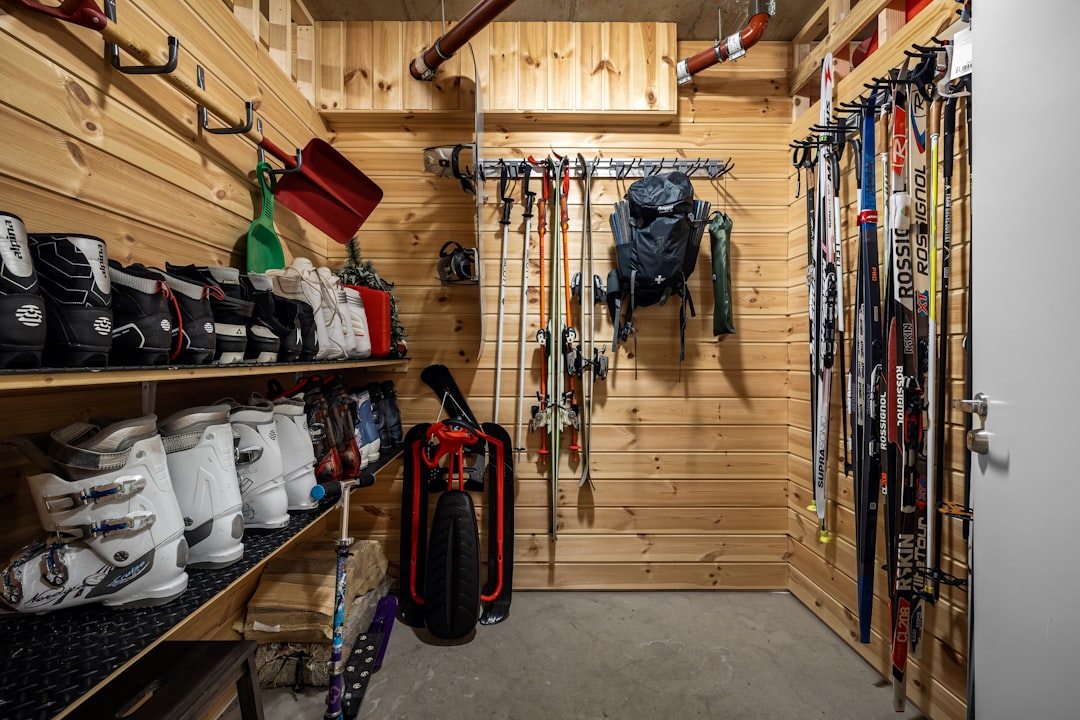
Sturdy shelves can transform your shed into an organized space. Consider adjustable shelves for flexibility. They accommodate different tool sizes. Opt for metal or strong plastic shelves. These materials are durable and support heavy items well.
Wall-mounted shelves save floor space. They keep tools visible and within reach. This setup helps prevent clutter. Shelves with bins or baskets offer extra organization. Label bins for quick identification of tools.
Tool Cabinets
Tool cabinets offer secure storage. They protect power tools from dust and moisture. Choose lockable cabinets for added safety. Metal cabinets are strong and reliable. They endure varying weather conditions.
Look for cabinets with drawers and compartments. These features help organize tools by size and type. Proper organization reduces time spent searching for tools. Cabinets with wheels provide mobility. Easily move them around the shed as needed.
Climate Control Considerations
Storing power tools in a shed requires careful climate control. Moisture and temperature changes can damage tools. Ensure proper insulation and ventilation to protect them. A dehumidifier can help maintain a dry environment, preserving your tools' longevity.
Storing power tools in your shed can be a practical solution, but have you thought about how climate control can affect their longevity and performance? Climate control considerations are crucial to maintaining your power tools in top condition. Without proper climate management, you might find your tools rusting, malfunctioning, or even becoming a safety hazard.
Ventilation Needs
Proper ventilation is essential in your shed to ensure your power tools remain in good working order. Without airflow, your shed can trap heat and moisture, creating a breeding ground for rust and mold. Think about installing vents or a small fan to circulate air effectively. Simple measures like opening windows or doors regularly can also significantly impact the air quality inside your shed.
Humidity Control
Have you ever opened your shed and found your tools damp or rusty? This might be due to high humidity levels. Humidity can wreak havoc on power tools, leading to rust and electrical issues. Consider using a dehumidifier to reduce moisture levels inside your shed. Silica gel packs are another cost-effective option to absorb excess moisture. How often do you check the humidity in your shed? Investing in a hygrometer can help you monitor and maintain optimal conditions for your tools. By paying attention to these climate control considerations, you can extend the life of your power tools and keep them performing at their best. What steps will you take today to protect your investment?
Safety Measures
Storing power tools in a shed is convenient. But safety measures are crucial. Ensuring safety protects your tools and home. This section covers key safety tips.
Locking Mechanisms
Securing your tools with proper locks is essential. Use sturdy padlocks for the shed door. Consider installing a deadbolt for added security. A lockable cabinet inside adds extra protection. Thieves can’t grab what they can’t access. Regularly check locks for rust or damage. Replace any worn-out parts promptly.
Fire Prevention
Fire safety is vital in a shed with power tools. Ensure proper ventilation to prevent overheating. Keep flammable materials away from tools. Store fuel or oil in sealed containers. Use a fire extinguisher rated for electrical fires. Install a smoke detector to alert you early. Check electrical cords for wear and tear. Replace damaged cords to prevent sparks.
Maintenance Tips
Maintaining your power tools ensures they remain functional for years. Proper care also enhances safety and efficiency. Whether stored in a shed or any other place, keeping them in top shape is crucial. Here are some essential maintenance tips to consider.
Regular Cleaning
Dirt and dust can harm power tools. Clean them regularly to avoid damage. Use a soft brush to remove debris from vents and crevices. For stubborn grime, a damp cloth works well. Ensure tools are dry before storing them. Moisture can cause rust and affect performance.
Routine Inspections
Inspect your tools often. Check for loose screws or worn-out parts. Listen for unusual noises during operation. Examine cords for frays or cuts. Replace damaged parts immediately. Keeping tools in good condition prevents accidents and prolongs their life.
Weatherproofing Techniques
Keeping power tools in a shed requires careful attention. Weather can damage tools if not properly managed. Weatherproofing ensures your tools stay safe and functional. Explore effective methods to protect your tools from harsh conditions.
Insulation Methods
Insulation is crucial for tool protection. It helps maintain a stable temperature inside the shed. Fiberglass insulation is a common choice. Easy to install and cost-effective. Foam board insulation offers great resistance to moisture. It keeps tools dry and prevents rust.
Consider using reflective insulation. It reduces heat transfer and keeps the shed cool. This method is effective in hot climates. Insulation also helps during cold seasons. It prevents tools from freezing or getting damp.
Sealing Gaps
Sealing gaps is vital to keep moisture out. Check for any cracks or openings in the shed. Use weatherstripping for doors and windows. It provides a tight seal against rain and wind. Caulking is another option. Seal gaps in walls and floors with it.
Ensure vents are properly sealed. Unsealed vents can let in moisture. Use foam tape to block any gaps. Regularly inspect the shed for new openings. Promptly seal them to avoid damage.
Power Supply Options
Choosing the right power supply for your shed is crucial. It impacts the efficiency and safety of your power tools. There are several options to consider. Each with its own benefits and limitations. Understanding these can help you make an informed decision.
Extension Cord Use
Extension cords provide a simple power solution. They are easy to use and affordable. Make sure to choose a cord with the right length and gauge. This ensures it can handle the power load of your tools. Avoid using multiple extension cords. It can lead to power loss and safety hazards.
Always store extension cords properly. Keep them dry and away from direct sunlight. This prolongs their lifespan and maintains safety.
Solar Power Solutions
Solar power is an eco-friendly option. It reduces electricity costs and is sustainable. Install solar panels on your shed's roof. This harnesses sunlight to power your tools. Solar systems vary in size. Choose one that fits your tool needs and budget.
Consider battery storage for cloudy days. This ensures you have power even when the sun isn't shining. Solar power requires an initial investment. Over time, it can be cost-effective and reliable.
Organizational Tools
Storing power tools in the shed is possible with proper precautions. Ensure tools are dry and secure from weather. Regularly check for rust and keep tools organized to maintain their condition.
Storing power tools in your shed can be a practical solution, but maintaining order is key. Without organization, your shed can quickly become a cluttered mess, making it difficult to find what you need when you need it. Organizational tools can transform your shed into a functional workspace, ensuring your power tools are easily accessible and safely stored.
Pegboards
Pegboards are a game-changer for organizing tools. They allow you to hang tools on the wall, freeing up valuable floor space. You can customize pegboards with hooks and baskets to fit your specific tools. Imagine walking into your shed and seeing all your power tools neatly displayed on the wall. You can spot the tool you need at a glance. This setup saves time and reduces frustration. Consider the last time you spent ages searching for a screwdriver. With a pegboard, that hassle can become a thing of the past. Plus, the vertical storage keeps tools off damp floors, reducing rust risk.
Labeling Systems
Labeling systems add another layer of efficiency to your shed organization. Labeling shelves, bins, and toolboxes helps you remember where each tool belongs. This clarity makes returning tools to their spots a breeze. Have you ever borrowed a tool and forgotten where you found it? Labels can prevent this common issue. They also make it easier for anyone else in your household to find and return tools. Think about the satisfaction of opening a drawer and immediately spotting the labeled spot for your drill bits. This kind of organization not only improves functionality but also keeps your shed looking tidy. Organizational tools like pegboards and labeling systems can greatly enhance the usability of your shed. What other creative ways can you think of to keep your tools organized? Your shed is a reflection of your style—make it one that works for you.
Frequently Asked Questions
Are Sheds Suitable For Storing Power Tools?
Sheds can be suitable for power tools if conditions are optimal. Ensure the shed is dry, well-ventilated, and secure. This prevents rust and theft. Consider using shelves and containers for organized storage. Proper insulation can help maintain a stable temperature, which is crucial for tool longevity.
How To Protect Tools From Moisture In Sheds?
Moisture can damage power tools over time. Use dehumidifiers or silica gel packs to absorb excess moisture. Ensure the shed roof doesn't leak and has proper ventilation. Regularly check and clean your tools to prevent rust. Elevated shelving can also help keep tools dry.
Can Cold Weather Damage Power Tools In Sheds?
Cold weather can affect power tools, especially batteries and motors. Store tools in insulated areas to maintain a stable temperature. Avoid exposing them to freezing conditions. Check manufacturer guidelines for temperature ranges. Regularly inspect tools for damage, as cold can cause brittle materials to crack.
Should Power Tools Be Locked In Sheds?
Locking power tools in sheds is recommended for security. Use sturdy locks and consider motion-sensor lighting for added protection. Secure windows and doors to prevent unauthorized access. Keeping an inventory of tools can help track and recover items in case of theft.
Conclusion
Storing power tools in a shed is often safe and practical. Ensure the shed is dry to prevent rust. Good ventilation helps maintain tool quality. Organize tools on shelves or hooks to save space. Regularly check for signs of moisture and pests.
Use silica gel packs to control humidity. A dry, organized shed extends tool life. Remember, proper storage ensures tools are ready for use. Following these tips keeps your tools in great condition. Protect your investment with simple care and maintenance.
Happy DIY projects await with well-kept tools!