Can I Run Power Tools off of Solar Panels?
Imagine harnessing the power of the sun to fuel your workshop. You might be wondering if it's possible to run power tools using solar panels.
This concept isn't just a futuristic dream; it's becoming a reality for many. Whether you're a DIY enthusiast or a professional, knowing how solar energy can power your tools can transform the way you work. Picture yourself cutting, drilling, and sanding without worrying about energy bills or power outages.
The freedom and sustainability that solar panels offer are within reach. Curious to see how it all works? Let’s dive into the nuts and bolts of using solar panels for your power tools and discover how you can make it happen.
Basics Of Solar Power
Solar power is a clean and renewable energy source. It converts sunlight into electricity. Understanding the basics of solar power is key to using it effectively. This knowledge helps in deciding its application for various needs, including running power tools.
How Solar Panels Work
Solar panels capture sunlight and convert it into electricity. They consist of many solar cells. These cells are usually made from silicon. When sunlight hits the cells, it creates an electric current. This process is called the photovoltaic effect. The electricity produced is direct current (DC).
Components Of A Solar Power System
A solar power system has several key components. The main part is the solar panels. They collect sunlight and generate electricity. Next, there is an inverter. It converts the DC electricity into alternating current (AC). Most home appliances use AC electricity.
Batteries are another important component. They store the electricity generated by the solar panels. This stored energy can be used when there is no sunlight. Lastly, a charge controller is needed. It regulates the flow of electricity to and from the battery. This prevents overcharging and damage.
Power Tools And Their Energy Needs
Solar panels can power tools, but their efficiency depends on sunlight and tool energy needs. Smaller tools work better with solar setups. Batteries may be required for larger tools or during cloudy days.
Power tools are an essential part of any DIY enthusiast or professional's toolkit. As sustainability becomes more important, many are considering solar power as an alternative energy source for these tools. You might be wondering if solar panels can effectively power your tools, and to answer that, it’s crucial to understand the energy needs of these devices.
Types Of Power Tools
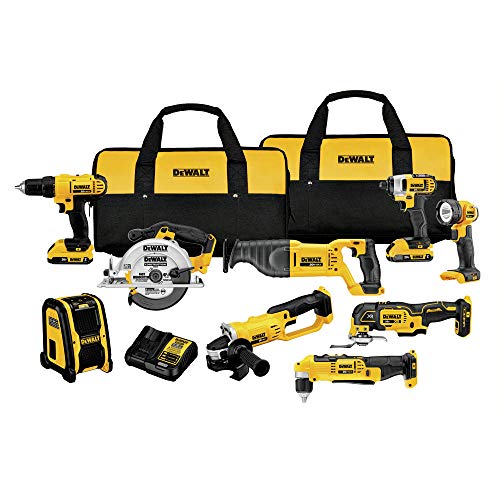
Power tools come in various shapes and sizes, each designed for specific tasks. Common types include drills, saws, sanders, and grinders. Cordless tools run on batteries, which might seem like a good match for solar charging. Corded tools, on the other hand, draw energy directly from an outlet, requiring a continuous power supply. Both types have different energy needs, affecting how they can be powered by solar energy.
Typical Power Consumption
Understanding the power consumption of your tools is key to determining if solar panels can meet their demands. Power consumption is usually measured in watts (W). A standard cordless drill might consume around 300-400 watts, while a table saw can use up to 1,800 watts. When you think about powering these with solar panels, consider the capacity of the panels and the battery storage. If you’re using a solar generator, note its output capacity and how many panels you have. Imagine trying to power a table saw with a small solar setup. If the setup can’t handle the 1,800 watts required, the saw won't run efficiently, or at all. Is it feasible to power all your tools with solar energy? You need to balance the power needs of your tools with the capacity of your solar setup. This knowledge will help you make informed decisions, ensuring you can work sustainably without interruption.
Matching Solar Output With Tool Requirements
Matching the solar output with the requirements of your power tools is key to ensuring efficient energy use. Imagine setting up your solar panel system only to find it can't handle your tools' power needs. It's a frustrating scenario that can be avoided with a bit of planning. Are you wondering how much solar power is needed to keep your tools running smoothly?
Calculating Solar Panel Capacity
Determine the wattage of your power tools first. Look at the label or user manual for this information. Once you know this, you can calculate the solar panel capacity needed. If your tool requires 500 watts, you’ll need solar panels that can produce at least this amount. Consider the sun's availability in your location. Solar panels might produce less power on cloudy days. Ensure your panels can meet your tools’ requirements in varying weather conditions.
Battery Storage And Inverters
Battery storage can be your lifesaver on days when the sun isn't shining. Batteries store excess solar power for later use. Choose a battery with enough capacity to cover your tools' energy needs when solar power is insufficient. An inverter is another crucial component. It converts the DC power from solar panels and batteries into AC power, which most tools use. Ensure the inverter’s capacity matches your tools’ requirements.
Have you ever had to pause a project because your power source failed? With the right battery and inverter setup, you won't have to worry about interruptions.
Are you ready to power your tools with solar energy efficiently? Matching solar output with tool requirements can transform your DIY projects into seamless operations. Dive into the details and ensure you’re equipped for success!
Benefits Of Using Solar For Power Tools
Using solar panels for power tools offers numerous advantages. Harnessing the sun's energy is an eco-friendly choice. It reduces dependence on traditional electricity. This sustainable option benefits both the environment and your wallet. Let's explore the key benefits.
Environmental Impact
Solar power is clean and renewable. It reduces carbon emissions. Traditional power sources often harm the environment. Solar panels generate energy without pollution. This helps protect the planet. Using solar for tools contributes to a greener future.
Cost Efficiency
Solar panels can lower electricity bills. After the initial setup, solar energy is free. Power tools can consume a lot of electricity. Solar energy offsets these costs. Over time, savings can be significant. Investing in solar power pays off.
Challenges And Limitations
Running power tools on solar panels has potential. But, there are challenges and limitations. Understanding these can help you make better choices. Let's explore some key factors.
Weather Dependency
Solar power relies on the sun. This makes it weather-dependent. Cloudy days reduce solar energy production. Rainy seasons can limit efficiency. This affects your ability to use power tools consistently. Weather conditions can be unpredictable. This makes planning difficult.
Initial Setup Costs
Solar panel systems can be costly. Initial setup requires investment. You need panels, batteries, and inverters. Costs can add up quickly. Some may find this barrier challenging. Over time, savings on electricity can offset costs. Yet, upfront expenses are significant.
Practical Setup Tips
Solar panels can power tools with the right setup. Choose panels with enough wattage to meet tool needs. Use a reliable inverter and battery storage for continuous power.
Harnessing solar power to run your power tools is not just eco-friendly; it's also a smart investment. Imagine working on your projects with the sun's energy driving your tools. But how do you set up such a system effectively? Here are some practical setup tips to ensure your solar-powered tool station is efficient and reliable.
Choosing The Right Equipment
Start by selecting the appropriate solar panels. The power needs of your tools dictate the size and number of panels you require. Consider panels with higher wattage if you're using heavy-duty tools like table saws. Invest in a reliable inverter to convert the solar energy into usable electricity for your tools. A pure sine wave inverter is often recommended for power tools to ensure they run smoothly. Don't forget about batteries. They store energy for later use, allowing you to work even when the sun isn't shining. Opt for high-capacity batteries to avoid interruptions during your projects.
Installation And Maintenance
Position your solar panels in a location with maximum sun exposure. Ensure they're angled correctly to capture the most sunlight throughout the day. Regularly clean the panels to maintain efficiency; dust and debris can reduce their effectiveness. Check the connections and wiring frequently. Loose or corroded connections can lead to power loss or even damage your equipment. Monitor your system's performance. Use a solar charge controller to manage the battery charging process and prevent overcharging. This extends the life of your batteries and keeps your setup running smoothly. Have you considered a backup plan? Even the best systems can face hiccups. Keep a small generator as a backup to ensure uninterrupted work sessions. By following these practical tips, you can enjoy the freedom and sustainability of running your power tools with solar energy. What projects will you tackle with this green setup?
Case Studies And Real-world Examples
Exploring solar panel case studies shows their power in running tools. Real-world examples highlight successful uses and challenges faced. Many find solar a practical solution for powering tools efficiently.
Are you wondering if solar panels can power your workshop tools? Let's dive into some case studies and real-world examples. These stories show both the successes and challenges faced by individuals and businesses who have taken the leap towards solar-powered tools.
Successful Solar-powered Workshops
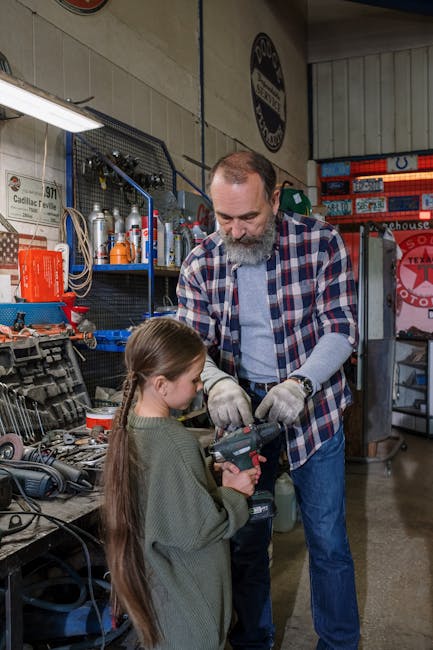
In a small town in Arizona, John, a passionate woodworker, decided to transition his workshop to solar power. He installed a 5kW solar panel system with batteries to store excess energy. His setup powered all his tools, including saws and drills, with ease. John shared that his electric bill dropped to nearly zero. He was thrilled with the savings and the independence from the grid. His experience proves that with proper planning, solar power can efficiently run power tools. In another instance, a community workshop in California successfully set up solar panels to support their shared space. They used a combination of solar panels and battery storage to run everything from sanders to lathes. Community members reported not only cost savings but also a sense of environmental responsibility.
Lessons Learned From Failures
Not every attempt is successful right away. Jane, a home DIY enthusiast, faced challenges when she first tried to run her power tools on solar energy. Her initial setup was underpowered. She realized that she needed more solar panels and a better battery system to meet her needs. Jane's story is a reminder to accurately assess your energy needs. It's crucial to match your solar setup with your tool's power requirements. She learned the hard way that a mismatch can lead to frustration and inefficiency. Another common issue is the misunderstanding of peak sunlight hours. Paul, an aspiring builder, underestimated the impact of cloudy days and short winter daylight hours. His tools would often run out of power mid-project. This taught him the importance of including battery storage to ensure a consistent power supply. These stories highlight the importance of proper planning and realistic expectations. Have you considered how a solar-powered system might work for your tools? What adjustments might you need to make to ensure success?
Frequently Asked Questions
Can Solar Panels Power Tools Efficiently?
Yes, solar panels can efficiently power tools, depending on their wattage and energy storage setup. Ensure your solar system can handle peak tool demands. A combination of high-capacity batteries and inverters is essential for optimal performance, especially for high-energy tools like saws or drills.
What Size Solar Panel For Power Tools?
The size of the solar panel depends on tool wattage and usage duration. Typically, larger panels (100W+) are preferred for continuous use. Calculate energy needs by multiplying tool wattage by hours of use. Ensure your solar panel setup can meet this demand to avoid interruptions.
Can Solar Panels Run High-wattage Tools?
Yes, solar panels can run high-wattage tools with proper setup. Use a powerful inverter and battery system to handle surges. Ensure solar panels can replenish battery storage quickly. This setup is ideal for tools like circular saws and angle grinders requiring high energy.
Do I Need Batteries With Solar Panels?
Yes, batteries are crucial when using solar panels for power tools. They store energy for consistent tool operation, even when sunlight is unavailable. Choose deep-cycle batteries for optimal performance. Ensure capacity matches tool energy demands to prevent downtime.
Conclusion
Running power tools on solar panels is possible. It offers eco-friendly benefits. Ensure your solar setup can handle the tool's energy needs. Calculate the power output and consumption. Use a reliable inverter for AC tools. Portable solar kits can help in remote areas.
Always check your battery storage capacity. This ensures efficient operation during cloudy days. Solar energy reduces electricity bills over time. It's a sustainable choice for the environment. Consider solar power for a cleaner, greener future. Make sure to consult professionals for the best setup.
Enjoy the benefits of renewable energy today.