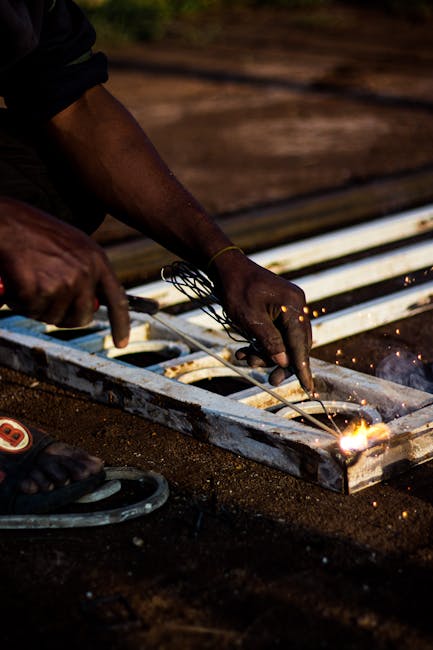
Have you ever noticed a spark in the motor area of your power tools? It can be quite alarming, right?
You're not alone in wondering if this is normal or a sign of trouble. Understanding the behavior of your power tools is crucial to ensuring safety and getting the most out of your equipment. We will delve into whether those sparks are a cause for concern or simply part of the tool's operation.
By the end, you'll have a clear understanding of what to look for and how to handle any issues that may arise. Stay tuned, because this could save you from a potential mishap and extend the life of your tools.
Common Causes Of Sparking
Power tools are crucial for DIY projects and professional work. Sometimes, users notice sparking in the motor area. This can be alarming. Not all sparks indicate a problem. Some are normal, while others need attention. Understanding the causes helps in knowing when to worry. Let’s explore the common causes of sparking in power tools.
Normal Sparking
Normal sparking occurs in many power tools. It happens due to the brushes contacting the commutator. This is part of the motor's regular operation. Light sparks are common and usually safe. They show the motor is working as intended. If sparks are minimal, there's likely no issue.
Faulty Wiring
Faulty wiring can cause excessive sparking. Wires might be loose or damaged. This interrupts the electrical flow. Sparks may appear larger or more frequent. It is important to check wiring regularly. Ensure all connections are secure and wires are intact.
Worn Brushes
Worn brushes are a common cause of sparking. Brushes wear out over time. They become less effective at conducting electricity. This leads to more intense sparks. Regular inspection of brushes is crucial. Replace them when they show signs of wear.
Identifying Dangerous Sparks
Power tools often spark near the motor due to brush contact with the commutator. Small sparks are normal. But large or constant sparks can signal danger, indicating worn brushes or electrical issues needing attention. Regular maintenance helps ensure safe operation.
Identifying Dangerous Sparks Power tools are essential for any DIY enthusiast or professional. But have you ever noticed sparks coming from the motor area and wondered if it’s normal? While some sparking is typical, excessive sparks can be a sign of a problem. Identifying dangerous sparks is crucial for ensuring your safety and prolonging the life of your tools. Let’s delve into the signs and what you need to watch out for.
Signs Of Excessive Sparking
Excessive sparking in power tools is a red flag. If your tool is producing a firework-like display, it’s time to stop and inspect. This could indicate worn-out brushes or a damaged commutator. Are your sparks accompanied by a burning smell or unusual noise? These are not to be ignored. Regular maintenance and timely replacement of parts can prevent these issues.
Unusual Noises
Listen closely to your tool. Is it louder than usual or making strange sounds? Unusual noises often mean something is off. Grinding or screeching sounds might suggest motor issues or loose components. If your tool sounds like it's struggling, it might be overworking due to internal damage. Take time to check the motor and bearings to avoid further complications.
Smoke Or Burning Smell
A smoking tool is a serious problem. If you notice smoke or a burning smell, shut off the tool immediately. These are clear signs that something is dangerously wrong, possibly overheating or electrical failure. Have you ever experienced this? It’s alarming, right? Ensuring your tool is in top condition before each use can prevent such scary moments. Take a moment to evaluate your power tools today. Are they in good shape, or showing signs of distress? Your safety and project success depend on it. Regular checks and maintenance can keep your tools running smoothly and safely.
Safety Precautions
Power tools might spark in the motor area due to brushes contacting the commutator. This is typically normal but monitoring is crucial. Always follow the manufacturer's guidelines for safety.
Ensuring safety when using power tools is crucial for both professionals and DIY enthusiasts. Sparks in the motor area can be alarming and might raise questions about the tool's safety. Understanding and implementing safety precautions can help you maintain your tools effectively and prevent accidents. Let’s dive into some essential practices to keep your power tools safe and functional.
Regular Maintenance
Regular maintenance is the backbone of tool safety. Just like you wouldn't drive a car without checking the oil, you shouldn't use power tools without routine checks. Make it a habit to clean dust and debris from the motor area after each use. This simple act can prevent overheating and reduce the risk of sparking. Consider setting a maintenance schedule. Maybe every month, take a few minutes to inspect cords, switches, and blades. Keeping tools sharp and well-lubricated ensures they work efficiently and safely. Regular maintenance prolongs the life of your tools and keeps you safe.
Proper Tool Handling
How you handle your power tools impacts their performance and your safety. Always read the user manual, even if you think you know how to use the tool. User manuals often contain crucial information about the specific model you're using. When handling tools, ensure they are turned off and unplugged before making any adjustments. It's a small step, but it prevents accidents. Keep a firm grip and maintain good balance when using tools. This not only improves accuracy but also helps prevent slipping, which could cause sparks or damage.
Inspecting For Damage
Before using any power tool, inspect it for visible damage. Check cords for frays and plugs for loose prongs. Damaged electrical components are a common cause of sparking and can lead to electrical shocks. Look at the tool's housing and motor area for cracks or wear. If something looks off, it might be time for a repair or replacement. Ignoring damage can lead to more significant problems, including tool failure or injury. Have you ever considered the consequences of ignoring small damages on your tools? A tiny crack today could be a costly repair tomorrow. Regular inspections give you peace of mind and keep your projects on track. By taking these safety precautions seriously, you're not just protecting your tools but also yourself. Next time you see a spark, you'll know exactly what to do. Are there any other safety tips you swear by? Share your experiences and let's keep our workshops safe together.
When To Seek Professional Help
Sparks in the motor area of power tools can signal a problem. Frequent or large sparks may indicate worn brushes or faulty wiring. Seeking professional help ensures safety and prevents further damage.
When a power tool sparks in the motor area, it might be a concern. While some sparking is normal, persistent or unusual sparks need attention. Knowing when to seek professional help can prevent further damage. It also ensures safety. Below are instances when expert advice is essential.
Persistent Issues
If sparks continue, it may indicate a problem. Regular sparking might mean worn-out brushes or armature. Ignoring these issues can lead to tool failure. Consistent sparking often requires expert repair. This ensures the tool's longevity and safety.
Electrical Malfunctions
Strange noises or smells can signal electrical issues. If the tool doesn't start or loses power, it's a warning sign. Electrical malfunctions can be dangerous. They might cause short circuits or fires. A professional can diagnose and fix these problems safely.
Warranty Considerations
Using a warranty can save money on repairs. Many power tools come with a warranty. It often covers manufacturing defects and repairs. Before fixing the tool yourself, check the warranty terms. Repairing it yourself might void the warranty. A professional service will maintain warranty validity.
Preventive Measures
Power tools sparking in the motor area can cause concern. To prevent unexpected issues and ensure safety, adopting preventive measures is crucial. These measures include selecting quality tools, proper storage, and regular maintenance. By following these steps, you can extend the life of your power tools and improve their performance.
Quality Tool Selection
Start with selecting high-quality power tools. Choose reputable brands known for safety and durability. High-quality tools often feature better components and build. They are less likely to develop issues like sparking. Spend time researching reviews before purchasing. This ensures you invest in reliable equipment.
Appropriate Storage
Store power tools in a dry, cool place. Moisture can damage electrical components, increasing spark risks. Use protective cases or toolboxes for added protection. Avoid stacking tools, which can lead to damage. Organized storage makes finding tools easier and keeps them safe.
Regular Cleaning
Regular cleaning keeps your power tools functioning well. Dust and debris can accumulate, causing sparks. Use a soft brush to clean motor areas gently. Check and clean air vents to prevent overheating. Inspect tools for wear and tear during cleaning. Address any issues immediately to avoid further damage.
Importance Of User Manuals
Understanding the importance of user manuals can be a game-changer when dealing with power tools. These guides are more than just booklets with tiny text; they hold the key to using your tool safely and effectively. Surprisingly, many people skip reading them altogether, missing out on crucial insights. Have you ever wondered why your power tool sparks in the motor area? The answer might just be in your user manual.
Understanding Tool Specifications
User manuals provide detailed tool specifications that are essential for proper usage. Specifications tell you about the power capacity, speed settings, and the type of tasks your tool can handle. Imagine trying to slice a loaf of bread with a chainsaw—you wouldn’t, right? Understanding your tool's specs helps you avoid similarly awkward and potentially dangerous situations. Don't skip this step; it can save you time and keep you safe.
Following Safety Guidelines
Safety guidelines in user manuals are there to protect you. These guidelines outline the do’s and don’ts, so you know exactly how to use the tool without risk. I once ignored a manual’s advice to wear safety goggles while sanding, and regretted it when a wood chip flew at my eye. Are you willing to take that risk? Stick to the safety recommendations to prevent accidents.
Troubleshooting Tips
Encountering issues like sparks in the motor area can be alarming, but user manuals often include troubleshooting sections to assist. They offer step-by-step solutions to common problems, potentially saving you a trip to the repair shop. Have you ever thought about how much money you could save by solving minor issues yourself? Check the troubleshooting tips before assuming the worst.
User manuals are not just optional reads; they're your first line of defense against improper tool usage. Make the effort to understand them, and you'll likely find that your tools work better and last longer. What will you discover in your user manual that you didn’t know before?
Frequently Asked Questions
Why Do Power Tools Spark In Motor Area?
Power tools may spark due to brush friction against the commutator. This is common in electric motors. However, excessive sparking may indicate worn brushes or electrical issues. Regular maintenance and inspection can prevent potential damage and ensure safe operation. Always consult the manufacturer’s guidelines for troubleshooting.
Is Sparking In Power Tools Dangerous?
Minor sparking is usually normal, but excessive sparking can be dangerous. It might lead to overheating or electrical faults. Ensure that the tool is properly maintained and inspected regularly. If excessive sparking occurs, stop using the tool and consult a professional for repairs.
How To Fix Sparking In Power Tools?
First, check the brushes and commutator for wear. Replace worn brushes and clean the commutator if needed. Regular maintenance can prevent sparking. If the issue persists, consult a professional for further inspection or repairs. Always follow the manufacturer's guidelines for maintenance procedures.
Can Sparking Damage The Power Tool?
Yes, excessive sparking can damage the tool's internal components. It may cause overheating or electrical faults. Regular maintenance is crucial to prevent damage. Address sparking issues promptly by inspecting and replacing worn parts. Consult a professional if necessary to ensure safe tool operation.
Conclusion
Power tools often spark in the motor area. This can be normal. Sparks occur due to electric brushes in the motor. Regular maintenance reduces excessive sparking risks. Keep tools clean for safety. If sparks seem unusual, check the tool. Look for wear or damage.
Replace parts if needed. A well-maintained tool lasts longer. Always prioritize safety. Read the manual carefully. Follow guidelines provided by the manufacturer. Understanding your tool's behavior can prevent accidents. Proper care ensures reliable performance. Stay informed and keep your tools in top condition.