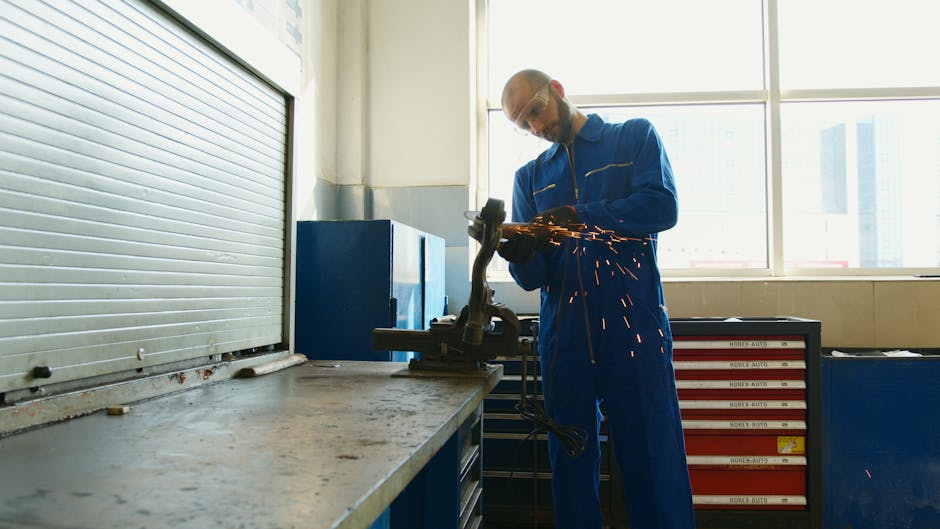
Using power tools can feel empowering and productive. However, without the right practices, they can quickly become hazardous.
Have you ever found yourself wondering how to operate these tools safely? Or perhaps you've had a close call that made you rethink your approach? You're not alone. Many people dive into projects with enthusiasm but overlook essential safety steps.
Imagine completing your project without a single mishap, feeling confident and secure with every move you make. By understanding safe practices, you not only protect yourself but also ensure the longevity of your tools. Dive into this article to discover how you can harness the full potential of your power tools while keeping safety at the forefront. Your safety is worth it. Let's make sure you're equipped with the knowledge you need.
Choosing The Right Power Tool
Using power tools safely demands attention and care. Always read the manual for proper operation. Wear protective gear like goggles and gloves to shield yourself from harm. Keep your work area clean and organized to prevent accidents. Regularly inspect tools for damage to ensure they function correctly.
Choosing the right power tool is crucial for any successful project. Whether you're a DIY enthusiast or a professional, the tool you select impacts your work quality and safety. Choosing a tool that matches your needs ensures efficiency and reduces risks.
Assessing Project Needs
Start by identifying your project requirements. Determine the tasks you need to complete. Is it drilling holes, cutting wood, or sanding surfaces? Each task requires a specific tool. Match your needs to the tool's function. This step helps in narrowing down the options. Consider the project's size and complexity. Bigger projects might need more powerful tools. For smaller tasks, a simpler tool might suffice.
Understanding Tool Specifications
Check the tool's specifications carefully. Look at power ratings, speed, and capacity. These details tell you how the tool performs. Higher power often means better performance. But it might also mean more weight. Consider the tool's weight and ergonomics. A lighter tool is easier to handle. Ergonomics affect comfort and control.
Selecting Appropriate Accessories
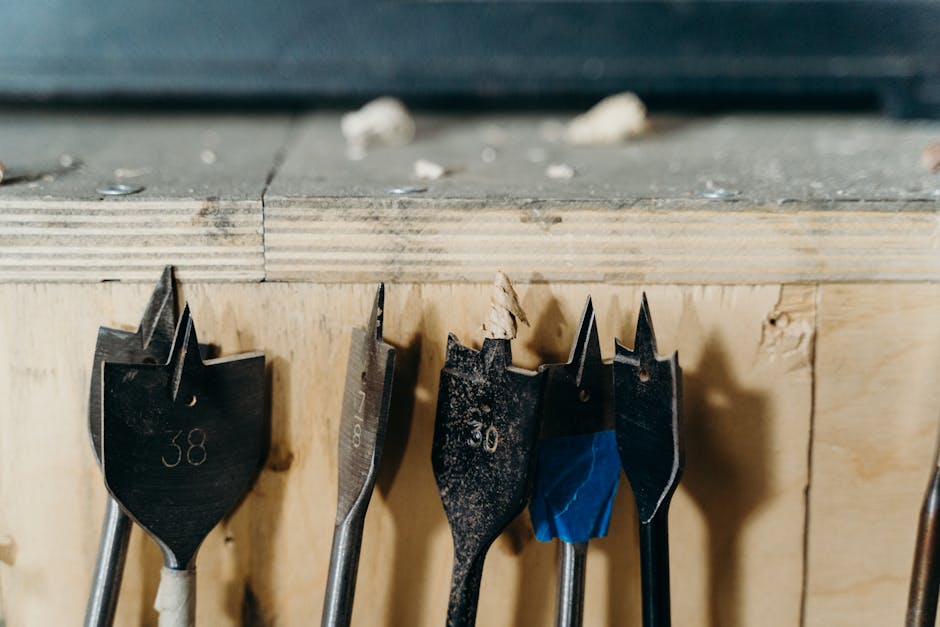
Accessories enhance tool functionality. Choose accessories that suit the tool and task. For a drill, select the right drill bits. For a saw, choose the appropriate blades. Ensure compatibility with your tool model. The right accessories improve efficiency and safety. Check accessory quality and durability. Reliable accessories last longer and perform better.
Preparing The Workspace
Setting up your workspace safely is crucial. Clear the area of clutter to prevent accidents. Use protective gear, like gloves and goggles, to shield yourself from debris. Check tools for damage before use and ensure they are unplugged when not in use.
Before you even pick up a power tool, preparing your workspace is crucial for ensuring your safety. A well-prepared workspace minimizes risks and enhances efficiency. How often have you tripped over clutter while carrying a heavy toolbox? It happens to the best of us. Taking a moment to set up your area properly can be the difference between a smooth project and a trip to the emergency room.
Ensuring Adequate Lighting
Good lighting is not just about seeing clearly; it's about safety. Dim or flickering lights can lead to mistakes, especially when working with sharp or fast-moving tools. Make sure your workspace is well-lit, and consider using portable lamps for extra brightness. Natural light is great, but don't rely on it entirely. As the day progresses, your light source can diminish, leaving you in the dark. A well-lit workspace helps you spot hazards before they become a problem.
Organizing Tools And Materials
An organized workspace is a safe workspace. Have you ever wasted time looking for a screwdriver buried under a pile of materials? Arrange your tools and materials so everything is within arm's reach. Use pegboards, toolboxes, or shelves to keep things tidy. Labeling your storage spaces can save you from digging around for a specific tool. The last thing you want is to grab the wrong tool in a hurry. Organizing your space not only saves time but also reduces frustration.
Clearing Obstructions
Clearing your workspace of obstructions is a straightforward yet often overlooked step. Loose wires, scrap materials, or even a misplaced chair can become tripping hazards. Walk through your workspace and remove any obstacles that could cause harm. Imagine working with a powerful saw and having to dodge a stray cord. It’s a recipe for disaster. Keep walkways clear and ensure you have ample room to move freely around your project area. Creating a safe workspace doesn't take long, but its impact is significant. What steps will you take today to make your workspace safer? By focusing on lighting, organization, and clearing obstructions, you set the stage for a successful and safe project.
Personal Protective Equipment
Using power tools demands a focus on safety. Protecting yourself is essential. Personal Protective Equipment (PPE) plays a crucial role. It guards against injuries. Wearing the right gear ensures safety and confidence. Here, we explore essential PPE for safe tool use.
Safety Goggles And Face Shields
Eye protection is vital. Power tools can send debris flying. Safety goggles shield your eyes from harm. They fit snugly, blocking dust and particles. For added protection, consider face shields. They cover more of your face. This reduces the risk of injury. Always choose quality materials for durability.
Gloves And Protective Clothing
Protect your hands with gloves. They guard against cuts and abrasions. Ensure gloves fit well. Loose gloves can be hazardous. Choose gloves based on the tool you use. Protective clothing is equally important. Wear long sleeves and pants. They shield your skin from flying debris. Avoid loose clothing. It can catch in moving parts.
Hearing Protection
Power tools can be loud. Prolonged exposure damages hearing. Use earplugs or earmuffs. They reduce noise impact. Choose comfortable options. You'll be more likely to wear them. Protecting your hearing is an investment. It ensures long-term well-being. Don't overlook this crucial aspect.
Power Tool Maintenance
Power tools are valuable assets for any DIY enthusiast or professional. Keeping them in good shape ensures efficiency and safety. Regular maintenance extends the life of your tools. It prevents unexpected malfunctions and keeps them running smoothly.
Regular Cleaning
Dust and debris accumulate on power tools. This buildup can lead to overheating. Wipe the tools down after each use. Use a soft cloth to remove dirt. Clean vents to prevent blockages. This simple step reduces wear and tear.
Inspecting For Damage
Check your tools for signs of damage. Cracks or loose parts can be dangerous. Before using, examine cords and plugs. Look for frayed wires. Ensure all parts are secure. Spotting issues early avoids accidents.
Lubrication And Calibration
Lubrication keeps moving parts functioning smoothly. Apply oil to hinges and bearings. This reduces friction and prevents rust. Calibration ensures accuracy in measurements. Adjust settings periodically. This maintains precision and performance.
Safe Operating Procedures
Power tools require safe practices to prevent accidents. Always wear protective gear and ensure tools are maintained properly. Follow manufacturer instructions and avoid distractions while operating.
Power tools are incredibly useful, yet they require careful handling to ensure safety. Whether you're a seasoned DIY enthusiast or a beginner, understanding safe operating procedures is crucial. These practices not only protect you but also extend the life of your tools. Let’s dive into some essential safe operating procedures that everyone should know.
Reading The Manual
Before you start using any power tool, take a moment to read its manual. It might seem tedious, but it’s a treasure trove of important information. The manual provides specific instructions and safety warnings that you need to be aware of. Understanding your tool’s capabilities and limitations can prevent accidents. Have you ever skipped reading the manual and ended up confused when something didn't work as expected? Don’t let that happen with power tools.
Proper Handling Techniques
How you hold and use a power tool can significantly impact your safety. Always maintain a firm grip and use both hands if possible. This not only gives you better control but also reduces the risk of accidents. Ensure your work area is clean and well-lit. A cluttered space can lead to slips or falls. Remember, using a power tool isn’t a race. Take your time to ensure each step is done safely and correctly.
Avoiding Distractions
Distractions can be dangerous when using power tools. A momentary lapse in concentration can lead to serious injuries. Make sure to work in a quiet environment where you can focus entirely on the task at hand. Have you ever tried to multitask while using a tool, only to realize it wasn’t a good idea? Keep your attention solely on the tool and what you’re doing. Ask yourself: Is there anything in your surroundings that could divert your focus? Adjust your environment to minimize these distractions. Engaging with power tools requires responsibility and awareness. By incorporating these safe operating procedures, you take a step towards ensuring your safety and that of others. Are you ready to make safety your priority?
Electrical Safety
Electricity is vital for power tools. But it can be dangerous. Understanding electrical safety is crucial. Protect yourself and your surroundings. Avoid accidents and injuries. Follow these practices to stay safe while using power tools.
Checking Power Sources
Always inspect your power source before use. Ensure it meets the tool's requirements. Look for frayed wires or damaged plugs. These can lead to shocks or fires. Replace any faulty components immediately. Regular checks prevent unexpected failures.
Using Ground Fault Circuit Interrupters
Ground Fault Circuit Interrupters (GFCIs) are essential. They protect you from electrical shock. Install them in areas with moisture. Bathrooms and garages need them. GFCIs detect leaks in electricity flow. They shut off the power quickly. This prevents shocks and keeps you safe.
Avoiding Overloading Circuits
Overloading circuits is risky. It can cause fires or tool damage. Know your circuit's capacity. Do not plug too many devices into one outlet. Use extension cords wisely. Check the amperage rating before use. Avoid using power strips for heavy tools. Spread the load across multiple circuits.
Storage And Transportation
Using power tools is essential for many tasks. Their correct storage and transportation are crucial for safety. Proper storage ensures tools stay in good condition. Safe transportation prevents accidents and damages. These practices are vital for both professionals and DIY enthusiasts. Let's explore effective ways to store and transport power tools safely.
Secure Storage Solutions
Store power tools in a dry, clean space. Use sturdy shelves or cabinets. Ensure they are high enough to prevent children from reaching. Lock cabinets for added safety. Organize tools neatly to avoid clutter. Use toolboxes with compartments for small parts. Label shelves for easy identification. Regularly check for rust or damage.
Safe Transportation Practices
Transport tools in durable cases. Use padded bags for delicate items. Secure them in vehicles to prevent movement. Avoid stacking heavy tools on lighter ones. Place larger tools at the bottom. Keep cords and accessories bundled. Ensure the vehicle is free from loose objects. Check that cases are closed properly before moving.
Preventing Accidental Activation
Unplug tools before storage or transportation. Use safety locks on switches. Ensure battery-powered tools are switched off. Store batteries separately from the tool. Inspect tool switches regularly for faults. Educate users on handling tools safely. Review manufacturer's safety guidelines. Take caution to prevent accidental starts.
Emergency Preparedness
Using power tools safely involves wearing protective gear like goggles and gloves. Regularly inspect tools for damage or defects. Maintain a clean workspace to prevent accidents and ensure proper ventilation.
Using power tools can be exhilarating, but it comes with its risks. Whether you're a seasoned pro or a weekend warrior, being prepared for emergencies is crucial. Imagine you're in the middle of a project, and suddenly, something goes wrong. Would you know what to do? Emergency preparedness is not just about having a first aid kit nearby; it's about knowing how to act swiftly and effectively in the event of an accident. Let's dive into the essential aspects of emergency readiness when handling power tools.
First Aid Knowledge
Do you know how to respond if someone gets injured? Having basic first aid knowledge can make a difference. Learn how to treat common injuries like cuts, burns, or electrical shocks. Take a first aid course if you haven't already. Even a simple online tutorial can equip you with life-saving skills. Knowing how to apply a bandage properly or perform CPR could be crucial. Keep a well-stocked first aid kit in your workspace. Ensure it includes essentials like antiseptics, bandages, and burn creams. Check it regularly to replace any used items.
Contacting Emergency Services
In a severe situation, knowing how to contact emergency services quickly is vital. Make sure your phone is charged and easily accessible. Memorize the local emergency numbers or have them posted visibly in your workspace. Seconds can matter, so don't waste time searching for contact details when every moment counts. Practice explaining your location and the nature of the emergency concisely. Clear communication can speed up response times and help emergency responders arrive prepared.
Reporting Incidents
Have you ever considered the importance of reporting incidents? It's not just about paperwork; it's about learning and prevention. Documenting accidents helps identify recurring issues and improve safety measures. Create a simple incident report form to record details like date, time, and what happened. Include witness statements if possible. This documentation can be invaluable for future safety training. Share these reports with your team or community. Discussing what went wrong can foster a culture of safety and awareness. Encourage everyone to report near-misses too. They can be valuable learning opportunities. By embracing these emergency preparedness practices, you not only protect yourself but also contribute to a safer environment for everyone involved. So, next time you pick up that power tool, ask yourself: Are you truly ready for the unexpected?
Frequently Asked Questions
What Are Basic Safety Tips For Power Tools?
Always read the manual before using any power tool. Wear appropriate personal protective equipment like gloves and goggles. Ensure the tool is in good working condition. Keep your workspace clean and free of hazards. Never bypass safety features or guards.
Stay focused and avoid distractions while operating power tools.
How To Maintain Power Tool Safety?
Regularly inspect tools for damage or wear. Clean tools after each use to prevent malfunctions. Replace worn-out parts immediately. Store tools in a dry, secure place. Charge batteries safely and according to the manufacturer's instructions. Follow all maintenance procedures outlined in the tool's manual.
Why Use Protective Gear With Power Tools?
Protective gear minimizes risks of injury from flying debris or accidental slips. Goggles shield your eyes from dust and particles. Gloves provide a better grip and protect your hands. Ear protection is vital in loud environments. Wearing proper footwear can prevent slips and falls.
Can Children Use Power Tools Safely?
Children should not operate power tools without supervision. Power tools can be dangerous and require maturity and understanding of safety practices. Always keep tools out of children's reach. Educate older children about the risks and proper use of power tools under adult supervision.
Conclusion
Using power tools safely is crucial for every DIY enthusiast. Always read the manual before use. Wear protective gear, like gloves and goggles. Check your tools for damage regularly. Keep your workspace organized and clutter-free. Practice good posture to avoid strain.
Never rush a job. Take breaks to stay sharp and focused. Teach others about safe practices too. This ensures a safer environment for everyone. Remember, safety first leads to successful projects. Happy and safe building!