Are you staring at those sleek aluminum panels, wondering how to cut them without the hassle of power tools? You’re not alone.
Many DIY enthusiasts and professionals find themselves in the same position. Aluminum is lightweight yet tough, making it a popular choice for various projects. But cutting it can be tricky if you don't have the right tools. Imagine having a hand tool that slices through aluminum like a hot knife through butter, leaving smooth edges and saving you time.
Curious about what this magic tool is? Stick around, because by the end of this article, you'll know exactly what hand tool can make your aluminum cutting tasks a breeze. Your projects deserve precision, and we’re here to guide you to the perfect solution.
Popular Hand Tools For Cutting Aluminum
Cutting aluminum panels by hand requires the right tools. These tools are essential for precise and efficient work. Selecting the right one depends on the project's needs. Here are some popular hand tools perfect for this task.
Tin Snips
Tin snips are a favorite for cutting aluminum. They resemble scissors but are stronger. They can cut through thin aluminum sheets with ease. There are different types of tin snips. Straight-cut, left-cut, and right-cut snips serve specific purposes. Choose the type based on the desired cut direction. Tin snips offer simplicity and control. They are perfect for small tasks or detailed work.
Hacksaw
A hacksaw is a versatile tool. It works well for cutting aluminum panels. It features a fine-toothed blade. This blade is designed for metal cutting. Using a hacksaw requires steady hands and patience. It delivers clean, straight cuts. Ideal for thicker aluminum panels. Regular blade replacement ensures smooth operation. Hacksaws are handy for both home and workshop use.
Jeweler's Saw
The jeweler's saw is another option. It's designed for intricate cuts. The frame holds thin, delicate blades. Perfect for detailed aluminum work. It allows for precision and creativity. This tool is excellent for decorative projects. The jeweler's saw requires practice. But it rewards with beautiful, detailed cuts. It's a must-have for artistic aluminum designs.
Choosing The Right Tool
Cutting aluminum panels requires precision. A jigsaw with a metal-cutting blade is ideal for this task. Its adjustable speed and control make it effective for smooth, accurate cuts.
Choosing the right tool to cut aluminum panels is crucial for both the quality of your work and your efficiency. The tool you select can affect the precision of your cuts, the finish of your panels, and even your safety. Whether you're a DIY enthusiast or a professional, understanding your options and their specific uses can make a significant difference. Have you ever started a project only to realize halfway through that the tool you're using isn't quite right? It's a common scenario that can lead to frustration and wasted materials. Let's explore the key factors to consider when choosing the best tool for cutting aluminum panels.
Material Thickness Considerations
The thickness of the aluminum panel you're working with plays a huge role in tool selection. Thin sheets, often used for decorative purposes, might only need a pair of sharp tin snips. These hand tools are affordable and perfect for small, simple projects. If you’re dealing with thicker panels, such as those used for structural components, you might need more power. A jigsaw with a fine-toothed blade can handle medium thickness, providing a good balance between precision and speed. For very thick panels, consider a circular saw with a metal-cutting blade. This option offers the power needed to make clean cuts through dense material. Always remember: the thicker the material, the more robust your tool should be.
Precision And Finish
Precision and finish are vital, especially if the cut edges will be visible. For intricate designs or detailed cuts, a rotary tool can offer excellent control. Its small size allows you to work on detailed projects with ease. A personal experience: I once used a rotary tool to cut out a complex design on a panel for a garden project. The precision was unmatched, and the final product looked professional. If your project requires straight, smooth edges, a table saw with a carbide-tipped blade can provide a top-notch finish. This tool ensures the edges are clean, reducing the need for additional sanding or finishing. However, if the finish isn't your primary concern, or if you plan to cover the edges later, a simple hacksaw can suffice for rough cuts. It's cost-effective and readily available in most workshops. Choosing the right tool requires you to balance your project's needs with the tools you have available. Consider the material's thickness and desired finish before making a decision. Have you assessed all these factors for your next project?
Tool Features To Look For
Essential features for cutting aluminum panels include sharpness, durability, and ease of use. Tools should offer precise cuts and be comfortable to handle.
When you're choosing a hand tool to cut aluminum panels, it's essential to focus on specific features that can make your job easier and more efficient. Aluminum is a versatile material, often used in DIY projects and professional settings alike. Selecting the right tool can ensure clean cuts and reduce the risk of damage to your panels. Let's dive into some key tool features you should consider.
Blade Quality
The blade is the heart of any cutting tool. You need a blade that can handle the toughness of aluminum without dulling quickly. Look for high-quality steel blades, preferably with a coating that resists corrosion. This will not only prolong the blade's life but also maintain its sharpness over time. Think about the blade's teeth. Finer teeth are ideal for smoother cuts, which is crucial if you're working on a detailed project. Have you ever tried using a dull blade? It's frustrating and often results in jagged edges. Investing in a good blade can save you time and hassle.
Handle Design
Comfort is key when you're cutting aluminum panels, especially if you're working on a large project. An ergonomic handle can make a world of difference. Look for handles with soft grips that reduce hand fatigue and improve control. Consider the tool's weight distribution. A well-balanced tool feels natural in your hand, making it easier to guide through cuts. Have you ever noticed how a poorly balanced tool can strain your wrist? A comfortable handle design helps you work longer without discomfort. These features can significantly impact your tool's performance and your experience. Have you found any particular features that transformed your cutting tasks? Share your insights and tips with fellow readers in the comments below.
Safety Tips When Using Hand Tools
When cutting aluminum panels with hand tools, safety is crucial. Proper precautions prevent injuries and ensure smooth operation. Following safety tips helps protect you and enhances efficiency. This section outlines essential safety practices.
Protective Gear
Wear protective gear to shield yourself from potential harm. Goggles safeguard your eyes from flying debris. Gloves protect your hands from sharp edges and tool vibrations. Choose sturdy footwear to guard against falling objects. Ear protection is vital if the tool is noisy.
Safe Handling Practices
Grip the tool firmly for better control and precision. Keep your workspace tidy to avoid tripping hazards. Always cut away from your body to prevent injuries. Ensure the tool is in good condition before use. Regular maintenance avoids unexpected malfunctions.
Maintenance And Care Of Tools
Cutting aluminum panels requires the right hand tool. A hacksaw is a great choice for precision cuts. Its sharp blade easily slices through aluminum, ensuring clean edges and smooth finishes. Regular maintenance keeps the hacksaw effective, prolonging its lifespan and performance in cutting tasks.
Maintaining and caring for your hand tools is essential if you want them to last longer and perform efficiently. Tools that cut aluminum panels, like tin snips, hacksaws, and aviation snips, need regular attention to ensure they stay sharp and ready for action. Neglecting these tools can lead to poor performance and may even damage your workpieces.
Regular Cleaning
After using your tools, it's crucial to clean them properly. Wipe off any aluminum shavings and debris using a soft cloth. This prevents buildup that can dull the blades and reduce effectiveness. For stubborn grime, a gentle scrub with soapy water can do wonders. Just ensure tools are thoroughly dried afterward to prevent rust. Have you checked your tools for dirt lately?
Proper Storage
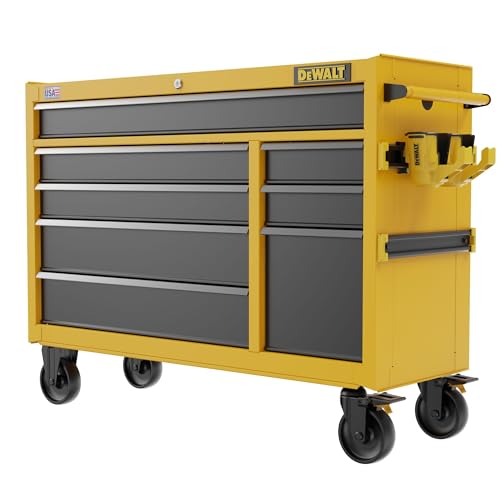
Storing your tools properly is just as important as cleaning them. Keep them in a dry area to prevent moisture accumulation, which can lead to rust. Consider using a toolbox with compartments to keep tools organized and easily accessible. This not only protects them but also saves you time when you need a specific tool. Using a pegboard or magnetic strip on your garage wall can also be a space-saving storage solution. How do you currently store your tools, and is it working for you? Taking a few minutes to clean and store your tools can extend their lifespan significantly. You’ll thank yourself the next time you need to cut through aluminum with ease.
Alternative Cutting Methods
Aluminum panels can be cut with a variety of hand tools. A hacksaw offers precision with its fine-toothed blade. Tin snips are another option for smoother, faster cuts. Both tools are affordable and easy to use for non-professionals.
Cutting aluminum panels can seem daunting, especially if you’re unsure about the right tools to use. While traditional hand tools can do the job, alternative cutting methods can make the process easier and more efficient. Whether you’re a DIY enthusiast or someone tackling a one-time project, understanding these alternatives can save you time and frustration.
Power Tools Vs. Hand Tools
When cutting aluminum panels, the choice between power tools and hand tools can impact your efficiency and results. Power tools like circular saws equipped with metal-cutting blades offer speed and precision. They slice through aluminum with ease, leaving clean edges and minimizing manual effort. Hand tools, such as tin snips or hacksaws, are more suited for small tasks or for those who prefer a quieter, more controlled approach. They require more physical effort and time but can be more accessible for beginners. Consider the scale of your project to decide which option suits your needs best.
When To Opt For A Professional Service
Sometimes, despite your best efforts, you might find cutting aluminum panels challenging. In such cases, hiring a professional service can be a wise decision. Professional services have specialized tools and expertise to ensure precision and quality. If your project involves intricate designs or large-scale cutting, professionals can deliver results that might be difficult to achieve on your own. While it might seem like an added expense, the peace of mind and quality output can be worth it. Have you ever spent hours on a task only to realize a professional could’ve done it better and faster? Choosing the right method for cutting aluminum panels involves understanding your project's requirements and your own capabilities. Whether you go for power tools, hand tools, or a professional service, each option has its own merits. What's your preferred method for cutting aluminum panels?
Frequently Asked Questions
What Tool Is Best For Cutting Aluminum Panels?
A jigsaw with a metal-cutting blade is ideal for cutting aluminum panels. It provides precision and control, making it suitable for various shapes and sizes. Ensure you use a lubricant to prevent overheating and ensure a smooth cut.
Can A Hacksaw Cut Aluminum Effectively?
Yes, a hacksaw can cut aluminum effectively, especially for thinner panels. Use a fine-toothed blade designed for metal cutting. Ensure steady pressure and consistent strokes to achieve a clean, accurate cut without damaging the panel.
Is A Circular Saw Suitable For Aluminum Panels?
A circular saw can cut aluminum panels efficiently, particularly thicker ones. Use a carbide-tipped blade for clean cuts. Ensure you secure the panel properly and wear safety gear to protect yourself from flying debris during cutting.
Do I Need Special Blades For Aluminum Cutting?
Yes, special blades are necessary for aluminum cutting. Use blades designed specifically for metal to prevent chipping and ensure smooth cuts. These blades have more teeth, allowing for cleaner cuts and better control while cutting aluminum panels.
Conclusion
Choosing the right tool for cutting aluminum panels is crucial. Consider the thickness and type of panel first. Tin snips are perfect for thin sheets. For thicker panels, a jigsaw or circular saw works well. Always prioritize safety when handling these tools.
Wear protective gear like gloves and goggles. Proper technique ensures a clean cut. Practice makes perfect—try cutting on scrap pieces first. Remember, patience is key to achieving the best results. With these tips, cutting aluminum panels becomes straightforward and efficient.
Your projects will look professional and polished. Happy cutting!