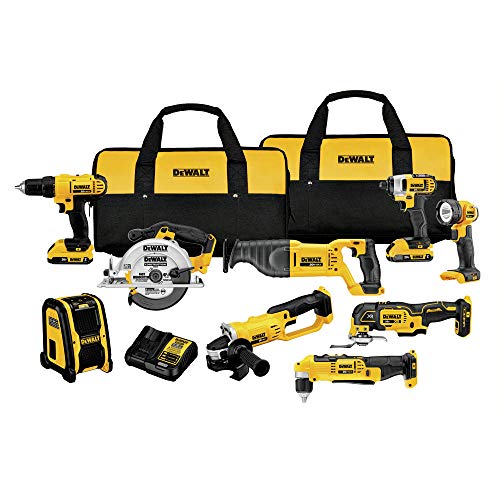
Imagine you're in the middle of a project, ready to bring your creative vision to life, and then it hits you—your power tools need a reliable energy source. Whether you're working on a home renovation or a DIY masterpiece, having the right inverter is essential.
But how do you determine what size inverter you need to run your power tools efficiently? This is a common dilemma that can make or break your project momentum. We’ll guide you through the process of selecting the perfect inverter size, ensuring your tools run smoothly and your work stays uninterrupted.
Understanding these key details can save you time, money, and the frustration of trial and error. Keep reading to discover the straightforward steps to power up your projects with confidence.
Choosing The Right Inverter Size
Choosing the right inverter size is crucial for powering tools effectively. Power tools demand specific wattage to operate smoothly. Having the correct inverter ensures uninterrupted performance and safety. Understanding wattage requirements and inverter capabilities is key.
Understanding Wattage Requirements
Each power tool has a distinct wattage need. Check the manufacturer's label for this information. It tells you the maximum power draw of the tool. Knowing this helps in selecting an appropriate inverter.
Calculating Total Power Demand
List all the tools you plan to use simultaneously. Add their wattage together. This gives the total power demand for your setup. Ensure your inverter can handle this total wattage.
Considering Surge Power
Power tools often require extra power at startup. This is known as surge power. Your inverter must handle both running and surge power. Choose an inverter that lists surge wattage in its specifications.
Evaluating Continuous Power Rating
Continuous power rating is vital for stable operation. It indicates the inverter's ability to supply power consistently. Match your tools' running wattage with the inverter's continuous rating.
Factor In Efficiency Loss
Inverters lose some power during conversion. Efficiency loss means not all input wattage becomes output. Choose an inverter with high efficiency to minimize loss. This maximizes power delivery to your tools.
Choosing Inverter Type
Inverter types vary in functionality. Pure sine wave inverters provide clean power. They suit sensitive tools better. Modified sine wave inverters are more affordable but less compatible with certain tools.
Understanding Power Requirements
Understanding power requirements is crucial when choosing the right inverter for your power tools. Have you ever found yourself on a job site, eager to start your project, only to realize your inverter can't handle your tools? It's frustrating, right? Knowing what size inverter you need can save you time and hassle. Let's dive into how you can make informed decisions by understanding your tools' wattage and the difference between starting and running watts.
Identifying Tool Wattage
Knowing your tools' wattage is the first step in determining the inverter size you need. Check the labels on your tools; they often list the wattage required for operation. If you can't find it, look up the specifications online. It's essential to add up the wattage of all tools you plan to use simultaneously. A table saw might need 1,500 watts, while a drill could require 600 watts. If you plan to use both, you'll need an inverter that can handle at least 2,100 watts. Have you checked your tool's wattage lately?
Considering Starting And Running Watts
Inverters must accommodate both starting watts and running watts. Starting watts are the initial surge of power needed to start a tool. Running watts are what keeps it running. Some tools, like air compressors, need significantly more starting watts than running watts. It’s vital to select an inverter that can handle the higher starting wattage. If your circular saw needs 2,000 starting watts but only 1,500 running watts, choose an inverter that supports the peak demand. Have you ever underestimated the starting watts and faced a delay?
Understanding these concepts ensures you won't be left in the lurch when powering your tools. You’ll be prepared and confident that your tools will run smoothly. Consider these power requirements seriously, and you’ll find yourself more productive and less frustrated.
Types Of Power Tools And Their Needs
Understanding the types of power tools and their specific needs is crucial when determining the size of inverter required to run them efficiently. Different tools demand varying power capacities, and knowing these requirements helps in making informed decisions. From handheld tools to stationary equipment, each category comes with its own set of considerations.
Handheld Tools
Handheld tools like drills, saws, and grinders typically have lower power requirements compared to larger equipment. They are portable and often used for quick jobs. For example, a cordless drill usually demands between 300 to 500 watts. You may think that choosing an inverter for these tools is straightforward, but it's important to consider the startup power, which can be double the running watts. Have you ever started a project and realized your drill wasn't getting enough juice from the inverter? That’s why accounting for the startup surge is key.
Stationary Equipment
Stationary equipment like table saws and compressors are heavy-duty and demand significantly more power. These tools often require an inverter that can handle between 1500 to 3000 watts or more. Imagine setting up for a woodworking project and your table saw won't start because the inverter can’t provide the necessary power. Frustrating, right? Always check the wattage rating of your stationary tools and ensure your inverter can handle both the startup and running power. It’s a good idea to list down your tools with their power needs; a table might help:
| Power Tool | Running Watts | Startup Watts |
|---|---|---|
| Cordless Drill | 300-500 | 600-1000 |
| Table Saw | 1800 | 3600 |
| Air Compressor | 1500 | 3000 |
By understanding these needs, you can avoid the hassle of inadequate power supply and ensure your tools run smoothly. So, what size inverter do you need to power your tools effectively? The answer lies in knowing your tools and their power requirements. Consider each tool individually and plan accordingly to make your projects a success.
Calculating Inverter Capacity
Determining the right inverter size for power tools requires understanding their wattage needs. Most tools have specific power requirements. Ensure the inverter's capacity exceeds the tools' combined wattage for smooth operation.
Calculating the right inverter capacity for running power tools can seem daunting. But with a little guidance, it's easier than you might think. It’s all about understanding your tool's wattage needs and adding a buffer for safety.
Summing Tool Wattage
Start by listing all the power tools you plan to use with the inverter. Each tool will have a wattage requirement, which is typically labeled on the tool or in its manual. For example, a standard drill might require 800 watts, while a circular saw could need up to 1400 watts. Add up the wattages of all the tools you plan to run simultaneously. It's like planning a road trip; you wouldn’t set off without knowing how much fuel you’ll need.
Adding Safety Margins
Once you have the total wattage, it's crucial to add a safety margin. Power tools can sometimes draw more power than their listed wattage, especially at startup. A good rule of thumb is to add 20-30% more to your total wattage to ensure the inverter can handle any unexpected surges. Imagine the frustration of your tools shutting down just when you’re in the groove. Better to be safe and prepared. By calculating carefully, you can ensure your inverter won’t let you down when it matters most. Have you ever been caught off guard by a power outage while working? Planning ahead makes all the difference.
Inverter Features To Consider
Choosing the right inverter for power tools involves more than just size. Consider the features that make an inverter reliable and efficient. These features play a crucial role in ensuring the smooth operation of your tools. Let's explore some key inverter features you should keep in mind.
Pure Sine Wave Vs. Modified Sine Wave
Inverters come in two types: pure sine wave and modified sine wave. Pure sine wave inverters produce cleaner power. This type is similar to the electricity from your home outlets. It ensures the safe operation of sensitive devices. Modified sine wave inverters are less expensive. They work for simple tools, but not all devices are compatible. Choose wisely based on your tool requirements.
Portability And Durability
Consider the portability of your inverter. A lightweight inverter is easier to move around. Ideal for job sites or places with limited access. Durability is equally important. Look for inverters with a sturdy build. This ensures they withstand wear and tear. A robust inverter lasts longer and handles tough conditions. Always prioritize durability to avoid frequent replacements.
Installation And Setup Tips
Setting up your inverter to run power tools can seem daunting, but with the right tips, you can make it a smooth process. Proper installation ensures your tools work efficiently and safely. As someone who has faced the frustration of a poorly set-up inverter, I can tell you firsthand how crucial these steps are. Let’s dive into some practical advice on getting your inverter ready for action.
Connecting Tools Safely
Ensuring safety is paramount when connecting your tools to an inverter. Double-check the wattage requirements of your tools against the inverter’s capacity. This step prevents overloads and potential damage.
Use quality extension cords that can handle the current. A cheap cord might save money initially, but it can lead to overheating and even fires.
Think about the location of your setup. Are there any water sources nearby? Avoid areas prone to moisture to prevent electrical hazards.
Ensuring Proper Ventilation
Ventilation is key to the efficient operation of your inverter. Without it, you risk overheating, which can lead to malfunctions or permanent damage.
Place your inverter in a well-ventilated area. If it's in a closed space, consider adding fans or vents to ensure air circulation.
How often do you check the heat levels of your equipment? Regular checks can prevent issues before they start. It's a simple habit that saves time and money.
Remember, the way you install and set up your inverter affects its performance. With these tips, you can keep your power tools running smoothly and safely. What installation challenges have you faced, and how did you overcome them? Share your thoughts!
Troubleshooting Common Issues
Troubleshooting common issues with power tool inverters can be daunting. Understanding these problems improves efficiency and prolongs tool life. Let's explore two frequent issues: overload problems and battery compatibility.
Overload Problems
Overload problems occur when tools demand more power than the inverter can supply. This often leads to overheating or tool shutdowns. Check the inverter's wattage rating before use. Ensure it matches the power tool's requirements. If the tool needs more power, consider a higher wattage inverter. Use only one tool at a time to avoid overload.
Battery Compatibility
Battery compatibility issues can hinder inverter performance. Not all batteries work with every inverter. Ensure your battery voltage matches the inverter's rating. Mismatched voltage may cause poor performance or damage. Use recommended batteries to ensure smooth operation. Always check manufacturer guidelines for the best results.
Recommendations And Best Practices
Choosing the right size inverter to run power tools is crucial for efficiency and safety. You don't want to end up in the middle of a project only to find out your inverter can't handle the load. Recommendations and best practices can save you from these headaches. Let's dive into specific brand and model suggestions and maintenance advice to make sure your inverter is up to the task.
Brand And Model Suggestions
Picking the right inverter can feel overwhelming with so many options out there. But certain brands stand out for their reliability and performance.
- Honda EU2200i:Known for its durability, this model is perfect for those who need a portable and powerful solution.
- Champion 3100-Watt:Offers a great balance between price and performance, ideal for running small to medium-sized power tools.
- Yamaha EF2400iSHC:This model is appreciated for its quiet operation and efficiency, making it a favorite among DIY enthusiasts.
These brands have been trusted by many users, including myself. Once, during a house renovation, the Honda EU2200i saved me from a potential disaster when my main power source failed. Consider what tools you'll be using most frequently and how much power they require when selecting your inverter.
Maintenance Advice
Once you've chosen your inverter, keeping it in tip-top shape is essential. Regular maintenance can prevent unexpected breakdowns and extend the lifespan of your device.
Start by cleaning the inverter's exterior regularly to prevent dust and debris build-up. Make sure you check the connections and wires for any signs of wear or damage.
It's wise to run the inverter periodically even when it's not in use. This helps keep the engine in good condition. I learned this the hard way when my inverter wouldn't start after a long storage period.
Ask yourself: How often do you maintain your tools? Just like your power tools, your inverter needs regular attention. Simple steps like these can save you money and ensure your projects run smoothly.
Frequently Asked Questions
What Size Inverter For Power Tool Use?
To determine the inverter size for power tools, check the tool's wattage requirements. Most tools need 1500 to 3000 watts. Multiply the tool's voltage by its amperage to get watts. Ensure the inverter's continuous wattage rating meets or exceeds this figure for optimal performance.
Can A 1000-watt Inverter Run Power Tools?
A 1000-watt inverter can run small power tools. Tools like drills or lights are suitable. Always check the tool's wattage requirements before use. For larger tools, higher wattage inverters are necessary to ensure efficient operation without overload.
How To Calculate Inverter Size For Tools?
Calculate inverter size by multiplying tool voltage and amperage. This gives you the wattage requirement. Ensure the inverter's continuous wattage rating matches or exceeds this number. Consider a safety margin for startup surges, especially for tools with motors.
Is A Pure Sine Wave Inverter Necessary?
A pure sine wave inverter is recommended for power tools. It provides clean and stable power. This type reduces the risk of damage and ensures efficient tool operation. Modified sine wave inverters can cause overheating and inconsistent performance.
Conclusion
Choosing the right inverter size is crucial for your power tools. Consider the power needs of each tool. Add a safety margin to avoid overloads. Match the inverter to your tools' wattage. Portable inverters offer flexibility for various tasks. Ensure your inverter can handle start-up surges.
This protects both tools and the inverter. Proper selection ensures efficiency and safety. Double-check your calculations for peace of mind. With the right inverter, power tools work effectively. Enjoy seamless operation in your projects.