When you're working with power tools, safety should be your top priority. You've probably heard different opinions about whether or not you should wear gloves.
Some say they protect your hands, while others argue they could be dangerous. This simple yet crucial decision can impact your safety and efficiency. Are you confident in the choice you're making? Understanding the pros and cons can make all the difference.
Dive into this article to uncover the truth behind wearing gloves with power tools, and ensure your hands are as safe as possible while you work. Your safety is in your hands, literally!
Benefits Of Wearing Gloves
Using power tools can be risky. Wearing gloves offers several benefits. They enhance safety and comfort during tasks. Gloves act as a shield, protecting your hands from harm. They also improve grip and control, helping you handle tools better. Additionally, gloves serve as a barrier against harmful chemicals.
Protection From Cuts And Abrasions
Power tools have sharp edges. Gloves protect your hands from cuts. They also prevent abrasions from rough surfaces. Your skin stays safe from sudden slips. Gloves are especially useful during long tasks. They reduce the risk of injury.
Improved Grip And Control
Handling tools requires a firm grip. Gloves enhance your hold on tools. They prevent slipping and improve control. This helps in precise work. You can work confidently with better grip. It reduces fatigue and enhances efficiency.
Barrier Against Chemicals
Many tasks involve chemicals. Gloves protect your skin from harmful substances. They act as a barrier against irritants. This reduces skin reactions. Wearing gloves keeps your hands safe. Your skin remains healthy and unaffected.
Risks Of Wearing Gloves
When handling power tools, safety is paramount. However, wearing gloves while using these tools can pose certain risks that you might not be aware of. Understanding these risks can help you make more informed decisions about your safety gear.
Potential For Glove Entanglement
One of the biggest risks is glove entanglement. Power tools often have moving parts, and loose glove fabric can get caught in these mechanisms. Imagine the sudden jerk of a glove being pulled into a rotating blade; it’s a scenario you definitely want to avoid.
To minimize this risk, always inspect your gloves for any loose threads or frayed edges. A simple check can save you from a potentially dangerous situation. Have you ever had a close call with glove entanglement?
Reduced Tactile Sensation
Wearing gloves can dull your sense of touch, reducing tactile sensation. When you're using power tools, feeling the material you're working with is crucial. Gloves can create a barrier that makes it difficult to gauge pressure or grip.
Try to notice the difference by wearing gloves on one hand and not the other. Does it feel like you've lost some connection with the tool? This diminished sensation can affect your precision and control, making your work less accurate.
Impact On Dexterity
Gloves can also impact your dexterity. This can make tasks like adjusting small screws or manipulating tiny components more challenging. Think about trying to tie your shoelaces while wearing mittens—it’s not easy.
You might find yourself fumbling or taking longer to complete tasks, which can be frustrating and potentially dangerous. Consider whether the protection gloves offer outweighs the dexterity you might need for the job at hand.
Power tools require respect and caution. Do gloves increase your safety, or do they add risks you hadn’t considered? Evaluate both the benefits and drawbacks of wearing gloves, and make a choice that keeps you safe and efficient.
Types Of Gloves For Power Tools
Understanding the importance of safety, gloves offer protection when using power tools. Various types include cut-resistant, leather, and anti-vibration gloves, each designed to suit specific tasks. Choosing the right gloves enhances safety and efficiency while operating power tools.
When working with power tools, you might wonder if gloves are necessary. Choosing the right type can make all the difference in safety and comfort. Different gloves offer unique benefits, so understanding their features helps you make informed decisions. Let's dive into the types of gloves for power tools.
Cut-resistant Gloves
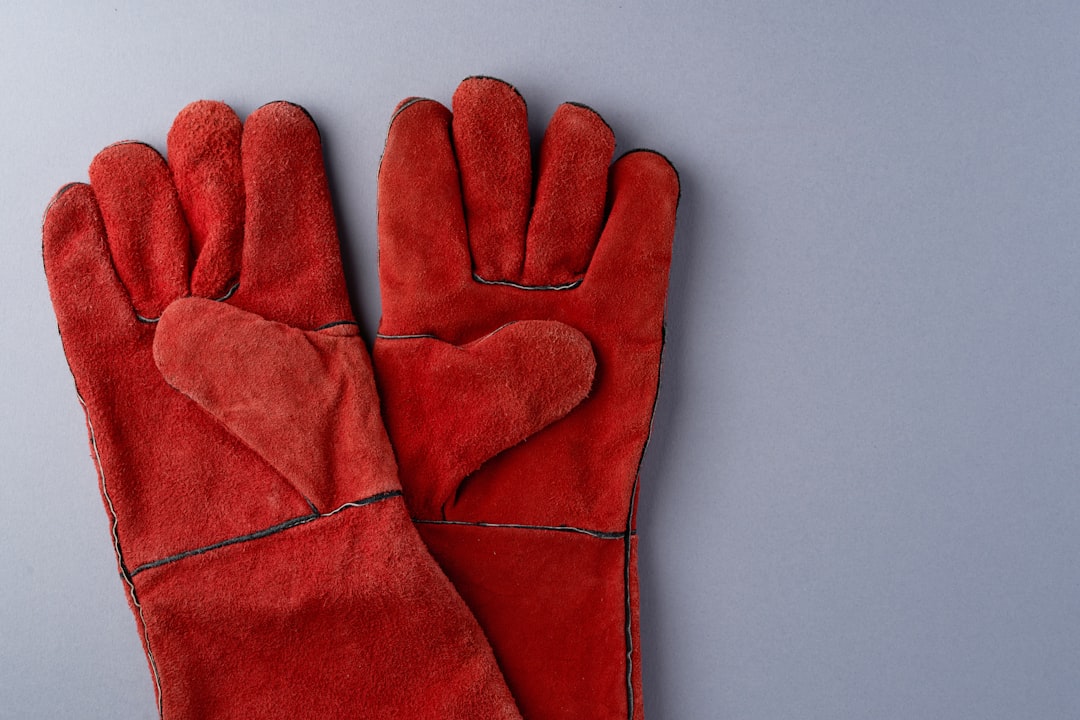
Cut-resistant gloves are essential when working with sharp tools or materials. These gloves provide a protective barrier that reduces the risk of cuts and lacerations. Made from materials like Kevlar or stainless steel mesh, they offer both flexibility and durability. Imagine you're handling a circular saw. A cut-resistant glove can be a lifesaver, literally. It allows you to maintain a firm grip while minimizing the risk of injury.
Anti-vibration Gloves
Power tools like chainsaws or jackhammers can cause hand fatigue from vibrations. Anti-vibration gloves are designed to absorb these vibrations, reducing strain. They feature padded palms and are often made from materials like gel or foam. If you've ever felt the tingling sensation in your hands after using a power drill, you know how uncomfortable it can be. Anti-vibration gloves help prevent this, allowing you to work longer and with more precision.
Chemical-resistant Gloves
Sometimes power tools involve the use of chemicals, such as solvents or adhesives. Chemical-resistant gloves protect your skin from harmful substances. They are typically made from materials like nitrile or latex, offering a waterproof barrier. Consider a scenario where you're cleaning tools with a strong solvent. Without proper protection, your hands could suffer irritation or burns. Chemical-resistant gloves provide a safe shield, letting you focus on the task without worry. Choosing the right gloves enhances both safety and efficiency. Whether you're a seasoned DIY enthusiast or just starting out, the right pair of gloves can make your projects safer and more enjoyable. What type of gloves will you be reaching for next time you pick up a power tool?
When To Avoid Wearing Gloves
Wearing gloves with power tools can be risky. Loose material might catch in moving parts. This can lead to accidents. Always prioritize safety.
When using power tools, safety is a top priority. Gloves often offer protection. But sometimes, wearing gloves can pose a risk. Knowing when to avoid them is crucial. Let's explore some situations where gloves are not advisable.
High-speed Rotating Tools
Power tools with high-speed rotating parts can be dangerous. Drills and lathes are examples. Gloves can get caught in these tools easily. This can lead to serious injury. It's best to avoid gloves with these tools. Bare hands offer better control and safety.
Tools With Exposed Blades
Exposed blades pose a unique hazard. Saws and grinders fall into this category. Gloves can snag on the blades. This increases the risk of cuts or worse. Working without gloves here is safer. It minimizes the chance of accidents.
Situations Requiring Precision
Precision is key in many tasks. Gloves may hinder your dexterity. Handling small parts becomes difficult. Accurate work needs a steady hand. Gloves can make your grip less firm. For tasks needing precision, bare hands are better. They allow for finer control.
Safety Tips For Glove Use
Wearing gloves while using power tools can be a double-edged sword. They offer protection but can also pose risks. Understanding how to wear gloves safely is crucial. Proper glove use can prevent accidents and ensure comfort. Here are some essential safety tips for wearing gloves with power tools.
Choosing The Right Glove Material
Select a glove material that suits the task. Leather gloves offer excellent protection. They are durable and resist cuts. Cotton gloves provide comfort and breathability. Rubber gloves protect against chemicals and liquids. Each material serves a specific purpose. Choose according to the tool and environment.
Ensuring Proper Fit
Gloves must fit well to ensure safety. Loose gloves can catch in moving parts. Tight gloves restrict movement and cause discomfort. Test the fit by flexing your fingers. Ensure there is no excess material. A snug fit enhances control and safety.
Regular Inspection And Maintenance
Inspect gloves regularly for wear and tear. Look for holes, frays, and weak spots. Damaged gloves offer little protection. Clean gloves as per material requirements. Dirty gloves can cause skin irritation. Replace gloves that show signs of damage. Regular maintenance extends glove life.
Alternatives To Gloves
When handling power tools, safety is a top priority. While gloves are often recommended, they might not always be the best option due to the risk of getting caught in machinery. So, what can you do to protect your hands without compromising safety? Let's explore some alternatives to gloves that can offer both protection and ease of use.
Using Push Sticks And Jigs
Push sticks and jigs are fantastic tools for keeping your hands at a safe distance from blades and moving parts. They are especially useful when working with table saws and routers. Imagine you're cutting a narrow piece of wood; a push stick allows you to guide it through the saw without getting your fingers near the blade.
Try crafting your own jigs tailored to specific tasks. This personalized approach not only enhances safety but also improves precision in your projects. Have you ever had a close call while cutting small parts? Using a jig might just be the solution you need.
Employing Safety Guards
Safety guards are essential components on many power tools. They act as barriers between your hands and the dangerous parts of the machine. Have you ever wondered why they are adjustable? It's to cater to different sizes and shapes of materials, ensuring maximum protection.
Take the time to adjust and use these guards correctly. They are there for your safety. Skipping this step can lead to avoidable accidents. Have you checked your tool's guard lately?
Wearing Fingerless Gloves
Fingerless gloves can be a compromise between protection and flexibility. They allow you to maintain dexterity while providing some coverage to your palms and wrists. Think of them as a second skin that doesn't hinder your movements.
Consider situations where you need a firm grip and tactile feedback. Fingerless gloves might offer the balance you're looking for. Have you tried them during intricate tasks that require precision and control?
Alternatives to gloves can provide the necessary protection without sacrificing safety. By using these methods, you ensure your hands are safe and your projects precise. Which alternative will you try next? Your safety is in your hands!
Frequently Asked Questions
Is Wearing Gloves With Power Tools Safe?
Wearing gloves with power tools isn't always safe. Gloves can get caught in moving parts, leading to injuries. It's essential to evaluate the specific tool and task before deciding. For some tools, like chainsaws, wearing gloves is crucial. Always follow the manufacturer's guidelines for the safest operation.
What Type Of Gloves Should I Wear?
The type of gloves you choose depends on the tool and task. For general protection, use cut-resistant gloves. For tasks involving vibration, anti-vibration gloves are recommended. Always ensure gloves fit snugly and are appropriate for the specific power tool you are using.
Can Gloves Improve Grip On Power Tools?
Yes, gloves can improve grip on power tools by providing extra friction and reducing sweat. However, ensure that the gloves don't compromise dexterity or get caught in the tool. Choose gloves designed specifically for gripping, like those with rubberized or textured palms.
Are There Power Tools That Require Gloves?
Yes, certain power tools require gloves for safety. Tools like chainsaws, sanders, and grinders often need gloves to protect against debris and vibrations. Always check the manufacturer's safety recommendations to determine if gloves are necessary for your specific tool.
Conclusion
Deciding to wear gloves with power tools requires careful thought. Safety is crucial. Gloves can protect your hands from cuts and scratches. But they might also reduce your grip. This can be dangerous. Always consider the task and tool type.
Read the tool's manual for safety advice. Some jobs need gloves, others don't. Choose wisely. Protect your hands but maintain control. Your safety is the priority. Proper judgment ensures safe use of power tools. Remember to balance protection and grip.
Stay safe, and work smart.