
Are you ready to unlock the power of electrical tools and transform your DIY projects? Whether you're a seasoned handyman or a curious beginner, understanding how to use these tools safely and effectively can open up a world of possibilities.
Imagine effortlessly tackling repairs, upgrades, and creative projects in your home, all with the confidence that comes from knowing you have the right skills. But how do you ensure you're using these powerful tools correctly? In this guide, you'll discover simple tips and tricks that will make you a master of electrical tools.
Don't let confusion or fear hold you back. Dive in, and let’s get started on your journey to becoming a DIY expert!
Essential Electrical Tools
Working with electrical tools requires precision and safety. Knowing the essential tools can make any electrical task easier and safer. Whether you're a beginner or have some experience, understanding these tools is crucial. Each tool has a specific purpose and function. Let's explore some of these essential electrical tools.
Screwdrivers And Pliers
Screwdrivers are basic yet vital tools for electrical work. They help tighten or loosen screws. Electricians often use insulated screwdrivers to prevent shocks. Pliers are another key tool. They grip, twist, or cut wires effortlessly. Needle-nose pliers are useful for reaching tight spaces. Lineman's pliers cut heavy wires easily. Always choose the right size for the job.
Wire Strippers And Cutters
Wire strippers are essential for removing insulation from wires. They expose the wire for connections. Using the right size prevents damage to the wire. Wire cutters are used for cutting wires to length. They ensure a clean cut. This is important for safety and proper connections. These tools often come in multi-functional designs.
Multimeters And Testers
Multimeters are versatile tools for measuring voltage, current, and resistance. They help diagnose electrical problems quickly. Digital multimeters are user-friendly and accurate. Testers are used to check the presence of voltage. They ensure circuits are safe to work on. Non-contact voltage testers are popular for their safety features. They alert you without touching the wires.
Safety First
Always prioritize safety by wearing protective gear and checking tools for damage. Follow instructions and ensure power sources are off before use.
When you're diving into the world of electrical tools, prioritizing safety can be a game-changer. It’s easy to get caught up in the excitement of a new project, but an oversight in safety can lead to avoidable mishaps. Let’s dive into some essential safety measures that will keep you protected and your projects running smoothly.
Protective Gear
Begin your task by gearing up with the right protective equipment. Always wear safety goggles to prevent any debris from entering your eyes while cutting or drilling. Gloves are crucial too, but ensure they are rubber-insulated to avoid electrical shocks. A personal experience that sticks with me involves a friend who decided to forgo gloves. A minor slip led to a small shock, but it was a stark reminder of why protective gear is non-negotiable. Consider what might happen if you don’t wear the right gear. A minor mistake can lead to a major injury, so suit up!
Handling Live Wires
Handling live wires demands your full attention. Always ensure the power is off before you start working. Double-check with a voltage tester to confirm there's no electricity flowing through the wires. A simple oversight can lead to a dangerous electric shock. Picture this: you’re ready to fix a switch, and you forget to turn off the breaker. One touch, and you’re in a world of trouble. Stay vigilant and make checking power sources a habit. It’s a small step that can prevent significant risks.
Avoiding Common Hazards
Electrical tools, while incredibly useful, come with their own set of hazards. Avoid using tools in wet or damp environments to prevent electrocution. Inspect your tools regularly for any signs of wear or damage. Think about your last project. Did you pause to inspect your tools? A frayed cord or a cracked handle can lead to accidents. Keep your work area organized, and store tools properly. Ask yourself: is my workspace safe for both me and my tools? Taking these precautions can keep you and your environment secure. Safety isn't just about following rules; it's about making smart choices that protect you and those around you. Are you ready to make safety your top priority?
Basic Techniques
Mastering basic techniques with electrical tools is a game-changer for any DIY enthusiast or professional. It’s not just about handling tools; it’s about understanding their functions and applying them effectively. Whether you're fixing a simple circuit or working on a complex project, knowing these techniques will enhance your skills and ensure safety.
Stripping And Cutting Wires
Stripping and cutting wires are foundational skills. Always use sharp wire strippers for clean and precise cuts. This prevents damage to the wire core, maintaining conductivity. Can you imagine dealing with a faulty connection just because the wire wasn’t stripped correctly?
To strip a wire, gently squeeze the stripper around the insulation and pull. Ensure you’re cutting only the insulation, not the wire itself. Practice on spare wires to perfect your technique. Have you ever tried stripping wires with scissors? It’s tempting but risky!
Testing Voltage And Continuity
Testing voltage and continuity ensures your connections are safe and functional. A multimeter is your best friend here. It helps verify if current is flowing through a wire or device.
Set your multimeter to the correct setting before testing. For voltage, you’ll need to connect probes to your circuit. Continuity testing checks if a circuit is complete. Have you ever wondered why your device isn’t working? It might be a continuity issue.
Connecting And Securing Wires
Properly connecting and securing wires prevents accidents and ensures efficient current flow. Use wire nuts or terminal blocks to join wires securely. Make sure connections are tight to avoid sparking or overheating.
Always double-check connections. Loose wires can lead to serious problems. Have you ever felt a wire getting warm? That’s a sign of a bad connection. Secure wires with cable ties or clips to keep them organized and reduce clutter.
These techniques are simple yet crucial. Master them, and you'll handle electrical tools like a pro. Are you ready to elevate your skills and ensure safety in your projects?
Maintenance Tips
Safely handle electrical tools by keeping them clean and dry. Regularly inspect for damaged cords or parts. Ensure all tools are powered off before maintenance.
Maintaining your electrical tools is crucial for their longevity. Proper maintenance ensures safety and efficiency. Regular upkeep prevents costly repairs and replacements. Follow these simple tips to keep your tools in top shape.
Cleaning Your Tools
Dirt and debris affect tool performance. Wipe your tools with a clean cloth after use. Use a soft brush for hard-to-reach spots. Avoid water as it can cause rust. For stubborn grime, use specialized cleaning sprays. Always dry your tools completely.
Regular Inspections
Check your tools before each use. Look for signs of wear and tear. Inspect cords for fraying or damage. Ensure all parts are secure and functioning. Regular inspections prevent accidents. Replace damaged parts promptly.
Proper Storage Solutions
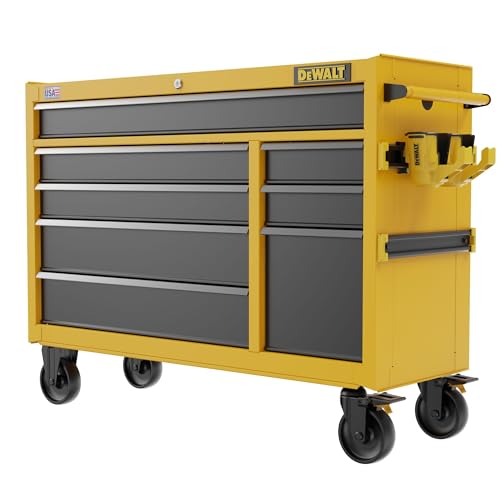
Store tools in a dry, cool place. Moisture causes rust and damage. Use a toolbox or cabinet for organization. Keep tools away from children and pets. Arrange them neatly for easy access. Label storage spaces for efficiency.
Troubleshooting Common Issues
Mastering the use of electrical tools requires understanding common issues. Misconnections or faulty wiring often lead to tool malfunctions. Always check connections and power sources before starting any project.
Troubleshooting electrical tools can feel challenging. But it becomes easier with some guidance. Understanding common issues can save time and effort. Many problems stem from simple faults. Let's dive into some frequent issues and solutions.
Identifying Faulty Connections
Faulty connections can cause many tool problems. Check the plug and cord first. Make sure the plug fits securely in the outlet. Inspect the cord for any visible damage. Loose wires can lead to malfunction. Tighten any loose connections carefully. Use insulated tools to avoid shocks. Ensure all parts are correctly joined.
Addressing Circuit Breaker Trips
Circuit breaker trips often halt work. Check if the breaker is overloaded. Too many devices can cause tripping. Unplug some items to reduce load. Reset the breaker after checking. Ensure your tool's power rating matches the circuit. If tripping continues, consult an electrician.
Resolving Inconsistent Power Flow
Inconsistent power can disrupt tasks. Ensure the outlet provides stable power. Test the outlet with a multimeter. Inspect the tool's internal wiring. Damaged wires can cause power loss. Replace any worn-out components. Clean any dust from the tool's vents. Good airflow prevents overheating.
Advanced Tips For Efficiency
Using electrical tools with skill enhances both safety and efficiency. Advanced tips can save time and improve precision. Understanding these techniques helps in achieving high-quality results. Let's explore some advanced tips for efficiency.
Time-saving Techniques
Plan your tasks before starting. This reduces wasted time. Organize tools for easy access. Use tools with multi-functions to reduce tool changes. Invest in cordless tools for better mobility. Label wires and components clearly. This avoids confusion during work.
Enhancing Precision
Choose the right tool for the job. This ensures accurate results. Calibrate tools regularly to maintain precision. Use guides and templates to ensure straight cuts. Always measure twice before cutting. Work in a well-lit area to improve accuracy. Keep tools clean and in good condition.
Using Advanced Tools
Consider using digital tools for complex tasks. They offer better control. Laser guides can enhance cutting precision. Use oscillating tools for versatility in tight spaces. Invest in a good multimeter for electrical measurements. Advanced tools increase efficiency and accuracy.
Frequently Asked Questions
How Do I Start Using Electrical Tools Safely?
To start using electrical tools safely, read the manual carefully. Wear protective gear like gloves and goggles. Ensure the tool is in good condition and properly grounded. Always work in a dry area and keep a safe distance from water sources.
Turn off the tool when not in use.
What Are Essential Safety Tips For Electrical Tools?
Essential safety tips include inspecting tools for damage before use. Avoid using electrical tools in wet conditions. Always unplug tools when changing accessories. Keep cords away from heat and sharp edges. Wear appropriate personal protective equipment, such as gloves and goggles, to minimize risks.
How Can I Maintain Electrical Tools Effectively?
To maintain electrical tools effectively, clean them regularly after use. Check for worn-out parts and replace them promptly. Lubricate moving parts to ensure smooth operation. Store tools in a dry, safe place to prevent rust. Follow manufacturer guidelines for maintenance schedules.
Why Should I Use Protective Gear With Electrical Tools?
Using protective gear reduces the risk of injuries from electrical tools. Gloves protect your hands from cuts and shocks. Goggles shield your eyes from debris and sparks. Ear protection is essential for loud tools. Proper gear ensures safer operation and enhances your safety.
Conclusion
Mastering electrical tools requires practice and patience. Always prioritize safety above all. Know your tools well. Read manuals carefully. Wear protective gear. Keep your workspace organized and clean. Practice makes progress. With time, you'll become more confident and skilled. Remember, safety is key.
Stay informed and updated. Regularly check tools for damage. Replace or repair when needed. Share your knowledge with others. Help them stay safe too. Be patient with yourself. Learning takes time. Enjoy the process and keep improving. Your skills will grow with consistent effort.
Keep exploring new techniques. Expand your knowledge. Stay safe and enjoy your projects!