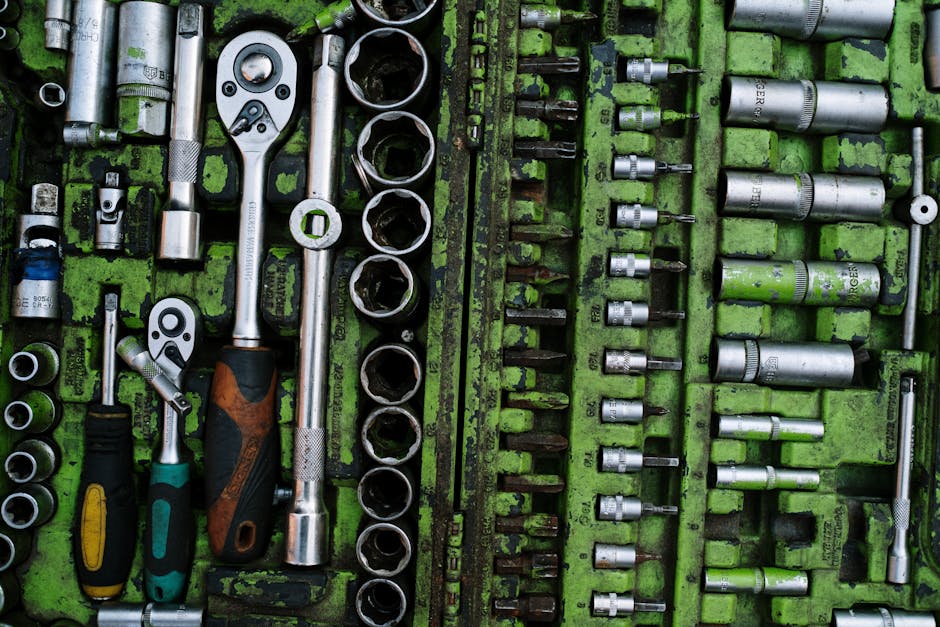
Are you tired of rummaging through piles of tools every time you need to fix something or start a new project? Imagine having all your tools neatly organized and within arm's reach.
A tool storage board could be your ultimate solution. Not only does it help you keep your tools in order, but it also saves you time and frustration. This guide will show you how to make a tool storage board that transforms your workspace into a haven of efficiency.
You'll discover simple steps and tips to create a custom tool board that suits your unique needs. Ready to reclaim your workspace and boost your productivity? Keep reading to learn how to make this practical and satisfying addition to your workshop.
Choosing The Right Materials
Creating a tool storage board starts with choosing the right materials. The materials you select will impact durability and functionality. They also affect the board's appearance. Let's explore some great options for your tool storage board.
Wood Options
Wood is a popular choice for tool boards. It's sturdy and easy to work with. Plywood and MDF are common options. Plywood is strong and holds screws well. MDF offers a smooth surface and is cost-effective. Both can be painted or stained for a custom look.
Metal Choices
Metal tool boards are excellent for durability. They resist wear and tear. Steel and aluminum are top choices. Steel is robust and handles heavy tools. Aluminum is lightweight and resists rust. Metal boards often come with pre-drilled holes for easy installation.
Alternative Materials
Consider using pegboard or plastic for a lightweight option. Pegboard is versatile and allows for easy rearrangement. It's available in different colors and finishes. Plastic tool boards are weather-resistant. They work well in garages or outdoor spaces. Both options offer flexibility and ease of use.
Essential Tools For Construction
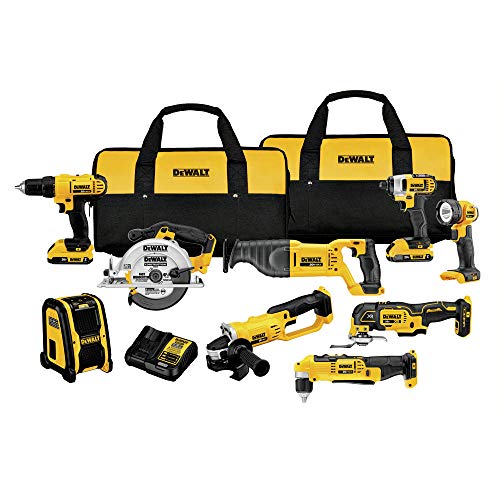
Crafting a tool storage board helps keep essential construction tools organized and easily accessible. Mount a sturdy board on the wall, then attach hooks and shelves to store hammers, screwdrivers, and wrenches. This setup saves time and enhances efficiency during construction projects.
Creating a tool storage board is a rewarding project that offers both practicality and organization to your workspace. It all starts with gathering the essential tools for construction. These tools not only help you build your board efficiently but also ensure it serves its purpose effectively. Let's delve into the must-have tools you’ll need.
Measuring Tools
Accuracy is the cornerstone of any successful project. Measuring tools like a tape measure and a carpenter's square are crucial. They help you determine the dimensions of your board and ensure everything fits perfectly. Using a tape measure, you can quickly assess the length and width of the area you plan to install your storage board. A carpenter’s square ensures your cuts are precise and your angles are perfect. Have you ever tried fixing a crooked shelf? It’s frustrating, right? Proper measuring tools prevent such mishaps, saving you time and effort in the long run.
Cutting Equipment
Cutting is an inevitable part of constructing a tool storage board. A handsaw or a circular saw can be your best friends here. They allow you to cut wood or other materials to the desired size. A handsaw is perfect for smaller, detailed cuts. It’s easy to control and doesn’t require electricity. On the other hand, a circular saw is ideal for larger projects where speed is a factor. When I first made my tool board, I underestimated the importance of a sharp blade. A dull blade not only slows you down but can also lead to uneven cuts. Always check and maintain your cutting equipment.
Fastening Devices
Once your pieces are cut, it's time to assemble them. Fastening devices like drills, screws, and nails are indispensable. They hold everything together, ensuring your storage board is sturdy and reliable. A drill makes the process of attaching screws much faster and more efficient. It's especially handy for thicker materials. Nails are great for quick fixes and smaller projects. Have you ever tried to hang something heavy on a weak board? It’s risky and could lead to accidents. Using the right fastening devices ensures your board is not only functional but also safe. Constructing a tool storage board doesn’t have to be daunting. With the right tools, you can create a space that is both organized and efficient. So, are you ready to start your project and transform your workspace?
Designing Your Layout
Creating a tool storage board starts with planning your layout. Arrange tools by size and frequency of use. Use pegboards or hooks to maximize space and keep tools accessible.
Designing your layout is a crucial step in creating a tool storage board that not only looks great but also works efficiently. Imagine being able to find your hammer or screwdriver without rummaging through piles of clutter. It's all about organizing your tools in a way that makes sense and saves time. Let's dive into the steps to craft a layout that suits your needs and keeps your workspace tidy.
Assessing Your Tool Collection
Start by taking stock of your tools. Do you have a dozen screwdrivers, or perhaps a collection of wrenches? Knowing what you have will help you plan where everything should go. Consider the tools you use most frequently and those you rarely touch. Are there any tools that have special storage needs? A bulky drill might need more space than a set of pliers. By understanding your collection, you can prioritize which tools need prime spots on your board.
Planning The Arrangement
Once you know what tools you have, think about how you use them. Do you always reach for a certain tool first? Placing frequently used tools within easy reach can make your workflow smoother. Think about grouping similar tools together. Imagine how much easier it would be if all your measuring tools were in one spot. This can save you time and reduce the frustration of hunting down scattered items.
Creating A Sketch
Grab a piece of paper and sketch out your ideas. This doesn't have to be a masterpiece; it's about visualizing your layout. Draw rough outlines of your tools and play with different arrangements. Try different layouts until you find one that feels right. You might discover a more efficient way to store your tools than you initially thought. If you’re like me, you'll enjoy the creative process as you see your vision come to life. Have you considered leaving space for future tools? A little foresight can save you from having to redo your board when your collection grows. So, what would your ideal tool board look like?
Cutting And Preparing The Board
Start by measuring and marking the wood board to fit your space. Cut the board using a saw, ensuring smooth edges. Preparing the board this way sets the foundation for your tool storage project.
Cutting and preparing the board is a crucial step in making a tool storage board. This phase ensures your board fits perfectly in your workspace. Proper preparation makes the installation process smooth and hassle-free. Below, you will find a detailed guide on how to measure, cut, and finish your board effectively.
Measuring And Marking
Start by measuring the area where the board will be placed. Use a tape measure for accuracy. Record the height and width in a notebook. Mark these dimensions on your board using a pencil. Double-check your measurements to avoid errors.
Cutting Techniques
Select a suitable saw for cutting the board. A circular saw works best for straight cuts. Secure the board on a stable surface with clamps. Follow your marked lines carefully. Keep your hands away from the blade. Wear safety goggles to protect your eyes.
Sanding And Finishing
After cutting, sand the edges of the board. Use medium-grit sandpaper for a smooth finish. Sanding removes splinters and rough edges. Once smooth, wipe the board with a damp cloth. This removes dust and debris. You can apply a wood finish for a polished look. Let it dry completely before installation.
Installing Hooks And Holders
Create a tidy tool storage board by installing hooks and holders. Arrange tools neatly for easy access and organization. Make your workspace efficient and clutter-free with simple steps.
When organizing your tools, a tool storage board can be a game-changer. Installing hooks and holders is an essential part of this process. These components will help you keep your tools easily accessible and neatly arranged. Let’s dive into how to choose and install them effectively.
Choosing The Right Hooks
Selecting the appropriate hooks is crucial for a functional tool storage board. Consider the weight and size of the tools you plan to hang. For heavier tools like hammers or wrenches, opt for sturdy metal hooks. Think about versatility. Adjustable hooks can accommodate different tool sizes and shapes. It's a smart investment for a dynamic workspace.
Placement And Spacing
Strategic placement of hooks and holders is key. Arrange them based on your workflow and tool frequency. Keep frequently used tools within easy reach. Maintain adequate spacing to avoid overcrowding. This ensures tools are easy to grab and return. Test different layouts before finalizing positions.
Securing To The Board
Secure the hooks firmly to prevent accidents. Use screws or mounting hardware suitable for your board material. Safety should be your top priority. Check the stability of each hook after installation. Give them a gentle tug to ensure they’re secure. This step can save you from future frustration. Installing hooks and holders can transform your tool storage board. As you set things up, remember the time you struggled to find a screwdriver amidst clutter. Now, picture your tools neatly arranged, each in its dedicated spot. Isn't that a relief? Take the time to thoughtfully install your hooks and holders. It’s a small effort for a big payoff in organization and efficiency.
Mounting The Board
Mount the board securely on the wall to create a practical tool storage solution. Use sturdy brackets or screws for stability. Ensure the board is level to keep your tools organized and easily accessible.
Mounting the board is a crucial step in creating a tool storage board that is both functional and secure. This phase determines how easily you can access your tools and how safe they are when stored. Proper mounting ensures that your tools remain organized and your workspace stays clutter-free. Let's dive into the essentials of mounting your tool storage board with confidence and precision.
Selecting The Location
Choosing the right spot for your tool storage board can make or break its usefulness. Look for a location that is easily accessible yet out of the way of foot traffic. This might be on a garage wall, in a workshop, or even a garden shed. Consider the height and width of the board. Can you reach all parts of it comfortably? Think about the tools you use most often and ensure they are within arm's reach. A poorly chosen location could lead to frustration and reduced efficiency.
Wall Anchoring Methods
A solid anchoring method is essential for a stable tool board. Depending on your wall type, you might need different anchors. For drywall, plastic anchors or toggle bolts are reliable options. Concrete walls might require masonry anchors. Make sure you have the right tools on hand, like a drill and appropriate drill bits. Securely anchored boards prevent accidents and ensure your tools stay where you need them. Are you confident in your anchoring choice?
Safety Precautions
Safety should never be an afterthought when mounting your tool storage board. Always wear protective gear such as safety glasses and gloves. This minimizes the risk of injury from flying debris or sharp tools. Ensure your ladder or step stool is stable when working at heights. Clear the area of any tripping hazards. Following these precautions not only keeps you safe but also ensures a smooth and stress-free mounting process. Taking the time to mount your tool storage board properly can enhance your DIY projects and streamline your workspace. Have you considered all the factors for a successful installation?
Organizing Your Tools
Organizing your tools is key for a tidy workspace. A tool storage board can help you keep everything in order. It makes finding and using tools easy. Let's dive into some effective organizing strategies.
Grouping By Function
Start by grouping tools based on their function. Keep all your hammers together. Place screwdrivers in one section. This method speeds up your work. It saves time searching for the right tool.
Labeling And Identification
Labels are your best friend. Use clear labels for each tool group. A simple label can make a big difference. It helps you identify tools at a glance. Consider using pictures for easy recognition.
Maintaining Order
Keep your tool board neat. Return each tool to its spot after use. This habit prevents clutter. It ensures your workspace remains organized. Regular checks help maintain order. It allows you to spot missing tools quickly.
Personalizing Your Storage Board
Crafting your own tool storage board transforms organization. Start with a sturdy board and arrange tools for easy access. Customize by adding labels and hooks to keep everything tidy and within reach.
Creating a tool storage board can be a practical solution to organizing your workspace, but why not make it a reflection of your personality too? Personalizing your storage board allows you to blend functionality with style, ensuring your space is not only tidy but also inspiring. Think of it as an opportunity to infuse creativity into a typically mundane task, turning it into something uniquely yours.
Adding Decorative Elements
Start with colors and patterns that make you happy. Whether it’s a bold color that energizes you or a pattern that speaks to your artistic side, paint is an easy way to transform a plain board into a statement piece. You can also use stencils to add designs or inspirational quotes to keep you motivated. Consider adding some textured elements like a corkboard section for pinning notes or reminders. This not only adds visual interest but also functionality. Adding small frames or decorative hooks can also elevate the look of your board.
Customizing For Specific Needs
Think about what tools you use most often and where you'd like them to be. If you're an avid gardener, you might want to add slots or hooks for your pruning shears and gloves. A DIY enthusiast might prioritize space for drills and hammers. You can customize the size and shape of slots or hooks based on your tools. If you have a unique item like a vintage wrench handed down from your grandfather, create a special spot for it. This gives your board a personal touch and tells a story about your interests and history.
Incorporating Storage Solutions
Consider integrating different storage options to maximize space. Pegboards are versatile, allowing you to easily rearrange hooks and holders as your tool collection evolves. Magnetic strips can hold metal tools securely and keep them within easy reach. Shelves or small bins can be added to hold items that can't be hung, like screws and nails. Use clear jars for small items to keep them visible and organized. Reflect on your current storage challenges—could adding a few small baskets or trays solve the problem? Personalizing your storage board isn’t just about aesthetics; it’s about creating a space that works for you and makes your daily tasks a little more enjoyable. How will you make your tool board reflect who you are?
Frequently Asked Questions
What Materials Are Needed For A Tool Storage Board?
To create a tool storage board, you'll need a pegboard, hooks, screws, a drill, and a level. Choose a sturdy material like wood or metal for durability. Ensure the board is large enough to accommodate your tools. Additionally, consider using a frame for added support and aesthetic appeal.
How Do I Install A Tool Storage Board?
Begin by marking the wall where you want to install the board. Use a level to ensure it’s straight. Drill holes into the wall and secure the board with screws. Attach hooks and other accessories to organize your tools efficiently.
Ensure the board is securely mounted to handle the weight.
Can I Customize My Tool Storage Board?
Yes, you can easily customize your tool storage board. Choose hooks and accessories that fit your tools. Paint or decorate the board to match your workspace. Arrange tools according to frequency of use for convenience. Add shelves or bins for additional storage options, enhancing functionality and aesthetics.
How Do I Maintain A Tool Storage Board?
Regularly check the board for loose screws or hooks. Tighten them as needed to maintain stability. Clean the board by wiping it with a damp cloth. Organize tools periodically to keep the workspace tidy. Inspect for any wear and replace damaged components promptly to ensure safety and efficiency.
Conclusion
Creating a tool storage board is simple and efficient. It saves space and keeps tools organized. Your workspace becomes tidy and easy to navigate. No more searching for lost tools. A pegboard or custom board works well. Hang your tools for easy access.
Use hooks, clips, or shelves to hold different items. This DIY project is cost-effective and rewarding. Enjoy a clutter-free and organized workspace. Plus, it enhances productivity. Happy organizing!