Imagine stepping into your garden, feeling the warmth of the sun on your back, and seeing your plants thrive. What if I told you there's a simple tool that can make your gardening experience even more rewarding?
Meet the hoe—a gardening tool that might just become your new best friend. Whether you're a seasoned gardener or just starting out, a hoe can transform the way you work with your soil and plants. Curious to know how this trusty tool can make your gardening tasks easier and more efficient?
Stick around, because what you'll discover might just change the way you garden forever.
History Of The Hoe
Throughout history, the hoe has been an essential gardening tool. Used for shaping soil, removing weeds, and harvesting crops, it dates back thousands of years. Ancient civilizations relied on hoes for farming, showcasing their timeless utility in agriculture.
The hoe is an essential tool in gardening and agriculture, with a history that spans thousands of years. Understanding its evolution reveals how it has shaped the way we cultivate the land. From ancient civilizations to modern-day gardening, the hoe has remained a cornerstone of farming tools, adapting to the needs of its users over time.
Origins In Ancient Civilizations
The earliest hoes were simple yet effective, made from wood or stone. Ancient Egyptians and Mesopotamians used them to prepare soil for planting crops. Imagine using a tool that your ancestors might have wielded thousands of years ago—it's a connection to human history that you can feel with each swing.
Development Through The Ages
As time progressed, hoes evolved with the discovery of metals. The Iron Age brought about sturdier and more durable hoes. This advancement allowed for more efficient farming, making it easier to break up tough soil. Picture yourself as a farmer from centuries ago, marveling at this new, stronger tool that made your life just a little bit easier.
Varieties Across Cultures
Different cultures adapted the hoe to suit their specific needs. In Asia, the Japanese created the "kama," a sickle-like hoe perfect for rice paddies. Meanwhile, European farmers utilized broader, heavier hoes for their vast fields. Each variation reflects the ingenuity and adaptation of people to their environments.
The Hoe In Modern Times
Today, the hoe is a staple in both small gardens and large farms. With advancements in materials and design, modern hoes come in various shapes and sizes, each serving a unique purpose. Whether you're weeding your vegetable garden or tilling a large plot, there's a hoe designed just for you. The hoe's rich history is more than just a tale of a tool. It's a story of human resilience and innovation. Next time you pick up your hoe, think about the countless hands that have held similar tools throughout history. What role will you play in this ongoing story?
Types Of Hoes
Different hoe types serve various gardening needs effectively. The paddle hoe removes weeds easily, while the scuffle hoe cuts at the soil surface. A draw hoe is excellent for shaping soil and creating planting rows. Each type caters to specific gardening tasks, enhancing efficiency in the garden.
Gardening is a rewarding hobby, and the right tools can make all the difference in your experience. Among these tools, hoes are indispensable for any gardener looking to cultivate and maintain a healthy garden. However, did you know there are various types of hoes, each designed for specific tasks? Choosing the right hoe can significantly improve your gardening efficiency. Let’s explore some of the most commonly used hoes and their unique benefits.
Draw Hoes
Draw hoes are the traditional hoes most people picture. They have a flat blade that is perfect for tasks like breaking up soil and forming seedbeds. You can use it to draw soil towards you, hence the name. Imagine standing in your garden, using a draw hoe to create neat rows for your vegetable seeds. This simple tool makes the work feel less laborious and more satisfying. It’s the backbone of many gardeners’ toolkits.
Stirrup Hoes
Stirrup hoes, also known as scuffle hoes, have a distinctive design with a looped blade. This design is great for cutting weeds just below the soil surface. You move the stirrup hoe back and forth, slicing through weeds with ease. If you’ve ever battled weeds in your garden, you’ll appreciate how this hoe makes the task faster and less tiring. It’s like having a secret weapon against unwanted plants.
Warren Hoes
Warren hoes feature a triangular blade, making them ideal for digging furrows and planting seeds. The pointed shape allows for precision in tight spaces. If you enjoy growing root vegetables or creating detailed garden designs, the warren hoe is your go-to tool. It provides the control needed for intricate planting without disturbing nearby plants.
Collinear Hoes
Collinear hoes offer a long, thin blade, excellent for slicing weeds in dense plantings. You use it with an upright posture, reducing strain on your back. Do you ever feel the toll of gardening on your body? The collinear hoe helps alleviate that by allowing you to stand straight while working. It’s a thoughtful tool design for those who want to enjoy gardening without the aches. Choosing the right hoe can elevate your gardening game. Which type do you think would make the most difference in your garden? Consider the tasks you tackle regularly and pick a hoe that complements your needs. Happy gardening!
Materials And Construction
The hoe is a classic gardening tool. Its design has been refined over centuries. The materials and construction of a hoe play a crucial role. They determine its durability and ease of use. Different materials offer distinct advantages. Let's explore the most common materials used in hoes.
Wooden Handles
Wooden handles are traditional and popular. They provide a natural grip. Ash and oak are commonly used woods. They are strong and durable. These handles are often smooth and easy to hold. They can last for years with proper care.
Metal Blades
Metal blades are essential for any hoe. Steel and iron are popular choices. They offer strength and longevity. A sharp edge helps cut through soil easily. Some blades have a rust-resistant coating. This ensures they remain in good condition.
Lightweight Alternatives
Lightweight hoes are gaining popularity. Aluminum and fiberglass are often used. They reduce fatigue during long gardening sessions. These materials are also resistant to weather. Lightweight hoes are perfect for those who prefer less weight.
Choosing The Right Hoe
Selecting the best hoe depends on your gardening needs. Consider the soil type and plant spacing. A sturdy handle and sharp blade make tasks easier.
Choosing the right hoe for your garden can feel like a daunting task. With various types available, making the best choice involves considering several factors. It's not just about picking the first one you see; it's about finding the perfect fit for your gardening needs.
Garden Size Considerations
The size of your garden plays a crucial role in choosing the right hoe. If you're working in a compact area, a short-handled hoe might be your best friend. It offers control and precision, perfect for navigating tight spots. For larger gardens, consider a long-handled hoe. It allows you to cover more ground without straining your back. Think about the time and energy you want to save while maintaining your garden efficiently.
Soil Type Factors
Different soils require different tools. If your garden has sandy or loose soil, a hoe with a wider blade can help you move more soil with less effort. This tool is ideal for aerating and turning over light soil quickly. For clay or rocky soils, a sturdier hoe with a pointed blade might be more effective. This type can break through tough, compacted soil without breaking a sweat—or your tool. It's all about working smarter, not harder.
Personal Comfort And Ergonomics
Comfort is key when spending long hours in the garden. A hoe with an ergonomic design can prevent fatigue and strain. Look for cushioned grips and adjustable handles that fit your height. Try different hoes before making a purchase. Feel the weight and balance in your hands. Does it feel natural or awkward? The right hoe should feel like an extension of your arm, making gardening a pleasure rather than a chore. Choosing the right hoe involves thoughtful consideration of your garden's unique needs. What works for one gardener might not work for another. By taking the time to evaluate your options, you can ensure that you and your garden thrive together.
Hoeing Techniques
Using a hoe in your garden can be rewarding. It helps maintain the health of your plants. Different techniques can make your hoeing more effective. Understanding these techniques will save you time and effort. Let's explore them.
Proper Stance And Grip
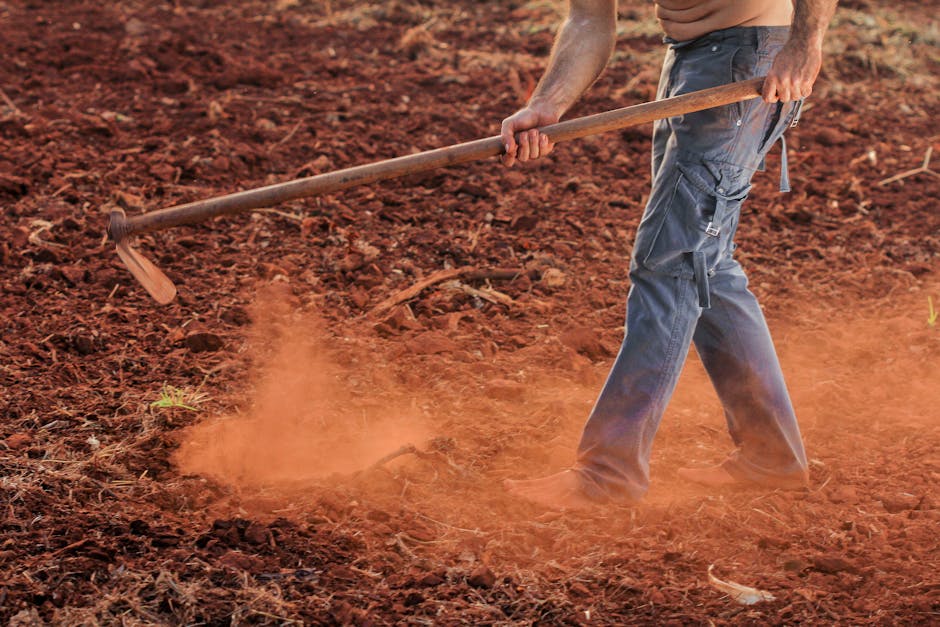
Stand with your feet shoulder-width apart. This stance gives balance and control. Hold the hoe's handle firmly but not too tight. Your hands should be spaced comfortably. This grip reduces strain on your wrists. Keep your back straight to avoid injury.
Effective Weeding Strategies
Use short, swift strokes for weeding. This method cuts weeds at the root. Work in a forward and backward motion. This ensures all weeds are removed. Clear the weeds immediately to prevent regrowth. Regular hoeing keeps your garden weed-free.
Aerating Soil
Aerating soil improves plant growth. Use the hoe to break up compacted soil. This allows air and water to reach the roots. Gently turn the soil without disturbing plant roots. Aerating should be done periodically for healthy soil.
Maintenance And Care
Regular cleaning keeps a hoe gardening tool in top shape. Remove soil and debris after each use. Occasionally oil the blade and handle to prevent rust and wear.
Maintaining and caring for your hoe gardening tool is crucial for its longevity and efficiency. A well-maintained hoe not only makes your gardening tasks smoother but also saves you money in the long run. Think about it: how often have you struggled with a dull or rusty tool, only to realize a little maintenance could have prevented the hassle? Regular attention to cleaning, sharpening, and repairing can transform your gardening experience. Let’s dive into some practical tips you can implement today to keep your hoe in top shape.
Cleaning And Storage Tips
After each use, remove soil and debris from your hoe. A simple rinse with water and a stiff brush can do wonders. Dry it thoroughly to prevent rust. Store your hoe in a dry place. Moist environments can lead to corrosion. Hanging it on a wall can also prevent accidental damage or injury. Consider applying a light coat of oil on the metal parts. This adds a protective layer against rust, especially if you store it for an extended period.
Sharpening Blades
A sharp hoe blade makes your work more efficient. Use a mill file or sharpening stone to hone the edge. Secure the hoe before sharpening. This ensures safety and precision. Always sharpen at the original bevel angle for the best results. Check the blade regularly for nicks. Addressing these immediately can prevent further damage and maintain the tool's performance.
Repairing Handles
Inspect the handle for cracks or splinters. These can worsen over time and lead to breakage. Use sandpaper to smooth out rough spots. This improves grip and prevents blisters during use. If the handle is beyond repair, replacing it is a cost-effective option. Ensure the new handle is securely fitted to maintain the tool's effectiveness. By investing a little time in these maintenance tasks, you ensure your hoe remains a trusty companion in your gardening journey. What maintenance tip will you try next time you wrap up your gardening?
Benefits Of Using A Hoe
The hoe is a simple yet powerful gardening tool. It has been used for centuries. This tool offers many benefits for garden enthusiasts. Whether you are a beginner or a seasoned gardener, the hoe can be a valuable addition. Discover the many advantages of using a hoe in your garden.
Weed Control
Weeds can steal nutrients from your plants. A hoe helps keep weeds under control. It cuts through weeds easily and effectively. Regular hoeing reduces weed growth. Your plants grow healthier with less competition.
Soil Aeration
Good soil needs air. A hoe helps with soil aeration. It breaks up compacted soil. This allows air to reach plant roots. Proper aeration improves water absorption. Your plants will thank you with better growth.
Improving Soil Fertility
Healthy soil means healthy plants. A hoe mixes organic matter into the soil. It helps distribute nutrients evenly. This improves soil fertility over time. Consistent hoeing enriches the soil. Your garden will flourish.
Innovations In Hoe Design
Innovations in hoe design enhance gardening efficiency and ease. Modern hoes feature ergonomic handles and lightweight materials. These improvements make gardening tasks less tiring and more enjoyable.
In recent years, the humble hoe has undergone a significant transformation. Innovations in hoe design have made gardening more efficient and enjoyable. Whether you're a seasoned gardener or just starting, these advancements could change the way you work in your garden.
Ergonomic Improvements
Modern hoes now prioritize user comfort. Manufacturers have redesigned handles to reduce strain on your wrists and back. With ergonomic grips, your gardening tasks can be less taxing, allowing you to spend more time cultivating your plants without discomfort. Consider the difference it makes when you can garden longer without feeling fatigued. Have you ever noticed how a tool that fits well in your hand seems to make the work lighter? That’s the power of ergonomic design at play.
Multi-functional Tools
Today's hoes offer more than just soil cultivation. Many designs now include additional features like weed cutters or soil aerators. This versatility means you might need fewer tools, saving both space and money. Imagine tackling multiple tasks in your garden with just one tool. This can streamline your gardening process and make you more efficient. Have you explored the options available that might reduce your garden clutter?
Sustainable Materials
Sustainability has become a key focus in tool design. Many hoes are now crafted from eco-friendly materials like bamboo or recycled metals. These choices not only help the environment but often enhance the durability of the tool. When you choose a tool made from sustainable materials, you’re investing in a greener future. Have you considered the impact your gardening tools have on the planet? Opting for sustainable options is a simple yet powerful way to contribute positively. The next time you shop for gardening tools, think about how these innovations can enhance your experience. With ergonomic designs, multifunctionality, and sustainable materials, modern hoes offer more than just utility. They provide comfort, efficiency, and an environmentally friendly choice for your gardening activities.
Frequently Asked Questions
What Is A Hoe Gardening Tool Used For?
A hoe is primarily used for soil cultivation, weed control, and creating planting rows. It's an essential gardening tool for breaking up soil, removing weeds, and shaping the soil. Its versatility makes it a must-have for gardeners, ensuring efficient and effective soil management.
How Do You Maintain A Gardening Hoe?
Maintaining a gardening hoe involves cleaning it after each use and sharpening the blade regularly. Store it in a dry place to prevent rust. Periodically check for any loose parts and tighten them if necessary. Proper maintenance ensures longevity and optimal performance.
What Types Of Hoes Are Available?
There are several types of hoes, including draw hoes, stirrup hoes, and scuffle hoes. Each type serves different gardening purposes, such as soil breaking or weed removal. Selecting the right hoe depends on your specific gardening needs and soil conditions.
How Do You Choose The Right Hoe?
Choosing the right hoe depends on your gardening tasks and soil type. For heavy soil, a sturdy draw hoe is ideal. For lighter tasks, a scuffle hoe works well. Consider the handle length for comfort and efficiency. Always select a hoe that complements your gardening style.
Conclusion
A hoe simplifies gardening tasks. It's a versatile tool for every gardener. With it, you can easily weed, dig, and cultivate soil. Its design makes it effective and user-friendly. Beginners and experts both appreciate its utility. Maintaining a garden becomes less daunting with a hoe.
Choose one that fits your needs and comfort. Quality matters, so invest wisely. This tool is a staple for maintaining healthy gardens. Enjoy the process of tending to your plants. Your garden will thrive with regular hoeing. Happy gardening!