A List of Hand And Power Tools?
Whether you're a seasoned DIY enthusiast or just starting your journey into the world of home improvement, understanding the tools at your disposal can make all the difference. Imagine the satisfaction of completing a project on your own, with precision and ease.
But to get there, you need to know which tools are essential and how they can simplify your tasks. You’ll discover a comprehensive list of hand and power tools that will empower you to tackle any project with confidence. From the trusty hammer to the versatile drill, each tool serves a unique purpose.
So, if you're ready to enhance your toolkit and take your skills to the next level, keep reading. Your next project might just be a breeze with the right tools in hand.
Basic Hand Tools
Basic hand tools are essential for every toolkit. They are versatile and useful for many projects. These tools help you build, repair, and fix things around the house. They are easy to handle and do not need electricity. Whether you are a beginner or skilled, these tools are vital.
Hammer Varieties
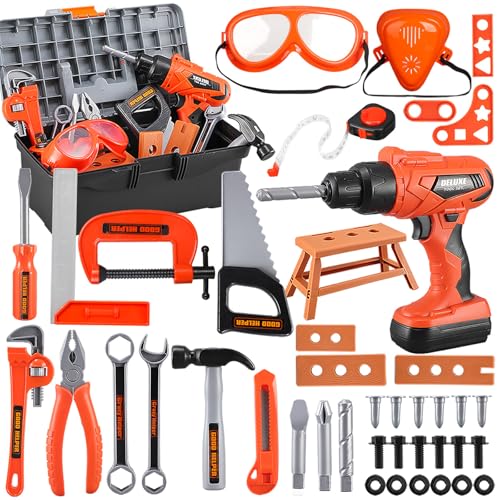
Hammers come in different types for various tasks. The claw hammer is common and features a flat side and a claw for removing nails. Sledgehammers are heavier and used for breaking large objects. Ball-peen hammers have rounded heads for shaping metal.
Screwdrivers Essentials
Screwdrivers are vital for turning screws. They come in different shapes and sizes. Flathead screwdrivers have a straight edge. Phillips screwdrivers have a cross shape and fit screws with cross slots. Torx screwdrivers have star-shaped tips for specific screws.
Wrenches Types
Wrenches are used for gripping and turning nuts and bolts. The adjustable wrench can fit various sizes. Box-end wrenches enclose the nut, providing a firm grip. Open-end wrenches have a U-shape for quick adjustments.
Specialized Hand Tools
Specialized hand tools are like the secret weapons in your toolkit. They are designed for precision, helping you tackle specific tasks with ease and efficiency. Whether you're a seasoned DIY enthusiast or just starting out, understanding these tools can make all the difference in your projects.
Pliers And Cutters
Pliers are indispensable for gripping, twisting, and cutting wires. Imagine trying to fix a broken wire without them—frustrating, right? My first experience with pliers was during a home repair project. I needed to cut a stubborn wire, and regular scissors just wouldn't do. Pliers saved the day.
Cutters, on the other hand, are perfect for slicing through tough materials. Ever tried cutting through a thick cable without the right tool? It’s like trying to chop wood with a butter knife. With the right cutters, you can make clean cuts effortlessly.
Chisels And Files
Chisels are fantastic for shaping wood and carving out precise details. They come in handy when you want to add a personal touch to your woodwork. I once decided to create a custom bookshelf, and chisels helped me carve out intricate designs.
Files smooth out rough edges, ensuring your work looks polished. After using chisels, a file can refine the finish, leaving your project looking professional. Have you ever felt the satisfaction of running your fingers over a perfectly smooth surface?
Measuring Tools
Accuracy matters. Measuring tools ensure your projects are precise. Whether it’s a tape measure or a caliper, these tools help you get the exact dimensions. Imagine building a cabinet only to find it doesn’t fit the space. Wouldn't that be frustrating?
Using measuring tools can save you time and materials. Next time you start a project, consider how accurate measurements can impact the final result. Have you checked if your tools are giving you the correct readings?
Specialized hand tools can transform your projects. What tool will you add to your collection next?
Power Tools Overview
Power tools are the backbone of modern craftsmanship, turning complex tasks into simple ones with the push of a button. They offer precision, speed, and efficiency that hand tools often can't match. Whether you're a seasoned professional or a weekend DIY warrior, understanding power tools can transform your projects.
Drills And Drivers
Drills and drivers are essential in any toolkit, making tasks like assembling furniture or installing shelves a breeze. A cordless drill is versatile, allowing you to move freely without being tethered to an outlet. Have you ever tried hanging a picture without a drill? It's a bit like trying to dig a hole with a spoon—possible, but unnecessarily challenging.
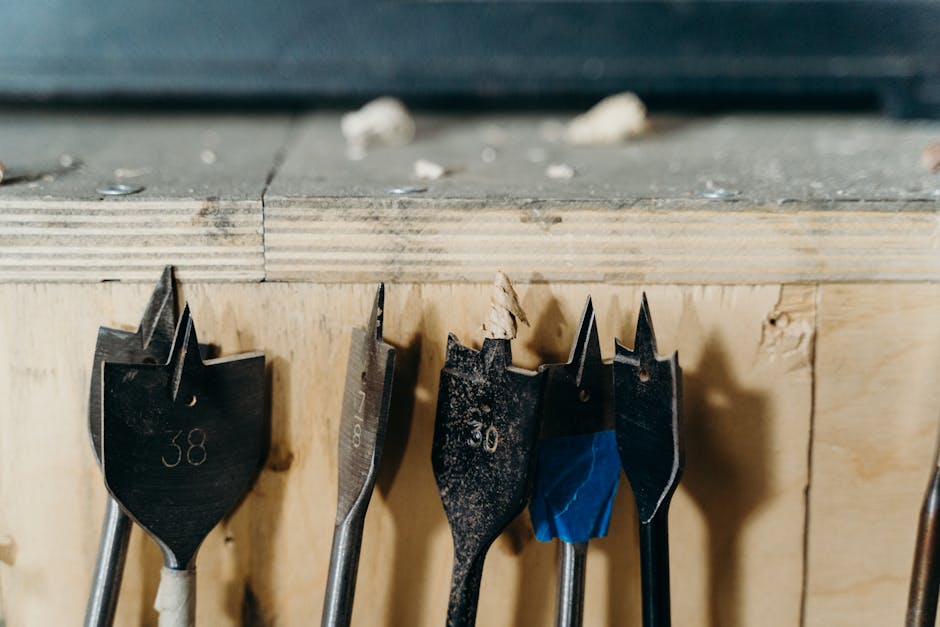
Consider the variety of drill bits available. Each type is designed for specific materials, ensuring you can tackle wood, metal, or masonry with ease. Next time you start a project, ask yourself: Do I have the right bit for the job?
Saws And Cutting Tools
Saws and cutting tools are the artists in the power tool world, shaping and creating with precision. Circular saws are perfect for making straight cuts quickly, while jigsaws offer flexibility with curves and angles. Think about that time you needed to trim a door to fit—did you reach for a handsaw, or did you let a power saw do the heavy lifting?
Table saws provide stability for larger projects, giving you the confidence to cut through thick materials. But remember, safety first. Always ensure you're using the right blade and protective gear to keep your fingers safe.
Sanders And Polishers
Sanders and polishers bring the finishing touches to your work, turning rough surfaces into smooth ones. Orbital sanders are great for getting an even finish, saving you from endless hours of manual sanding. Have you ever tried sanding a large piece of furniture by hand? It’s exhausting and often uneven.
Polishers add the shine, perfect for refurbishing old wood or giving metal a gleaming finish. Take a moment to appreciate how a simple polish can revive a tired piece and make it look brand new. What project could you breathe new life into with a good sander and polisher?
Understanding these power tools and their capabilities not only makes your work easier but also more enjoyable and rewarding. So, what tool will you master next to elevate your projects?
Safety Equipment
Safety equipment is crucial when using hand and power tools. It protects against injuries and accidents. Proper gear keeps you safe from harm. From goggles to gloves, each item has a role. Safety gear reduces risks and ensures a secure work environment. Understanding its importance can prevent many hazards.
Protective Gear
Wearing protective gear is essential for any tool user. Safety goggles shield your eyes from flying debris. Gloves protect your hands from cuts and burns. Earplugs or earmuffs reduce noise damage to your hearing. Hard hats safeguard your head from falling objects. Steel-toed boots provide foot protection. Each item adds a layer of safety during tool use.
Tool Maintenance
Maintaining tools ensures they work safely and efficiently. Regularly inspect tools for damage or wear. Clean tools after each use to prevent rust and buildup. Lubricate moving parts to keep them functioning smoothly. Replace worn-out parts promptly. Proper maintenance extends tool life and enhances safety. A well-maintained tool performs better and poses fewer risks.
Choosing The Right Tools
Choosing the right tools ensures successful project completion. Selecting appropriate hand and power tools can significantly influence your work quality. A well-chosen tool not only saves time but also increases efficiency. Understanding your project's specific needs helps in making the right choice.
Assessing Project Needs
Determine the scope of your project. Identify tasks that require specific tools. For instance, for woodwork, you might need a saw and hammer. Each project has unique requirements. List all necessary tools before starting. This helps in avoiding last-minute rushes. Consider the material you'll work with. Different materials need different tools.
Budget Considerations
Setting a budget is crucial. You don't need the most expensive tools. Affordable tools can often do the job well. Look for quality within your budget. Sometimes, renting tools is a smart choice. It saves money and storage space. Compare prices from different stores. This ensures you get the best deal.
Tool Storage Solutions
Organizing tools efficiently requires a smart storage solution. A well-arranged list of hand and power tools ensures easy access. Keep your workspace tidy and safe with tailored storage options.
Tool storage solutions can transform a cluttered workspace into a haven of efficiency and productivity. Whether you're an avid DIYer or a professional tradesperson, having a well-organized tool area can save you time and frustration. Let's dive into some practical tips and strategies for organizing your tools and maximizing your storage space.
Organizational Tips
A great starting point is to categorize your tools. Group them by type or frequency of use. This simple strategy helps you find what you need quickly, especially when you're in the middle of a project. Consider using labels. Labeling shelves and drawers can speed up tool retrieval and ensure everything has a designated spot. You'll be amazed at how much time you save by not having to search for that elusive wrench or screwdriver. Think about visibility. Tools that are visible are easier to grab. Use clear bins or open shelving to keep tools in sight. This not only saves time but can also boost your creativity as you see all your options at a glance.
Space Management
Maximizing space is key in any tool storage solution. Start by assessing the space you have. Look for underutilized areas, like vertical walls, where you can hang pegboards or racks. These can hold a surprising number of tools without taking up floor space. Consider modular systems. They allow you to adjust and add as your tool collection grows. You can customize these systems to suit your needs, ensuring that every inch of space is utilized efficiently. Keep the workspace flexible. Sometimes, you need to rearrange things to accommodate new tools or projects. Having storage solutions that can be easily moved or reconfigured keeps your space adaptable. --- Have you ever spent more time looking for a tool than working on your project? With these storage solutions, your tools will always be at your fingertips, ready to help you tackle any task. So, what changes are you planning to make in your tool storage area?
Frequently Asked Questions
What Are Common Hand Tools Used For?
Hand tools are essential for various tasks. Common ones include hammers, screwdrivers, and pliers. They're used for construction, repairs, and crafting. These tools are versatile, easy to use, and don't require electricity. They're ideal for precise tasks and working in tight spaces.
How Do Power Tools Differ From Hand Tools?
Power tools are electric or battery-operated, making tasks faster and easier. They include drills, saws, and sanders. Unlike hand tools, power tools provide more force and precision. They're perfect for heavy-duty work and larger projects. Always follow safety guidelines when using power tools.
Which Hand Tools Are Essential For Beginners?
Beginners should start with basic hand tools like hammers, screwdrivers, and wrenches. These tools are versatile and easy to use. They're perfect for simple repairs and DIY projects. Having a good set of these tools is crucial for any home toolkit.
What Safety Tips For Using Power Tools?
Always read the manual before using power tools. Wear protective gear like goggles and gloves. Ensure tools are in good condition and unplugged when not in use. Keep the workspace clean and organized. Safety is crucial to prevent accidents and injuries.
Conclusion
Choosing the right tools makes any project easier and more efficient. Hand tools offer precision and control. Power tools save time with speed and strength. Always consider safety when using any tool. Wear protective gear and follow instructions. Keep your tools clean and stored properly.
This extends their life and reliability. Invest in quality for better results and durability. Understanding your tools helps complete projects successfully. Happy building and creating with your new knowledge!