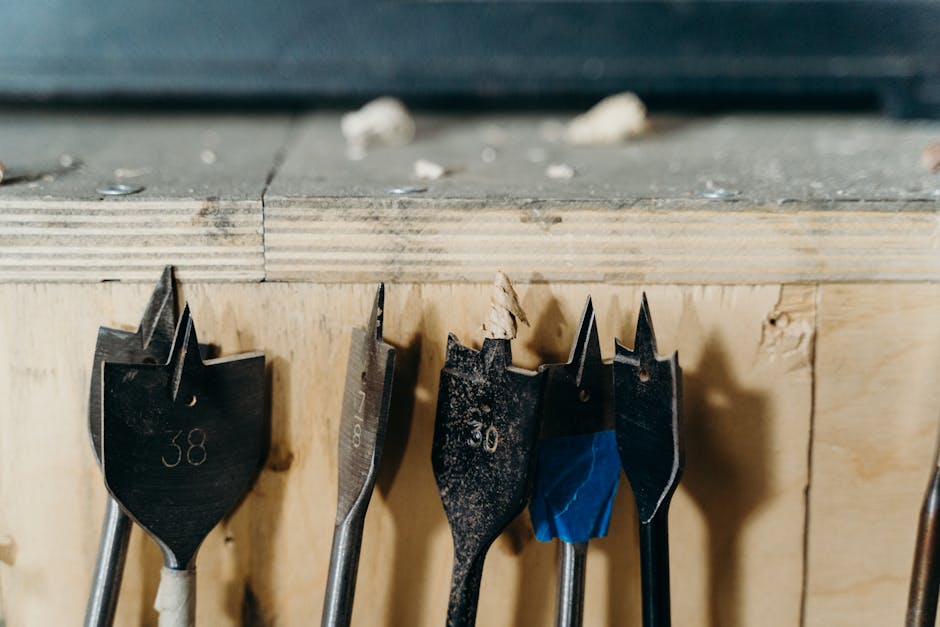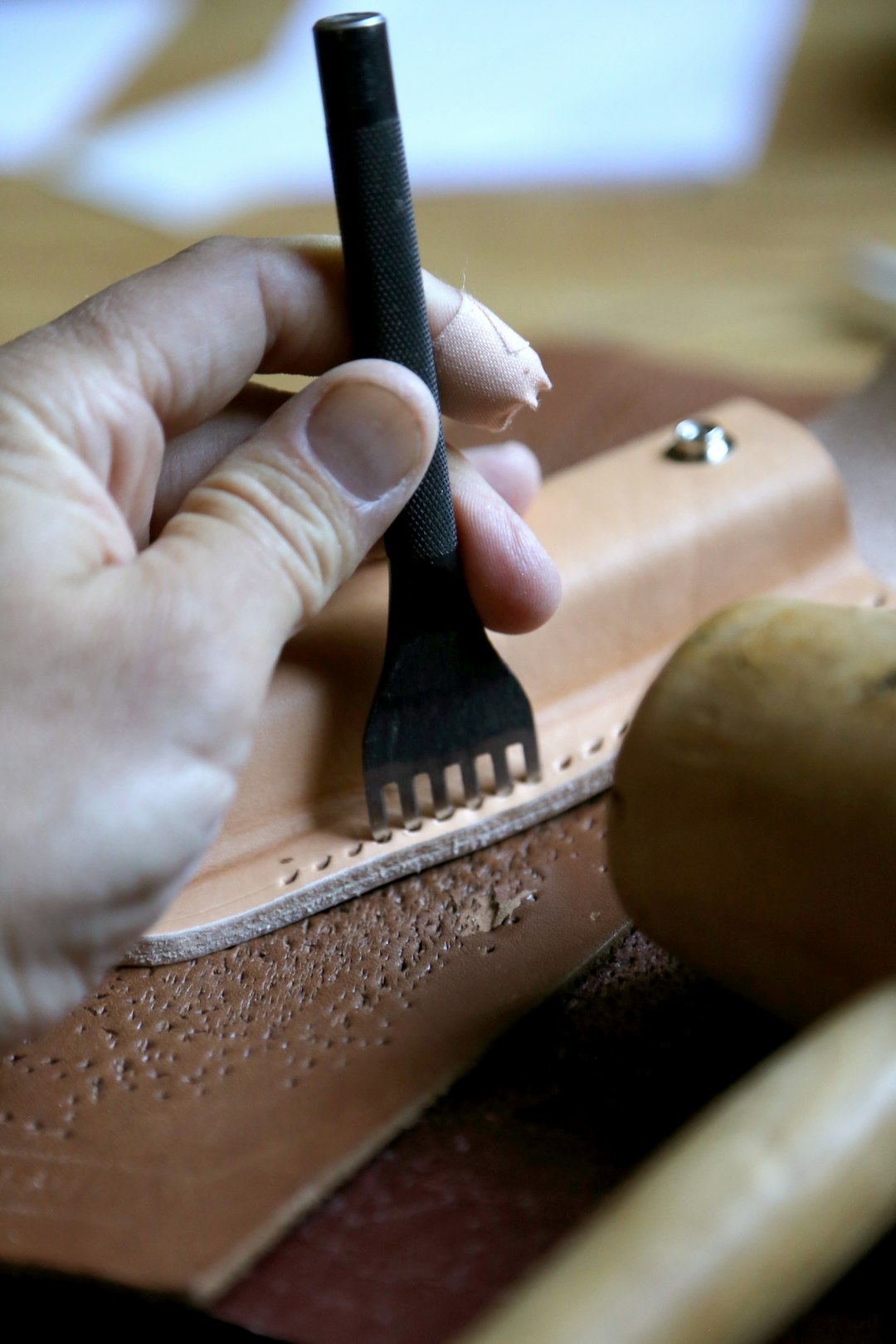
Imagine transforming a simple block of wood into a masterpiece with just your hands and a tool that has stood the test of time. If you're passionate about woodworking or curious about traditional crafting techniques, you're in the right place.
There's something magical about using a hand tool to shape wood. It connects you to centuries of craftsmanship and gives you control over every curve and contour. This tool isn't just any tool; it's a gateway to creativity and precision.
It's the kind of tool that lets you feel the texture of the wood and hear the satisfying sound as you carve it. You might wonder what makes this tool so special. How does it work? Why should you choose this over modern machines? The answers lie in its simplicity and the unique experience it offers. Throughout this article, you'll discover the secrets of this traditional woodworking hand tool. You'll learn how it can elevate your skills and bring your projects to life. Whether you're an experienced woodworker or a beginner, understanding and mastering this tool can be your next step in crafting something truly unique. Keep reading to unlock the potential of your woodworking projects and see how this tool can change the way you work with wood.
History Of Traditional Woodworking
Woodworking has been a part of human history for thousands of years. It has shaped the way we live, build, and create. The journey of traditional woodworking is a story of evolution, culture, and craftsmanship.
Evolution Of Hand Tools
From the Stone Age to the Iron Age, hand tools have been crucial in woodworking. Early humans used stone axes and chisels to carve and shape wood. As metalworking advanced, tools became more efficient and precise.
By the Middle Ages, blacksmiths crafted intricate hand tools like planes and saws. These tools allowed artisans to produce refined and complex wooden structures. The Industrial Revolution introduced mass production, but traditional hand tools retained their value for their precision and craftsmanship.
Today, many woodworkers still rely on these classic tools. They offer a tactile connection to the material that modern machinery can't replicate. Have you ever tried using a hand plane? The satisfaction of seeing a wood curl peel away is unmatched.
Cultural Significance
Woodworking is more than just a craft—it's a cultural heritage. Different cultures have developed unique woodworking traditions. In Japan, for example, joinery techniques require no nails or screws, reflecting a deep respect for wood and nature.
In Scandinavia, woodworking is celebrated through the creation of intricate furniture and decor. These cultural expressions highlight the diverse ways people connect with wood. Woodworking often reflects societal values and artistic expression.
Consider how your own culture might influence your approach to woodworking. Do you see it as a practical skill, an art form, or a blend of both?
Understanding the history and cultural significance of woodworking tools enriches your practice. Embrace the stories and skills passed down through generations. What traditions will you carry forward in your own woodworking journey?
Types Of Woodworking Hand Tools
Woodworking is an art that combines skill and creativity. Traditional hand tools are essential in shaping wood with precision. Each tool has a specific function and brings unique benefits to the craft. Understanding the types of woodworking hand tools helps create beautiful wooden pieces.
Chisels And Gouges
Chisels are simple yet versatile tools. They have a sharp blade used to cut or carve wood. Flat chisels are ideal for creating straight lines. Gouges have curved blades for shaping rounded edges or hollows. Both tools require skill to control the cut and achieve desired results.
Planes And Spokeshaves
Planes are used to smooth and flatten surfaces. They shave thin layers of wood for a fine finish. Block planes are great for small tasks, while bench planes handle larger surfaces. Spokeshaves are similar but designed for curved surfaces. They are perfect for shaping chair legs or tool handles.
Saws And Rasps
Saws are crucial for cutting wood into different sizes. Hand saws are efficient for straight cuts. Coping saws handle intricate shapes and curves. Rasps are rough tools used to file and shape wood. They have coarse surfaces that remove material quickly. Each tool plays a role in transforming raw wood into stunning creations.
Choosing The Right Tool
Crafting wood requires precision tools like the traditional woodworking hand tool. This essential tool shapes wood, creating smooth surfaces and intricate designs. Its simplicity allows artisans to maintain control, making it ideal for detailed work.
Choosing the right woodworking tool can make all the difference in your projects. It's not just about picking any tool off the shelf—it's about finding the perfect match for your needs. Imagine walking into a workshop and seeing a wide array of tools. Which one should you choose? This decision can significantly impact your craftsmanship. Let's dive into how you can make the best choice.
Identifying Your Needs
Start by asking yourself: What do you plan to create? Are you crafting delicate furniture or robust outdoor pieces? Your project's requirements will guide your choice of tool. Consider the type of wood you'll work with. Softwoods and hardwoods respond differently to shaping tools. A tool that excels with pine may struggle with oak. Reflect on your skill level. Beginners might benefit from simpler tools that offer precision without complexity. Experienced woodworkers may seek advanced options for intricate work.
Factors To Consider
Evaluate the tool's material and build quality. A sturdy, well-crafted tool ensures longevity and reliable performance. Think about ergonomics. A comfortable grip can reduce fatigue during long sessions, allowing for more control and smoother results. Assess the tool's versatility. A multipurpose tool can save you space and money by handling various tasks effectively. Price matters too. While it's tempting to opt for the cheapest option, investing in quality can pay off in the long run. What do you value more, efficiency or affordability? Sometimes, spending a bit more initially can lead to better outcomes and fewer replacements. Choosing the right tool isn't just a decision—it's an investment in your craft. Each choice you make shapes your woodworking journey.
Techniques For Shaping Wood
Shaping wood by hand offers a deep connection to craftsmanship. It involves skill, patience, and the right tools. A traditional woodworking tool can transform wood into art. Understanding techniques enhances the shaping process. Let's explore some methods.
Basic Carving Techniques
Basic carving techniques form the foundation of woodworking. Start with simple cuts and shapes. Use chisels for precise results. Focus on grain direction to avoid splits. Practice smooth, even strokes. This ensures clean lines and reduces errors.
Try relief carving for depth and detail. It involves shaping the surface of the wood. Create patterns or images that stand out. This technique adds visual interest to your work.
Advanced Joinery Skills
Advanced joinery skills elevate woodworking projects. They involve connecting pieces without nails. Mortise and tenon joints are strong and versatile. Practice cutting accurate mortises and matching tenons. Dovetail joints are ideal for drawers and boxes. They provide strength and visual appeal.
Mastering joinery requires precision. Use marking tools for accurate measurements. Sharp tools ensure clean cuts. Secure joints with clamps as the wood dries. This prevents movement and ensures a snug fit.
Maintaining Your Tools
Proper care ensures your woodworking hand tool remains effective. Sharpen blades regularly for clean, precise cuts. Store in dry places to prevent rust.
Maintaining your woodworking tools is essential for achieving quality results. Proper maintenance extends the life of your tools. It ensures they work efficiently. This guide will cover key maintenance practices. These include sharpening, honing, and storage. Keeping your tools in top condition enhances your woodworking experience.
Sharpening And Honing
Sharpening tools ensures clean cuts. Dull tools can cause rough edges. Use a whetstone or sharpening stone. Gently glide the tool's edge across the stone. Maintain a consistent angle. This restores the sharpness needed for precise work. Honing follows sharpening. It refines the edge further. Use a honing guide for accuracy. Frequent honing keeps tools ready for use.
Proper Storage Practices
Proper storage prevents rust and damage. Always clean tools before storing. Remove any dust or wood shavings. Store tools in a dry place. Moisture leads to rust. Consider using a tool chest or cabinet. It protects tools from environmental factors. Organize tools with care. It makes them easy to find. A well-organized space saves time and effort. Always prioritize tool safety.
Safety Practices In Woodworking
Safety in woodworking is crucial. Working with tools demands attention. Injuries can happen without proper precautions. Understanding safety practices is essential. It ensures a safe and productive environment.
Personal Protective Equipment
Always wear protective gear. Safety goggles protect your eyes. Dust masks guard against inhalation. Gloves shield your hands. Hearing protection is vital. Machines can be loud. Protect your ears from damage.
Safe Workshop Setup
Keep your workspace organized. Clutter can cause accidents. Ensure tools are stored properly. Have a first aid kit nearby. Good lighting is important. It helps you see clearly. Check your equipment regularly. Make sure everything functions well.
Benefits Of Mastering Woodworking
Crafting wood with traditional hand tools offers numerous benefits. It enhances precision and fosters creativity through intricate designs. This skill promotes sustainability by minimizing waste and using natural resources effectively.
Mastering woodworking is more than just a skill—it's a fulfilling journey that brings numerous benefits. Whether you're a beginner or a seasoned artisan, the art of shaping wood with traditional hand tools offers endless opportunities for growth. As you hone your craft, you will find yourself not only creating tangible pieces but also enhancing your mental and emotional well-being.
Enhancing Creativity
Woodworking allows you to unleash your creativity in ways you might not expect. Imagine standing before a raw piece of timber, envisioning the possibilities it holds. Through woodworking, you can turn these visions into reality, crafting everything from simple shelves to intricate furniture. This process encourages you to think outside the box. When I first started woodworking, I discovered how each project challenged me to solve problems in unique ways. How would you transform a stubborn knot in the wood into a design feature rather than a flaw?
Sustainable Craftsmanship
Woodworking with traditional tools is a sustainable practice that respects nature. By using hand tools, you minimize your carbon footprint and embrace an eco-friendly approach. Working with reclaimed or responsibly sourced wood further enhances this sustainability. Consider the pride in creating a beautiful table from wood that might otherwise be discarded. You contribute to a more sustainable world, turning waste into art. Have you ever thought about the environmental impact of your hobbies? Woodworking is not just about creating; it's about preserving the environment and traditions. As you master this craft, you become part of a community that values both skill and sustainability.
Resources For Learning
Learning to use a traditional woodworking hand tool effectively requires guidance. While self-teaching is possible, external resources can greatly enhance your skills. Various options are available for learning woodworking techniques, from in-person workshops to online tutorials.
Workshops And Classes
Local community centers often host woodworking workshops. These classes provide hands-on experience. Expert instructors guide you through each step. You learn proper tool handling and safety measures. It's a practical way to grasp woodworking basics.
Some workshops focus on specific tools. You can choose based on your interest. Attending classes also connects you with other enthusiasts. Sharing experiences and tips enriches your learning journey.
Books And Online Tutorials
Books on woodworking offer valuable insights. They cover tool usage, project ideas, and techniques. Look for books with clear illustrations and simple instructions.
Online tutorials are another excellent resource. Many websites provide free video lessons. These videos demonstrate tool usage in real-time. Pause and rewind as needed to understand better.
Some platforms offer detailed courses for a fee. These often include expert guidance and feedback. Investing in these can accelerate your learning process.
Frequently Asked Questions
What Is A Traditional Woodworking Hand Tool?
A traditional woodworking hand tool is a manually operated tool used to shape wood. These tools include chisels, saws, and planes. They allow for precision and creativity in woodworking projects. Many woodworkers prefer hand tools for their craftsmanship and the fine details they can achieve.
How Does A Woodworking Hand Tool Shape Wood?
A woodworking hand tool shapes wood by removing material in a controlled manner. Tools like chisels and planes carve and smooth surfaces. The user applies force and guides the tool along the wood. This method ensures precision and allows the craftsman to achieve the desired shape and finish.
Why Choose Hand Tools Over Power Tools?
Hand tools offer greater control and precision in woodworking. They are quieter and require no electricity. They enable detailed work and craftsmanship. Many woodworkers appreciate the tactile feedback and connection to their work. Hand tools are ideal for traditional woodworking techniques and achieving a fine finish.
What Are The Benefits Of Using Hand Tools?
Hand tools provide unmatched precision and control in woodworking. They are quiet and require no power source. They offer a tactile connection to the work. Hand tools are versatile, allowing for detailed craftsmanship. They are essential for traditional woodworking techniques and achieving a high-quality finish.
Conclusion
A traditional woodworking hand tool offers precision and control. This tool shapes wood with ease. Carving intricate designs becomes simpler. Its simplicity makes it user-friendly. Woodworkers value its reliability. Creating unique pieces is possible with this tool. It enhances craftsmanship.
Ideal for beginners and experts alike. It helps achieve desired results. Wood responds beautifully to its touch. A timeless choice for artisans. Embrace the art of woodworking. Enhance your skills with practice. Discover the joy of craftsmanship. This tool remains a favorite for many.
Enjoy crafting with this classic tool.